Welcome to my ultimate guide on how to spend one unforgettable day in Sarajevo, the captivating capital of Bosnia and Herzegovina. This city, often called the “Jerusalem of Europe,” is a place that has truly captured my heart.
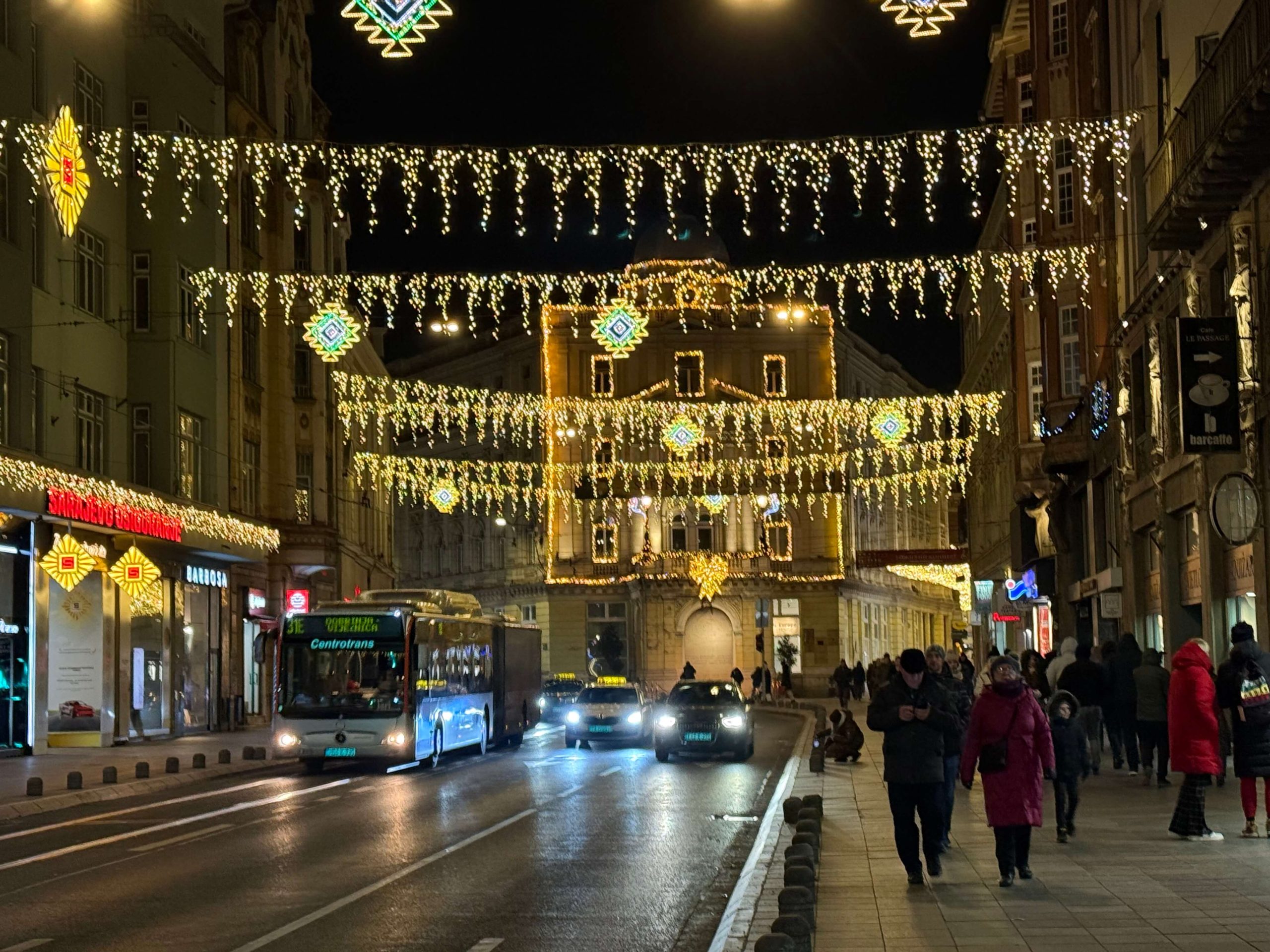
I’ve been lucky enough to visit three times now, and two of those visits were to celebrate the New Year! Each time I return, I discover a new layer of history, a new hidden gem, or simply a new reason to fall in love with its unique blend of East and West.
Sarajevo: A Glimpse into History and Culture
Sarajevo is a city of profound contrasts and incredible resilience. It’s where the Ottoman Empire met the Austro-Hungarian Empire, creating a cultural fusion that is visible on every street corner. You can literally walk from the Ottoman-era Baščaršija (Old Town) into the grand, European-style architecture of the Austro-Hungarian quarter in a matter of minutes—a place famously known as the “Meeting of Cultures”.
But Sarajevo’s history is not just ancient. It is a city that carries the scars of the 20th century, from the assassination of Archduke Franz Ferdinand that triggered World War I, to the devastating siege in the 1990s.
Walking through its streets is a powerful lesson in history, resilience, and hope. It’s a place that teaches you about the human spirit and the importance of remembering the past while looking toward the future.
What to See and Do in a Day?
While I always recommend spending more time here, I know that sometimes a single day is all you have. Trust me, you can still experience the historic heart of Sarajevo in 24 hours if you plan your day right. This is the itinerary I follow when I want to hit all the highlights and soak up the atmosphere.
Morning Exploration: Baščaršija and Sebilj
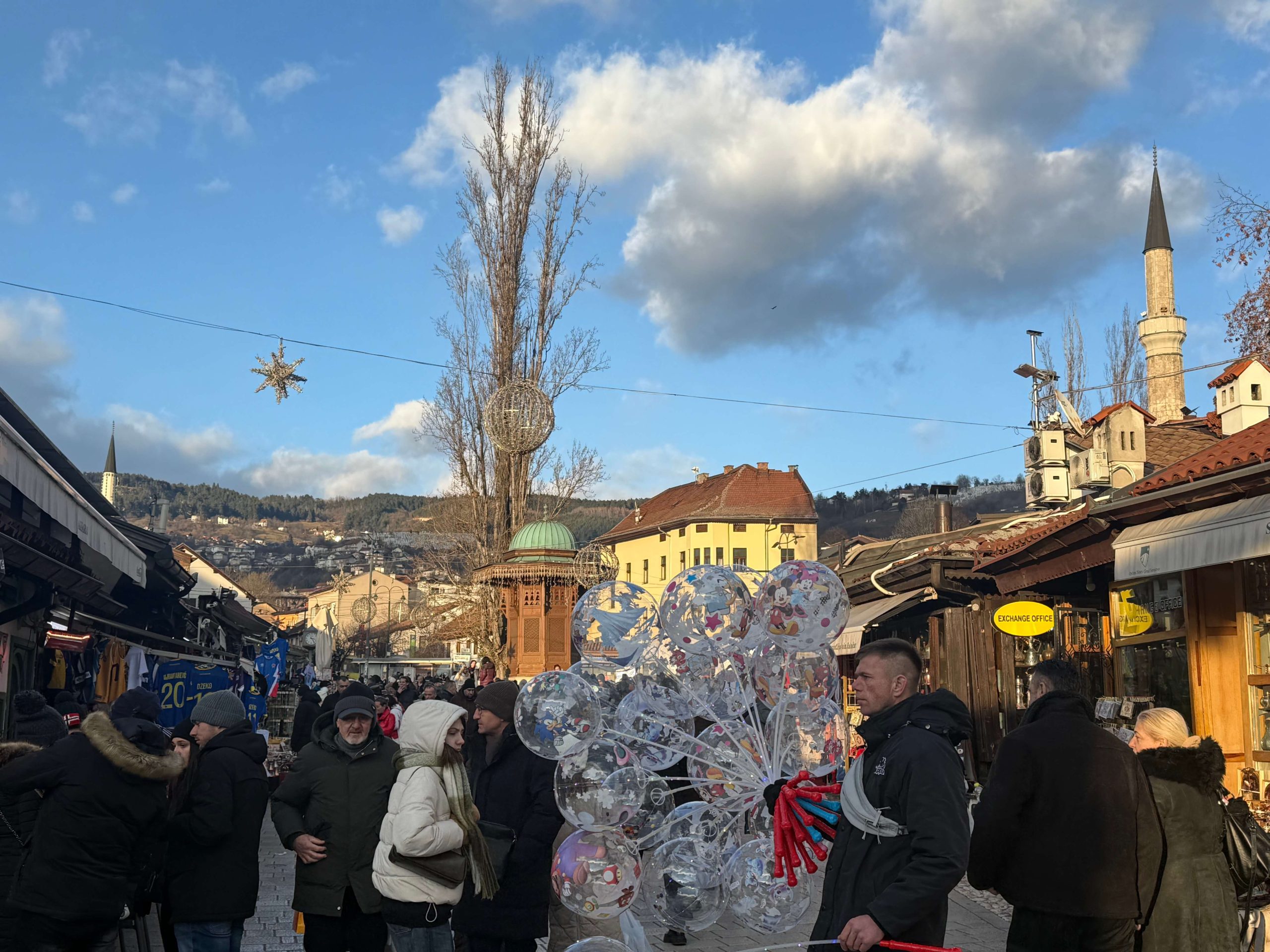
Start your day early in the Baščaršija, the city’s old bazaar and cultural heart. This is the place where time seems to slow down.
The air is filled with the scent of Bosnian coffee, spices, and the rhythmic hammering of coppersmiths.
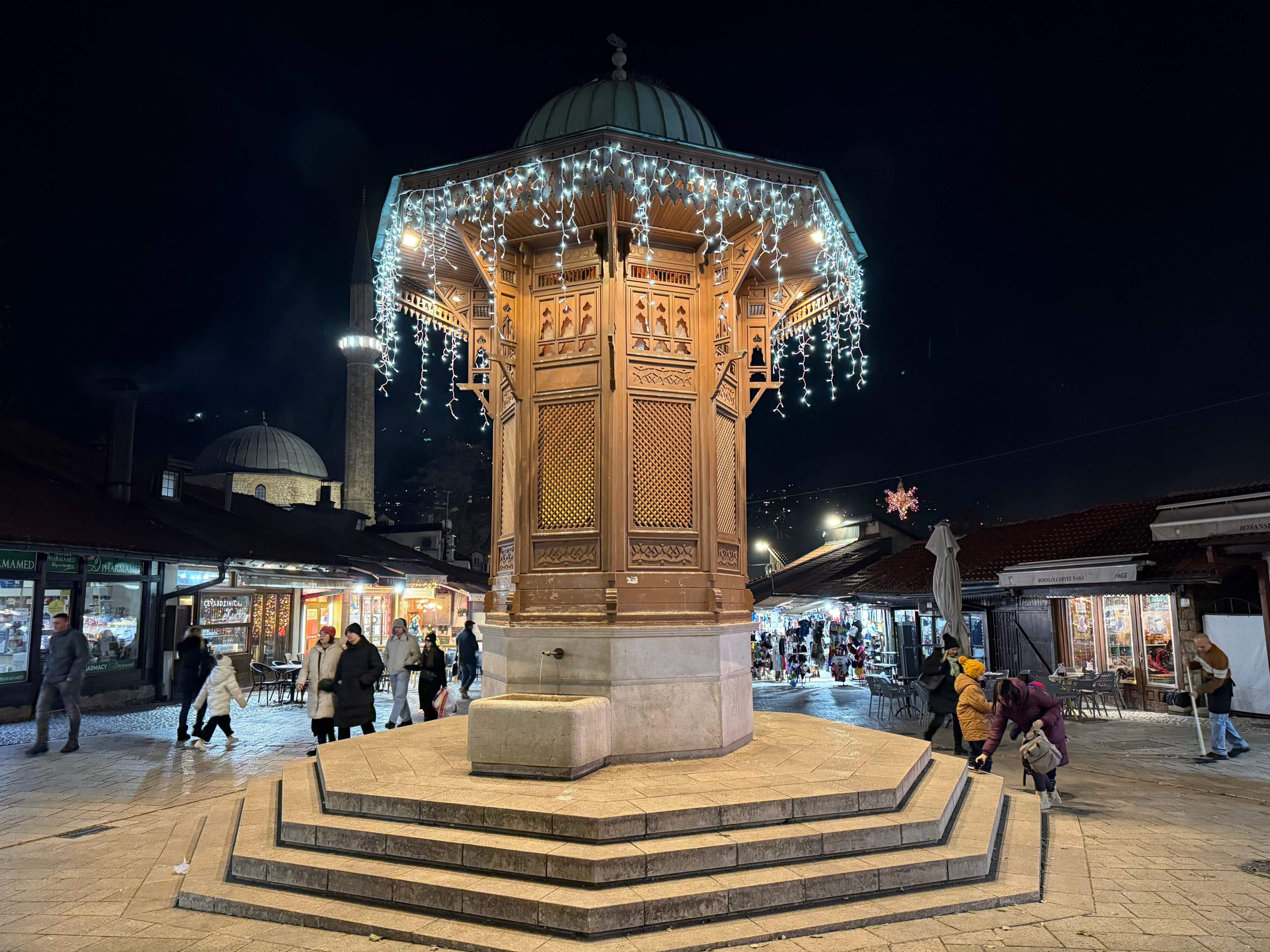
The iconic centerpiece of the Baščaršija is the Sebilj, a beautiful Ottoman-style wooden fountain. It’s the perfect spot for your first photo and a great place to people-watch. Legend says that if you drink water from the Sebilj, you will surely return to Sarajevo. Given that I’m on my third visit, I can confirm the legend holds true!
A Taste of Sarajevo: Lunch and Local Delights
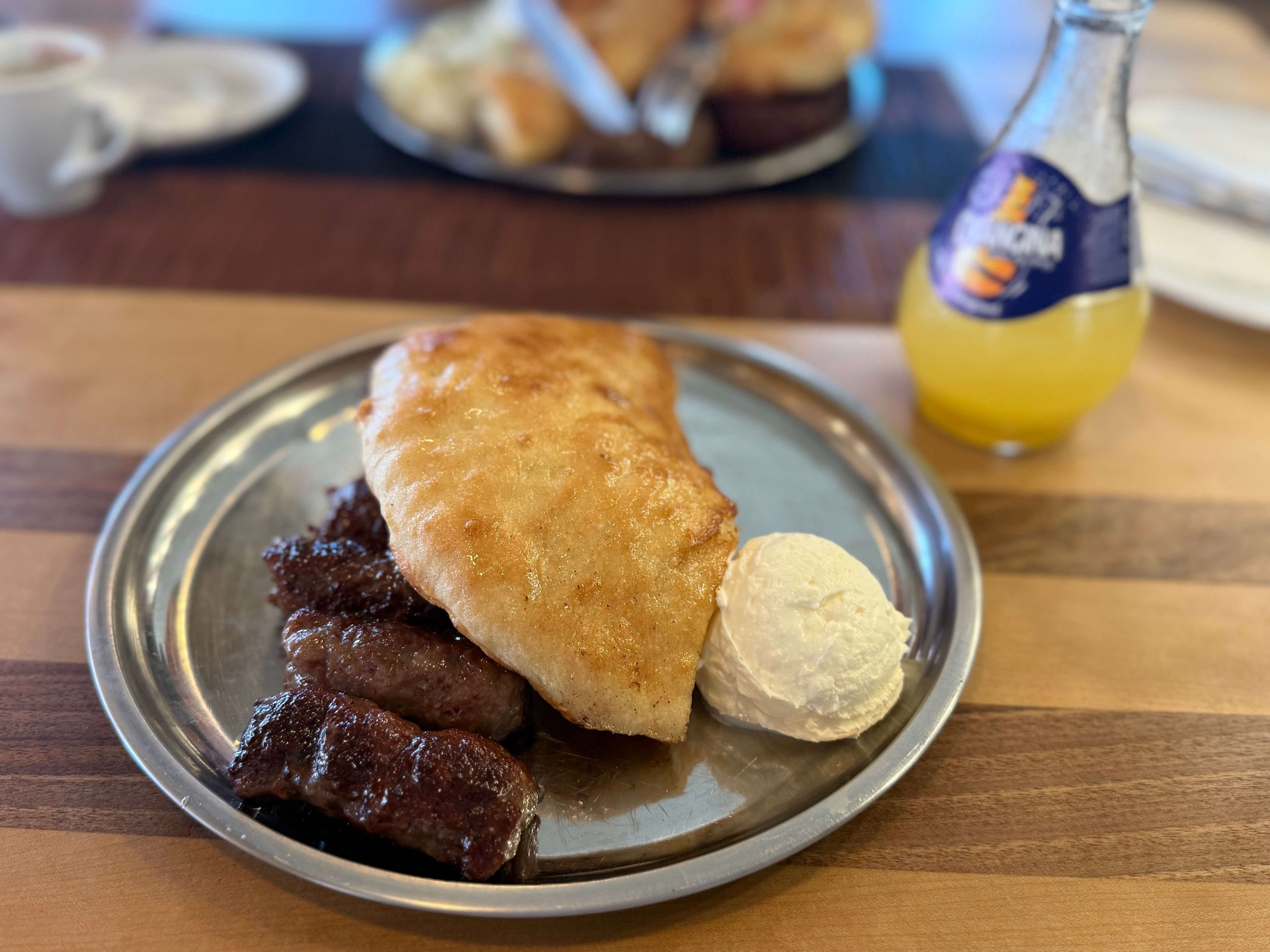
Lunch in Sarajevo is a serious affair, and it must involve the city’s most famous dish: ćevapi.
But before we get to the main event, let’s talk breakfast. You absolutely must start your day with a good burek (or pita). Don’t just call it a meat pie; a true Bosnian burek is a flaky, savory pastry rolled into a spiral and baked to perfection. You can find excellent burek at many small bakeries (pekara) or specialized buregdžinice throughout the Old Town.
For lunch, it’s time for ćevapi. I have my favorites, and I’ll share them later, but the key is to find a good ćevabdžinica and order a portion served in somun (a special flatbread) with chopped onions and a dollop of kajmak (a creamy dairy product). It is simple, hearty, and utterly delicious.
Afternoon Adventures: Latin Bridge, Vijećnica, and Views from Sarajevo funicar, Trebević
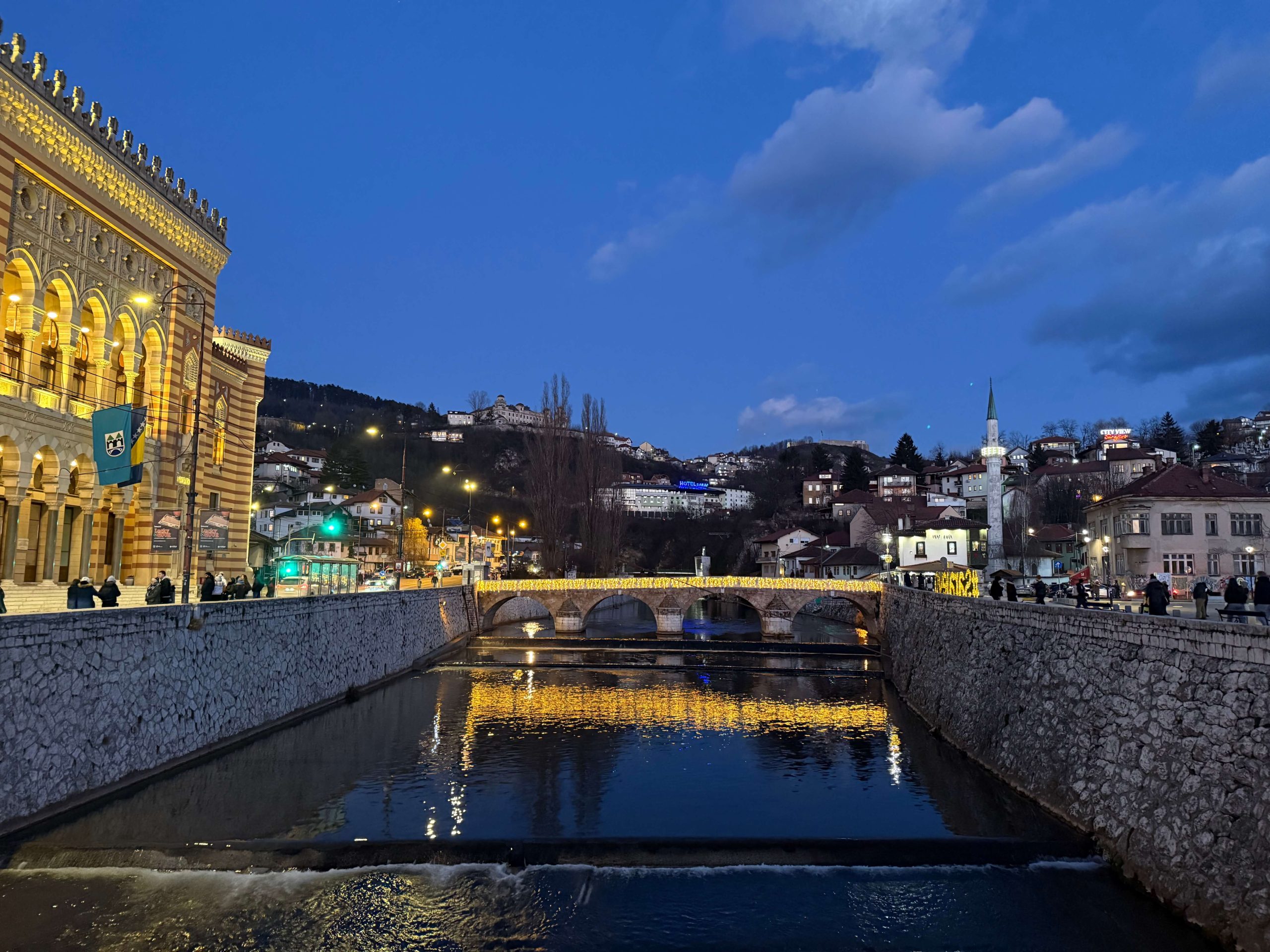
After lunch, it’s time to delve into the city’s deeper history. First, head to the Latin Bridge. This seemingly unassuming stone bridge is one of the most historically significant spots in the world, as it was near here that Archduke Franz Ferdinand was assassinated in 1914, an event that triggered World War I. Standing on the bridge, you can feel the weight of history.
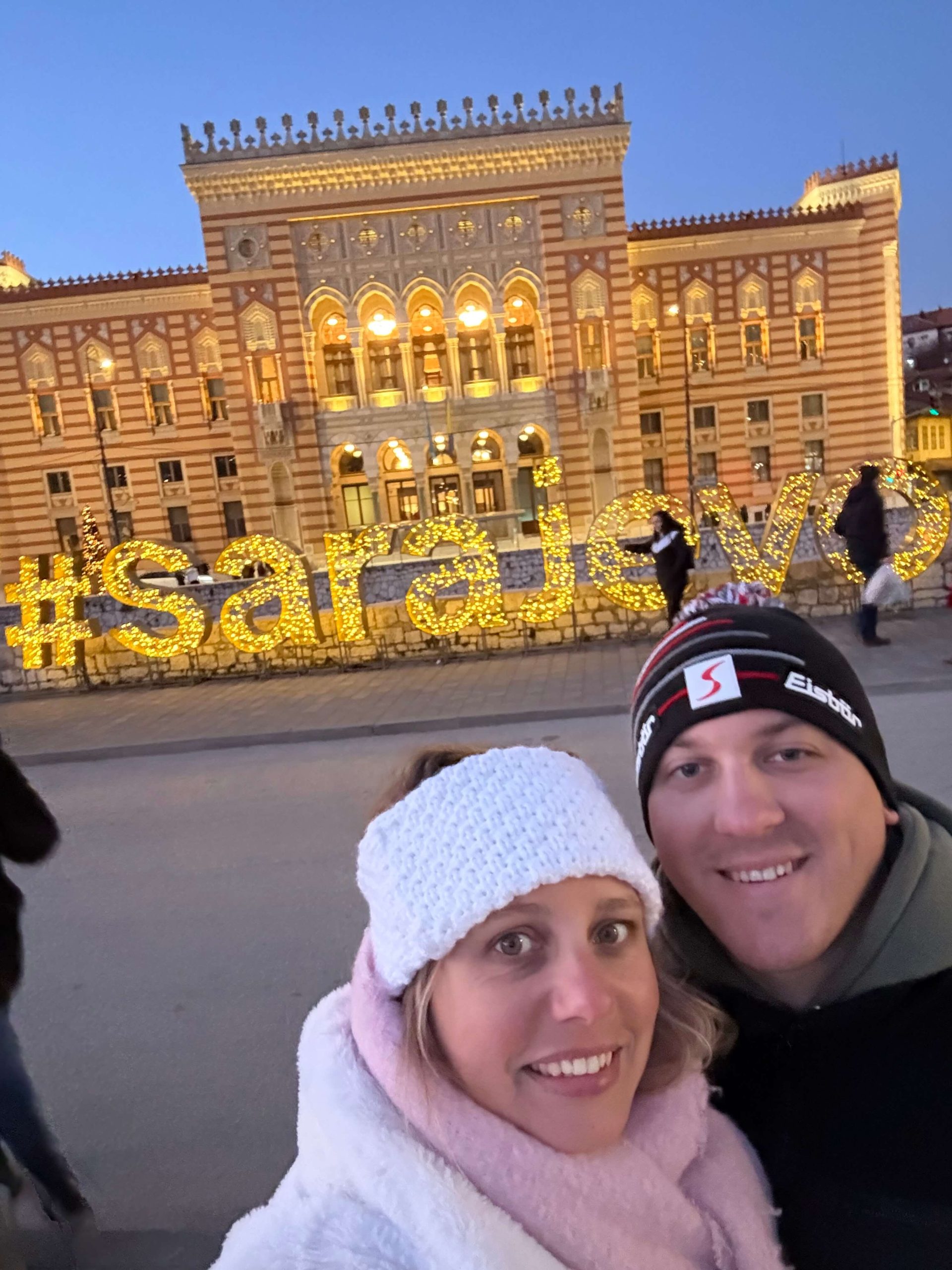
Next, walk towards the eastern end of the Old Town to see the Vijećnica (Sarajevo City Hall). This stunning building, a masterpiece of Austro-Hungarian architecture with Moorish Revival elements, has a tragic history, having been almost completely destroyed during the siege in the 90s. It has been beautifully restored and is a powerful symbol of the city’s rebirth.
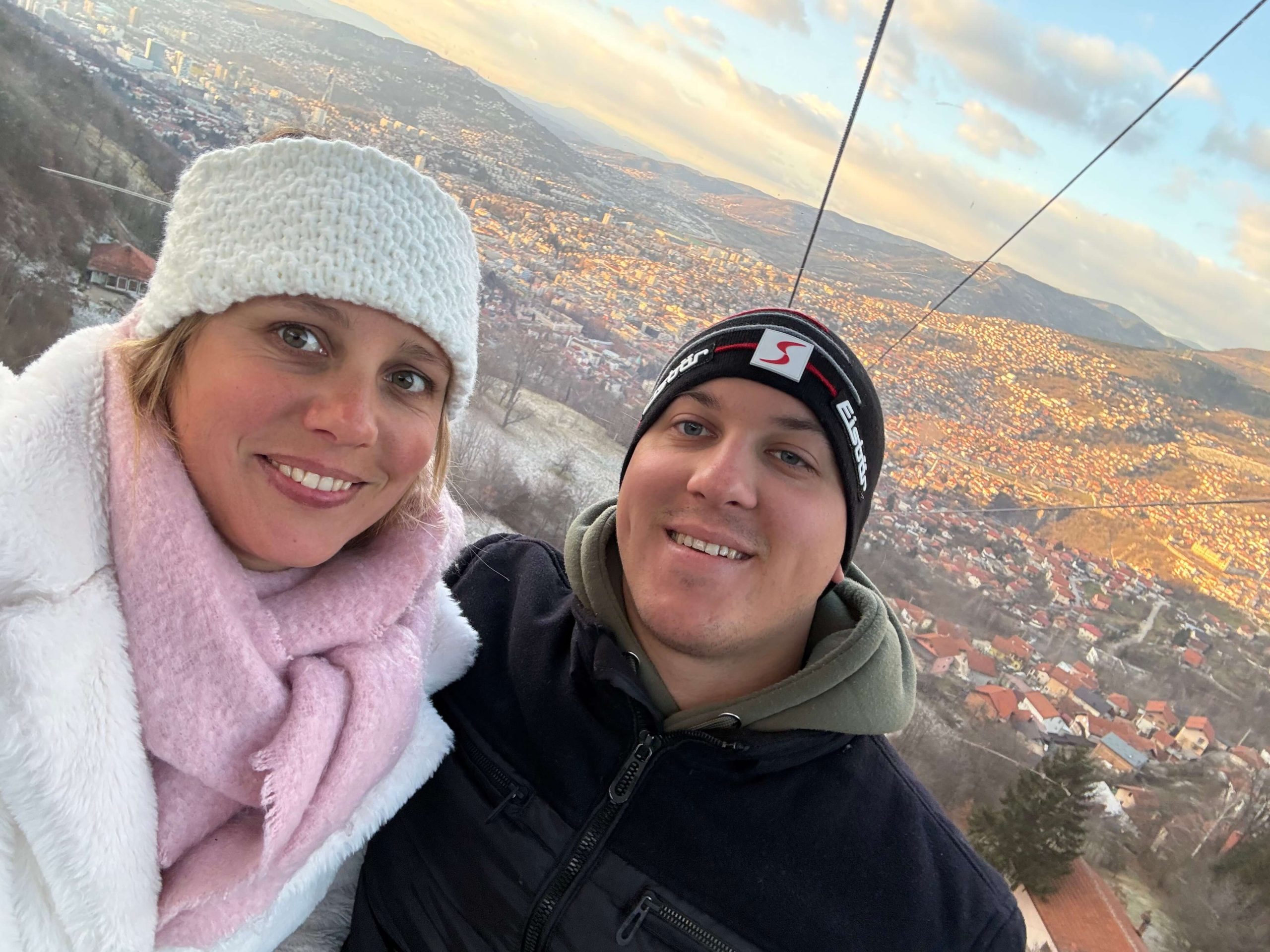
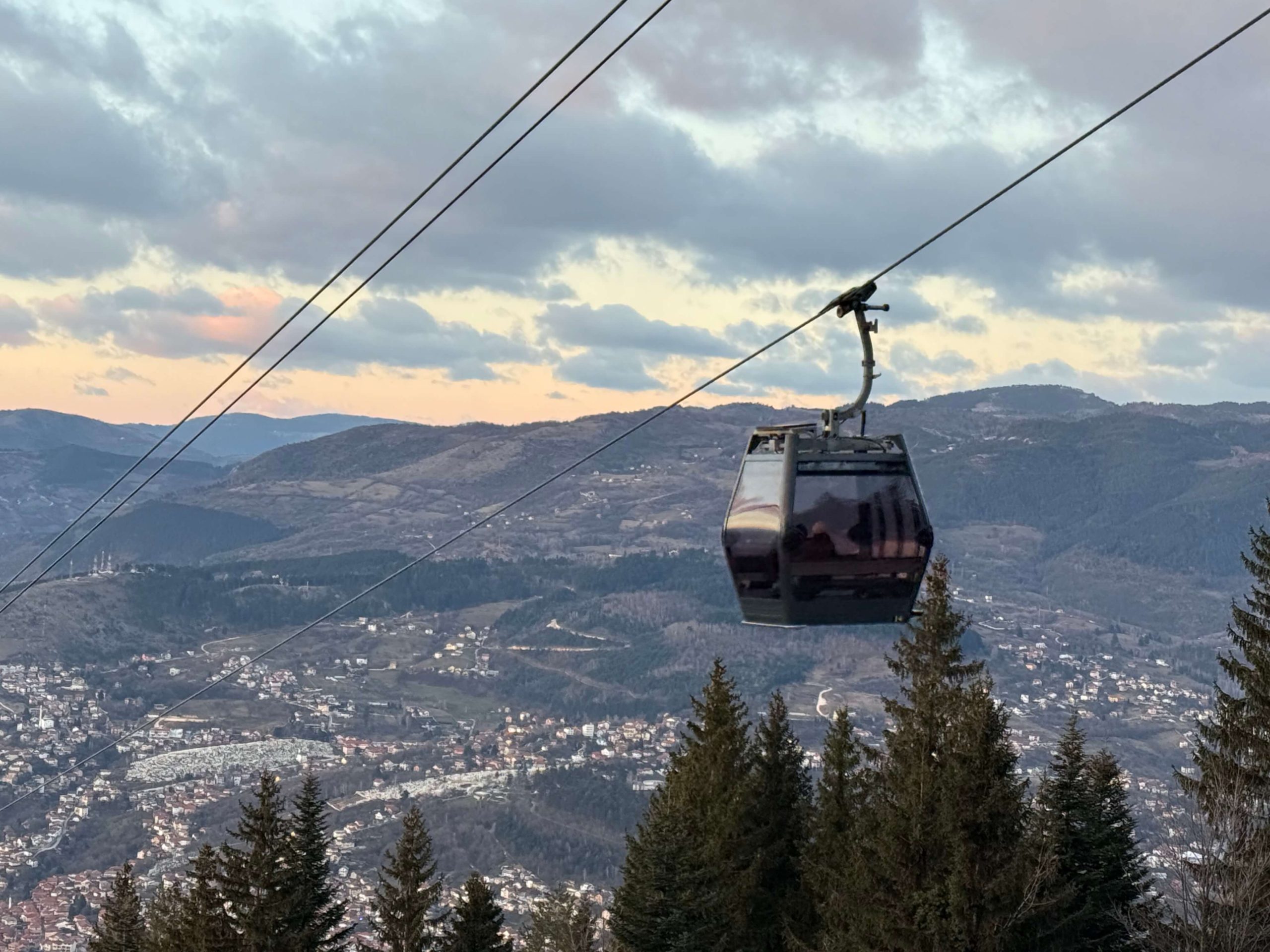
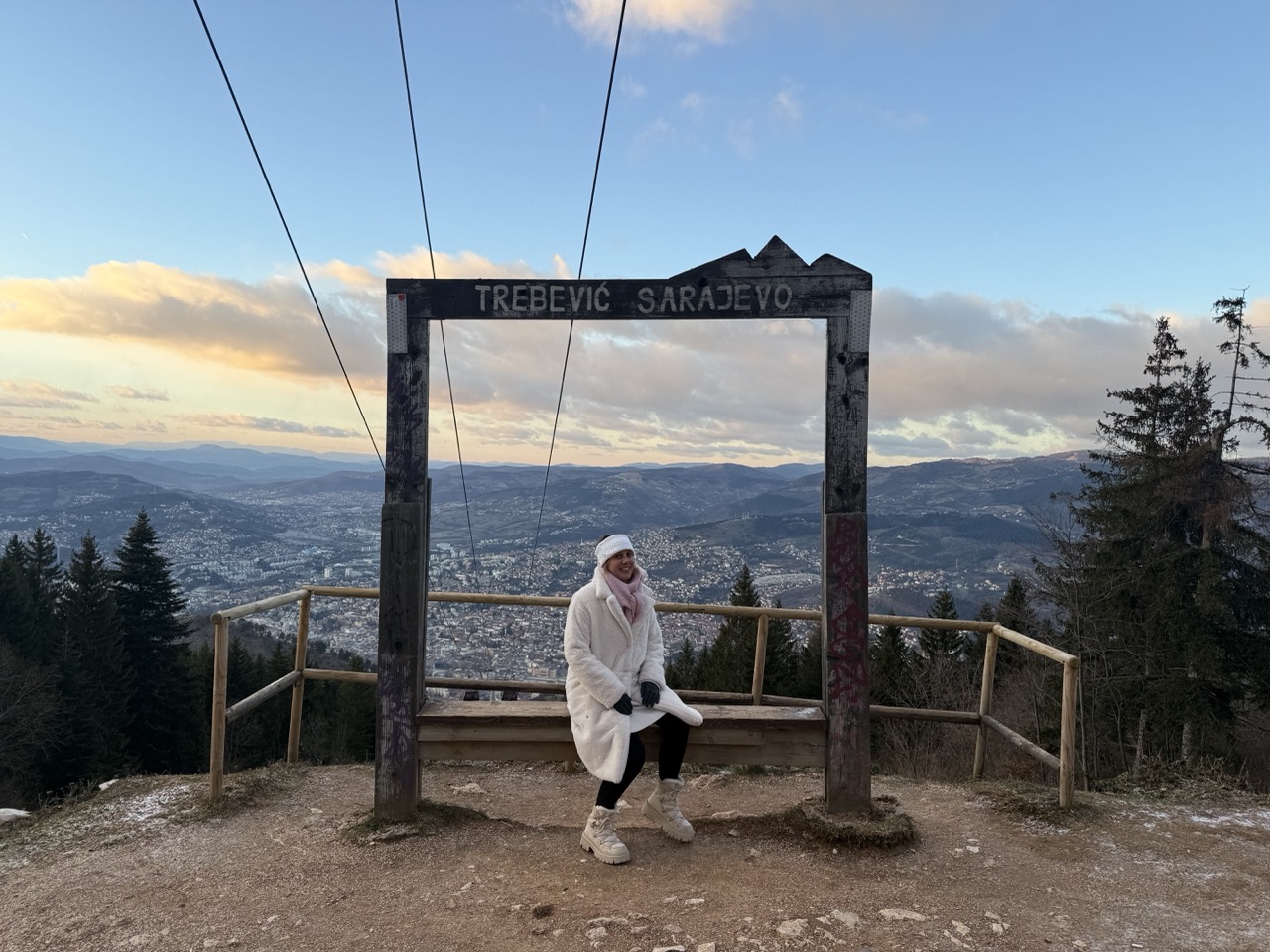
Finally, for the best views, you must visit the Trebević Cable Car (often called Uspinjača by locals). This is a modern marvel that takes you high above the city to Mount Trebević, offering breathtaking panoramic views.
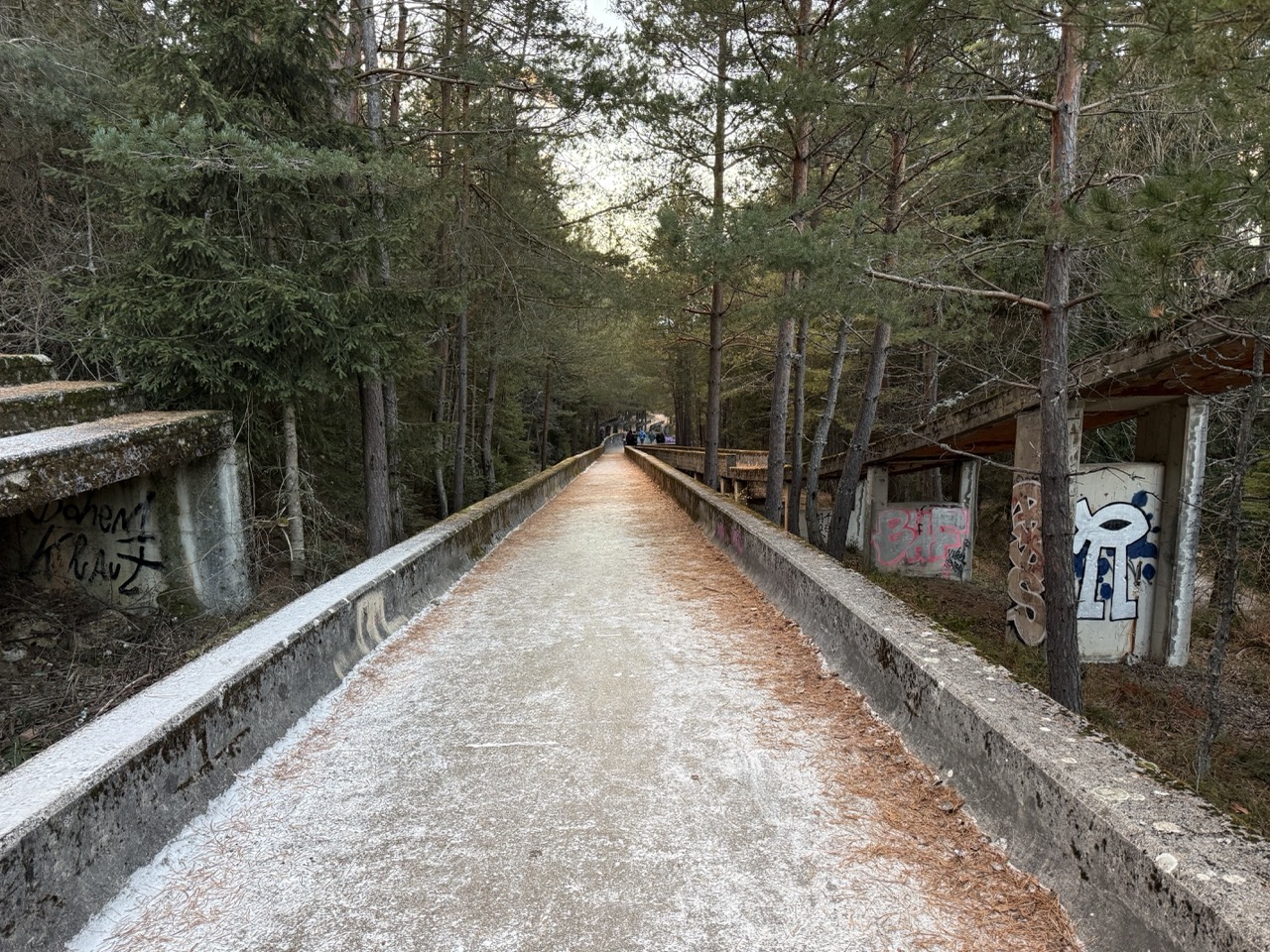
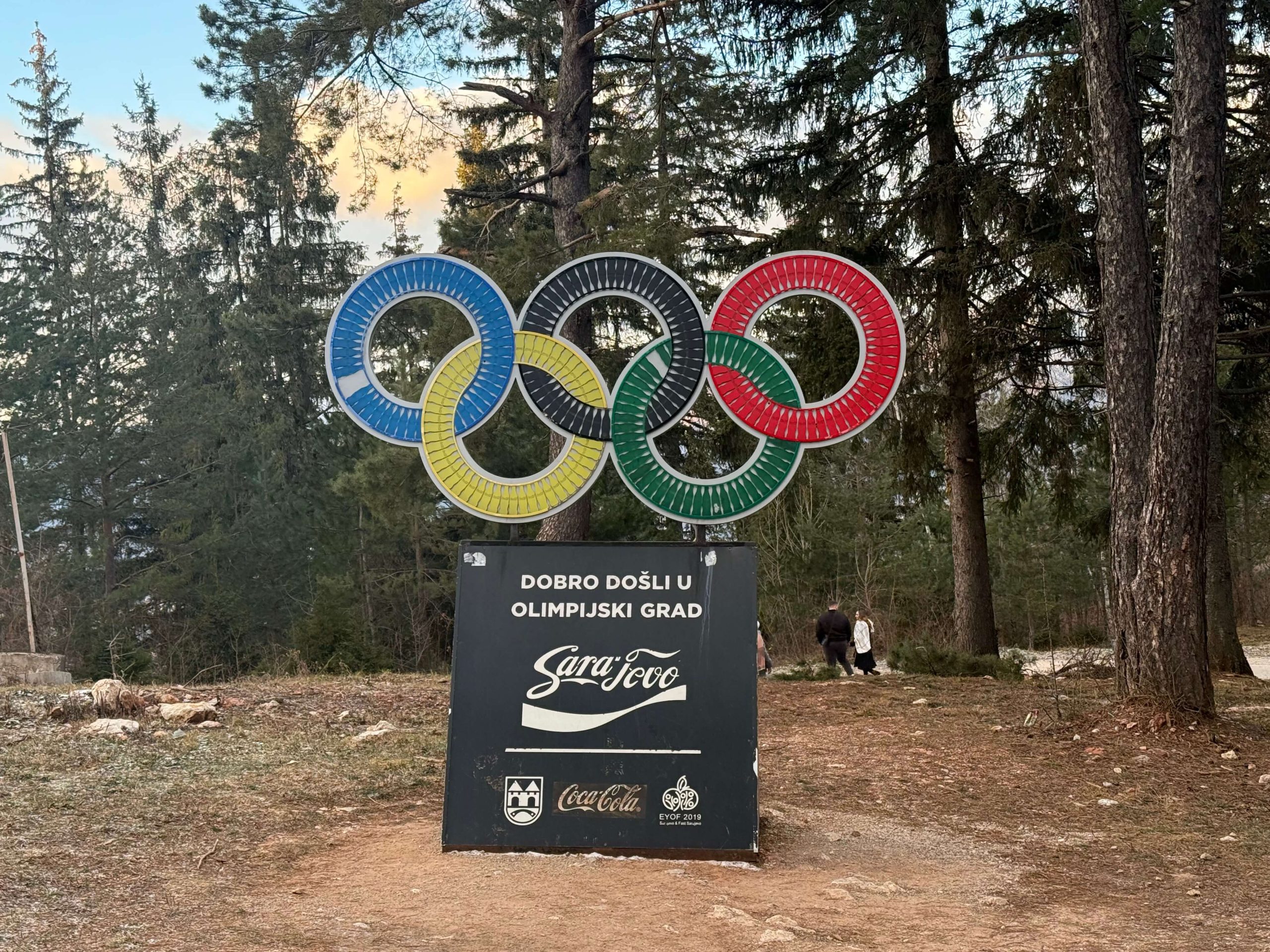
At the top, you can not only enjoy the scenery but also explore the abandoned Olympic Bob Sled Track from the 1984 Winter Olympics.
It’s a fascinating, slightly eerie walk through a piece of Olympic history, now reclaimed by nature and street art.
A return ticket for adults on the Trebević Cable Car is 30 BAM (Bosnian Convertible Marks), which is approximately €15.50. It’s an absolute must-do for any visitor.
Evening Charm: Sarajevo City Lights and a Farewell Dinner
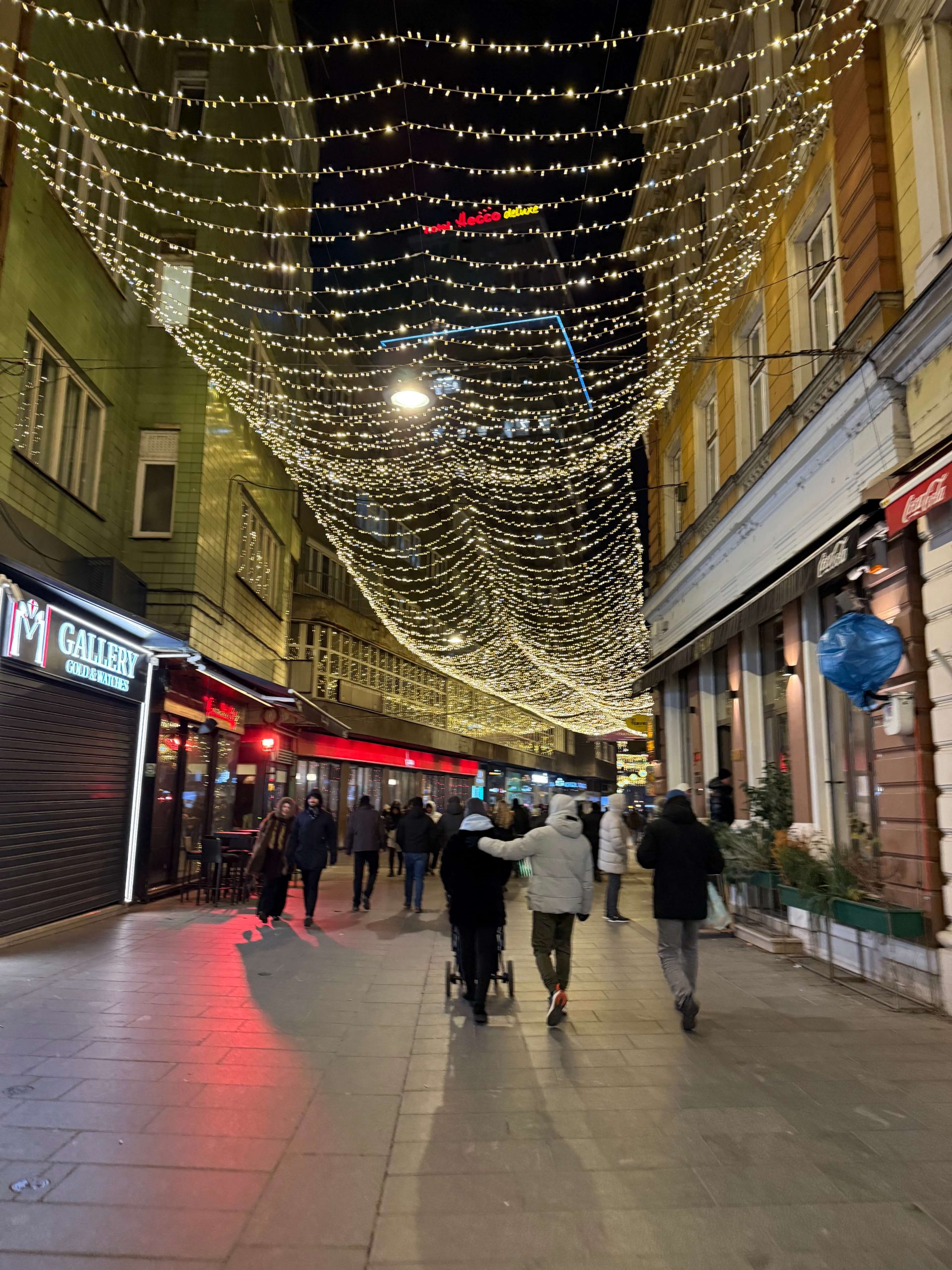
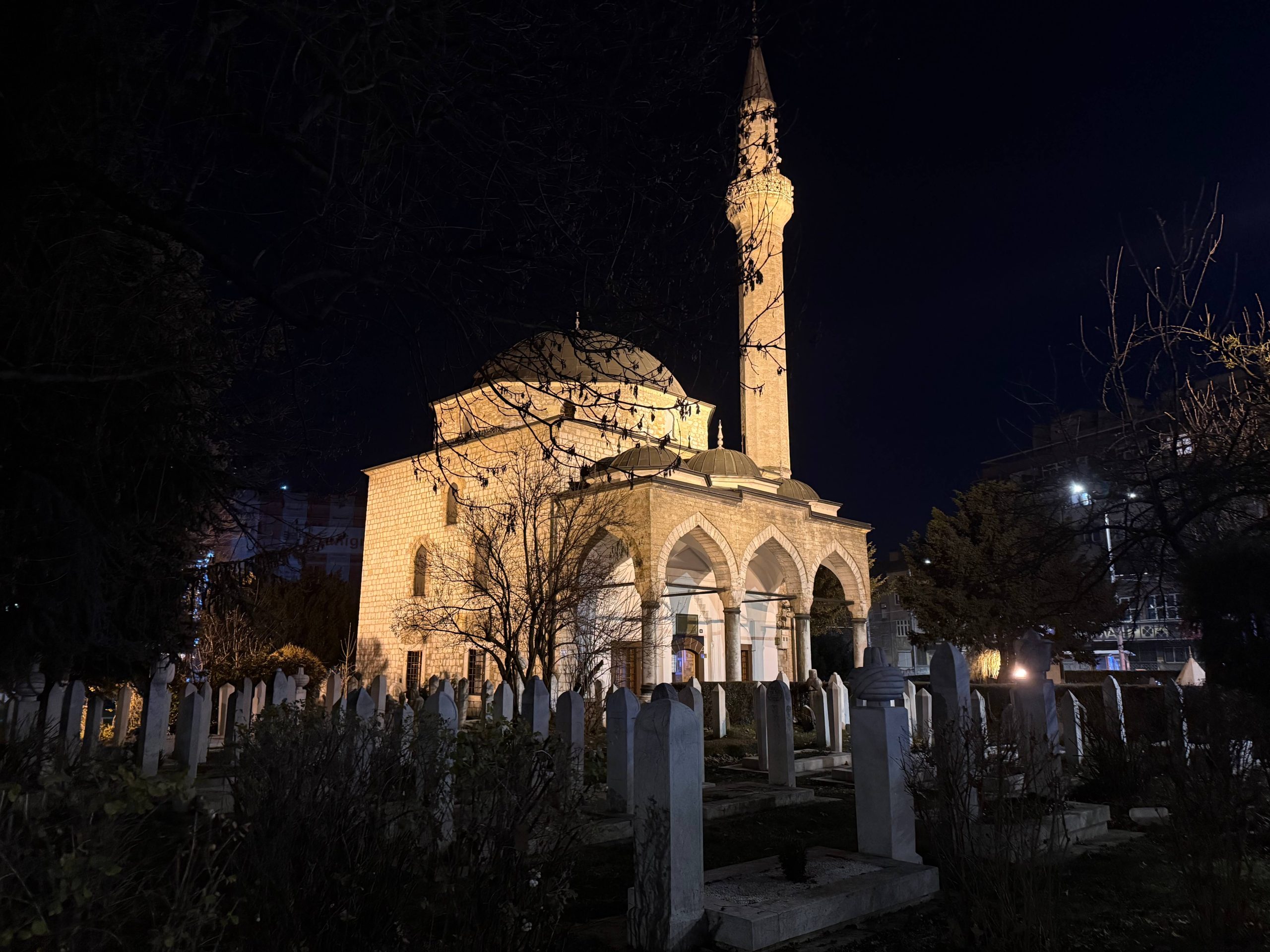
As the sun sets, the city transforms. The lights of the mosques, churches, and synagogues illuminate the valley, creating a magical atmosphere. Take a leisurely stroll back through the Baščaršija.
For a perfect end to your day, find a cozy spot for dinner. And before you leave the Old Town, make sure to stop by Kafić Zlatna Ribica (The Goldfish Café). This place is a true institution—it’s quirky, filled with antiques, and has a unique, intimate charm. It’s the perfect spot for a pre-dinner drink or a final Bosnian coffee.
Is Sarajevo Worth Visiting?
Absolutely, yes. Sarajevo is more than just a beautiful city; it’s an experience. It offers a rare opportunity to witness a vibrant, modern culture thriving amidst centuries of history and recent conflict. The people are incredibly warm, the food is delicious, and the atmosphere is unlike anywhere else in Europe.
Is One Day in Sarajevo Enough?
While you can certainly cover the main historical and cultural highlights in a single, well-planned day, I would be lying if I said one day is truly enough. I’ve been here three times, and I still find new things to explore! One day will give you a fantastic taste, but I highly recommend staying for at least two or three days to truly appreciate the museums, the surrounding nature, and the relaxed pace of life.
A Brief Story Behind Sarajevo’s Old Town
The history of the Baščaršija, the Old Town, dates back to the 15th century when the Ottoman governor Isa-Beg Ishaković founded the city. The name Baščaršija comes from the Turkish words “baş” (head, main) and “çarşı” (bazaar), meaning “main bazaar.“
At its peak, the bazaar had dozens of streets, each dedicated to a different craft, from coppersmiths and goldsmiths to shoemakers and tailors. Although much of it was destroyed by fires and wars, the spirit of the old bazaar remains, particularly in the Kazandžiluk (Coppersmith Street).
Do People Still Live in the Historic Core?
Yes, they do! One of the things that makes Sarajevo’s Old Town so special is that it is not a museum piece. It is a living, breathing neighborhood. You will see laundry hanging from balconies, children playing in the courtyards, and locals going about their daily lives. This continuous residential presence contributes to the authentic, vibrant energy of the Baščaršija.
One-Day Sarajevo Itinerary: The Best Things to Do
Here is a more detailed breakdown of your perfect one-day itinerary.
Start Your Day in Baščaršija
Kick off your day at the Sebilj fountain. From there, wander the narrow, cobblestone streets. Don’t miss the Kazandžiluk (Coppersmith Street), where you can watch artisans hammering copper items, a tradition that has lasted for centuries. This is the perfect place to pick up a unique souvenir, like a traditional Bosnian coffee set.
Step Inside a Few Landmarks: Gazi Husrev-begova džamija and Bezistan
The Baščaršija is home to some stunning historical buildings.
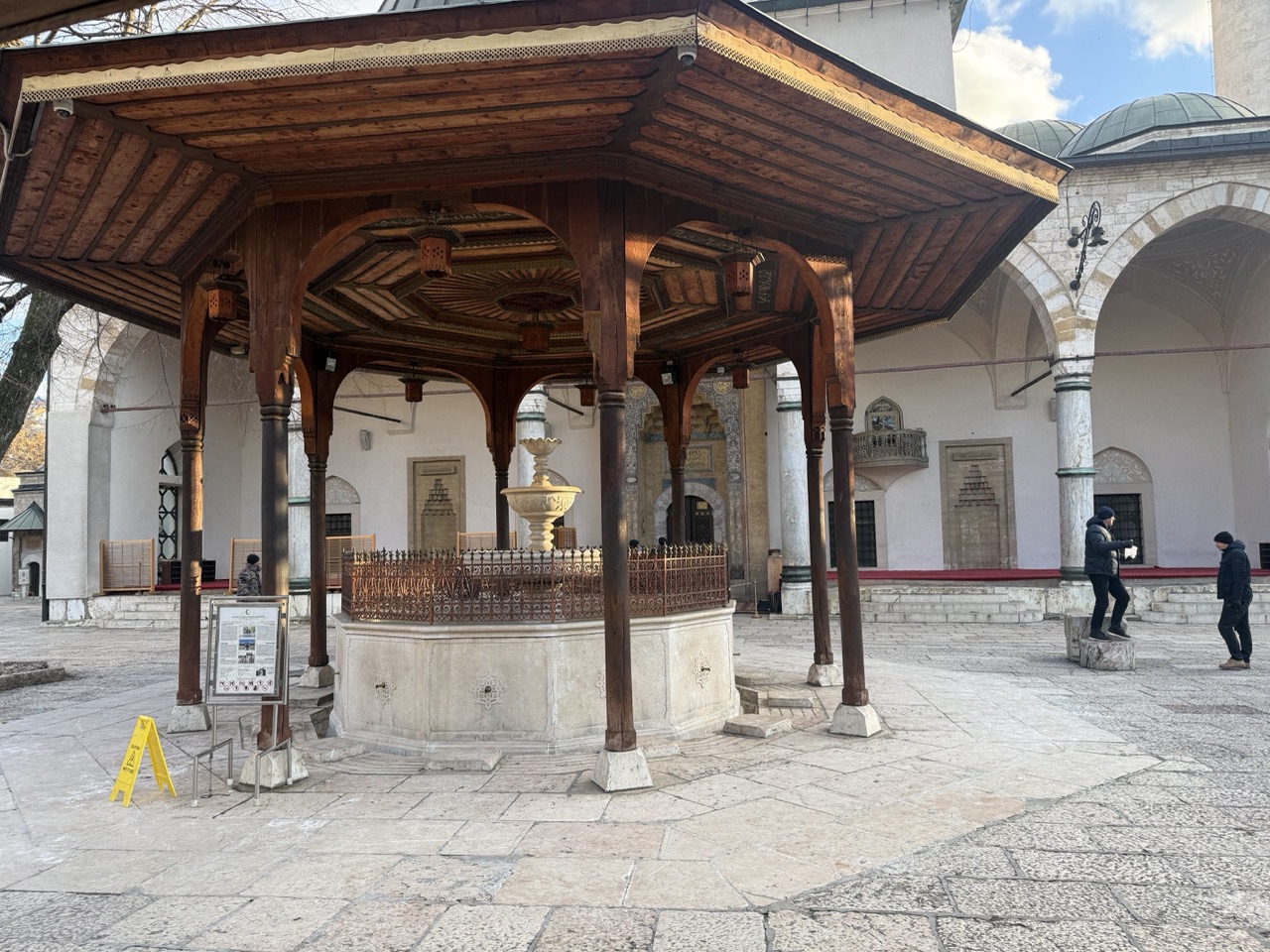
The Gazi Husrev-begova džamija is the largest and most important historical mosque in Bosnia and Herzegovina.
Built in the 16th century, its beautiful Ottoman architecture is a must-see. Visitors are welcome outside of prayer times, but remember to dress respectfully. Right next to the mosque, you’ll find the Gazi Husrev-begov Bezistan, a covered market that still functions as a bustling shopping area today. It’s a great place to find textiles, jewelry, and other goods.
Places of Interest in Baščaršija
- Sebilj: The iconic wooden fountain.
- Kazandžiluk (Coppersmith Street): For traditional crafts.
- Morića Han: The only preserved Ottoman-era caravan-sarai (inn) in Sarajevo, now housing restaurants and shops.
- Old Orthodox Church (St. Michael and Gabriel): One of the oldest religious buildings in the city, showcasing the city’s religious diversity.
Continue to Ferhadija and the Austro-Hungarian Quarter
As you walk west from the Baščaršija, you will cross the “Meeting of Cultures” marker on Ferhadija Street. This is the invisible line where the Ottoman style abruptly gives way to the grand, orderly architecture of the Austro-Hungarian Empire. The change is so sudden and dramatic, it’s one of the most unique photo opportunities in Europe.
The Ferhadija pedestrian street is a lively hub, lined with modern shops, cafés, and restaurants.
After walking along Ferhadija and crossing the ‘Meeting of Cultures’ point, it’s worth stopping at one spot that locals see as a true symbol of the city.”
The Eternal Flame (Vječna Vatra) is located right in the city center and is one of Sarajevo’s most recognizable landmarks.
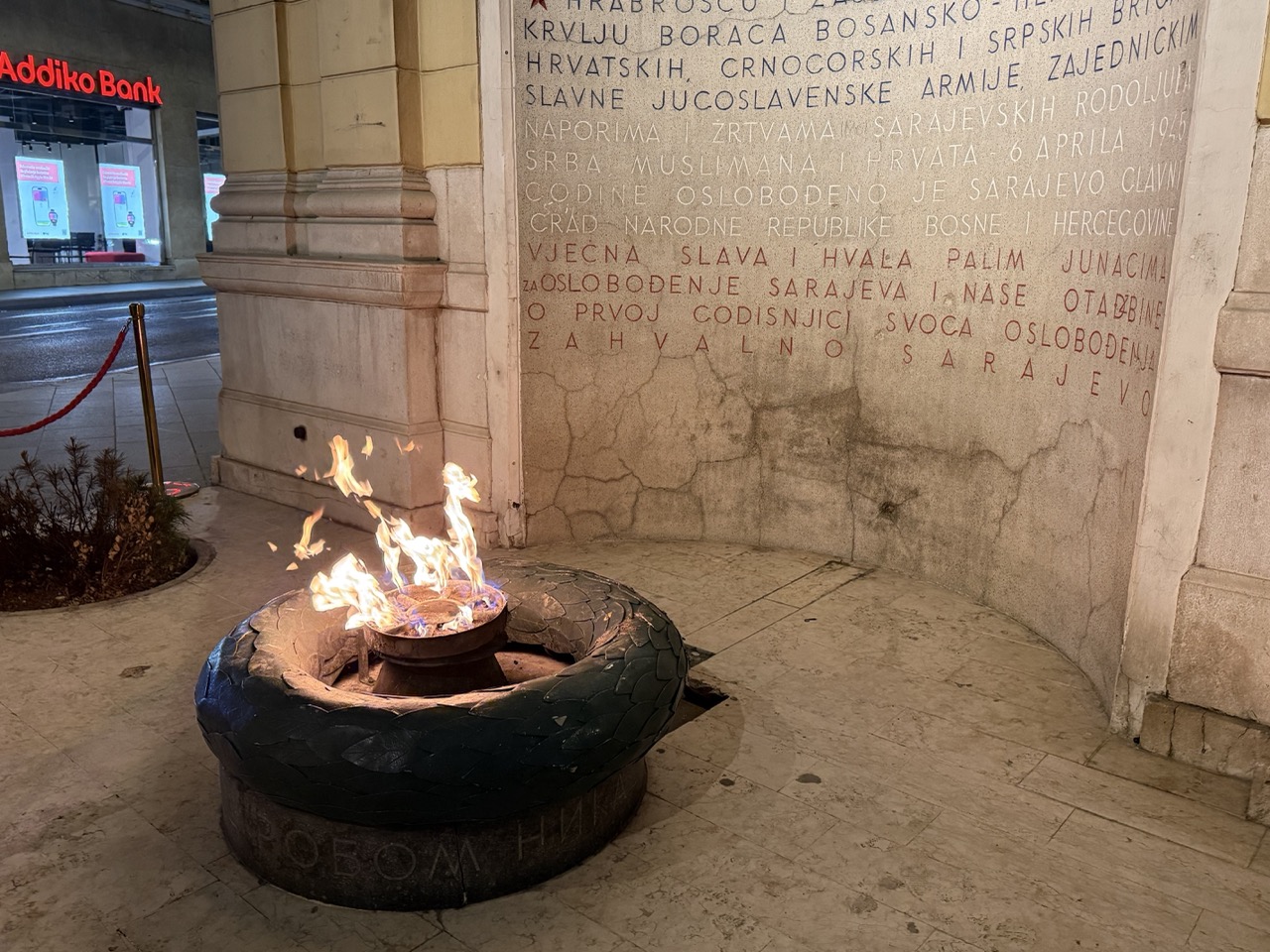
It’s a memorial dedicated to the civilian and military victims of World War II, and the constantly burning flame serves as a quiet reminder of how much the city has endured. You don’t need a lot of time here — just a few minutes to pause, read the inscription, take in the atmosphere, and then continue your walk through Ferhadija with a little more perspective.
Places of Interest Around Ferhadija
- Eternal Flame (Vječna Vatra): A memorial to the military and civilian victims of World War II, located on the main street.
- Sarajevo Cathedral (Cathedral of Jesus’ Heart): A beautiful example of Gothic Revival architecture, a testament to the city’s Catholic heritage.
- Sarajevo Synagogue: Located near the Latin Bridge, this building is a powerful reminder of the city’s once-thriving Jewish community.
Viewpoints of Sarajevo
Besides the Trebević Cable Car, there are a few other fantastic spots to get a bird’s-eye view of the city:
- Žuta Tabija (Yellow Fortress): A former defensive structure that offers one of the most popular sunset views over the city and the surrounding hills.
- Bijela Tabija (White Fortress): Located further up, offering an even more expansive view, though it requires a slightly longer walk.
Try a Typical Sarajevo Bite: Ćevapi and Bosnian Coffee
Let’s talk food again, because it’s central to the Sarajevo experience.
The Ćevapi Debate
Everyone in Sarajevo has an opinion on where to find the best ćevapi, and I’m no different. Based on my many visits, I can confidently say that the top contenders are:
- Ćevabdžinica Hodžić: Often cited as the gold standard, known for its consistent quality and perfectly grilled meat.
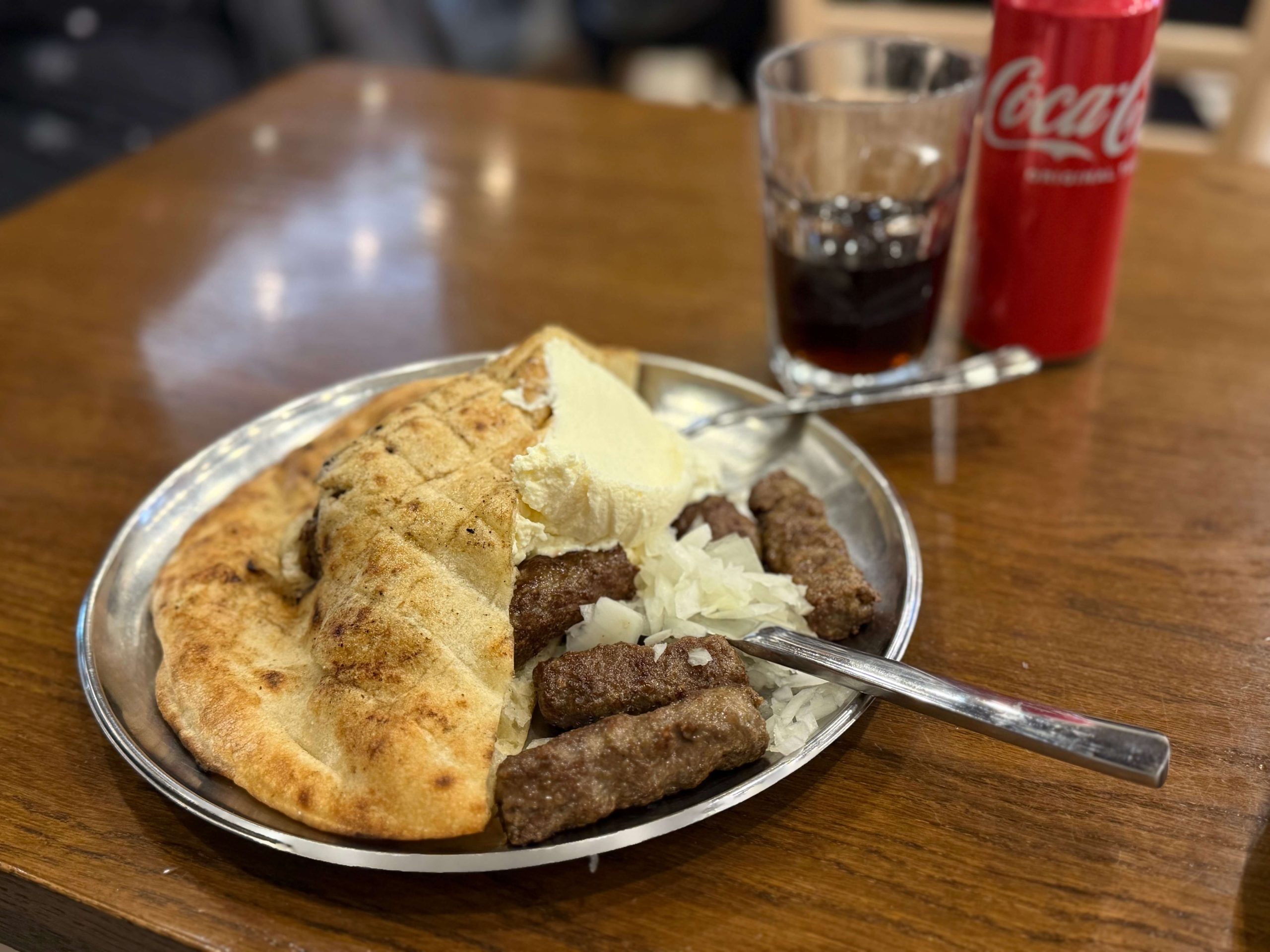
- Ćevabdžinica Petica: A strong rival, famous for its juicy ćevapi and excellent somun.
- Ćevabdžinica Mrkva: Another local favorite, known for its slightly fattier, flavorful meat and wood-fired somun.
You can’t go wrong with any of these three. My advice? Try them all if you have the time!
Bosnian Coffee
After your meal, you must indulge in the ritual of Bosnian coffee (Bosanska kafa). It’s not just a drink; it’s a cultural experience. It is prepared in a džezva (a small copper pot) and served with a rahat lokum (Turkish delight) and a cube of sugar. You don’t stir it; you dip the sugar cube into the coffee and then bite it, letting the sweetness melt with the strong, rich flavor of the coffee.
Where to Stay in Sarajevo?
For a one-day trip, I highly recommend staying as close to the Baščaršija as possible. This puts you within walking distance of all the major sights, restaurants, and the vibrant nightlife. There are numerous boutique hotels and apartments in the Old Town that offer an authentic experience. For those who prefer modern amenities and proximity to shopping, the area around the Sarajevo City Center (SCC) is a great choice, though it’s a bit further from the historic core.
Day Trips from Sarajevo and Guided Tours
If you decide to extend your stay, Sarajevo is a fantastic base for exploring the region.
Sarajevo on a Day Trip
The most popular day trips include:
- Mostar: Famous for its stunning Stari Most (Old Bridge), a UNESCO World Heritage site.
- Travnik: The former capital of the Ottoman governors, known for its colorful fortress and mosques.
- Vrelo Bosne: The beautiful natural park where the River Bosna originates, perfect for a relaxing afternoon.
Where to Eat in Sarajevo
Beyond the ćevapi spots, Sarajevo has a rich culinary scene that’s honestly easy to fall in love with. Look for aščinice (traditional Bosnian restaurants) where you can try proper home-cooked classics like Bosanski lonac (Bosnian pot stew), sarma (stuffed cabbage rolls), and different types of pita (sirnica, zeljanica, krompiruša… you get the idea). And if you want a place that feels like a “treat yourself” stop, one of the best choices in the city is Dveri — it’s the kind of restaurant where everything tastes like someone actually cared, not just cooked.
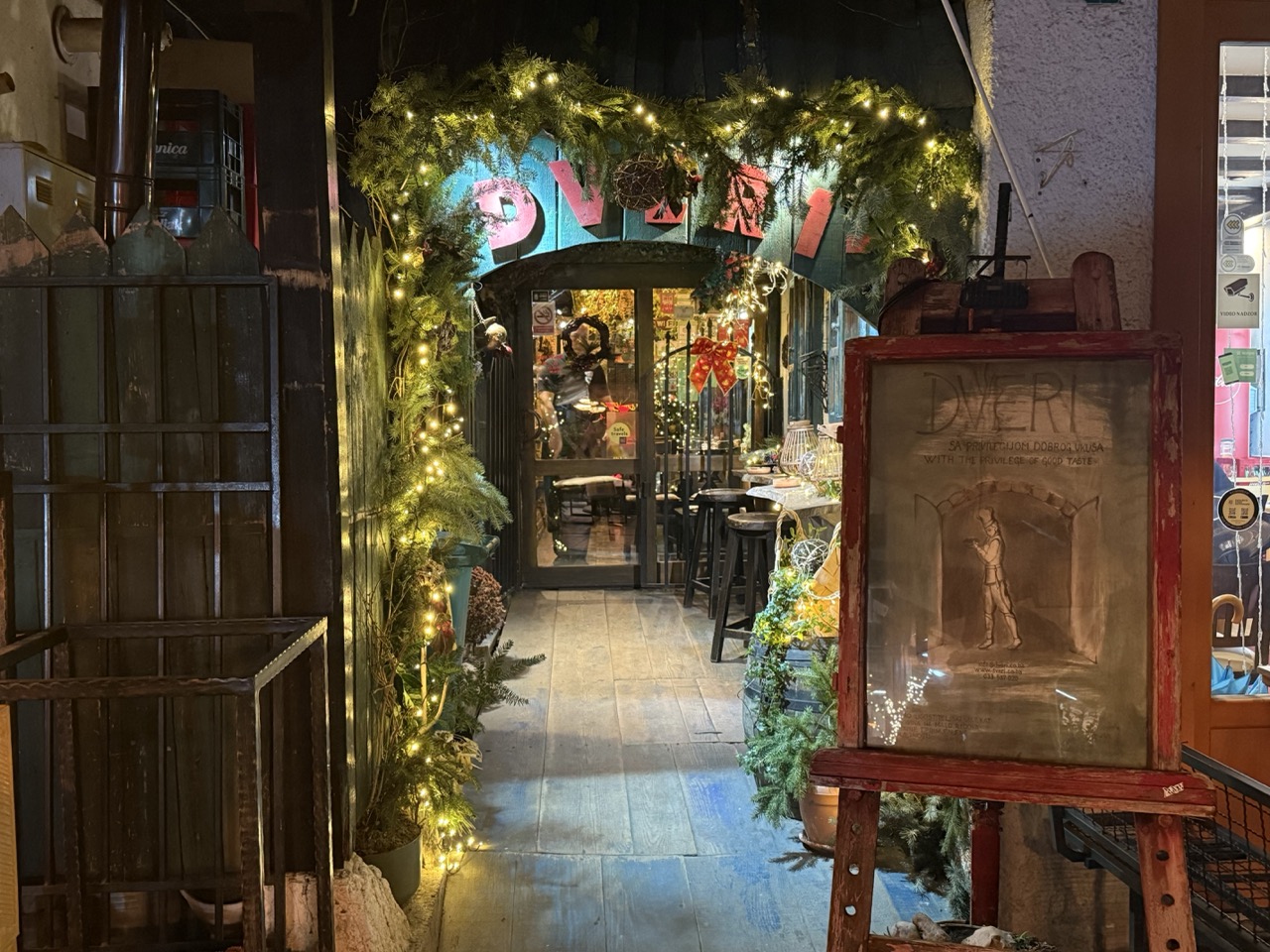
I still can’t get over how the tomato soup was sooo good, the kind that warms you up instantly and makes you slow down with every spoon.

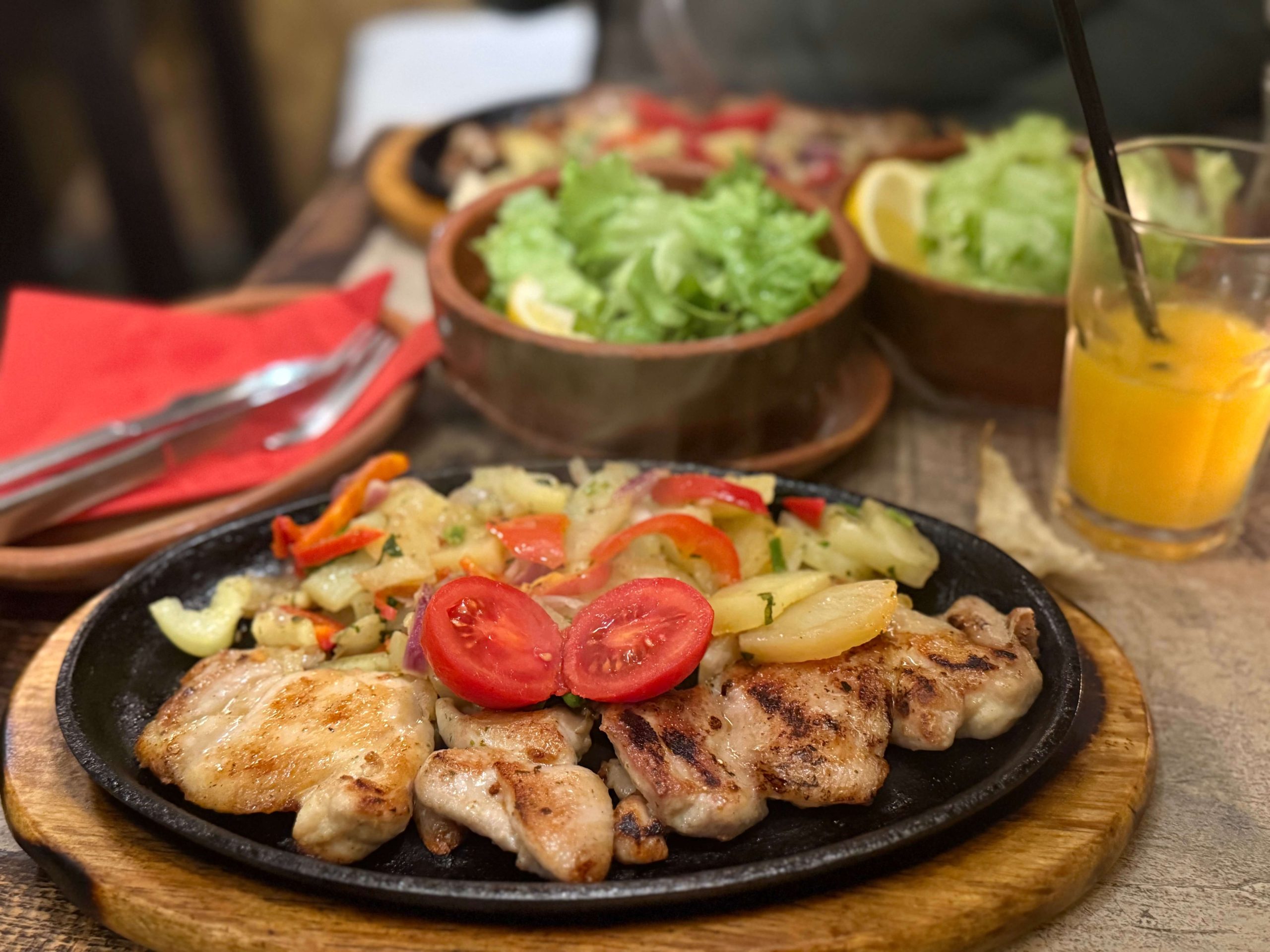
And the chicken with potatoes… it came to the table while it was still cooking on our plate — literally still sizzling and roasting in front of us, so the smell hit first and then it just kept getting better as you ate. If you’re building a food plan for Sarajevo, Dveri deserves a spot on it.
How to Get to Sarajevo
Getting to Sarajevo is part of the adventure, and I have a very personal perspective on this!
The Closest Airport to Sarajevo
The closest airport is Sarajevo International Airport (SJJ). It’s well-connected to many European cities and is only a short taxi or bus ride from the city center.
Driving to Sarajevo
I’ve driven to Sarajevo three times now, and each time I’ve come from Zadar, Croatia, in my own personal car. It’s a beautiful drive, and I highly recommend it if you enjoy road trips. The journey takes me about 7 hours, and that includes a few necessary breaks and, of course, a stop for some good ćevapi along the way! The roads are generally good, but be prepared for border crossings.
Public Transport in Sarajevo
Sarajevo has a decent public transport system, including trams and trolleybuses, which are great for getting around the newer parts of the city. However, the historic core is best explored on foot.
Parking in Sarajevo
A Crucial Warning: Read This Before You Park!
I have to share a very bad experience we had, and I want to make sure it doesn’t happen to you. Please be extremely careful if you are driving and parking your car in Sarajevo.
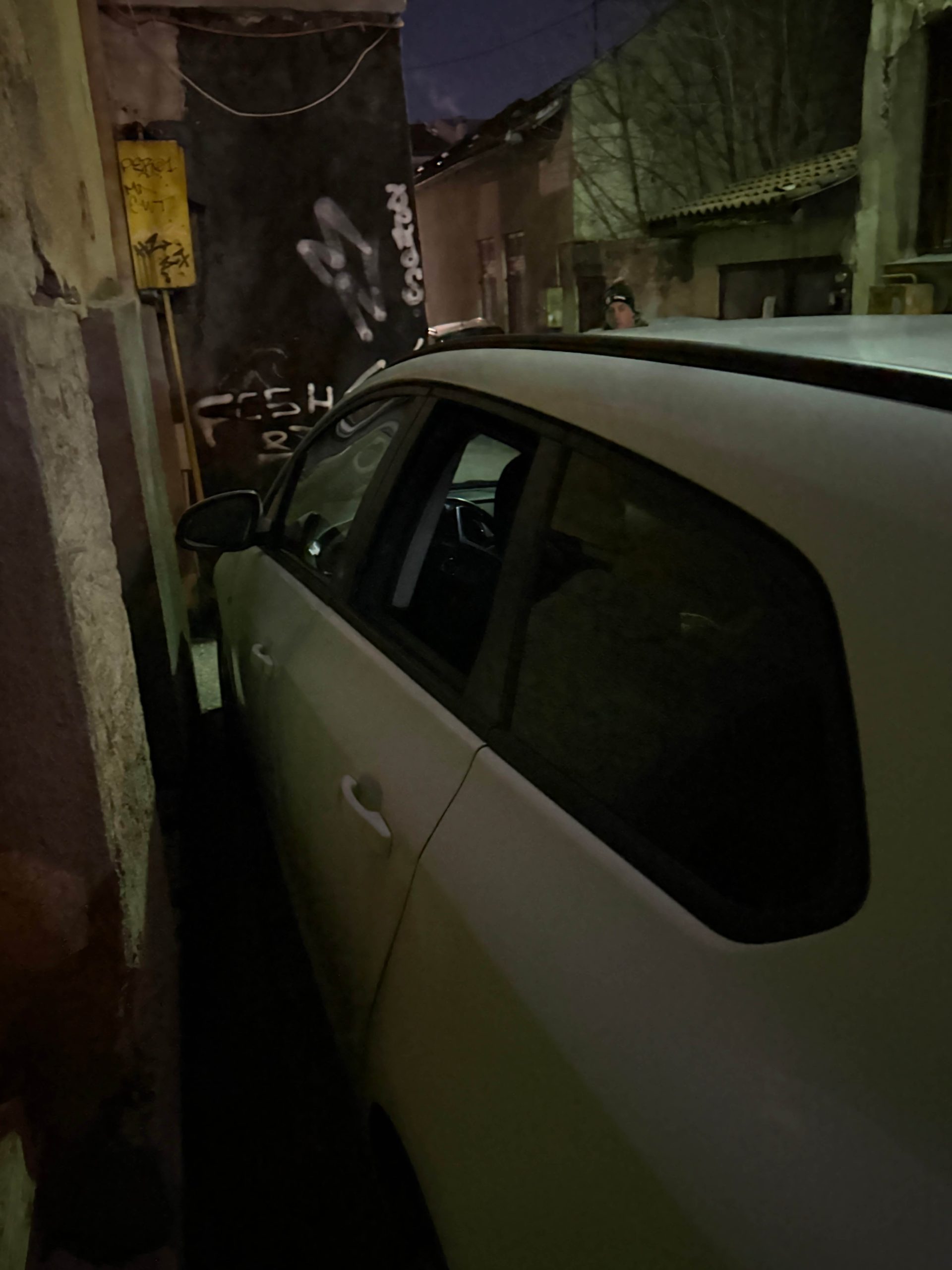
Be careful if you come by car! We briefly left our belongings in the car on the back seat while we went to the apartment to rest for a little while. When we returned, thieves had broken our window, broken into the car, and taken a lot of our things.
We reported it to the police, but unfortunately, they couldn’t do anything. The next day, on New Year’s Eve, we managed to get the glass replaced. Luckily, the man had a replacement in stock, though it wasn’t an original Opel part, just a used one. All in all, we were lucky to get it fixed so quickly, but the experience was terrible. Never leave anything visible in your car, even for a short time.
We recommend that you prefer to pay for parking in a garage!
Top Tips for Visiting Sarajevo
- Currency: The local currency is the Bosnian Convertible Mark (BAM). While some places accept Euros, you will get a much better rate and have an easier time if you use BAM.
- Language: The local language is Bosnian/Croatian/Serbian. English is widely spoken in tourist areas, but learning a few phrases like Hvala (Thank you) and Dobar dan (Good day) is always appreciated.
- Dress Code: When visiting religious sites like mosques or churches, dress respectfully. Shoulders and knees should be covered.
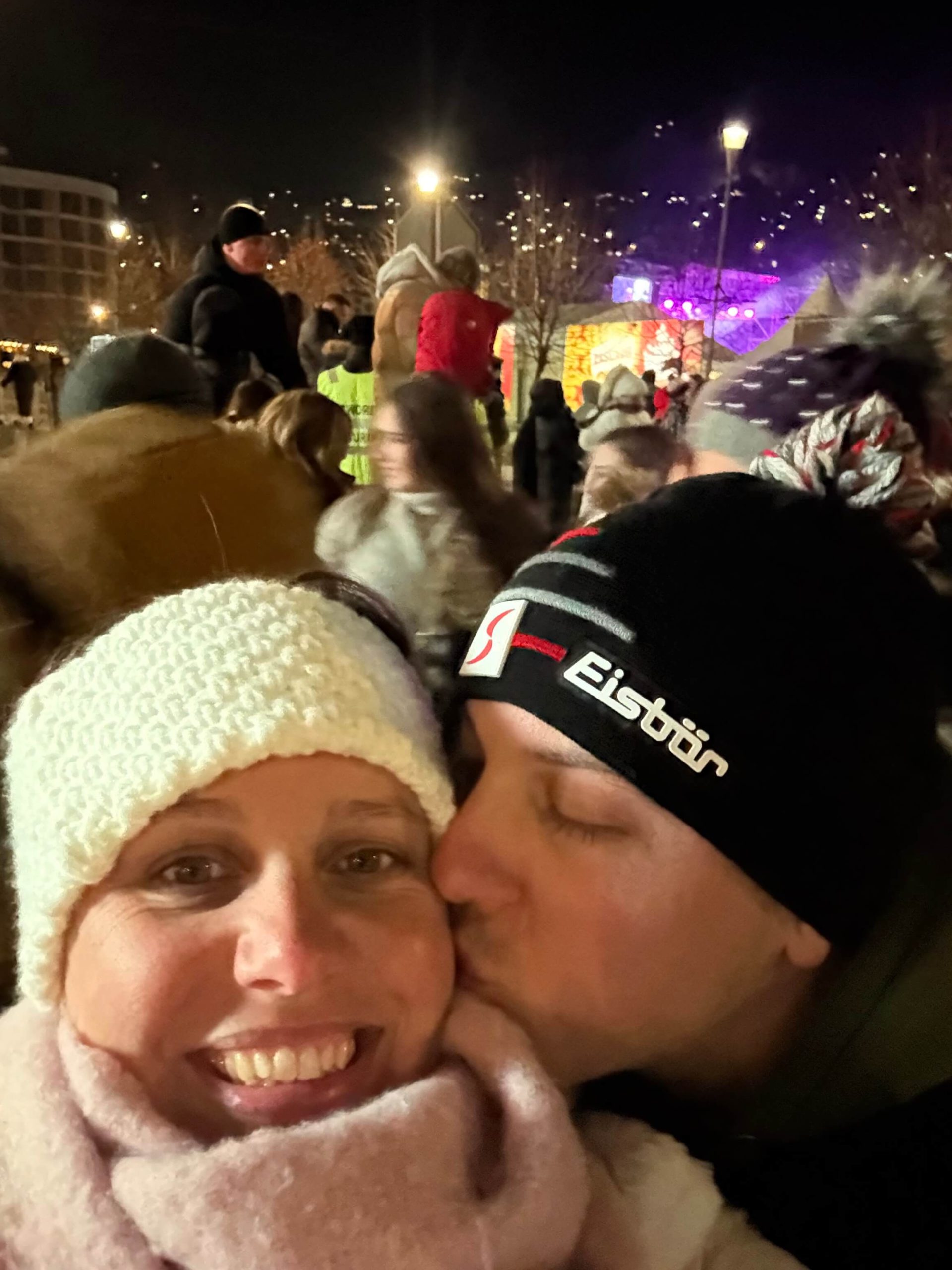
- The Cold: If you visit in winter, be prepared! We were there for New Year’s Eve, and it was a brutal -7 degrees Celsius. We had to wear three pairs of pants and three long-sleeved shirts just to stay warm!
My New Year’s Eve Story
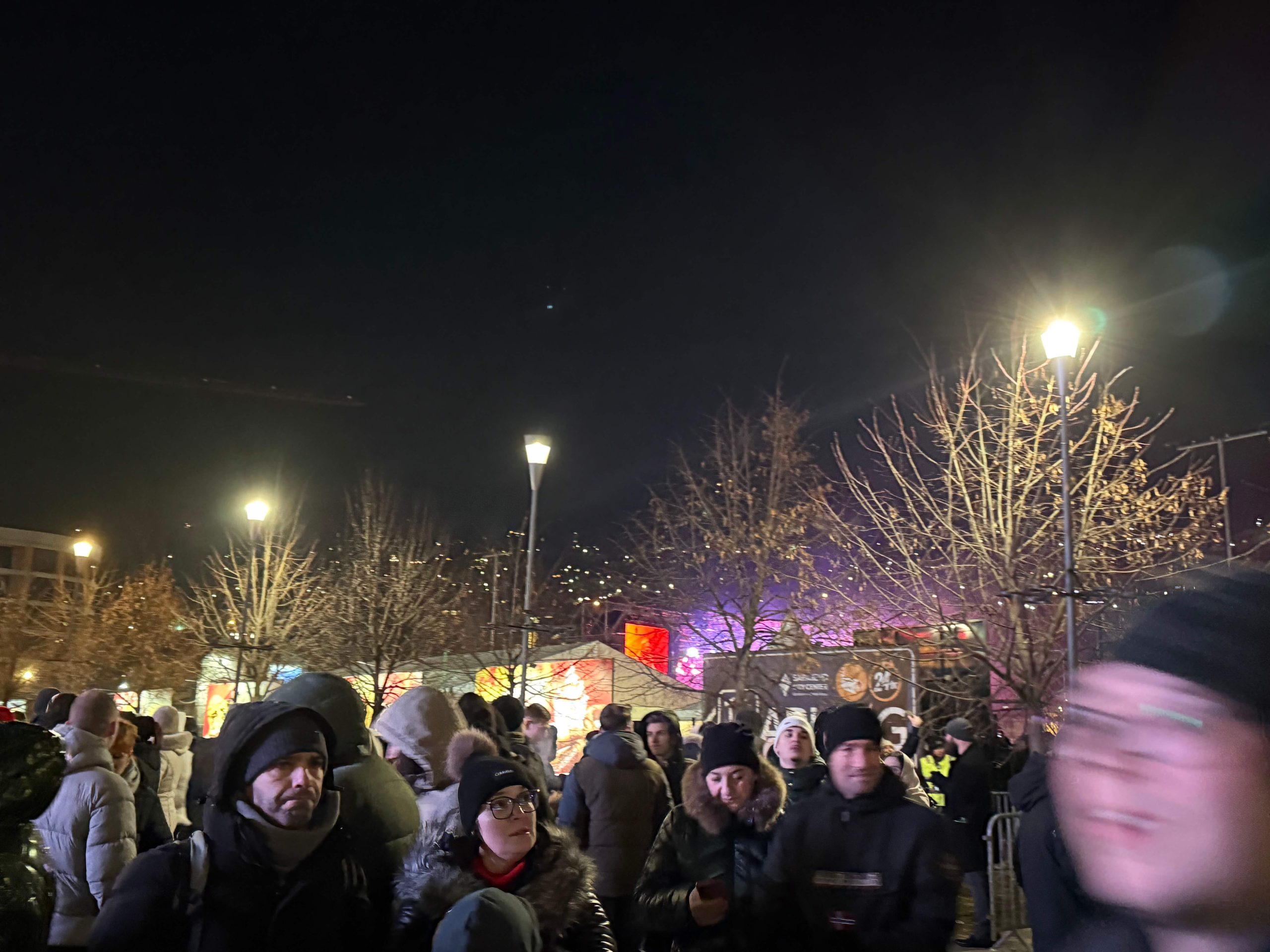
Speaking of the cold, our most recent New Year’s Eve celebration was… memorable. We decided to spend the night at the big public concert held in the parking lot behind the Sarajevo City Center (SCC).
The main performer was the fantastic Jelena Rozga. She put on a great show, but as the clock ticked closer to midnight, we were all waiting for the big countdown.
Unfortunately, in the excitement, she completely forgot to count down to 00:00h! It was a bit anticlimactic and, frankly, a little bit of a letdown after standing in the freezing cold for hours. But hey, it’s a funny story to tell now!
How Many Days in Sarajevo?
As I mentioned, while one day is a great start, I recommend a minimum of two to three days to truly absorb the city’s atmosphere, visit the museums (like the War Tunnel Museum), and take a trip up to Trebević without rushing.
The Best Time of the Year to Visit Sarajevo
Sarajevo is beautiful year-round, but each season offers a different experience:
|
Season
|
Experience
|
Notes
|
|
Spring (Apr-May)
|
Pleasant weather, blooming nature.
|
Ideal for walking and enjoying the Vrelo Bosne park.
|
|
Summer (Jun-Aug)
|
Warm and lively, many festivals.
|
Can be hot, but the city is buzzing with activity.
|
|
Autumn (Sep-Oct)
|
Crisp air, beautiful fall colors.
|
Perfect for hiking on Trebević and enjoying Bosnian coffee.
|
|
Winter (Nov-Mar)
|
Snowy, festive, and very cold.
|
Great for winter sports and a cozy atmosphere, but pack warm clothes!
|
Conclusion
Sarajevo is a city that will stay with you long after you leave. It’s a place of deep history, incredible beauty, and unparalleled warmth. Whether you’re driving in from Zadar, flying in for a quick visit, or spending a week exploring, the Seamless Journey to Sarajevo’s Historic Heart is one you will cherish. Just remember to watch your car, bundle up in winter, and never, ever skip the ćevapi! If you’re traveling with family, you might even consider bringing along boys’ bikes or ladies’ bikes for exploring the flatter parts of the city or the beautiful parks like Vrelo Bosne.