

Zadar
I’ve always been drawn to cities with a story, places where ancient walls whisper tales of centuries past.
Zadar, a gem on Croatia’s Dalmatian coast, is one of those places. Before I first visited, I’d heard mixed reviews. Some called it a quieter, less glamorous version of Split or Dubrovnik.
But I’m here to tell you, Zadar has a magic all its own, a unique blend of ancient history and modern artistry that completely captivated me.
It’s the oldest continuously inhabited city in Croatia, with a history stretching back over 3,000 years, and you feel that weight of time in the polished limestone streets under your feet.
Nestled on the Adriatic, Zadar is home to around 75,000 people. It’s a city that has been shaped by Romans, Venetians, and countless others, creating a rich tapestry of culture and architecture.

But what truly sets Zadar apart for me isn’t just its impressive Roman Forum or its medieval churches. It’s the city’s incredible resilience and creativity.
It’s home to two of the most unique art installations in the world: the Sea Organ and the Greeting to the Sun. These aren’t just attractions; they’re experiences that connect you to the city and the sea in a profound way.
This guide is my personal take on how to spend one perfect day in Zadar, a city that, in my opinion, is Croatia’s new capital of cool.
Morning: A Journey Through Time in the Old Town
There’s no better way to start a day in Zadar than by immersing yourself in the heart of its Old Town.
The entire peninsula is a maze of marble streets, ancient ruins, and medieval churches, all contained within historic fortified walls. It’s mostly pedestrianised, which makes it a joy to explore on foot.
I remember my first morning there, grabbing a coffee at a small café on the main street, Kalelarga. The aroma of freshly brewed coffee mixed with the salty sea air is a memory that has stayed with me.
The Roman Forum and St. Donatus Church
Your first stop should be the Roman Forum, the largest on the eastern side of the Adriatic.
It’s not a museum in the traditional sense; it’s an open-air collection of Roman ruins scattered across a vast square. I spent a good hour just wandering among the ancient columns and stones, imagining what life was like here two thousand years ago.
It’s a powerful experience to see children playing hide-and-seek among ruins that were once the center of Roman life in this region. It’s a testament to how Zadar lives and breathes its history.
Right next to the Forum stands the magnificent St. Donatus Church, a symbol of the city.

This pre-Romanesque church from the 9th century has a unique circular shape that immediately draws you in. I remember stepping inside and being struck by the sheer simplicity and grandeur of its interior.
The acoustics are incredible, and if you’re lucky, you might catch a concert here during the summer months. I wasn’t so fortunate, but a local told me it’s an experience that gives you goosebumps.
The entrance fee is a modest €5, and it’s worth every cent.
Climbing the Bell Tower of St. Anastasia’s Cathedral
Just a stone’s throw from St. Donatus is the Cathedral of St. Anastasia, another must-see.
While the cathedral itself is beautiful, the real highlight for me was climbing its bell tower. I have to admit, I’m a bit of a sucker for a good viewpoint, and the panoramic views from the top of this tower are simply breathtaking.
It’s a bit of a climb – 183 steps to be exact, or was it 184? I seem to remember losing count somewhere around the halfway mark!

But the effort is more than rewarded with a stunning 360-degree view of Zadar, the surrounding islands, and the endless blue of the Adriatic.
The entrance fee for the tower is about €4.00, and I’d recommend going in the morning to avoid the midday heat and the biggest crowds.
Afternoon: A Taste of Local Life and a Walk on the Riva
After a morning of historical exploration, it’s time to experience Zadar’s vibrant local life.
I love to wander off the main tourist paths, and in Zadar, that’s where you’ll find the real gems. The city’s market, located near the Old Town’s harbour, is a feast for the senses.
The vibrant colours of fresh fruit and vegetables, the chatter of local vendors, and the smell of freshly caught fish create an atmosphere that is quintessentially Dalmatian.
I bought some delicious local cheese and prosciutto here, which I later enjoyed for a simple but incredibly tasty lunch.
Where to Eat in Zadar?
For a more substantial lunch, I highly recommend exploring Zadar’s diverse dining scene. The city offers something for every palate and budget.
For Seafood Lovers: I stumbled upon Konoba Skoblar, one of the oldest in Zadar, and it was a fantastic experience. I had a delicious black risotto, a local specialty, and a glass of local white wine. The atmosphere was so welcoming and authentic, it felt like I was having lunch at a friend’s house.
Another excellent seafood option is Restaurant Bruschetta, known for its fresh fish and stunning harbour views.

For Meat Enthusiasts: If you’re craving meat dishes, Konoba Stomorica serves excellent grilled meats and traditional Dalmatian peka (slow-cooked dishes under a bell-shaped lid).
Restaurant Groppo is another fantastic choice, offering modern Croatian cuisine with a focus on local ingredients.
For Pizza Lovers: Pizzeria Dalmacija has been serving authentic wood-fired pizzas since 1961. It’s a local institution with a cozy atmosphere and reasonable prices.
For Traditional Croatian Cuisine: Konoba Zadar offers hearty traditional dishes in a rustic setting. Their lamb and veal dishes are particularly noteworthy.
For Fine Dining: Restaurant Foša, located right by the historic Land Gate, offers upscale dining with a beautiful terrace overlooking the harbour. It’s perfect for a special dinner.
| Attraction | Opening Hours | Ticket Price |
|---|---|---|
| St. Donatus Church | 9:00 AM – 5:00 PM | €5 |
| Bell Tower | 9:00 AM – 10:00 PM | €4 |
| Museum of Ancient Glass | 9:00 AM – 9:00 PM | €5 |
A Stroll Along the Riva
After lunch, there’s no better place to be than Zadar’s beautiful waterfront promenade, the Riva.
This is where the city truly comes alive. It’s a place for strolling, people-watching, and simply soaking up the relaxed Dalmatian atmosphere.
I spent a good hour just walking along the Riva, watching the ferries come and go, and listening to the gentle lapping of the waves. It’s a place that invites you to slow down and just be in the moment.
Evening: The Magic of the Sea Organ and the Greeting to the Sun
As evening approaches, it’s time to experience what makes Zadar truly unique.
This is when the city’s two most famous art installations, the Sea Organ and the Greeting to the Sun, come to life. I’d heard so much about them, but nothing could have prepared me for the actual experience.
It’s pure magic.

The Sea Organ: Music Played by the Sea
First, head to the Sea Organ, an architectural sound art object that plays music through the power of the waves.
Designed by local architect Nikola Bašić, it consists of a series of underwater tubes that create musical notes as the sea pushes air through them.
I found a spot on the marble steps, sat down, and just listened. The sound is hauntingly beautiful, a constantly changing melody that is both melancholic and hopeful.
It’s one of the most peaceful and moving experiences I’ve ever had. I remember closing my eyes and just letting the music wash over me. It’s a moment of pure connection with nature and art.
The Greeting to the Sun: A Symphony of Light
Right next to the Sea Organ is the Greeting to the Sun, another of Bašić’s creations.
This is a 22-meter diameter circle of 300 multi-layered glass plates that absorb solar energy during the day and come alive with a spectacular light show at night.
As the sun began to set, I watched in awe as the circle transformed into a vibrant, pulsating display of colours. It’s a truly immersive experience, and I loved how it brought people together.
Children were dancing on the lights, couples were taking photos, and everyone was just mesmerized by the show. It’s the perfect way to end a day in Zadar, a city that knows how to blend its ancient past with a vibrant, creative present.
Dinner with a View
For dinner, I wanted something special, a place with a great atmosphere and a view of the sea.
I chose Restaurant Foša, located right by the historic Land Gate. It’s a bit more upscale, but the food and the setting are absolutely worth it.

I had a delicious seafood platter with fresh, locally sourced ingredients. The restaurant has a beautiful terrace overlooking the harbour, and it was the perfect spot to reflect on my day in Zadar.
The combination of delicious food, a stunning view, and the gentle sea breeze was the perfect end to an unforgettable day.
What if I have more than one day in Zadar?
If you have more than one day in Zadar, you’re in for a treat!
The city is a great base for exploring the surrounding region. You could take a day trip to one of the nearby national parks, like Plitvice Lakes or Krka Waterfalls.
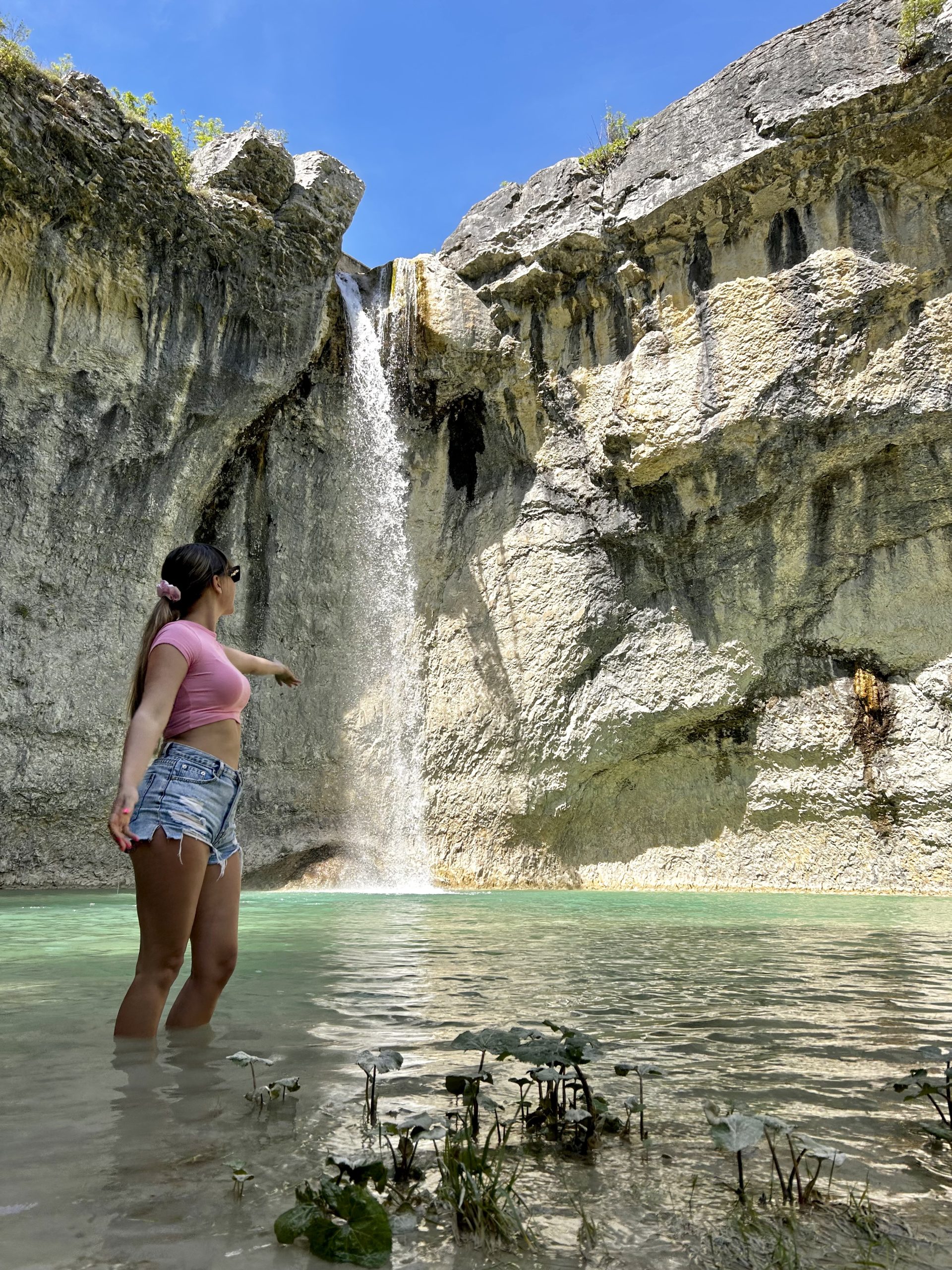
Or, you could explore some of the beautiful islands of the Zadar archipelago, like Ugljan or Dugi Otok. There are also plenty of charming coastal towns to discover, like Nin, with its famous Queen’s Beach.
Conclusion: Zadar, a City That Stays With You
My one day in Zadar was a whirlwind of ancient history, modern art, and unforgettable experiences.
It’s a city that surprised and delighted me in so many ways. From the hauntingly beautiful music of the Sea Organ to the vibrant colours of the Greeting to the Sun, Zadar is a city that engages all your senses.
It’s a place where you can wander through Roman ruins in the morning and listen to the sea play music in the evening. It’s a city that has a story to tell, and I feel so lucky to have had the chance to listen.
I left Zadar with a full heart and a promise to myself to return. I hope this guide inspires you to discover the magic of this incredible city for yourself.