
Budapest
Budapest has become something of a second home to us over the years. We’ve been here several times now, and each visit reveals something new about this magnificent city straddling the Danube. It’s not just a destination for us – it’s our gateway to the East.
Most of our flights to larger destinations towards Asia depart from Budapest, making it the perfect starting point for our adventures. But what began as a practical choice has evolved into genuine affection for this remarkable Hungarian capital.

Getting to Budapest from Croatia couldn’t be easier or more affordable. We drove our own car and used BlaBlaCar to fill the empty seats, which not only covered our petrol costs but actually left us with a small profit. It’s brilliant how you can turn a necessary journey into a money-making venture whilst meeting interesting fellow travellers along the way.
The drive itself is quite pleasant, taking you through some lovely countryside, and arriving with your own transport gives you the freedom to explore at your own pace.
The Tale of Two Cities: Buda and Pest United
Budapest is actually two cities merged into one, separated by the majestic Danube River. Buda, the hilly western side, houses the royal palace and offers commanding views over the city. Pest, the flatter eastern side, pulses with commercial energy and nightlife.

Together, they form a city of nearly 2 million people and serve as Hungary’s political, cultural, and economic heart. The city has been a crucial crossroads for centuries, sitting strategically in the Pannonian Basin on ancient trade routes. This rich history is evident everywhere you look, from Roman ruins to Ottoman baths to Austro-Hungarian grandeur.
Budapest is beautiful in every season, and I can say this with absolute certainty because I’ve experienced it all. I’ve wandered through the Christmas markets during Advent, marvelled at the spring blossoms along the Danube, and even braved the depths of winter. Each season brings its own magic to the city.

A Word of Warning: Budapest’s Bite Can Be Brutal
However, there’s something I must warn you about Budapest – it’s one of the coldest cities in Europe. When people first told me this, I honestly didn’t believe them. How cold could it really be? Well, let me tell you, when winter hits Budapest, it hits hard.

The temperatures can plummet well below freezing, and the wind whipping off the Danube can cut right through you. You absolutely must dress warmly if you’re visiting in winter. I learned this lesson the hard way during one particularly frigid February visit when I severely underestimated just how brutal the cold could be.
The city sits in a basin, which means cold air often gets trapped, creating those bone-chilling days that seem to freeze you from the inside out. But don’t let this deter you – just come prepared with proper winter clothing, and you’ll be able to enjoy all the city has to offer.
The Crown Jewel: Parliament by Night
If there’s one thing you absolutely must do in Budapest, it’s taking a night cruise along the Danube to see the Parliament building illuminated. This must be seen at night – I cannot stress this enough. During the day, the Parliament is impressive, but at night, it’s absolutely magical.

The building, completed in 1904, is a masterpiece of Gothic Revival architecture with 691 rooms and a dome that rises 96 metres into the sky. When it’s lit up against the dark sky, reflecting in the waters of the Danube, it’s one of the most breathtaking sights in Europe.
We’ve done this cruise multiple times, and it never gets old. The hour-long journey takes you past all of Budapest’s major landmarks – Buda Castle, the Chain Bridge, Gellért Hill – but the Parliament remains the undisputed star of the show. The way the golden lights dance on the water creates an almost dreamlike atmosphere that photographs simply cannot capture.

Most cruise companies offer evening departures with multilingual audio guides, and many include a complimentary drink. It’s worth booking in advance, especially during peak tourist seasons, as this is one of Budapest’s most popular attractions.
Fisherman’s Bastion: A Fairytale Fortress
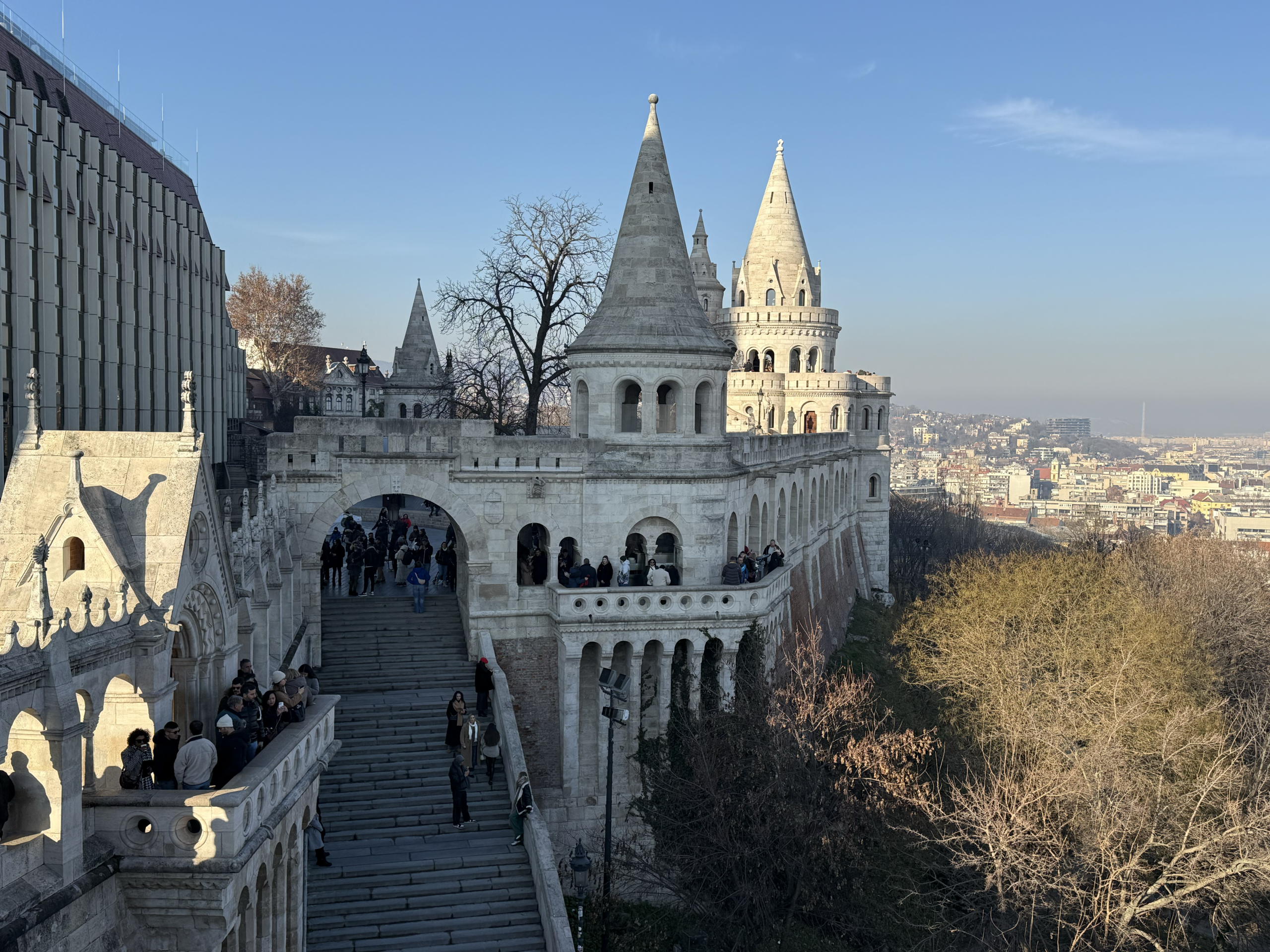
No visit to Budapest is complete without climbing up to the Fisherman’s Bastion on the Buda side. This neo-Gothic and neo-Romanesque terrace, built in the late 19th century, offers some of the most spectacular panoramic views in the city.
The seven towers represent the seven Magyar tribes that settled in the Carpathian Basin in 896 AD. From here, you can see the entire Pest side spread out before you, with the Parliament building taking centre stage across the river. We booked the ride through GetYourGuide for around 10 euros, which made the experience even more convenient. Our tour you can find here.
The bastion gets its name from the guild of fishermen who were responsible for defending this stretch of the city wall during the Middle Ages. Today, it’s a peaceful spot perfect for photography and quiet contemplation. The views are particularly stunning at sunset, when the golden light bathes the entire city in a warm glow.
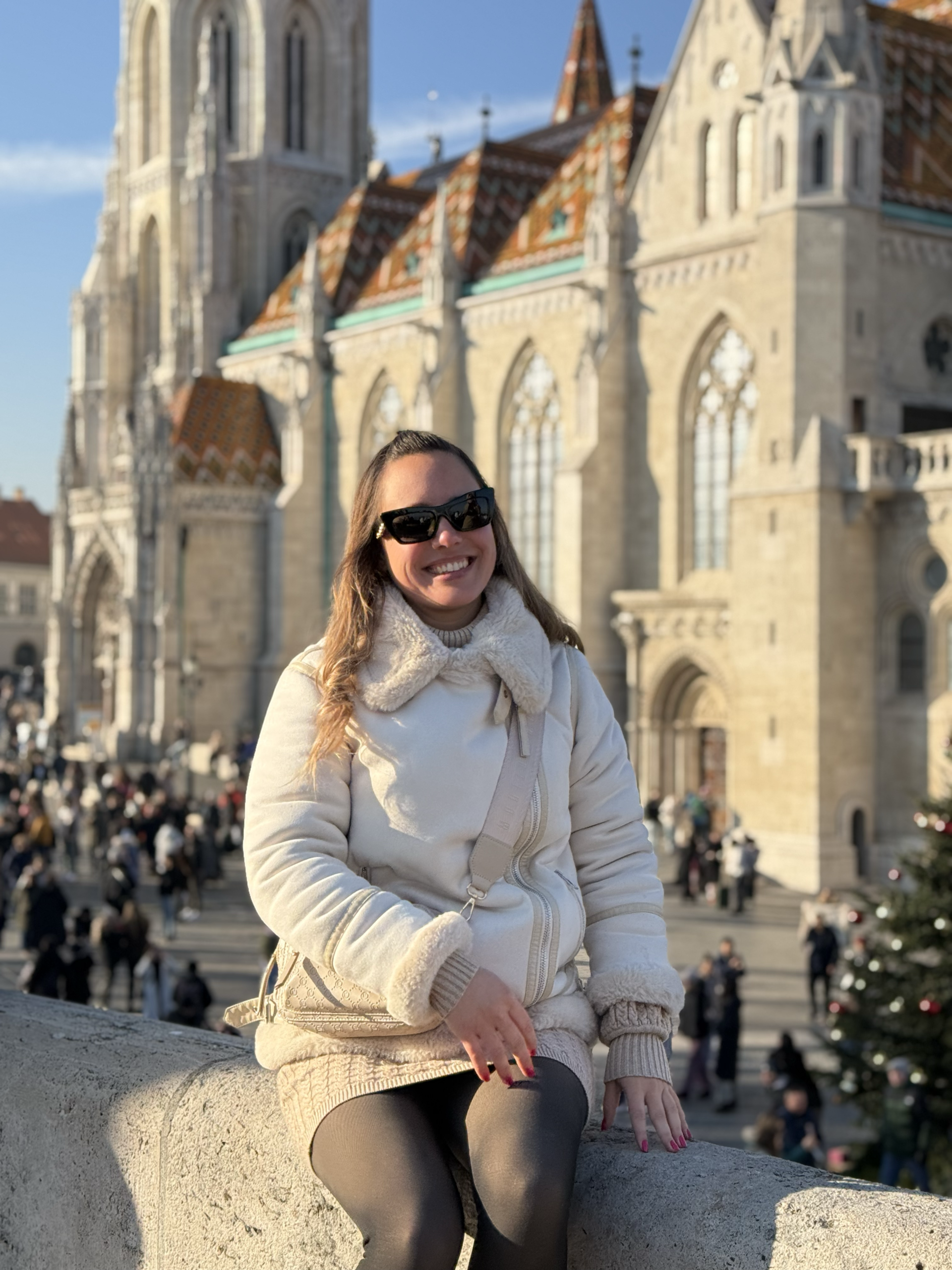
Right next to the Fisherman’s Bastion stands the beautiful Matthias Church, with its distinctive colourful tiled roof. The church has witnessed numerous royal coronations and is a masterpiece of Gothic architecture with some stunning Art Nouveau elements added during its 19th-century restoration.
Soaking in History: Budapest’s Thermal Bath Culture
Budapest sits on a network of natural hot springs, and the city’s thermal bath culture dates back to Roman times. The Ottomans further developed this tradition during their 150-year occupation, and today, Budapest boasts some of Europe’s most magnificent spa complexes.
Széchenyi Thermal Bath is the largest and most popular, featuring 15 indoor baths and 3 outdoor pools. It’s particularly magical in winter when you can soak in the steaming outdoor pools while snow falls around you. The sight of locals playing chess in the thermal waters has become an iconic Budapest image.
For a more elegant experience, Gellért Thermal Bath offers Art Nouveau splendour with its stunning mosaics and stained glass. Built in 1918, it’s considered the most beautiful of Budapest’s baths, though it tends to be quieter and more expensive than Széchenyi.
Both baths offer various pools at different temperatures, saunas, steam rooms, and massage services. It’s the perfect way to relax after a day of sightseeing, and the mineral-rich waters are said to have therapeutic properties.
Sweet Traditions: The Magic of Kürtőskalács
During Advent season, you absolutely must try Kürtőskalács – the famous Hungarian chimney cake. These spiral-shaped pastries are made from sweet dough, wrapped around a wooden cylinder, baked over hot coals, and rolled in sugar. The result is a crispy exterior with a soft, fluffy interior that’s absolutely irresistible.
I always order mine plain with just sugar – it’s sweet enough for me and allows you to truly taste the pastry itself. However, they can be filled with Nutella, jam, ice cream, or various other toppings, though I find these versions far too sweet for my liking. The traditional sugar coating provides just the right amount of sweetness without overwhelming the delicate flavour of the dough.
You’ll find Kürtőskalács vendors throughout the city during winter months, but they’re especially abundant around the Christmas markets. The aroma alone will draw you in – that combination of caramelised sugar and freshly baked dough is absolutely heavenly. Molnár’s Kürtőskalács is one of the most famous spots, offering both traditional and modern variations in a comfortable indoor setting.
Exploring the Castle District
The Buda Castle complex is a UNESCO World Heritage site that deserves several hours of exploration. The massive baroque palace houses the Hungarian National Gallery and the Budapest History Museum. The castle has been destroyed and rebuilt multiple times throughout history, with the current structure dating primarily from the 18th century.
The castle grounds offer numerous walking paths, gardens, and viewpoints. Don’t miss the Royal Wine House and Wine Cellar, where you can sample Hungarian wines in historic cellars that date back to the 12th century. The labyrinthine passages beneath the castle tell the story of Budapest’s turbulent past.
A Stroll Through Pest: The Heart of Modern Budapest
On the Pest side, Váci Street serves as the main pedestrian shopping thoroughfare, lined with cafes, restaurants, and shops. It’s perfect for people-watching and souvenir hunting. The street connects Vörösmarty Square with the Great Market Hall, creating a natural walking route through the city centre.

The Great Market Hall itself is a feast for the senses. Built in 1897, this covered market is the largest and oldest indoor market in Budapest. The ground floor features fresh produce, meats, and local specialities, while the upper level houses souvenir stalls and traditional Hungarian restaurants.
For a taste of Budapest’s café culture, head to one of the historic coffee houses like Café Gerbeaud or New York Café. These establishments have been serving coffee and pastries for over a century and offer a glimpse into the city’s intellectual and artistic heritage.
Why Budapest Keeps Calling Us Back?
Budapest is a city that reveals itself slowly, layer by layer, visit by visit. Each time we return, whether for a connecting flight or a dedicated holiday, we discover something new. It might be a hidden courtyard in the Castle District, a new thermal bath to try, or simply a different perspective on a familiar landmark.

The city’s unique position as a bridge between Western and Eastern Europe gives it a character unlike anywhere else. It’s sophisticated enough to satisfy the most discerning traveller, yet affordable enough to enjoy without breaking the bank. The combination of stunning architecture, rich history, thermal baths, and excellent cuisine makes it an ideal destination for a day trip or extended stay.
Whether you’re using Budapest as a gateway to Eastern adventures like we do, or visiting as a destination in its own right, this magnificent city will capture your heart. Just remember to pack warm clothes if you’re visiting in winter – trust me on this one. Embrace the cold, soak in the thermal baths, cruise the Danube at night, and let Budapest work its magic on you.