

Hi, I’m Miki. Malta is proof that a country doesn’t need to be big to be unforgettable. In an area smaller than many European cities you’ll find a Baroque UNESCO capital, temples older than Stonehenge and the pyramids, honey-coloured fortified towns and some of the clearest water in the Mediterranean. Add Gozo and Comino, and you have three islands that are perfect for planning one great day after another.
This Malta travel guide covers where to go, when to go, how to get around, what it really costs and what to eat. My one-day itineraries for Malta are on the way – until then, this page gives you everything you need to plan a perfect day on each island. Updated for 2027, including the new EU entry rules and Malta’s higher eco-contribution.
Why Malta should be on your list
- History everywhere – Valletta is a UNESCO World Heritage city, and Malta’s megalithic temples are among the oldest free-standing structures on Earth.
- Three islands, three moods – busy, urban Malta, rural and relaxed Gozo, and tiny Comino with its Blue Lagoon.
- Sea like glass – diving, snorkelling and swimming from rocks in water that’s clear far into autumn.
- Easy travel – EU and Schengen member, euro, English is an official language and flights are short from most of Europe.
- Compact distances – you can reach almost anywhere on the main island within an hour.
Malta region by region
The Maltese archipelago is small, but every corner has its own character. Here’s how I’d split it:
Valletta & the Grand Harbour
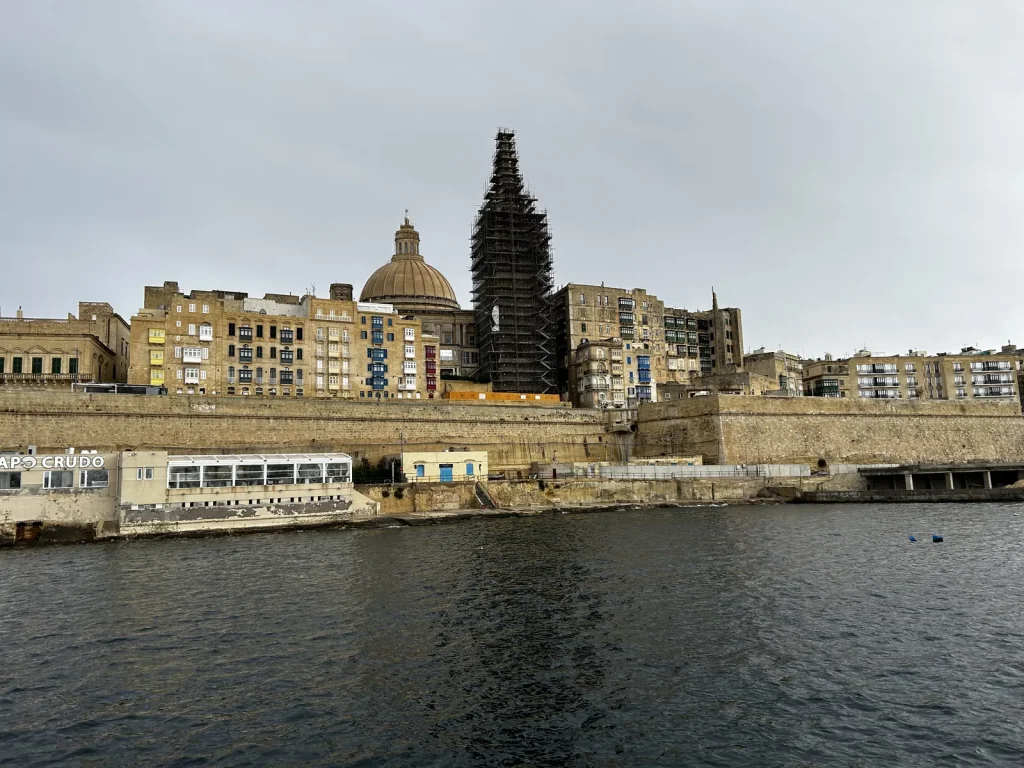
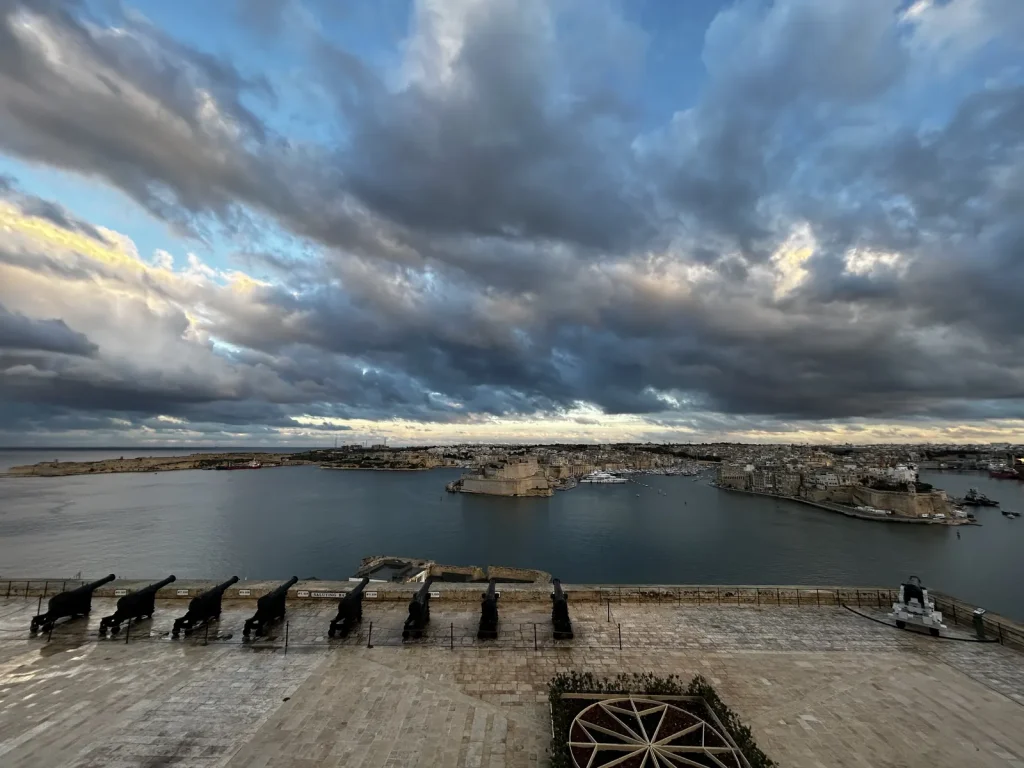
Malta’s capital was built by the Knights of St John and is packed into a narrow peninsula. Don’t miss St John’s Co-Cathedral (with Caravaggio’s Beheading of Saint John), the Upper Barrakka Gardens and the noon-day gun of the Saluting Battery.


The Three Cities
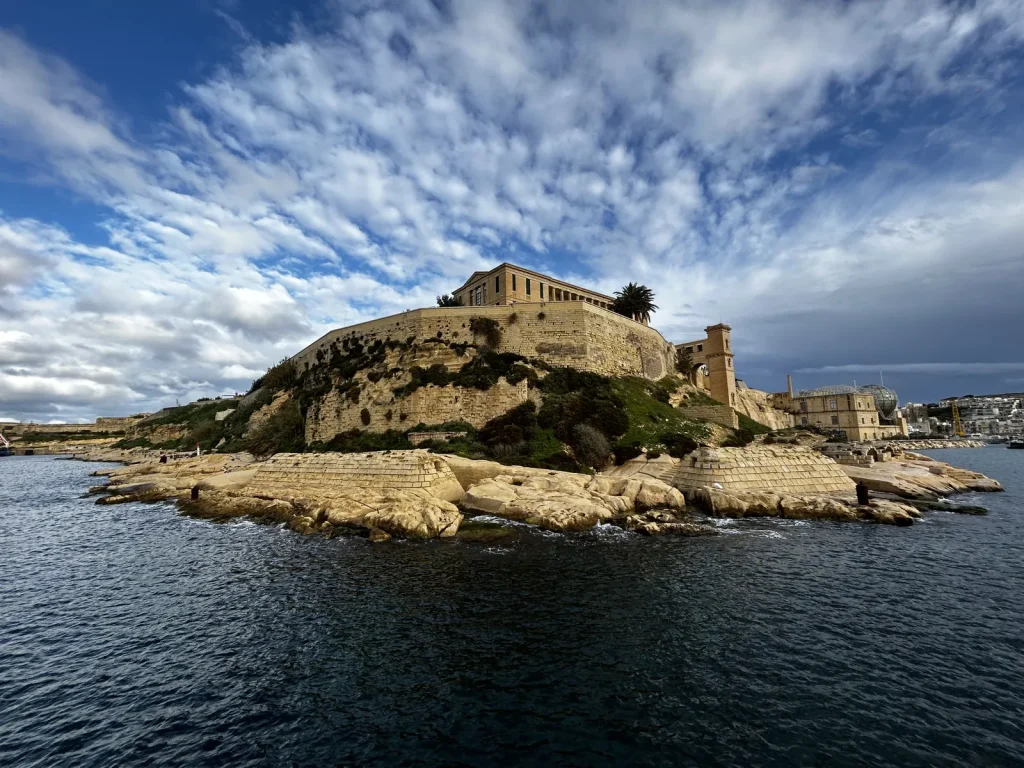
Across the harbour, Birgu (Vittoriosa), Senglea and Cospicua are quieter, more local and full of fortifications. Take a traditional dgħajsa water taxi from Valletta.

Mdina, Rabat & the centre
Mdina, the silent walled city, sits on a hill in the middle of the island. Next door, Rabat has St Paul’s Catacombs and some of the best pastizzi on the island. Nearby, the Dingli Cliffs give you sunset views over the open sea.
The south
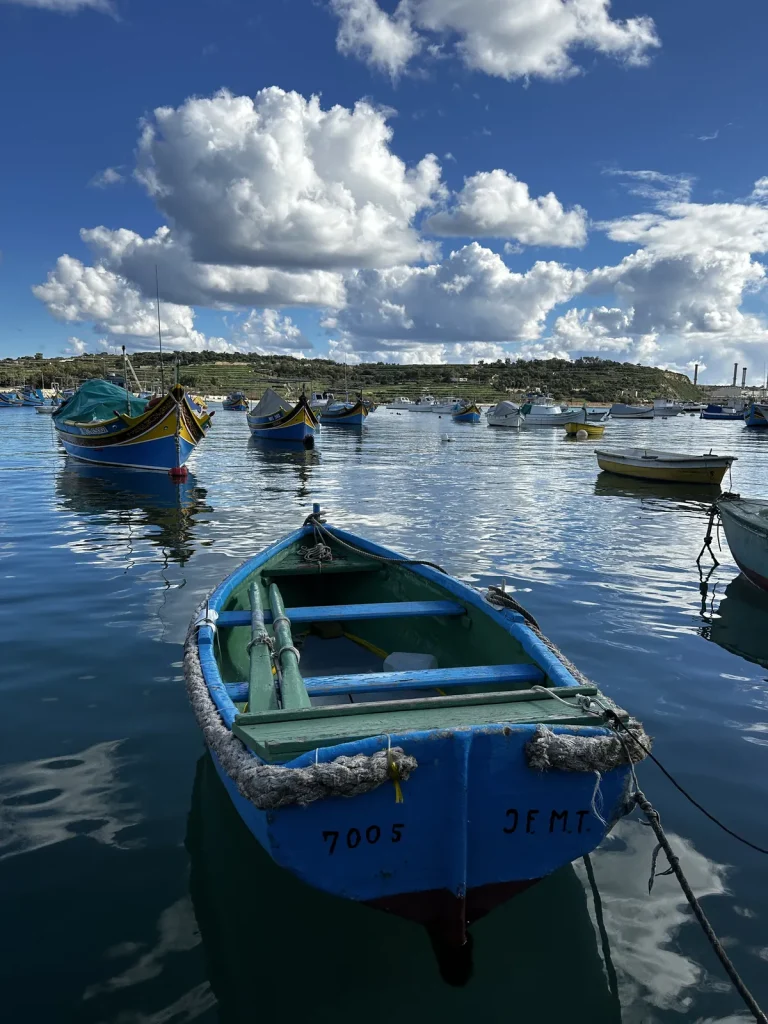
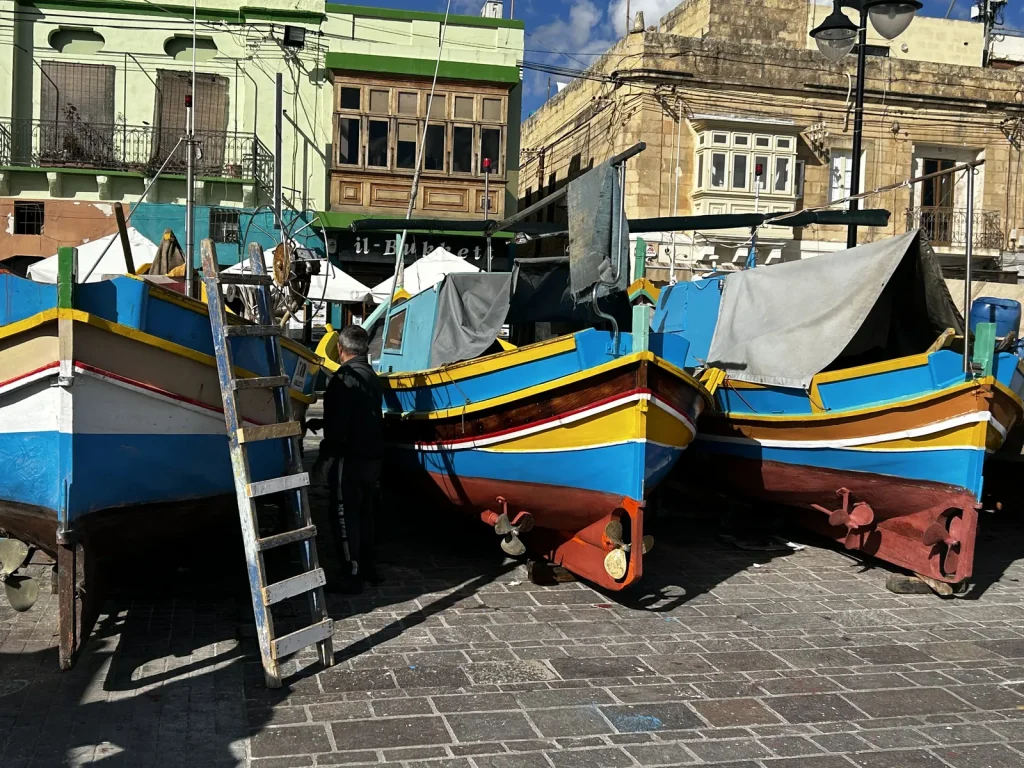
Marsaxlokk’s colourful luzzu fishing boats, the Blue Grotto sea caves and the temples of Ħaġar Qim and Mnajdra make the south perfect for a day trip.


Sliema, St Julian’s & the north
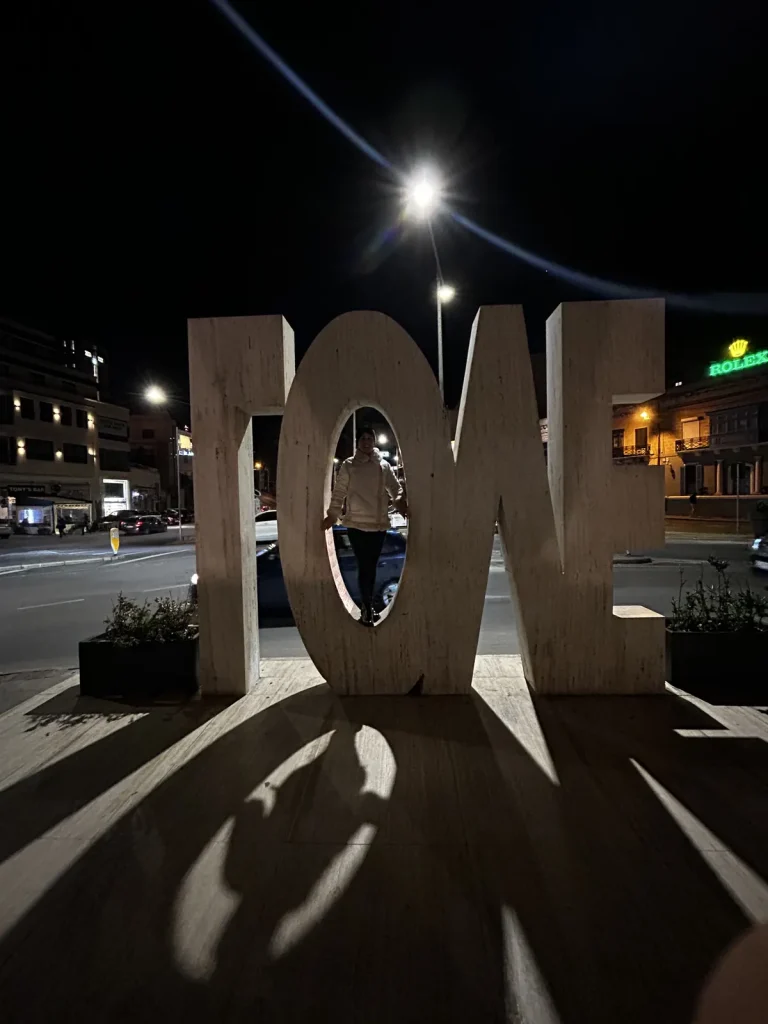
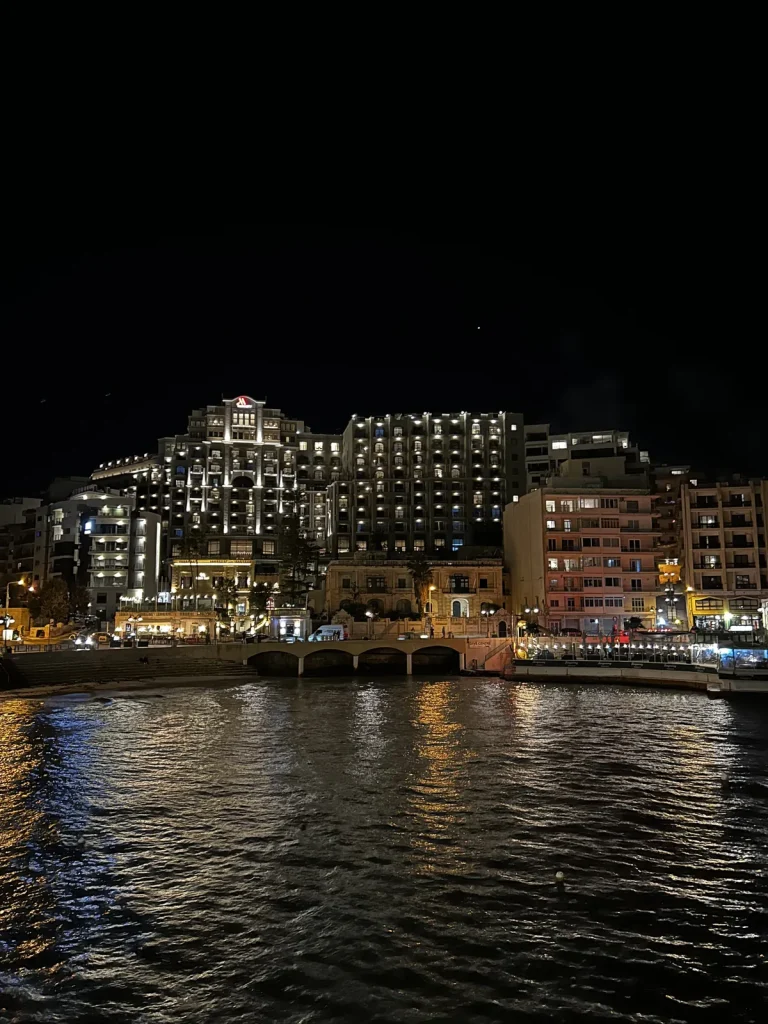
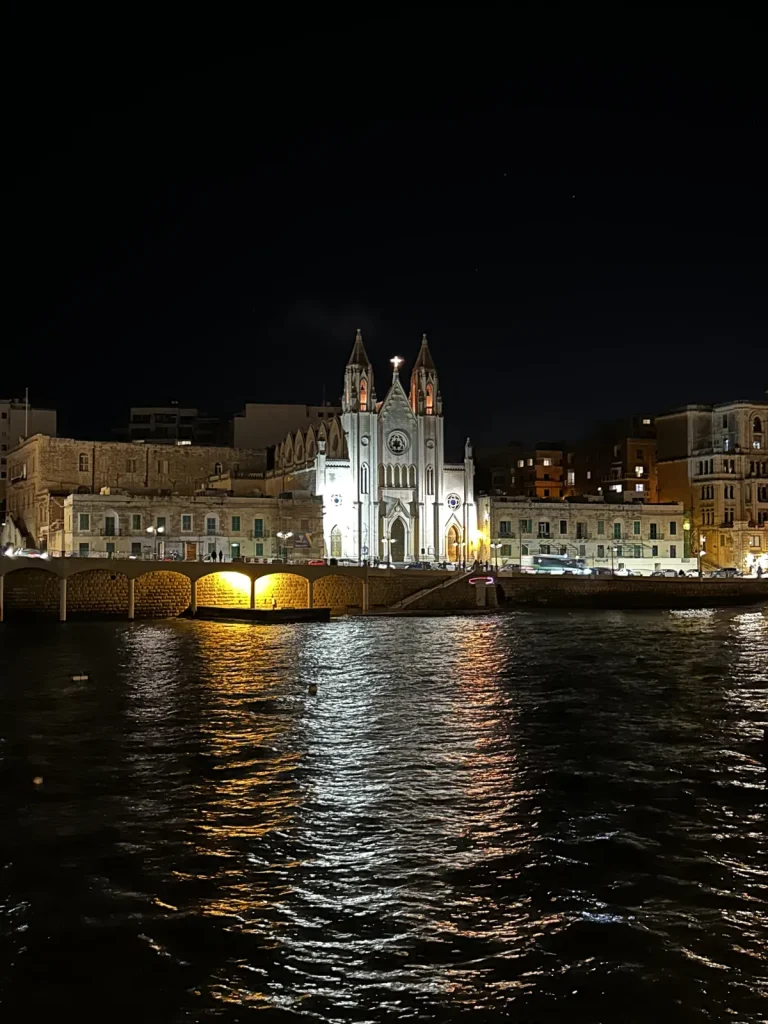
Sliema and St Julian’s are the busiest resort areas, with promenades and nightlife. Further north, Mellieħa has Malta’s longest sandy beach, Golden Bay offers sunsets, and Popeye Village is a fun stop for families.


Gozo & Comino
Gozo is greener, slower and wonderfully rural, with the Citadel in Victoria, the Ġgantija temples and the red sand of Ramla Bay. Comino is almost uninhabited – people come for the turquoise Blue Lagoon.
Best places for a perfect day in Malta
My detailed one-day itineraries for Malta are coming soon. Until then, these are the places I’d build a day around:
- Valletta – St John’s Co-Cathedral, the Upper Barrakka Gardens, the noon gun and an evening stroll on Republic Street.
- The Three Cities – Birgu’s Fort St Angelo, Senglea’s Gardjola Gardens and a water taxi back to Valletta.
- Mdina & Rabat – Mdina’s quiet lanes, St Paul’s Catacombs and sunset at the Dingli Cliffs.
- The south – Marsaxlokk’s fish market (best on Sunday), the Blue Grotto and the Ħaġar Qim temples.
- Gozo – the Citadel, Ġgantija temples, Ramla Bay and the salt pans of Xwejni.
- Comino – an early boat to the Blue Lagoon before the crowds arrive.
- The north – Mellieħa Bay in the morning, Golden Bay or Għajn Tuffieħa for sunset.
Planning a trip to Malta?
Save this guide – my Malta and Gozo one-day itineraries will be linked right here as soon as they’re live.
Explore all Europe guides@miki.kokica on InstagramBest time to visit Malta
Malta is a year-round destination. My favourite months are May–June and September–October: warm sea, sunny days and fewer crowds than the July–August peak.
| Season | What to expect | Best for |
|---|---|---|
| Spring (March–May) | Mild and green, 18–25 °C. The sea warms up from late May. | Sightseeing, hiking, Easter processions |
| Summer (June–August) | Hot (often above 30 °C), dry and busy. Village festas almost every weekend. | Beaches, diving, nightlife, festas |
| Autumn (Sept–Nov) | Warm sea, softer heat and fewer people. | Swimming, Gozo, diving |
| Winter (Dec–Feb) | Mild (around 15 °C), windy days and some rain, but lots of sunshine. | City breaks, museums, budget trips |
How many days do you need in Malta?
A long weekend covers Valletta and one day trip, but 5–7 days lets you see Malta, Gozo and Comino without rushing. Some routes I recommend:
3 days: Malta’s highlights
- Day 1: Valletta and a water taxi to the Three Cities.
- Day 2: Mdina, Rabat and the Dingli Cliffs.
- Day 3: Marsaxlokk, the Blue Grotto and Ħaġar Qim.
5 days: add Gozo and Comino
- Day 1–3: as above.
- Day 4: Gozo – Victoria’s Citadel, Ġgantija, Ramla Bay.
- Day 5: Comino’s Blue Lagoon, then sunset at Golden Bay.
7 days: slow island life
Spend two nights on Gozo, add a dive or boat trip around the coast, and keep a day for the beaches of the north.
Getting to Malta and getting around
Arriving
Malta International Airport near Luqa has direct flights from most European cities. There are also ferries from Sicily to Valletta – the crossing takes under two hours, making Malta easy to combine with a trip to southern Italy.
By bus
Malta’s bus network covers almost every town. A single ticket costs €2 in winter and €2.50 in summer (cash or contactless on board) and is valid for two hours, including transfers. If you’ll ride a lot, the Explore cards give unlimited travel – €25 for 7 days on day and night routes. Buses are cheap but can be slow and crowded in summer.
By car or ride-hailing
Malta drives on the left. Roads are narrow and traffic is heavy around the harbour, so I’d only rent a car for Gozo or if you’re staying outside the main resorts. Ride-hailing apps and water taxis are useful for short hops.
Ferries to Gozo and Comino
The Gozo Channel car ferry runs from Ċirkewwa to Mġarr around the clock. You only pay on the way back from Gozo: about €4.65 for a foot passenger and €15.70 for a car with driver. A passenger-only fast ferry links Valletta with Gozo for €7.50 one way. Small boats run to Comino from Ċirkewwa, Mġarr and the resorts.
Where to stay in Malta
- Valletta – boutique hotels in historic palazzi, ideal for culture lovers and evenings out.
- Sliema & St Julian’s – lots of hotels, restaurants and nightlife, with ferries to Valletta.
- The Three Cities – quieter, authentic and great value.
- Mellieħa – best for beaches and quick access to Gozo and Comino.
- Gozo – farmhouses with pools and a slower pace; stay at least two nights.
Entry rules for Malta in 2027
Malta is part of the EU and the Schengen Area, so the same rules apply as in the rest of Schengen. Non-EU visitors can usually stay up to 90 days in any 180-day period (check whether your nationality needs a visa).
- EES (Entry/Exit System): in operation at Schengen borders. Non-EU travellers have their photo and fingerprints registered at the first entry instead of a passport stamp.
- ETIAS: not required yet. When it launches, visa-free travellers will need to apply online before the trip. The fee is set at €20 and no start date has been announced.
- Eco-contribution: since 1 July 2026, adults pay €1.50 per night on their accommodation bill, capped at €22.50 per stay. Under-18s are exempt.
Money and daily budget
Malta uses the euro. Cards are accepted almost everywhere, but small snack bars and village shops may prefer cash. Tipping isn’t compulsory; 5–10% in restaurants is appreciated if service isn’t included.
| Travel style | Rough daily budget (per person) | What you get |
|---|---|---|
| Budget | €60–80 | Hostel or guesthouse, pastizzi and ftira, buses |
| Mid-range | €120–170 | 3–4★ hotel, restaurant dinners, a boat trip or museum pass |
| Comfort | €250+ | Boutique palazzo hotel, private boat trips, fine dining |
Prices peak in July and August. Gozo and the Three Cities are often cheaper than Sliema and St Julian’s.
What to eat and drink in Malta
Maltese food blends Sicilian, North African and British influences. My must-tries:


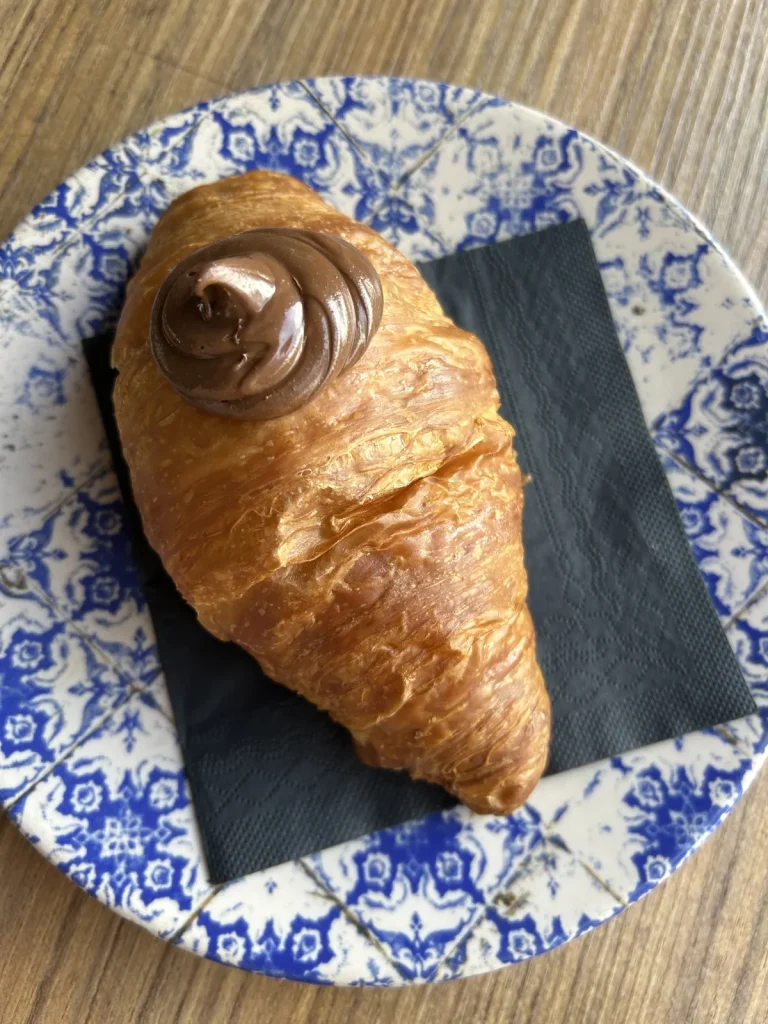

- Pastizzi – flaky pastries filled with ricotta or mushy peas, the ultimate cheap snack.
- Ftira & ħobż biż-żejt – Maltese bread with tomato paste, tuna, capers and olives.
- Stuffat tal-fenek – rabbit stew, the national dish.
- Lampuki pie – fish pie made in autumn when the dorado season starts.
- Ġbejniet – small sheep’s cheeses from Gozo.
- Imqaret – deep-fried date pastries.
- Kinnie & Cisk – the local bitter-orange soft drink and lager, plus Gozitan wines.
Best beaches and experiences in Malta
- Blue Lagoon (Comino) – famous turquoise water; go early, and check whether time-slot booking applies in summer.
- Mellieħa Bay (Għadira) – Malta’s longest sandy beach, shallow and family-friendly.
- Golden Bay & Għajn Tuffieħa – sandy bays on the west coast with great sunsets.
- Ramla Bay (Gozo) – red-gold sand in a green valley.
- St Peter’s Pool – rock swimming and cliff jumping near Marsaxlokk.
- Diving – wrecks, caves and reefs around Malta and Gozo make it one of Europe’s top dive destinations.
- Ħal Saflieni Hypogeum – an underground prehistoric burial site; visitor numbers are limited, so book weeks ahead.
Festas and events worth planning around
Malta loves a celebration, and timing your trip around one adds a lot of local colour:
- Carnival (February, before Lent) – colourful floats in Valletta and a wilder, more spontaneous version in Nadur on Gozo.
- Holy Week and Easter – solemn Good Friday processions and joyful Easter Sunday runs with the statue of the risen Christ.
- Malta International Fireworks Festival (spring) – spectacular displays over the Grand Harbour.
- Village festas (June–September) – every parish honours its patron saint with decorated streets, brass bands, fireworks and food stalls.
- Notte Bianca (autumn) – Valletta stays open late with free concerts, exhibitions and illuminated palaces.
- Christmas – nativity cribs (presepji), Christmas markets and decorated streets across the islands.
Exact dates change every year, so check the official Visit Malta calendar before you book.
My honest local tips
- Book the Hypogeum and St John’s Co-Cathedral early in high season.
- Bring a UK-style adapter – Malta uses Type G plugs.
- Drink bottled or filtered water if you don’t like the taste – tap water is safe but heavily treated, and many locals prefer bottled.
- Check the festa calendar – summer village feasts bring fireworks, brass bands and street food.
- Cover up in churches – shoulders and knees, especially in St John’s Co-Cathedral.
- Use ferries and water taxis instead of driving around the harbour – they’re faster and far more scenic.
Travelling alone? Malta also made my list of perfect solo adventure destinations.
Beyond the border: combining Malta with other trips
Malta pairs beautifully with Sicily: ferries reach the south of the island in under two hours, and you can continue to Siracusa or Catania – both have one-day itineraries in my Italy travel guide. For more Mediterranean island ideas, see my Greece travel guide and the full Europe travel guide.
Work with me

Hotel, tourist board or travel brand in Malta?
I create honest, practical one-day itineraries read by travellers planning their next trip – plus photos, drone shots and Instagram stories from the road. I’m open to collaborations with hotels, apartments, restaurants, wineries, tour operators and destinations across Malta: sponsored itineraries, destination features, press trips and social media campaigns.
Work with me Get in touchMalta travel FAQ
Is Malta in the Schengen Area?
Yes. Malta is an EU and Schengen member, so non-EU visitors are registered in the EU Entry/Exit System (EES) when they arrive from outside Schengen.
Do I need ETIAS to visit Malta?
Not yet. ETIAS has no confirmed start date as of November 2026. When it launches, visa-free travellers will need to apply online before travelling.
What is Malta’s eco-contribution?
Since 1 July 2026, adults pay €1.50 per night on their accommodation bill, up to a maximum of €22.50 per stay. Under-18s are exempt.
What is the best month to visit Malta?
May, June, September and October offer warm sea and sunshine without the peak-summer heat and crowds.
How do you get from Malta to Gozo?
Take the Gozo Channel car ferry from Ċirkewwa to Mġarr (you only pay on the return trip) or the passenger fast ferry from Valletta.
Which side of the road do they drive on in Malta?
On the left, like in the UK.
Can you drink tap water in Malta?
Tap water is considered safe, but it is desalinated and heavily treated, so many locals and visitors prefer bottled or filtered water.
How many days do you need in Malta?
Three days cover the main island’s highlights; 5–7 days lets you add Gozo and Comino at a relaxed pace.
Ready to plan your Malta trip?
Bookmark this guide – my Malta, Gozo and Comino one-day itineraries will appear here as soon as they’re published.
Browse all Europe guidesItaly travel guide@miki.kokica on Instagram