
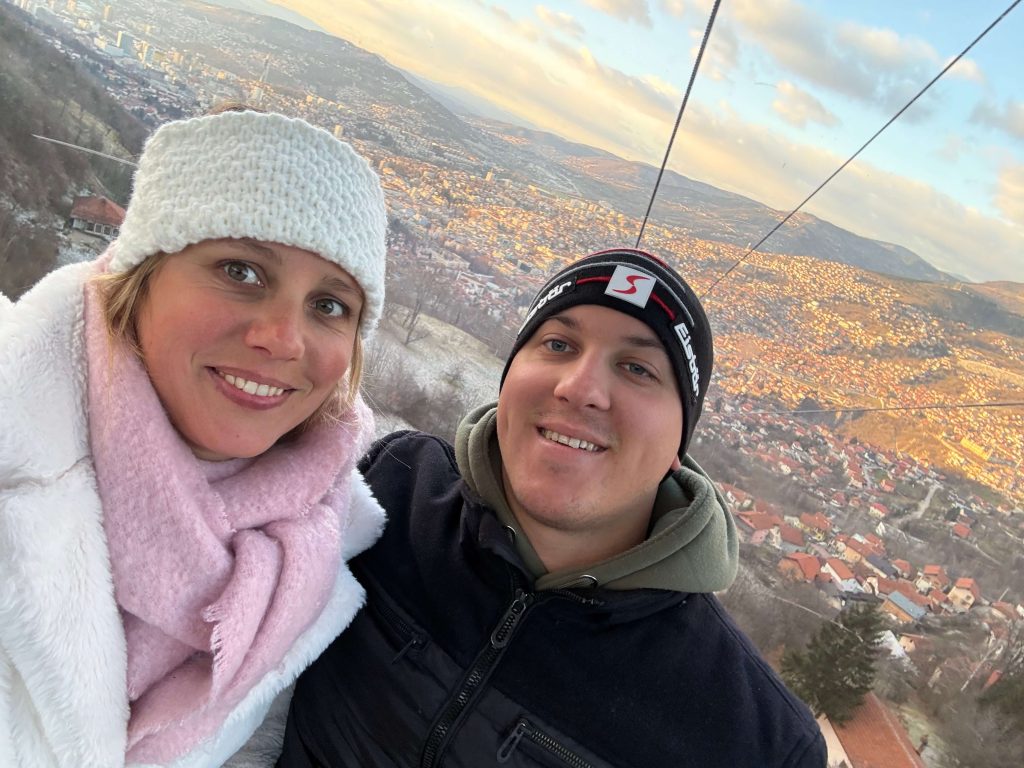
Hi, I’m Miki – and Bosnia and Herzegovina is the country that surprises everyone I send there. I’ve been to Sarajevo three times (twice to celebrate New Year’s Eve!), cooled off at the Kravica waterfalls and skied the slopes of Kupres, and every trip has shown me a different side of this small, big-hearted country. On this site I’ve written one-day itineraries for 19 towns and cities across Bosnia and Herzegovina, and this page ties them all together.
This is where Ottoman bazaars meet Austro-Hungarian boulevards, where emerald rivers cut through deep canyons and where a plate of ćevapi and a Bosnian coffee cost less than a latte back home. Use this 2027 guide to pick your regions, plan your route and then open each one-day itinerary for the details.
Why visit Bosnia and Herzegovina in 2027
- East meets West – in Sarajevo you can walk from a 16th-century mosque to a Catholic cathedral, an Orthodox church and a synagogue in minutes.
- Rivers like nowhere else – the Neretva, Una, Drina, Vrbas and Tara are famous for their colour, rafting and swimming spots.
- Unforgettable food culture – ćevapi, burek, slow-cooked stews and the ritual of Bosnian coffee.
- Great value – prices are a fraction of the Croatian coast, from accommodation to restaurant meals.
- History you feel – from medieval fortresses and Ottoman bridges to the moving memorials of the 1990s.
- Easy to combine – Mostar and Trebinje are close to Dubrovnik and Split, and Bijeljina is a short hop from Serbia.
Bosnia and Herzegovina region by region
The country has two parts in its name for a reason: Bosnia in the north is green, forested and mountainous, while Herzegovina in the south is Mediterranean, rocky and wine-growing. Here’s how I split the country when planning a trip:
Sarajevo & Central Bosnia

The capital’s East-meets-West streets, Olympic mountains and old towns of the Bosna and Lašva valleys.
Plan your day: Sarajevo, Visoko, Travnik, Zenica.
Herzegovina & the southwest
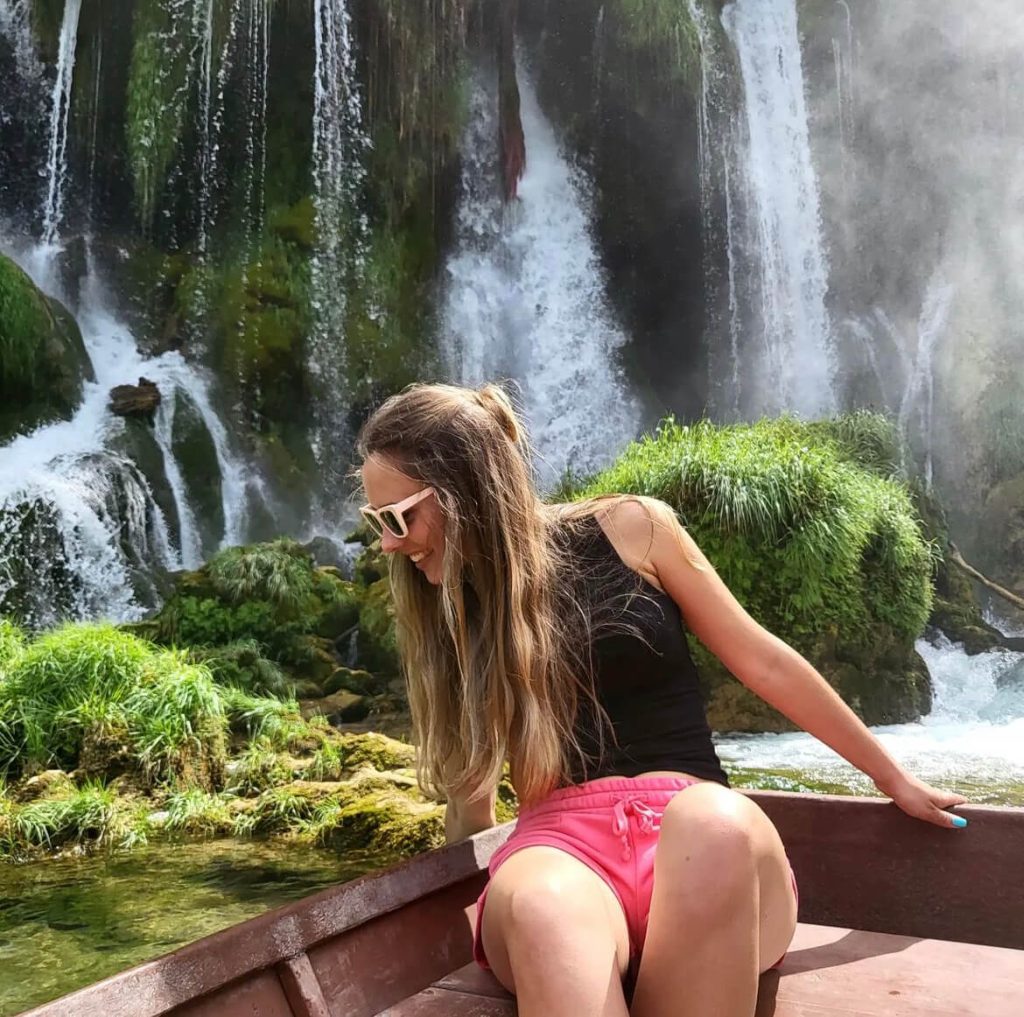
Sun-baked karst, the Neretva river, Mostar’s bridge, Kravica waterfalls, vineyards and a short stretch of sea at Neum.
Plan your day: Mostar, Konjic, Trebinje, Neum, Livno.
Bosanska Krajina (northwest)
Green hills, castles and some of the cleanest rivers in Europe – the Una, Sana and Vrbas.
Plan your day: Banja Luka, Bihać, Cazin, Prijedor.
Northeast Bosnia
Salt lakes, fortresses and the fertile plains of Posavina and Semberija towards Serbia and Croatia.
Plan your day: Tuzla, Doboj, Gračanica, Bijeljina.
Eastern Bosnia & the Drina valley
Wild canyons, primeval forest and some of the best white-water rafting in the Balkans.
Planning a trip to Bosnia and Herzegovina?
Pick a town, open its one-day itinerary and you’ll know exactly what to see, where to eat and how to get there – no fluff.
See all Bosnia itinerariesFollow my trips on InstagramAll my Bosnia and Herzegovina one-day itineraries
Every guide below is built around one perfect day: the must-sees, local food stops, practical tips and what to skip if you’re short on time.
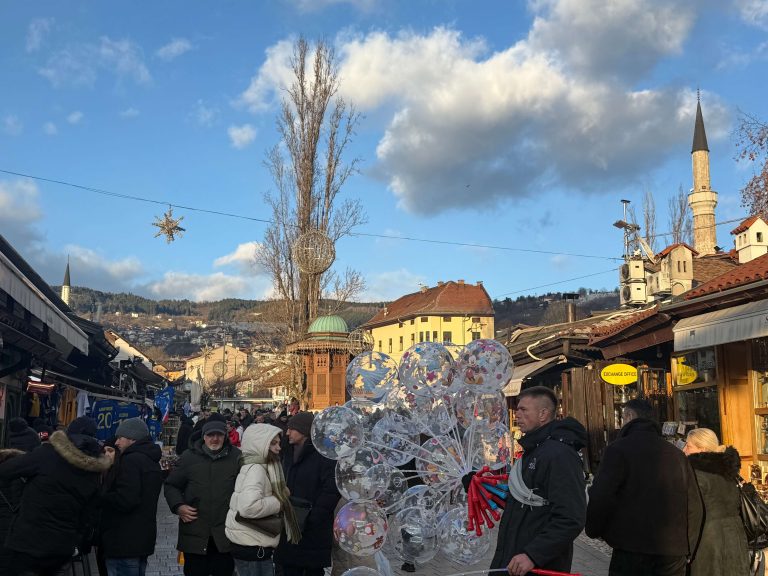 Sarajevo in one dayBaščaršija bazaar, Austro-Hungarian avenues and the Trebević cable car.
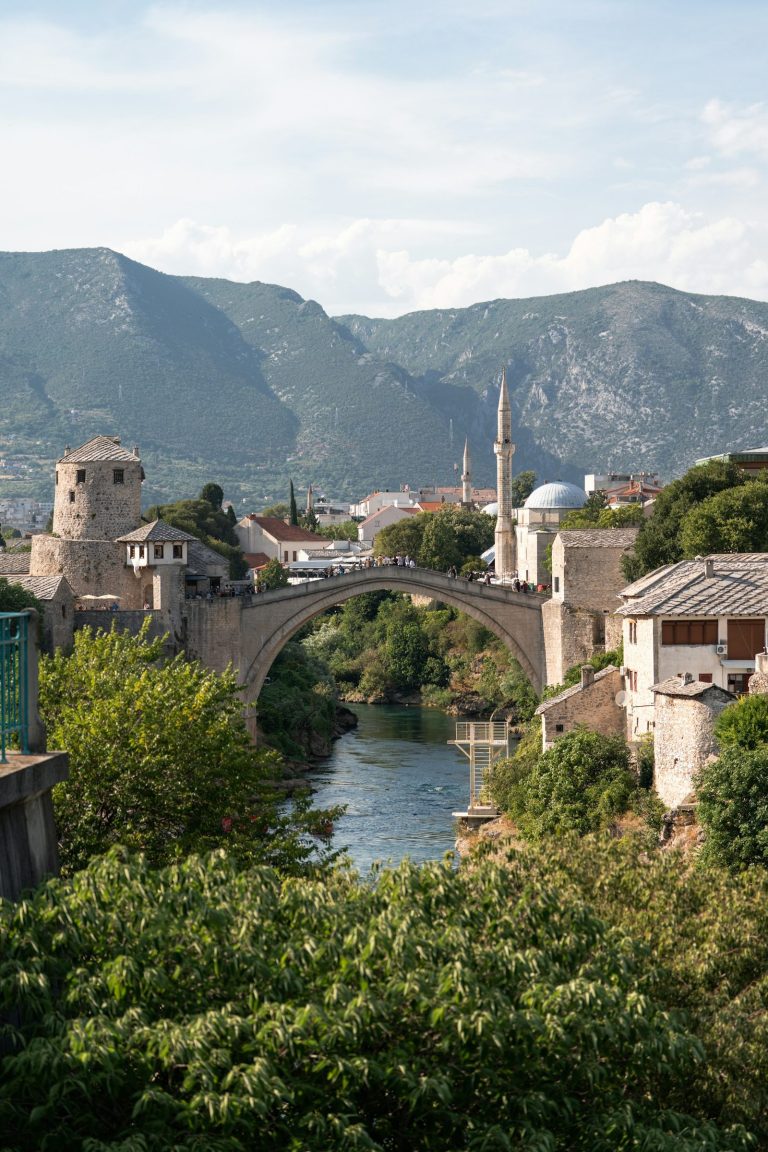 Mostar in one dayStari Most, the bridge divers and an Ottoman old town on the Neretva.
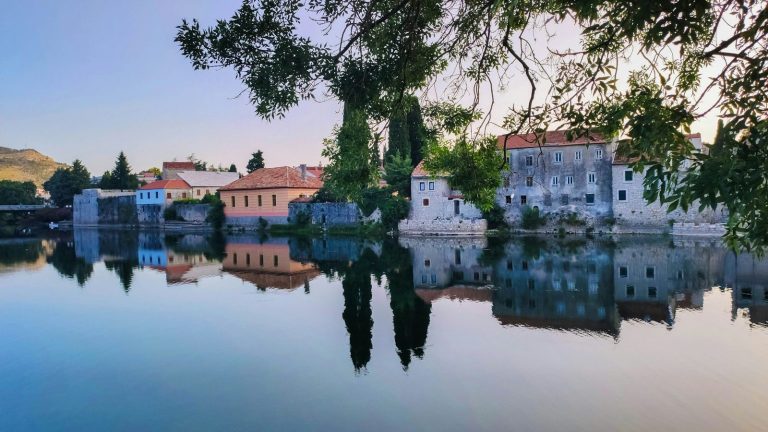 Trebinje in one dayPlane-tree squares, wine cellars and a short hop from Dubrovnik.
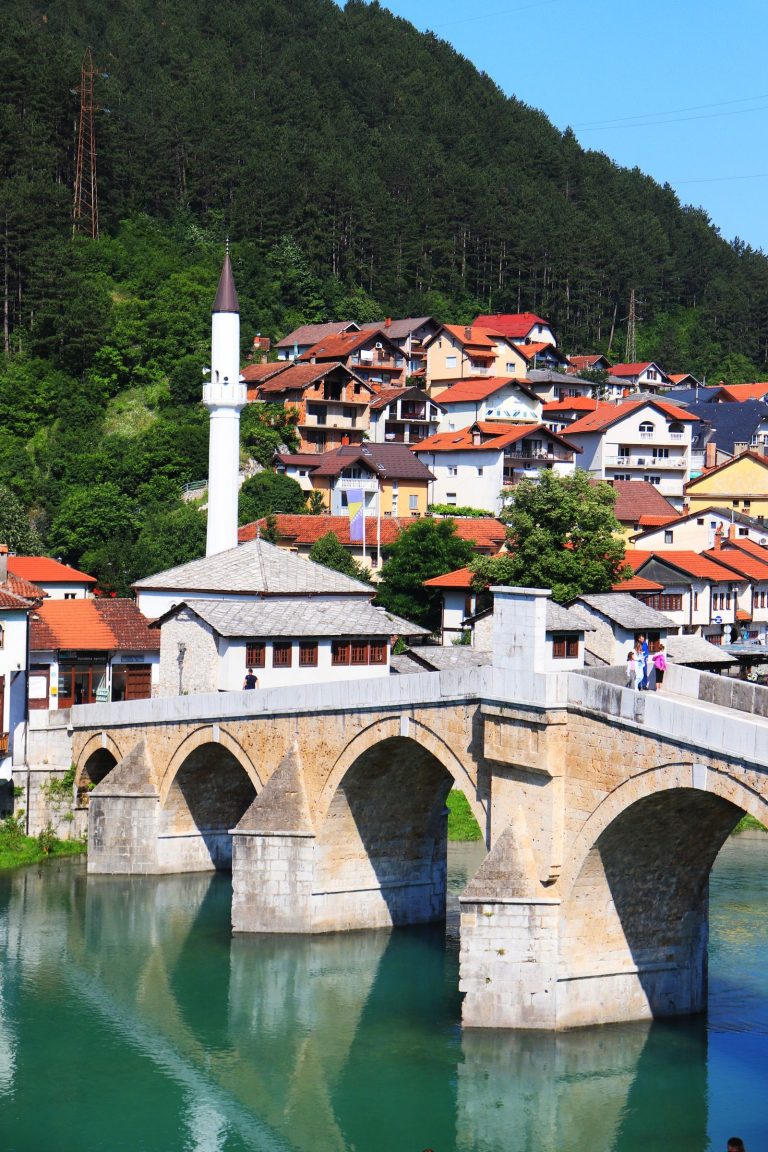 Konjic in one dayAn old stone bridge on the emerald Neretva and Tito’s secret bunker.
 Banja Luka in one dayKastel fortress, the rebuilt Ferhadija mosque and rafting on the Vrbas.Bihać in one dayThe gateway to Una National Park and the thundering Štrbački buk.Travnik in one dayThe old town of Ottoman viziers, a hilltop fortress and the Plava Voda spring.
 Neum in one dayBosnia and Herzegovina’s only stretch of Adriatic coastline.
 Tuzla in one daySalt lakes you can swim in right in the city centre.Visoko in one dayA medieval royal seat – and the much-debated “Bosnian pyramids”.Livno in one dayA wide karst field, Livno cheese and herds of wild horses nearby.Zenica in one dayA big city on the Bosna river, minutes from the fairytale Vranduk fortress.Cazin in one dayRolling green hills and the romantic Ostrožac castle.Prijedor in one dayA base for Kozara National Park and the forests of the northwest.Doboj in one dayA medieval fortress watching over the Bosna river valley.Gračanica in one dayA small-town centre with a historic clock tower and easy pace.Bijeljina in one dayThe flatlands of Semberija and the Stanišići ethno village.Foča in one dayThe doorstep of Sutjeska National Park and Tara river rafting.Goražde in one dayA laid-back town on the green Drina river.
Best time to visit Bosnia and Herzegovina
My short answer: May to early June or September to early October. Waterfalls are full, the weather is warm but not scorching and the big sights are calm. Summer is great for rivers and swimming, while winter is all about snow, ski slopes and cosy Sarajevo evenings.
| Season | What to expect | Best for |
|---|---|---|
| Spring (April–June) | Fresh green landscapes, rivers and waterfalls at full flow, mild temperatures. | Kravica, Una National Park, city breaks |
| Summer (July–August) | Hot in Herzegovina (Mostar regularly goes above 35 °C), busier old towns, river swimming season. | Rafting, river beaches, Neum |
| Autumn (September–October) | Warm days, grape harvest in Herzegovina, golden forests up north. | Road trips, wine, hiking |
| Winter (November–March) | Snow in Sarajevo and the mountains, lower prices, festive New Year’s Eve. | Skiing on Jahorina, Bjelašnica & Kupres |
How many days do you need in Bosnia and Herzegovina?
Two or three days are enough for Sarajevo and Mostar, but 7 days lets you see both halves of the country. Here are three routes – each stop links to its one-day itinerary.
3 days: Sarajevo & Mostar
- Day 1–2: Sarajevo – Baščaršija, the Tunnel of Hope and the Trebević cable car.
- Day 3: Konjic on the way to Mostar – the train or road along the Neretva is gorgeous.
7 days: the classic loop
- Day 1–2: Sarajevo with a half day in Visoko
- Day 3: Travnik and the old fortress town of Jajce
- Day 4: Banja Luka or Bihać for Una National Park
- Day 5: Livno on the way south
- Day 6: Mostar with Kravica waterfalls, Blagaj and Počitelj
- Day 7: Trebinje – then on to Dubrovnik if you’re continuing the trip
From the Croatian coast: a 2–3 day add-on
- From Dubrovnik: Trebinje for lunch and wine, then Mostar.
- From Split or Makarska: Kravica waterfalls and Mostar, overnight, then back via Neum.
Getting to Bosnia and Herzegovina and getting around
Arriving
Sarajevo has the main international airport, with smaller airports in Mostar, Banja Luka and Tuzla. Many travellers fly into Dubrovnik or Split in Croatia and cross the border by bus, car or transfer – it’s often cheaper and the drive is beautiful.
By car
A car is the easiest way to reach waterfalls, canyons and small towns. Roads are mostly good but winding, and some motorway sections are tolled. Headlights must be on at all times, winter tyres or chains are required from 1 November to 1 April, and an International Driving Permit is recommended for non-European licences. Check that your rental car is allowed to cross the border and has a green card.
By bus
Buses link almost every town and are the backbone of public transport. They’re cheap and frequent between the big cities; buy tickets at the station and keep some small change for luggage.
By train
The scenic Sarajevo–Konjic–Mostar–Čapljina line is one of the prettiest train rides in the Balkans: about two hours to Mostar, with fares from around 14 KM. Services are limited and can change, so check the timetable a day ahead.
Taxis
Use official taxis (licence plates starting with “TA”) or a ride app where available, and agree on the price or check the meter before you go.
Entry rules for Bosnia and Herzegovina in 2027
Bosnia and Herzegovina is not in the EU or the Schengen Area, so it has its own entry rules and passport stamps.
- Visa-free stays: citizens of the EU, UK, US, Canada, Australia and many other countries can visit without a visa for up to 90 days within a 180-day period. Always check the rules for your own passport.
- Documents: travel with a passport that is valid well beyond your trip – six months is the safe rule. EU citizens can usually enter with a national ID card, but a passport makes border crossings smoother.
- Registration: foreign visitors must be registered with the local police. Hotels and most licensed apartments do this for you – if you stay privately, ask your host.
- EES & ETIAS: the EU’s Entry/Exit System doesn’t apply in Bosnia and Herzegovina itself, but non-EU travellers are registered in it when they cross back into Croatia or any other Schengen country. ETIAS doesn’t apply to Bosnia and Herzegovina.
Money and daily budget
The currency is the convertible mark (KM, BAM), pegged to the euro at €1 = 1.95583 KM (roughly 2 KM to the euro). Some tourist places near the Croatian border accept euros, but usually at a worse rate – withdraw marks from an ATM instead. Cards work in cities, but bring cash for small towns, bakeries, ćevapi shops and markets. Tipping isn’t compulsory; rounding up or leaving around 10% for good service is appreciated.
| Travel style | Rough daily budget (per person) | What you get |
|---|---|---|
| Budget | €45–60 (≈ 90–120 KM) | Hostel, ćevapi and burek, buses, free sights |
| Mid-range | €100–130 (≈ 195–255 KM) | 3-star hotel, restaurant meals, main attractions, some taxis |
| Comfort | €160+ (≈ 315 KM+) | Boutique hotels, private transfers, rafting and tours |
A Bosnian coffee costs about 2–3 KM and a portion of ćevapi around 8–10 KM – food is where your money goes furthest.
What to eat and drink in Bosnia and Herzegovina

- Ćevapi – small grilled meat rolls in somun flatbread with onions and kajmak. Sarajevo and Banja Luka each swear theirs is best.
- Burek & pita – flaky pastry rolls; in Bosnia only the meat one is called burek, while cheese is sirnica and spinach is zeljanica.
- Begova čorba – the “bey’s soup”, a creamy chicken and okra soup.
- Klepe, sogan dolma & stews – Bosnian dumplings, stuffed onions and slow-cooked lonac pots.
- Cheese – try the famous cheeses of Livno and Travnik.
- Tufahija & baklava – syrup-soaked apples with walnuts and Ottoman-style pastries.

- Bosnian coffee – served in a copper džezva with a sugar cube and rahat lokum. Sip it slowly: coffee here is a social ritual.
- Herzegovina wines – white Žilavka and red Blatina, especially around Mostar and Trebinje.
- Rakija – fruit brandy, often offered as a welcome drink.
Top experiences and nature
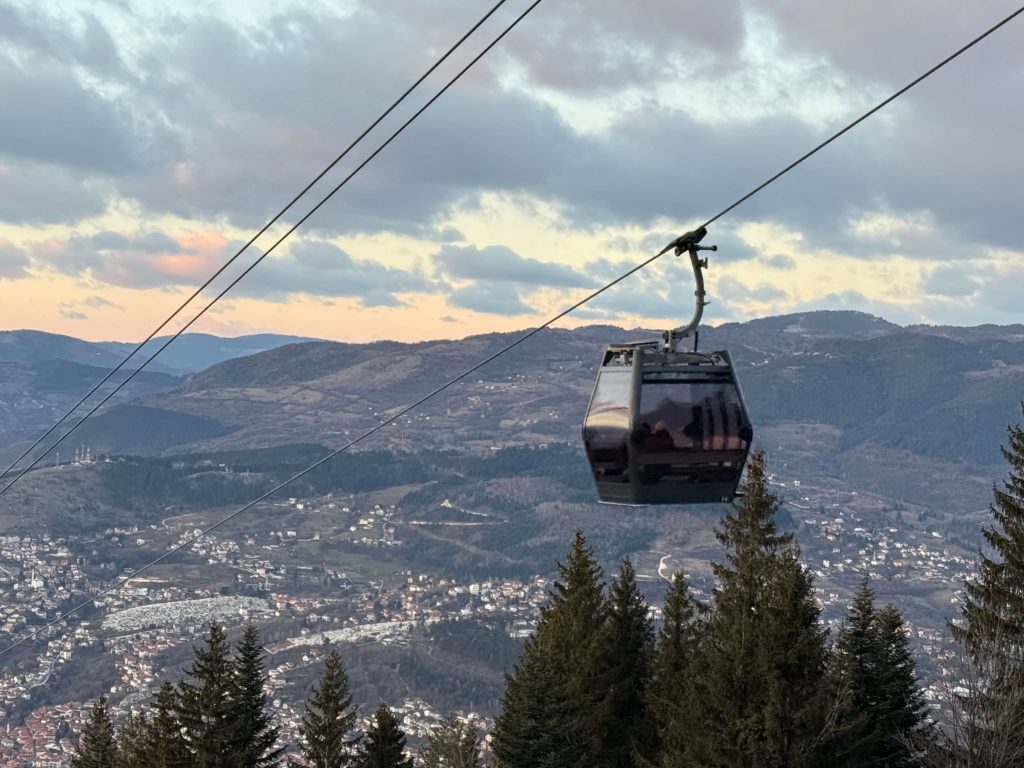
- Ride the Trebević cable car above Sarajevo and walk the abandoned 1984 Olympic bobsleigh track.
- Visit the Tunnel of Hope near Sarajevo airport to understand the city’s wartime story.
- Watch the divers at Stari Most in Mostar, then visit Blagaj Tekija and the stone village of Počitelj.
- Swim at Kravica waterfalls near Ljubuški – a summer favourite in Herzegovina.
- Explore Una National Park from Bihać and see the Štrbački buk waterfall.
- See Jajce, where a waterfall drops right into the town, and the Pliva lakes with their wooden watermills.
- Go rafting on the Tara near Foča, the Neretva near Konjic or the Vrbas near Banja Luka.
- Hike Sutjeska National Park and the Perućica primeval forest from Foča.
- Swim in the salt lakes in the middle of Tuzla.
- Ski in winter on Jahorina, Bjelašnica or Kupres – affordable slopes with great views.

My honest local tips
- Stay on marked paths: landmines from the 1990s still remain in some rural and mountain areas. Stick to paved roads and marked trails, never enter fields or ruins marked with red warning signs or tape, and ask locals before hiking off-trail.
- Carry cash in marks – small towns, bakeries and ćevapi shops often don’t take cards.
- Visit Mostar early or late – day-trip buses fill the old town around midday.
- Slow down for coffee – nobody rushes a Bosnian coffee, and you shouldn’t either.
- Dress respectfully in mosques – cover shoulders and knees; women may be asked to cover their hair.
- Be sensitive about the war – people are open and welcoming, but listen more than you ask.
- Plan winter drives – mountain roads can be snowy from November to March, so allow extra time.
Beyond the border: easy trips from Bosnia and Herzegovina
Bosnia and Herzegovina sits right between Croatia and Serbia, which makes it easy to combine. From Trebinje or Neum you’re close to Dubrovnik and the Pelješac peninsula – see my Croatia travel guide. From Bijeljina it’s a short drive to Serbia – start with my Serbia travel guide. Find more ideas in my Europe travel guide.
Work with me

Hotel, tourist board or travel brand in Bosnia and Herzegovina?
I create honest, practical one-day itineraries read by travellers planning their next trip – plus photos, drone shots and Instagram stories from the road. I’m open to collaborations with hotels, apartments, restaurants, wineries, tour operators and destinations across Bosnia and Herzegovina: sponsored itineraries, destination features, press trips and social media campaigns.
Work with me Get in touchBosnia and Herzegovina travel FAQ
Is Bosnia and Herzegovina safe for tourists?
Yes – it’s generally safe and very welcoming. Use normal precautions in crowded places and, in rural and mountain areas, stay on paved roads and marked paths because of remaining landmines.
Do I need a visa for Bosnia and Herzegovina?
Citizens of the EU, UK, US, Canada, Australia and many other countries can visit visa-free for up to 90 days within 180 days. Check the current rules for your passport before travelling.
What currency is used in Bosnia and Herzegovina?
The convertible mark (KM, BAM), pegged at €1 = 1.95583 KM. Euros are accepted in some tourist places, but paying in marks is usually cheaper.
Is Bosnia and Herzegovina part of the EU or Schengen?
No. It has its own border controls, so expect passport checks when entering from Croatia, Serbia or Montenegro.
How many days do you need in Bosnia and Herzegovina?
Two to three days cover Sarajevo and Mostar; around a week lets you add Una National Park, Jajce, Travnik and Trebinje.
What is the best time to visit Bosnia and Herzegovina?
May to early June and September to early October offer the best weather. Winter is great for skiing and New Year’s Eve in Sarajevo.
Can you visit Mostar as a day trip from Dubrovnik or Split?
Yes, but it’s a long day. I recommend staying at least one night in Mostar so you can see the old town early in the morning and in the evening.
What is the emergency number in Bosnia and Herzegovina?
112 is the general emergency number; you can also call police on 122, ambulance on 124 and fire on 123.
Ready to explore Bosnia and Herzegovina one day at a time?
Start with the classics or go off the beaten path – every guide is packed with practical tips.
Start with SarajevoDiscover Mostar@miki.kokica on Instagram