
Hi, I’m Miki – and Serbia is one of the most underrated countries in Europe. It’s loud, warm, generous and endlessly surprising: a capital that parties until sunrise, Habsburg towns in the north, Roman emperors in the south, and mountain villages in the west where every visit ends with homemade rakija. On this site I’ve written one-day itineraries for 19 Serbian cities, and this guide ties them all together.
Whether you’re planning a long weekend in Belgrade or a two-week road trip from Subotica to Niš, here you’ll find the regions, the best time to go, how to get around (including the new 200 km/h train), the 2027 entry rules, real budgets and my favourite local tips. Updated for 2027.
Why Serbia should be on your list
- Incredible value – still one of the most affordable countries in Europe for food, coffee and accommodation.
- Belgrade’s energy – riverside clubs, café culture and kafanas with live music that go late into the night.
- Layers of history – Roman Sirmium and Niš, medieval fortresses on the Danube, Ottoman Novi Pazar and Art Nouveau Subotica.
- UNESCO monasteries – Studenica, Sopoćani and the frescoes of the Morava valley.
- Wild nature – the Iron Gates gorge on the Danube, Tara National Park, the Uvac canyon and the slopes of Zlatibor and Kopaonik.
- Legendary hospitality – people here really do treat guests like family.
Serbia region by region
Serbia is easy to split into five regions. The north (Vojvodina) is flat and Central European, Belgrade sits where the Sava meets the Danube, and the further south you go, the more mountains, monasteries and Balkan flavours you find.
Belgrade & the Danube
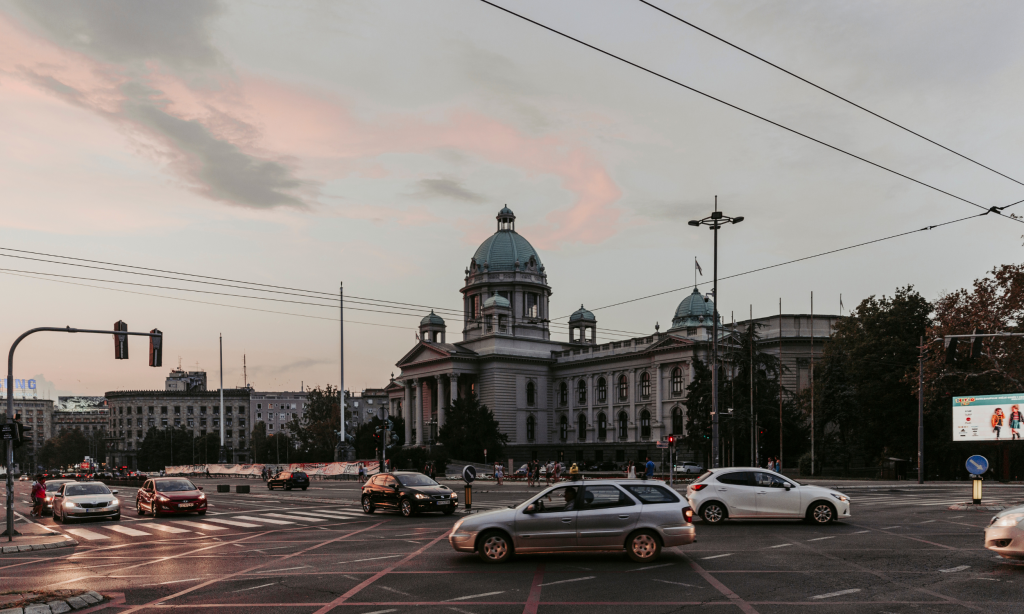
A capital that never sleeps: fortress sunsets, river clubs (splavovi), old-school kafanas and easy day trips along the Danube.
Plan your day: Belgrade, Pančevo, Smederevo.
Vojvodina

Flat, fertile and surprisingly cosmopolitan: Austro-Hungarian towns, Art Nouveau facades, wine on Fruška Gora and Roman ruins.
Plan your day: Novi Sad, Subotica, Sombor, Zrenjanin, Kikinda, Sremska Mitrovica, Ruma.
Central Serbia & Šumadija
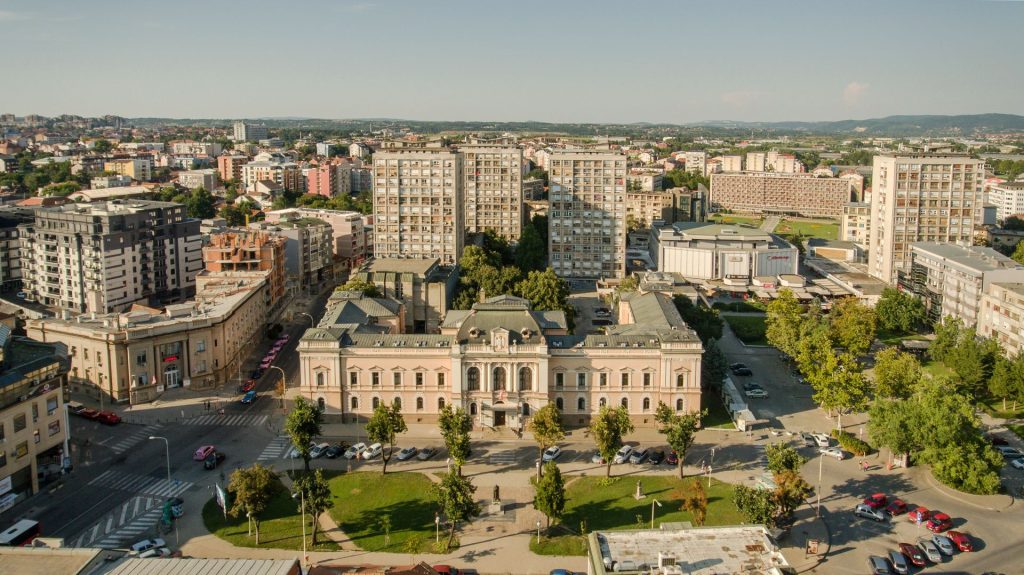
Rolling hills, plum orchards, medieval capitals and the monasteries of the Morava valley.
Plan your day: Kragujevac, Jagodina, Kruševac, Kraljevo.
South Serbia

Roman history in Niš, the best grilled meat in the Balkans and young red wines from Toplica.
Plan your day: Niš, Leskovac, Prokuplje.
West & Southwest Serbia
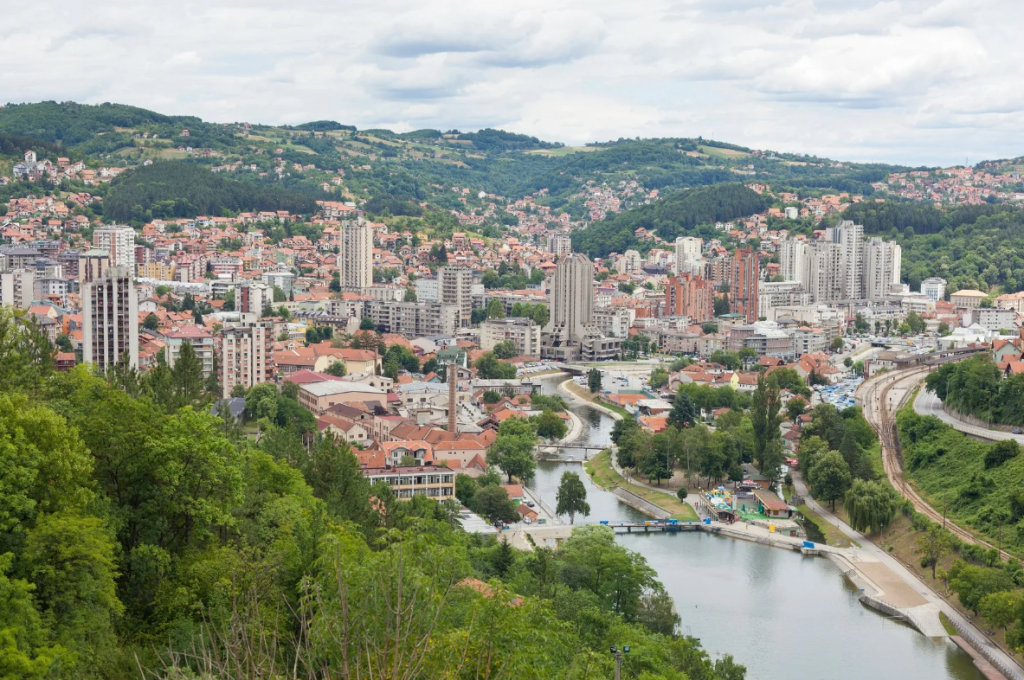
Mountains, canyons and crossroads of cultures: Zlatibor, Tara National Park, Mokra Gora and Novi Pazar.
Plan your day: Užice, Novi Pazar.
Planning a trip to Serbia?
Pick a city, open its one-day itinerary and you’ll know exactly what to see, where to eat and what it costs – in dinars and euros.
See all Serbia itinerariesFollow my trips on InstagramAll my Serbia one-day itineraries
Every guide below is built around one perfect day: the must-sees, where to eat and drink, opening hours and prices, plus tips for getting there.
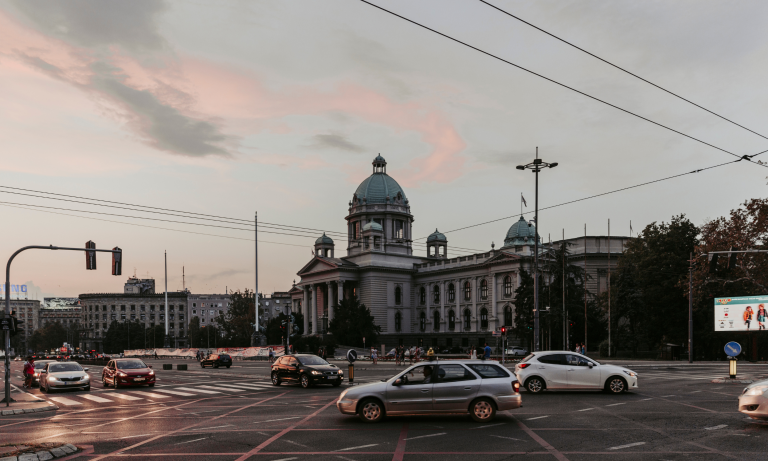 Belgrade in one dayKalemegdan Fortress above the Sava–Danube confluence, Skadarlija and legendary nightlife.
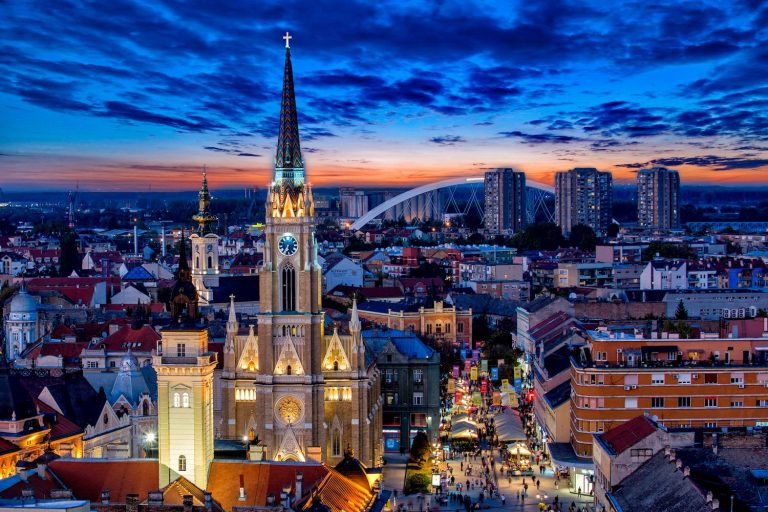 Novi Sad in one dayPetrovaradin Fortress, Dunavska street and the laid-back capital of Vojvodina.
 Niš in one dayBirthplace of Constantine the Great, Niš Fortress and the haunting Skull Tower.
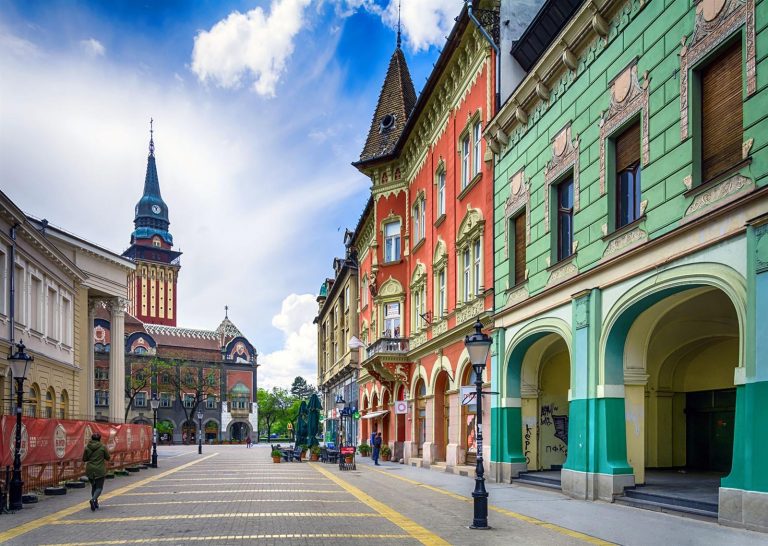 Subotica in one dayArt Nouveau City Hall, a stunning synagogue and nearby Lake Palić.
 Kragujevac in one daySerbia’s first modern capital and the moving Šumarice memorial park.
 Smederevo in one dayOne of Europe’s largest medieval lowland fortresses, right on the Danube.
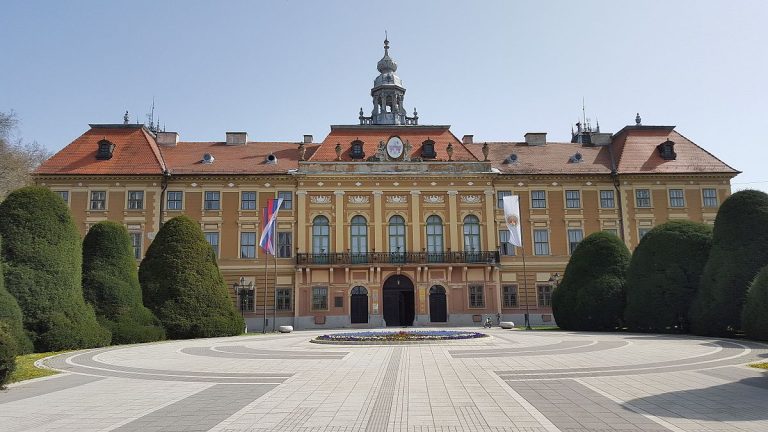 Sombor in one dayThe leafy “green city” of baroque streets close to the Danube.
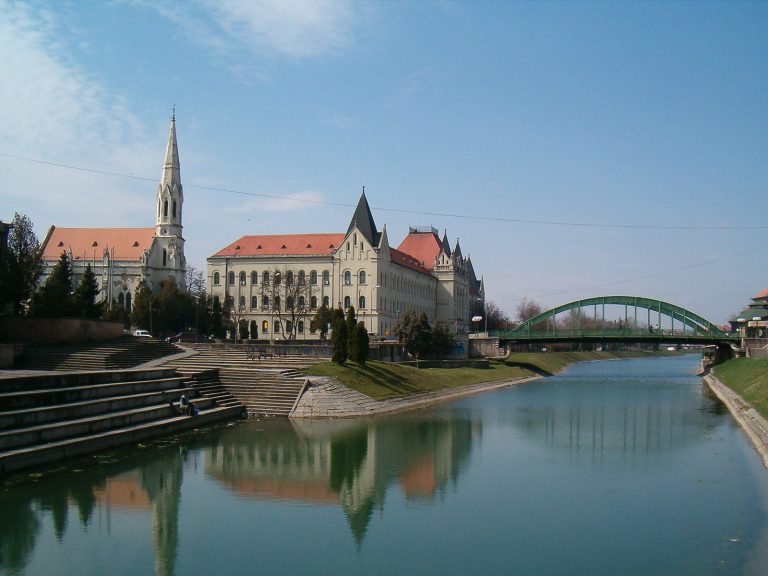 Zrenjanin in one dayA baroque centre on the Begej river and a famous summer beer festival.
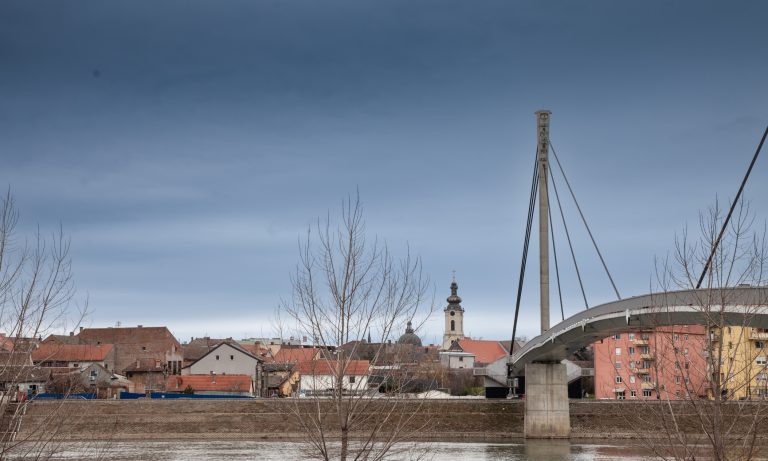 Sremska Mitrovica in one dayRuins of Roman Sirmium, once one of the four capitals of the Roman Empire.
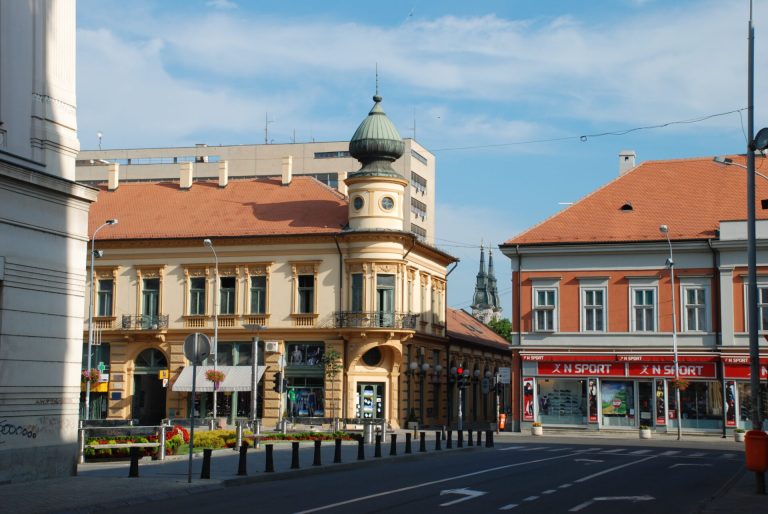 Pančevo in one dayA relaxed riverside town just across the Danube from Belgrade, home of the historic Weifert brewery.
 Kikinda in one dayHome of Kika the mammoth and one of the world’s biggest winter roosts of long-eared owls.
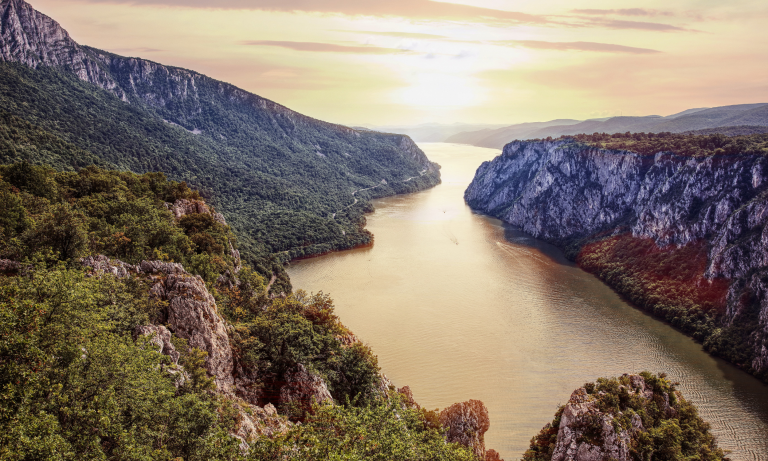 Ruma in one dayA calm Srem town and an easy base for the monasteries of Fruška Gora.
 Kruševac in one dayPrince Lazar’s medieval capital with the beautiful Lazarica church.
 Kraljevo in one dayGateway to Žiča monastery, where medieval Serbian kings were crowned.
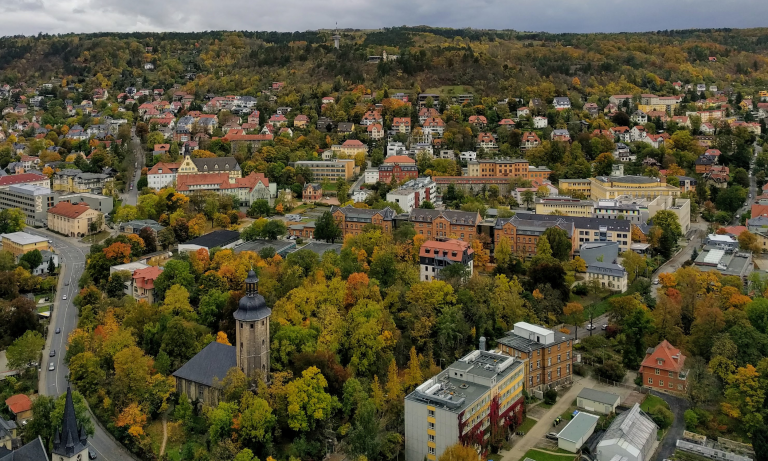 Jagodina in one dayA family day out with a wax museum and a big aquapark in the heart of Serbia.
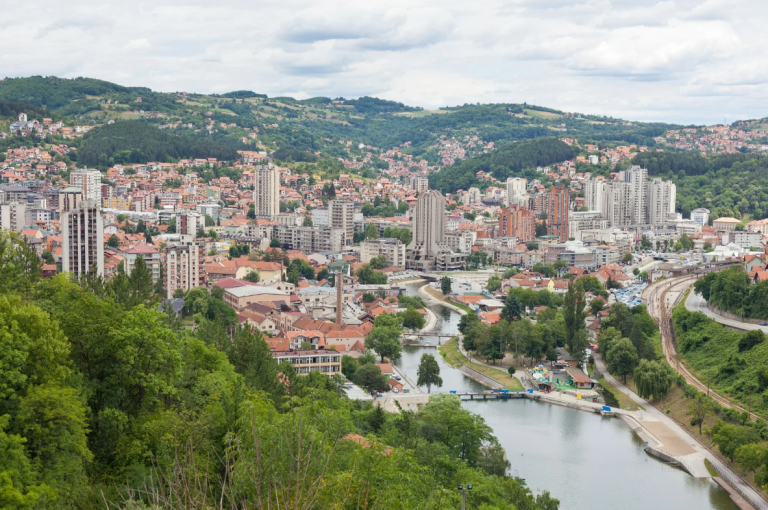 Užice in one dayFortress views and the gateway to Zlatibor, Tara and the Šargan Eight railway.
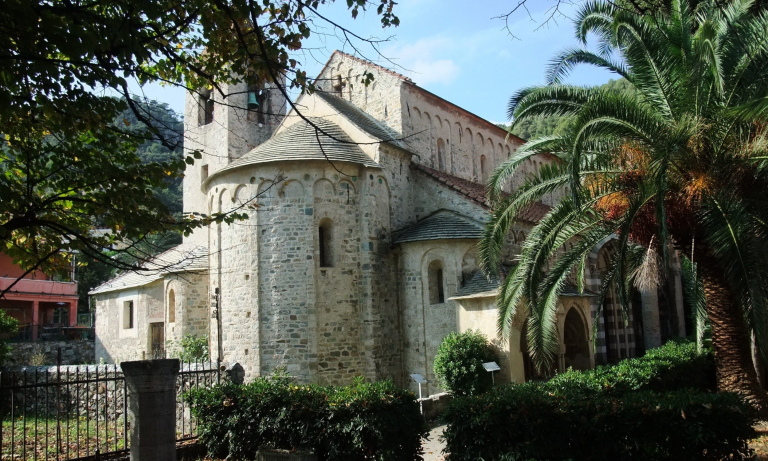 Novi Pazar in one dayOttoman bazaar streets, Turkish coffee and UNESCO-listed Sopoćani nearby.
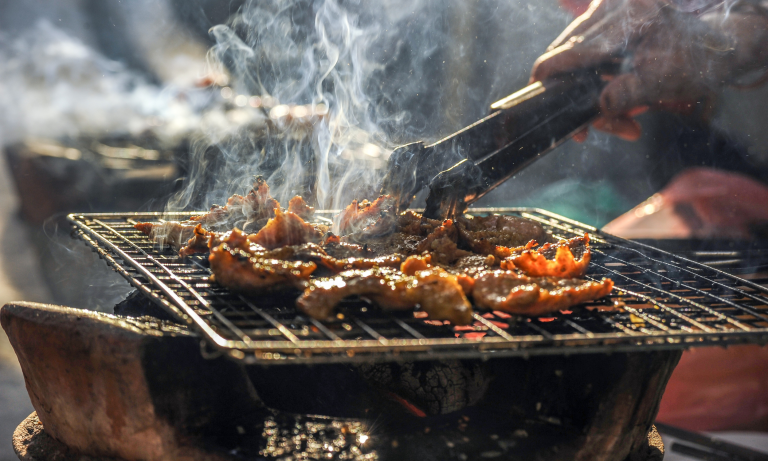 Leskovac in one daySerbia’s grill capital and home of the Roštiljijada barbecue festival.
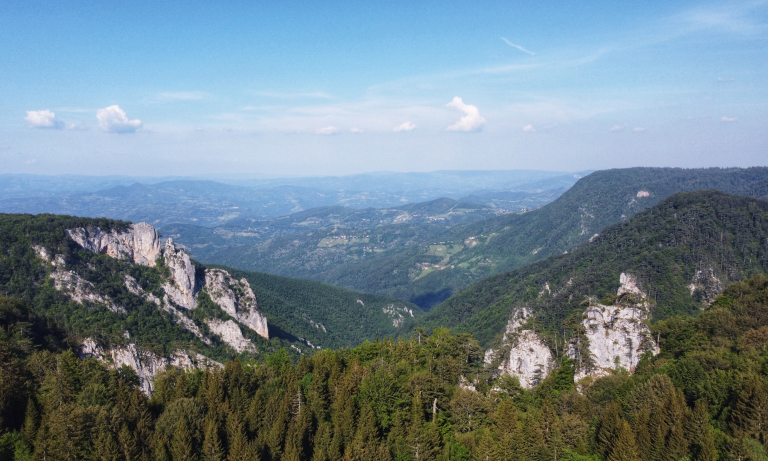 Prokuplje in one dayThe hilltop Hisar fortress and the home of the Prokupac grape.
Best time to visit Serbia
My short answer: May–June or September–October. Days are warm but not scorching, the countryside is green or golden, and cities are lively without the peak-summer heat. July and August are festival season but regularly go above 30 °C, while winter brings snow – perfect if you’re heading to Kopaonik or Zlatibor.
| Season | What to expect | Best for |
|---|---|---|
| Spring (April–June) | Mild days, blossoming orchards, full rivers and waterfalls. | City breaks, monasteries, hiking |
| Summer (July–August) | Hot and sunny, river beaches and festivals – Guča in August, Roštiljijada in Leskovac at the end of summer. | Nightlife, festivals, Ada Ciganlija |
| Autumn (September–October) | Grape and plum harvest, colourful forests, comfortable temperatures. | Wine, road trips, national parks |
| Winter (November–March) | Cold, often snowy; cosy kafanas and Christmas on 7 January (Orthodox calendar). | Skiing, spa towns, budget city breaks |
How many days do you need in Serbia?
A long weekend is enough for Belgrade and Novi Sad, but 7–10 days lets you see the north, the centre and the south. Here are three routes – each stop links to its one-day itinerary.
3 days: Belgrade & Novi Sad
- Day 1: Belgrade – Kalemegdan, Knez Mihailova, Skadarlija and a night on the river.
- Day 2: a day trip to Smederevo or Pančevo.
- Day 3: the fast train to Novi Sad for Petrovaradin and Dunavska street.
7 days: Vojvodina & Belgrade
- Day 1–2: Belgrade
- Day 3: Novi Sad
- Day 4: Subotica and Lake Palić
- Day 5: Sombor or Zrenjanin
- Day 6: Sremska Mitrovica and Ruma with Fruška Gora monasteries
- Day 7: back to Belgrade via Pančevo
10–14 days: north to south
- North: Subotica, Novi Sad, Kikinda, Zrenjanin
- Belgrade & the Danube: Belgrade, Smederevo – add a day for the Iron Gates and Golubac fortress
- Centre: Kragujevac, Jagodina, Kruševac, Kraljevo
- West: Užice for Zlatibor and Mokra Gora, then Novi Pazar
- South: Niš, Leskovac and Prokuplje
Getting to Serbia and getting around
Arriving
Most international flights land at Belgrade Nikola Tesla Airport. Niš Constantine the Great Airport has low-cost connections, and Morava Airport near Kraljevo has a handful of routes. Serbia also has good road and bus links with Croatia, Hungary, Bosnia and Herzegovina and the rest of the Balkans.
By train (finally a good option!)
The high-speed Soko trains changed everything in the north. Belgrade–Novi Sad has run since 2022 and takes around 35 minutes, and since October 2025 the line continues to Subotica, which you can now reach from Belgrade in about 80 minutes at up to 200 km/h. Elsewhere, trains are slow and infrequent.
By bus
Buses are the backbone of travel in central, southern and western Serbia – frequent, cheap and reliable. Buy tickets at the station or online, and keep some small change for the luggage fee and the station platform token.
By car
Renting a car is the easiest way to reach monasteries, national parks and mountain villages. Motorways (like Belgrade–Niš) are tolled; local roads can be slower than the map suggests. Parking in central Belgrade is zoned and paid, usually by SMS.
Entry rules for Serbia in 2027
Serbia is not in the EU or the Schengen Area, so you go through a full passport check when you arrive, and time spent in Serbia does not count towards your Schengen 90/180 days.
- Visa-free stays: citizens of the EU, UK, US, Canada, Australia and many other countries can visit visa-free, usually for up to 90 days within a six-month period. EU citizens can also enter with a national ID card. Check your own nationality before you go.
- Passport validity: UK guidance says your passport must be valid for at least 90 days after you leave Serbia.
- Register within 24 hours: foreigners must be registered with the local police within 24 hours of arrival. Hotels and most licensed apartments do this automatically at check-in – if you stay with friends or in private accommodation, make sure it’s done.
- EES: when you cross from Serbia into a Schengen country such as Hungary or Croatia, non-EU travellers are registered in the EU’s Entry/Exit System (photo and fingerprints) at that border.
- Cash: amounts over €10,000 must be declared on arrival.
Money and daily budget
Serbia uses the Serbian dinar (RSD). Some hotels and apartments quote prices in euros, but day-to-day you pay in dinars. Cards work in most cafés, restaurants and shops in cities; carry cash for markets, bakeries, small kafanas and rural areas. Exchange offices (menjačnica) usually give better rates than airport kiosks. Tipping isn’t mandatory, but rounding up or leaving around 10% is appreciated.
| Travel style | Rough daily budget (per person) | What you get |
|---|---|---|
| Budget | €35–50 | Hostel or simple room, bakery breakfasts, buses, free sights |
| Mid-range | €60–100 | Private apartment or 3-star hotel, kafana dinners, museums, a few taxis |
| Comfort | €130+ | Boutique hotels, rental car, wine tastings, fine dining |
Belgrade is the most expensive city; smaller towns like Jagodina, Prokuplje or Kikinda are noticeably cheaper. My city guides list real prices in dinars and euros.
What to eat and drink in Serbia

Serbian food is hearty, meaty and made for sharing. Come hungry – portions are big.
- Ćevapi & pljeskavica – grilled minced meat, best in Leskovac, the grill capital.
- Kajmak & ajvar – creamy dairy spread and roasted red pepper relish that go with everything.
- Burek, gibanica & proja – flaky pies, cheese pastry and cornbread for breakfast.
- Sarma & prebranac – cabbage rolls and baked beans, true comfort food in winter.
- Karađorđeva šnicla – a rolled, breaded schnitzel stuffed with kajmak.
- Fish paprikaš & Danube fish – a must in Vojvodina towns like Novi Sad and Sombor.
- Turkish coffee & baklava – in the old bazaar of Novi Pazar.
- Rakija – fruit brandy; šljivovica (plum) is the national drink.
- Prokupac – Serbia’s native red grape, named after Prokuplje.
- Fruška Gora wines – white wines and bermet, a sweet dessert wine from Sremski Karlovci.
- Local beer – try Zrenjanin’s summer beer festival in Zrenjanin.
Top experiences in Serbia
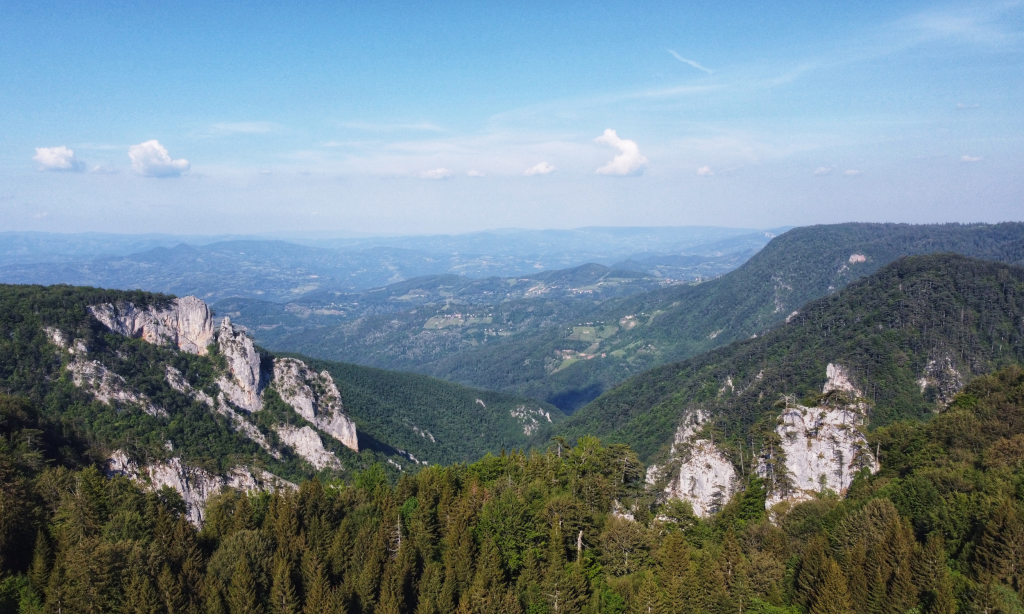
- Sunset at Kalemegdan – watch the Sava meet the Danube in Belgrade.
- The Iron Gates (Đerdap) – the Danube’s most dramatic gorge, with Golubac fortress and the prehistoric site of Lepenski Vir.
- Fruška Gora monasteries – an easy day from Novi Sad or Ruma, with vineyards in between.
- Studenica & Žiča – medieval monasteries near Kraljevo; Studenica is UNESCO-listed.
- Zlatibor, Tara & Mokra Gora – mountains, forests and the Šargan Eight heritage railway near Užice.
- Uvac canyon – river meanders and griffon vultures in the southwest.
- Roman history – Sirmium in Sremska Mitrovica and Constantine’s birthplace Niš.
- Guča Trumpet Festival – Balkan brass, every August in the village of Guča.
My honest local tips

- Learn a few Cyrillic letters – both scripts are used, but some signs and menus are Cyrillic only.
- Eat in a kafana – traditional taverns with live music are where Serbia really comes alive.
- Carry cash outside the cities – small bakeries, markets and village restaurants often don’t take cards.
- Use official taxis or ride-hailing apps in Belgrade, and agree on the meter before you go.
- Expect smoke – smoking indoors is still common in some cafés and kafanas.
- Stay aware of the news – Serbia is safe for visitors, but avoid large demonstrations if you come across one.
Beyond the border: easy trips from Serbia
Serbia sits right in the middle of the Balkans. From Sombor or Novi Sad it’s a short drive to Croatia – start with my Croatia travel guide and the moving Vukovar itinerary. Heading west from Užice? Bosnia and Herzegovina is close – see one day in Sarajevo. From Subotica, Hungary is right across the border, so Budapest makes a perfect next stop. More ideas in my Europe travel guide.
Work with me

Hotel, tourist organisation or travel brand in Serbia?
I create honest, practical one-day itineraries read by travellers planning their next trip – plus photos, drone shots and Instagram stories from the road. I’m open to collaborations with hotels, apartments, restaurants, wineries, tour operators and destinations across Serbia: sponsored itineraries, destination features, press trips and social media campaigns.
Work with me Get in touchSerbia travel FAQ
Is Serbia safe for tourists?
Yes. Serbia is generally safe, and people are famously welcoming. Use normal big-city precautions in Belgrade, use official taxis or apps, and avoid large demonstrations.
Do I need a visa for Serbia?
Citizens of the EU, UK, US, Canada, Australia and many other countries can visit visa-free, usually for up to 90 days within six months. Serbia is not in the Schengen Area, so it has its own border checks.
Do I need to register with the police in Serbia?
Yes, foreigners must be registered within 24 hours of arrival. Hotels and most licensed accommodation do it for you at check-in; if you stay privately, make sure your host registers you.
Can I pay with euros in Serbia?
The currency is the Serbian dinar (RSD). Some accommodation quotes prices in euros, but in shops, restaurants and transport you pay in dinars. Cards are widely accepted in cities.
What is the best time to visit Serbia?
May–June and September–October offer the best weather for sightseeing. Summer is hot and festival-packed; winter is cold and great for skiing.
How do I get from Belgrade to Novi Sad?
Take the high-speed Soko train: around 35 minutes from Belgrade to Novi Sad, and since October 2025 about 80 minutes all the way to Subotica.
How many days do you need in Serbia?
3 days for Belgrade and Novi Sad, 7 days to add Vojvodina, and 10–14 days to see the north, the centre, the west and the south.
What is the emergency number in Serbia?
Police 192, fire 193, ambulance 194. Dialling 112 from a mobile phone connects you to the police.
Ready to explore Serbia one day at a time?
Start with the capital or go off the beaten path – every guide is packed with practical tips and real prices.
Start with BelgradeDiscover Novi Sad@miki.kokica on Instagram