
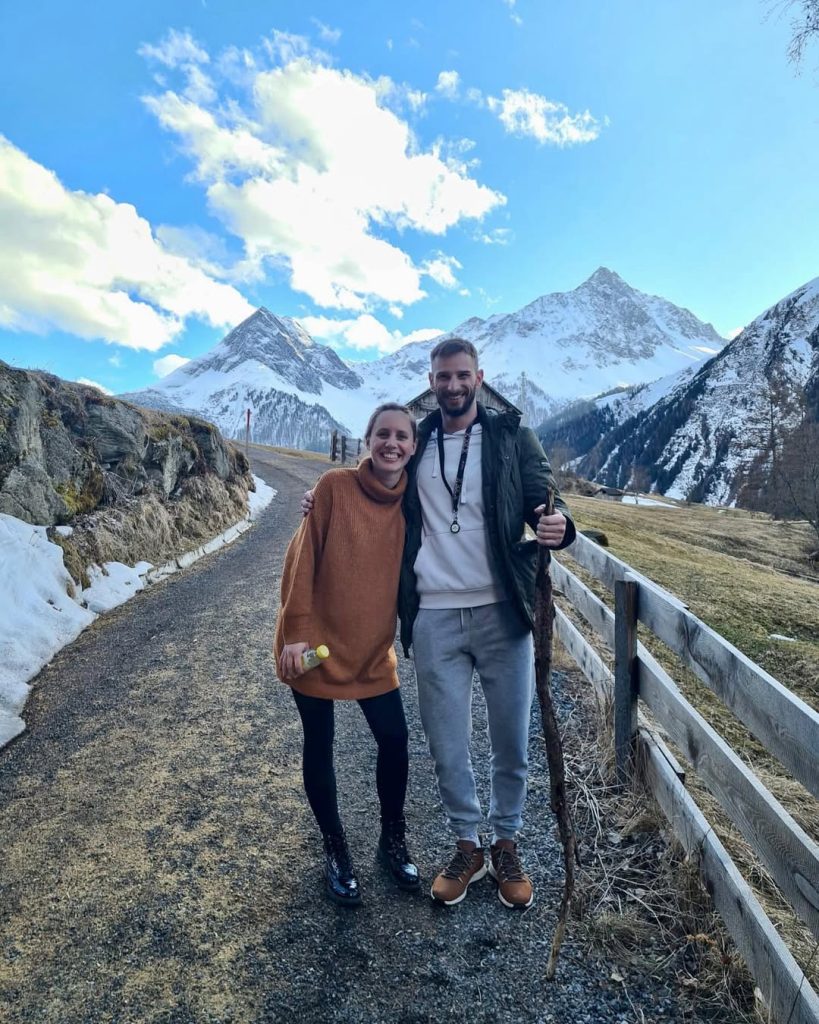
Hi, I’m Miki – and Austria is the country that surprises me every single time. One day you’re sipping a melange in a Viennese coffee house, the next you’re driving an Alpine road with snowy peaks on both sides. On my road trip to Upper Austria I fell for Wels, a city that rarely makes the guidebooks, and that’s exactly the spirit of this site: one-day itineraries for 20 Austrian cities and towns, from Vienna and Salzburg to small places most visitors drive straight past.
This Austria travel guide for 2027 ties them all together. Use it to choose a region, pick the right season, plan your route by train or car – and then open my one-day guides to plan every single day.
Why Austria should be on your list
- Imperial cities with real everyday life – Vienna, Salzburg, Graz and Innsbruck are compact, walkable and full of cafés.
- The Alps on your doorstep – hiking and lakes in summer, skiing and cosy mountain huts in winter.
- Music everywhere – Mozart’s Salzburg, the Vienna State Opera and summer festivals from Bregenz to the Danube.
- Excellent public transport – fast, comfortable ÖBB trains link all the big cities.
- Easy for travellers – it’s in the EU and Schengen, uses the euro and tap water is safe to drink everywhere.
Austria region by region
Austria is small enough to cross by train in a day, but every region feels different – from the imperial east and the Danube vineyards to the high Alps of Tyrol and the lakes of the south. Here’s how I split the country:
Vienna & Lower Austria
Imperial palaces, coffee houses and the opera in the capital, plus vineyards along the Danube in the Wachau and relaxed spa towns just outside the city.
Plan your day: Vienna, Baden, Krems, Sankt Pölten, Wiener Neustadt, Amstetten.
Upper Austria

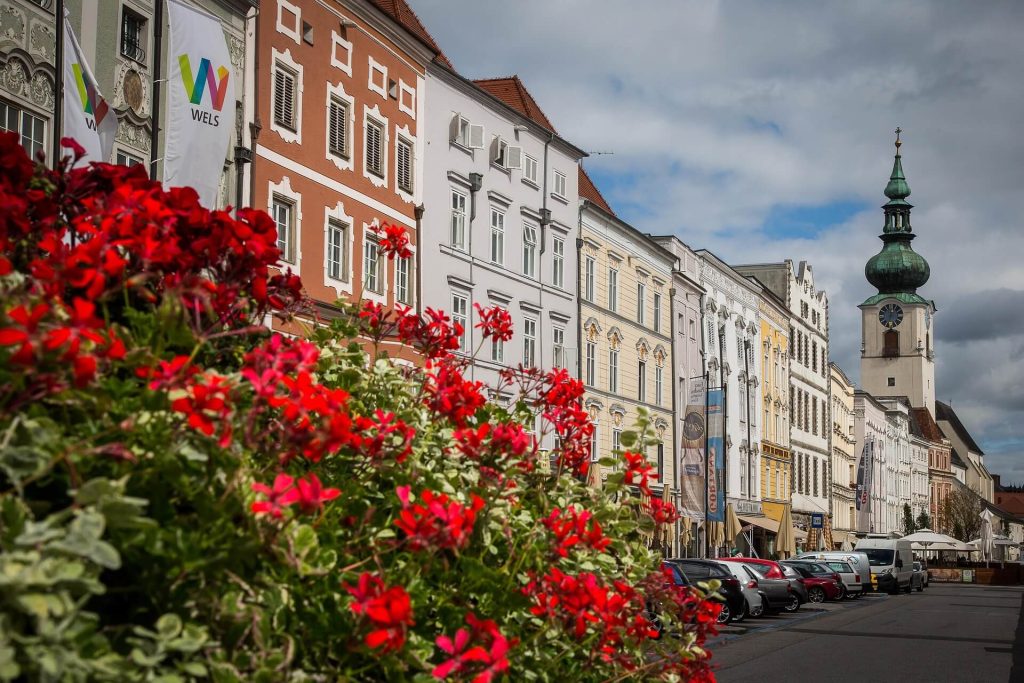
The Danube city of Linz, colourful market squares in Wels and Steyr, and the wild forests and rivers of Kalkalpen National Park.
Plan your day: Linz, Wels, Steyr, Traun, Leonding.
Salzburg & Tyrol
Baroque Salzburg, the lakes of the Salzkammergut and Innsbruck – a real city with Alpine peaks rising straight behind the rooftops.
Plan your day: Salzburg, Innsbruck.
Vorarlberg
Austria’s far west on Lake Constance: lake promenades, mountain gorges and medieval towns a short hop from Switzerland and Germany.
Plan your day: Bregenz, Dornbirn, Feldkirch.
Styria & Carinthia
The south: Graz’s food scene and pumpkin-seed-oil country in Styria, and warm, swimmable Alpine lakes in Carinthia.
Plan your day: Graz, Klagenfurt, Villach, Wolfsberg.
Planning a trip to Austria?
Pick a city, open its one-day itinerary and you’ll know exactly what to see, where to eat and how to get around – no fluff.
See all Austria itinerariesFollow my trips on InstagramAll my Austria one-day itineraries
Every guide below is built around one perfect day: the must-sees, local food stops, practical tips and what to skip if you’re short on time.
 Vienna & Lower AustriaVienna in one daySt. Stephen’s Cathedral, the Hofburg, Naschmarkt and coffee-house culture.
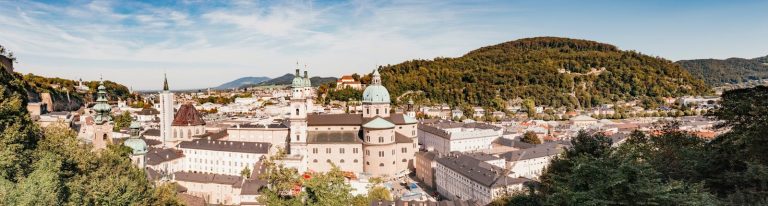 Salzburg & TyrolSalzburg in one dayMozart’s birthplace, Mirabell Gardens and the Hohensalzburg Fortress.
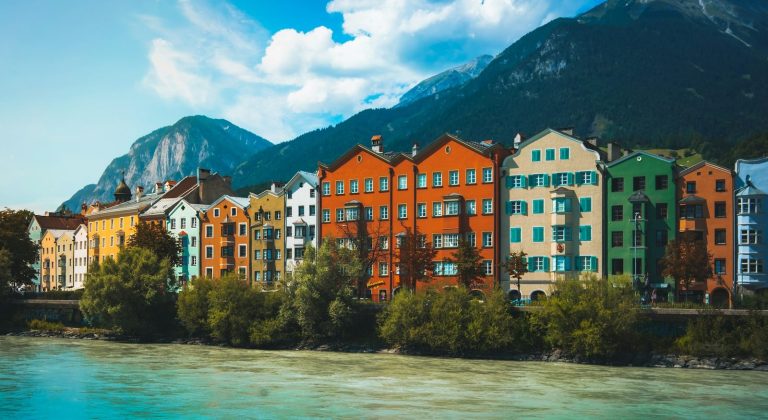 Salzburg & TyrolInnsbruck in one dayThe Golden Roof in the old town and the Nordkette peaks above it.
 Styria & CarinthiaGraz in one dayUNESCO old town, the Schlossberg clock tower and the Kunsthaus.
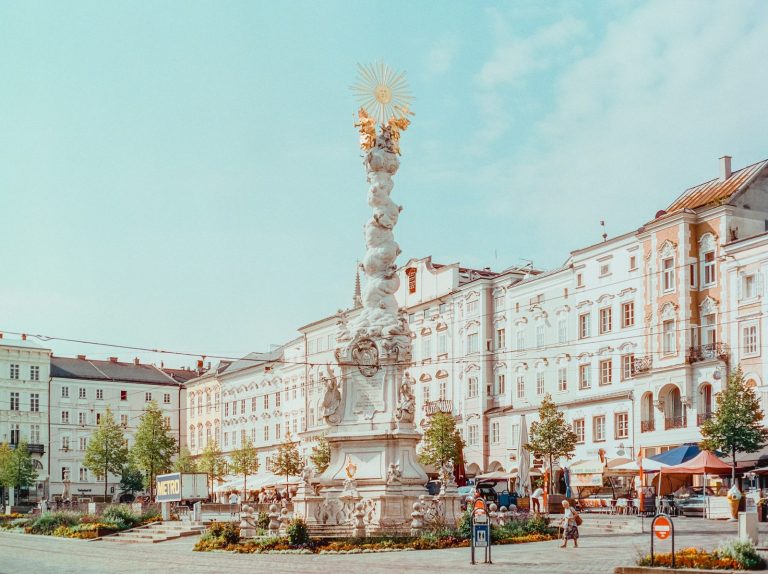 Upper AustriaLinz in one dayDanube city of the Ars Electronica Center and the Pöstlingberg views.
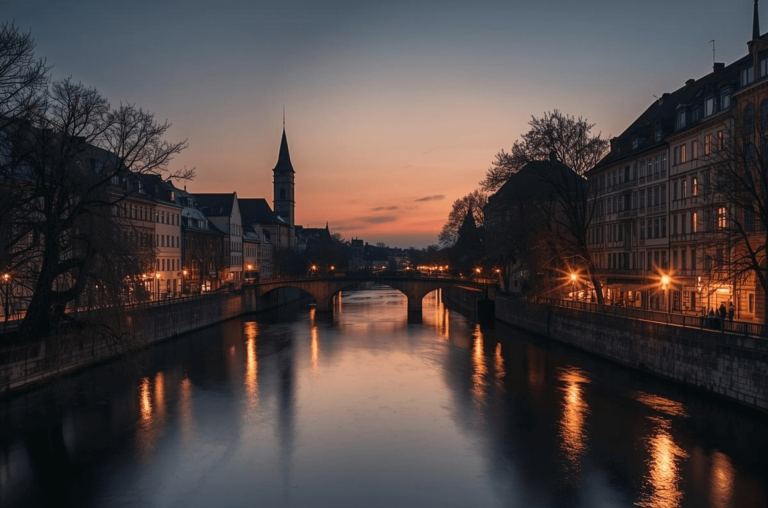 Upper AustriaWels in one dayA pastel Stadtplatz, the Ledererturm and Roman roots as Ovilava.
 Vienna & Lower AustriaKrems in one dayGateway to the UNESCO-listed Wachau valley, its wine and apricots.Vienna & Lower AustriaBaden in one dayElegant spa town with thermal baths, a huge Kurpark and a casino.Upper AustriaSteyr in one dayMedieval town where the Enns and Steyr rivers meet.
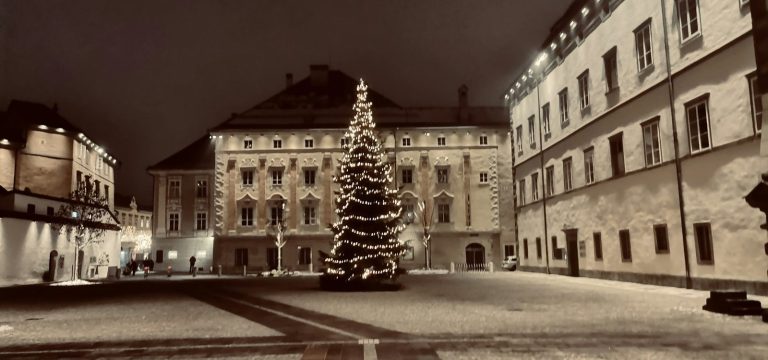 Styria & CarinthiaKlagenfurt in one dayLake Wörthersee, the Lindwurm dragon fountain and Minimundus.
 Styria & CarinthiaVillach in one dayDrava riverside town close to Faaker See and the Italian border.
 VorarlbergBregenz in one dayLake Constance promenades and the famous floating festival stage.
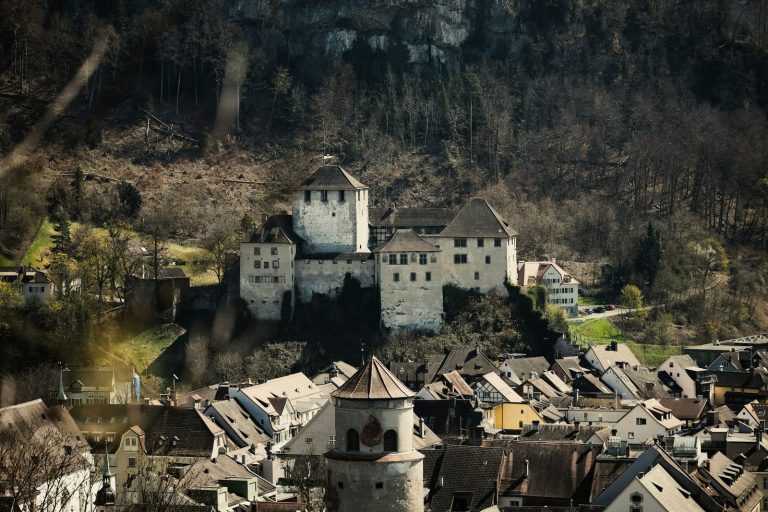 VorarlbergFeldkirch in one dayArcaded medieval lanes below the Schattenburg castle.
 VorarlbergDornbirn in one dayRappenloch gorge hikes and the Karren cable car viewpoint.
 Vienna & Lower AustriaSankt Pölten in one dayBaroque old town around Rathausplatz in Lower Austria’s capital.
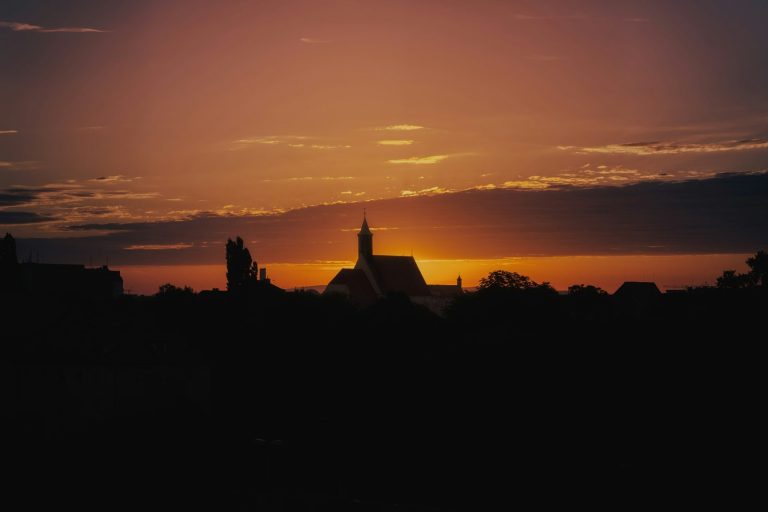 Vienna & Lower AustriaWiener Neustadt in one dayHistoric castle town south of Vienna with a Romanesque cathedral.Vienna & Lower AustriaAmstetten in one dayLaid-back base for the cider (Most) country of the Mostviertel.Upper AustriaTraun in one dayRiverside town on the Traun, minutes from Linz.Upper AustriaLeonding in one dayGreen, easy-going town right on Linz’s doorstep.Styria & CarinthiaWolfsberg in one dayQuiet castle town in Carinthia’s green Lavanttal valley.
Best time to visit Austria in 2027

My short answer: May to June or September to October for cities, hiking and road trips, and December to March if you’re coming for snow. Late November and December are magical in the cities thanks to the Advent markets.
| Season | What to expect | Best for |
|---|---|---|
| Spring (April–June) | Blooming gardens, fewer crowds; high mountain passes and huts open from late spring. | City breaks, Wachau vineyards, cycling |
| Summer (July–August) | Warm and busy, festivals everywhere, Alpine lakes warm enough to swim. | Hiking, lakes, Salzburg & Bregenz festivals |
| Autumn (September–October) | Golden forests, grape harvest and new wine, comfortable temperatures. | Road trips, wine taverns, photography |
| Winter (November–March) | Cold, snowy in the mountains, Advent markets in the cities. | Skiing, Christmas markets, thermal spas |
How many days do you need in Austria?
A long weekend is perfect for Vienna, but 7–10 days lets you cross the country from east to west by train. Three routes I recommend – every stop links to its one-day itinerary:
3 days: Vienna & the Danube
- Day 1: Vienna – the Hofburg, St. Stephen’s and a coffee-house afternoon.
- Day 2: Krems and the Wachau valley – vineyards, apricots and Danube views.
- Day 3: Baden – thermal baths and the Kurpark, just south of Vienna.
7 days: east to west by train
- Day 1–2: Vienna
- Day 3: Linz or Wels
- Day 4–5: Salzburg plus a day trip to the Salzkammergut lakes
- Day 6–7: Innsbruck and the mountains above the city
10–14 days: the grand loop
- Start with Vienna, Krems and Sankt Pölten
- Head south to Graz, then to the lakes around Klagenfurt and Villach
- Cross the Alps to Innsbruck and continue west to Feldkirch, Dornbirn and Bregenz on Lake Constance
- Return via Salzburg, Steyr and Linz
Getting to Austria and getting around
Arriving
Vienna Airport is the main international gateway, with smaller airports in Salzburg, Innsbruck, Graz, Linz and Klagenfurt. Austria also has excellent direct trains from Germany, Switzerland, Italy, Hungary, Czechia and Slovakia, and night trains from many European cities.
By train (my pick for cities)
ÖBB trains are fast, punctual and comfortable – Vienna to Salzburg takes around 2.5 hours. Book early to get discounted Sparschiene fares, and compare with WESTbahn on the Vienna–Salzburg line. Regional trains and buses reach smaller towns like Steyr or Feldkirch easily.
By car
A car is the best way to explore the Alps and lake regions. Motorways and expressways require a vignette, which is now sold digitally only – the sticker version is being phased out. Some Alpine tunnels and scenic routes (such as the Grossglockner High Alpine Road) charge an extra toll. In winter, cars must have winter tyres whenever there’s snow or ice on the road.
In the cities
Vienna, Graz, Linz, Salzburg and Innsbruck all have trams or buses, and day passes pay off quickly if you ride more than twice. City cards such as the Salzburg Card bundle transport with museum entry.
Entry rules for Austria in 2027
Austria is a member of the EU and the Schengen Area. Non-EU visitors who don’t need a visa can usually stay up to 90 days in any 180-day period (check whether your nationality needs a visa).
- EES (Entry/Exit System): in full operation at Schengen borders since April 2026. Non-EU travellers have their photo and fingerprints taken at the first entry instead of a passport stamp – usually at the airport, since Austria’s land borders are with other Schengen countries.
- ETIAS: not required yet. When it launches, visa-free travellers (e.g. from the US, UK, Canada and Australia) will need to apply online before the trip. The fee is set at €20 and no start date has been announced yet.
- Only use the official EU website for ETIAS – beware of copycat sites charging extra fees.
Money and daily budget
Austria uses the euro. Cards are widely accepted, but keep some cash for sausage stands, mountain huts, small bakeries and markets. Tipping isn’t compulsory, but rounding up or adding around 5–10% in restaurants is normal – tell the waiter the total you want to pay rather than leaving coins on the table.
| Travel style | Rough daily budget (per person) | What you get |
|---|---|---|
| Budget | €70–100 | Hostel dorm, bakery breakfasts, supermarket picnics, day transport passes |
| Mid-range | €150–200 | Comfortable hotel, café lunches, restaurant dinners, a couple of museums |
| Comfort | €250+ | Boutique hotels, rental car, concerts, spa days and ski passes |
Vienna, Salzburg and the ski resorts are the most expensive places to stay; smaller cities such as Wels, Steyr or Wolfsberg are noticeably cheaper. Shoulder season (May, June, September, October) saves money on rooms, and tap water is safe everywhere – bring a reusable bottle.
What to eat and drink in Austria
Austrian food is hearty, comforting and seriously good with a glass of local wine. My must-tries:
- Wiener Schnitzel – thin, crispy breaded veal, best in a traditional Viennese restaurant in Vienna.
- Tafelspitz – boiled beef with apple-horseradish sauce, a Viennese classic.
- Sachertorte & Apfelstrudel – order them in a historic coffee house with a melange.
- Kaiserschmarrn – fluffy shredded pancake with plum compote, a mountain-hut favourite.
- Salzburger Nockerl – a sweet, airy soufflé from Salzburg.
- Käsespätzle – cheesy noodles with crispy onions from Tyrol and Vorarlberg (perfect after a day in Innsbruck).
- Kärntner Kasnudeln – Carinthian pasta parcels filled with curd and mint, try them around Klagenfurt.
- Styrian pumpkin seed oil – dark green and nutty; drizzle it on salads in Graz.
- Grüner Veltliner – Austria’s signature white wine, straight from the Wachau around Krems.
- Zweigelt – the most popular Austrian red.
- Most – pear or apple cider from the Mostviertel around Amstetten.
- Heuriger – rustic wine taverns on Vienna’s edge serving the winemaker’s own wine.
Top experiences and nature

- Hallstatt and the Salzkammergut – UNESCO-listed lake villages near Salzburg. Go early in the morning or stay overnight to avoid the day-trip crowds.
- Grossglockner High Alpine Road – one of Europe’s most spectacular mountain drives, usually open from May to early November.
- The Wachau valley – cycle or cruise the Danube between vineyards and abbeys, starting from Krems.
- Kalkalpen National Park – forests, wild rivers and quiet trails, easy to reach from Wels and Steyr.
- Lake swimming – Wörthersee near Klagenfurt, Faaker See near Villach and Lake Constance at Bregenz.
- Up the mountains by cable car – from Innsbruck you can reach the Nordkette high above the city in minutes.
My honest local tips
- Shops close on Sundays – supermarkets at big train stations and airports are the exception, so stock up on Saturday.
- Take your time in coffee houses – nobody will rush you, and a glass of water comes with your coffee.
- Say “Grüß Gott” – the standard greeting, especially in the countryside and the mountains.
- Book trains early for the cheapest Sparschiene tickets, especially on Fridays and Sundays.
- Check opening seasons – mountain huts, cable cars and high Alpine roads often run only from late spring to autumn.
- Don’t skip the smaller cities – places like Wels, Steyr or Feldkirch give you the charm without the crowds.
Beyond the border: easy trips from Austria
Austria sits in the heart of Europe, so neighbouring countries are close. From Vienna it’s an easy train ride to Budapest. From Villach and Klagenfurt you can be in Italy in under an hour – see my guides to Trieste and Venice, or start with my Italy travel guide. Heading south for the sea? My Croatia travel guide covers the coast from Istria to Dubrovnik. Find more ideas in my Europe travel guide.
Work with me

Hotel, tourist board or travel brand in Austria?
I create honest, practical one-day itineraries read by travellers planning their next trip – plus photos, drone shots and Instagram stories from the road. I’m open to collaborations with hotels, restaurants, wineries, tour operators and destinations across Austria: sponsored itineraries, destination features, press trips and social media campaigns.
Work with me Get in touchAustria travel FAQ
Is Austria expensive to visit?
Austria is one of the pricier countries in Central Europe, especially Vienna, Salzburg and ski resorts. Expect around €150–200 per day for mid-range travel; smaller cities and shoulder season are noticeably cheaper.
What is the best month to visit Austria?
June and September are my favourites for cities, lakes and hiking. Come between December and March for skiing, and late November to December for the Advent markets.
Do I need a vignette to drive in Austria?
Yes, a vignette is required on motorways and expressways. It is now sold digitally; a 1-day or 10-day vignette is valid immediately, while an online 2-month or annual vignette for private buyers is valid from the 18th day after purchase.
Do I need ETIAS to visit Austria?
Not yet. ETIAS has no confirmed start date (as of November 2026). Non-EU visitors are already registered in the EU Entry/Exit System (EES) with a photo and fingerprints on their first entry.
Can you drink tap water in Austria?
Yes. Tap water from the public supply is safe to drink everywhere in Austria, and Vienna’s water comes straight from Alpine springs.
How many days do you need in Austria?
Three days is enough for Vienna and the Wachau. For Vienna, Salzburg and Innsbruck by train, plan 7 days; 10–14 days lets you add Graz, Carinthia’s lakes and Vorarlberg.
Is it easy to travel around Austria by train?
Very. ÖBB trains connect all major cities quickly and comfortably, and regional trains and buses reach most smaller towns. A car is only really needed for remote Alpine valleys.
Do people speak English in Austria?
German is the official language, but English is widely spoken in cities, hotels and tourist areas. A friendly “Grüß Gott” and “Danke” always go down well.
Ready to explore Austria one day at a time?
Start with the classics or discover the cities most travellers skip – every guide helps you plan a perfect day.
Start with ViennaDiscover Wels@miki.kokica on Instagram