

Ciao, I’m Miki! Italy is a country I could visit again and again – the food, the art, the chaos and the charm. My last Italian escape started with a cheap flight from Zadar to Bari: pizza in the old town, the orecchiette street, and a day among the trulli of Alberobello. On this site you’ll find one-day itineraries for 27 Italian cities and towns, from Venice and Milan to Rome, Naples and Sicily – and this page ties them all together.
Whether you have a long weekend or two full weeks, this Italy travel guide will help you choose the right region, the right season and the right pace – and then plan every single day with my detailed one-day guides. Updated for 2027, including the new EU border rules.
Why Italy should be on your list
- More UNESCO World Heritage Sites than almost any other country – from Venice and Florence to Pompeii and the trulli of Alberobello.
- The food – every region has its own pasta, cheese and wine, and the simplest trattoria can be unforgettable.
- Art and history on every corner – Roman ruins, Renaissance masterpieces and Byzantine mosaics.
- Incredible variety – Alpine peaks, lakes, Tuscan hills, the Amalfi Coast and volcanic Sicily in one country.
- Easy to travel – fast trains link the big cities, it’s in the EU and Schengen, and it uses the euro.
Italy region by region
Italy is long, and every region feels like a different country. Here’s how I’d split it when planning a trip – each town links to its one-day itinerary.
Northern Italy

Fashion and design in Milan, the canals of Venice, the Dolomites, the lakes and Italy’s richest food region, Emilia-Romagna.
Plan your day: Milan, Venice, Verona, Turin, Genoa, Bergamo, Padua, Trento, Trieste, Parma, Bologna, Ravenna, Rimini.
Tuscany & Umbria
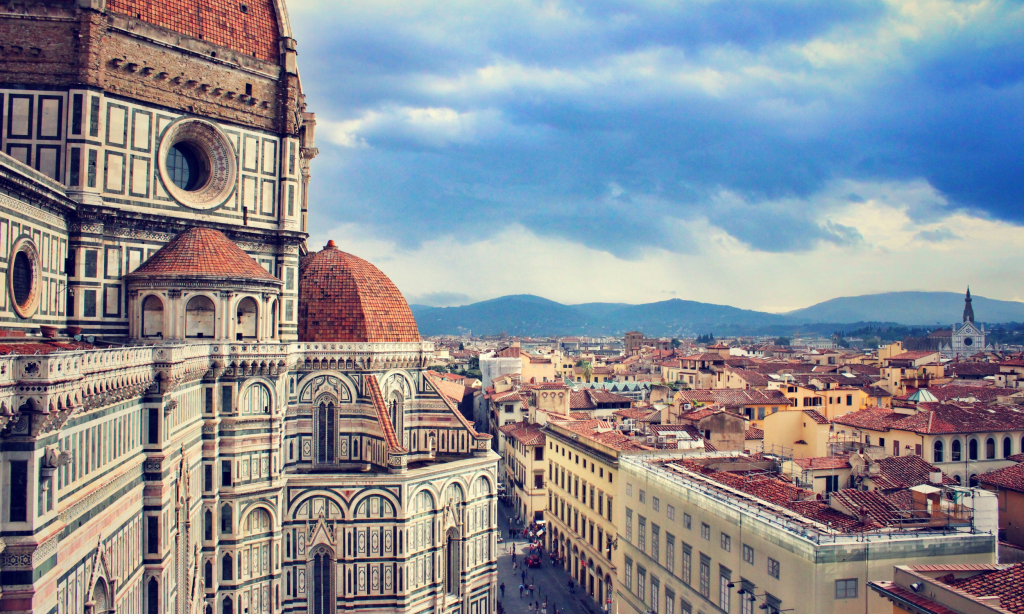
Renaissance art, rolling vineyards and hilltop towns – the Italy of postcards.
Plan your day: Florence, Pisa, Siena, Lucca, Perugia.
Rome & Lazio
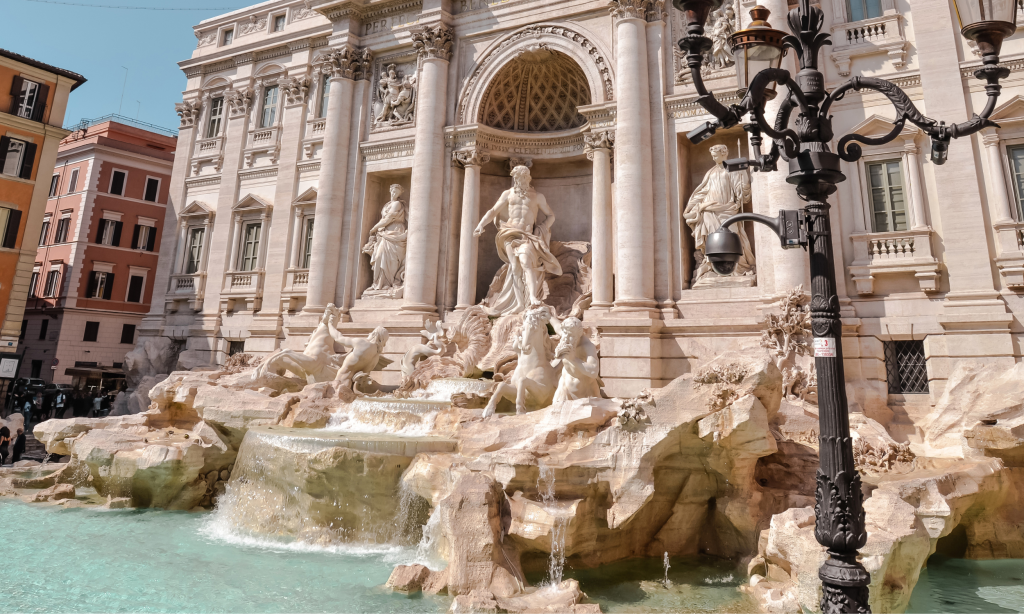
Three thousand years of history in one city, plus the Vatican – a country of its own.
Plan your day: Rome.
Campania & Puglia
Pizza in Naples, the Amalfi Coast, whitewashed Puglia, trulli and the most generous food in the country.
Plan your day: Naples, Amalfi, Bari, Alberobello, Lecce.
Sicily
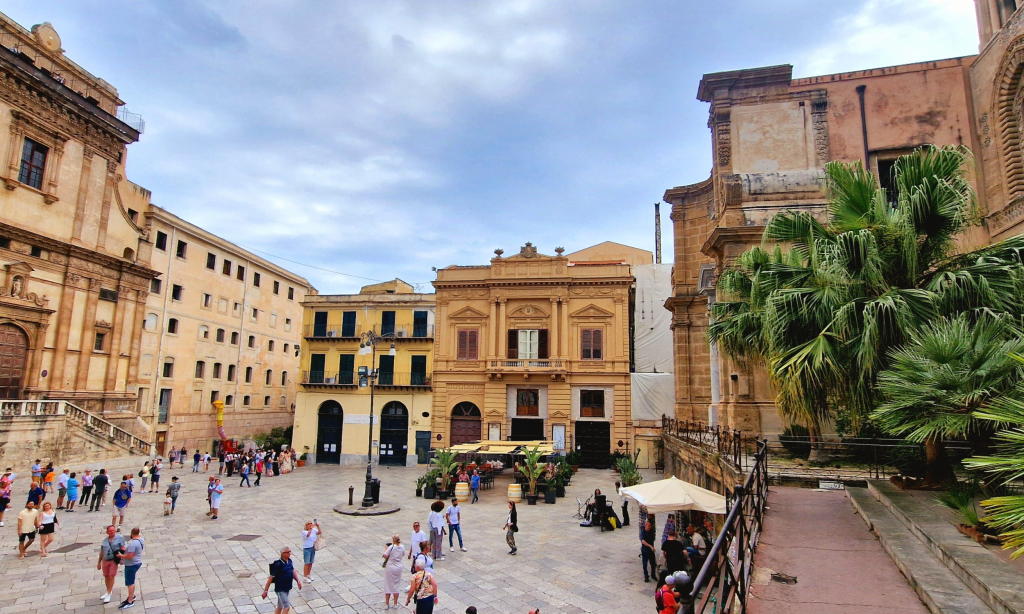
A whole world of its own: volcanoes, Greek temples, baroque towns and incredible street food.
Plan your day: Palermo, Catania, Syracuse.
Planning a trip to Italy?
Pick a city, open its one-day itinerary and you’ll know exactly what to see, where to eat and how to get there – no fluff.
See all Italy itinerariesFollow my trips on InstagramAll my Italy one-day itineraries
Every guide below is built around one perfect day: the must-sees, food stops, practical tips on transport and tickets, and what to skip if you’re short on time.
 Rome in one dayThe Colosseum, the Vatican and the Trevi Fountain in one big day.
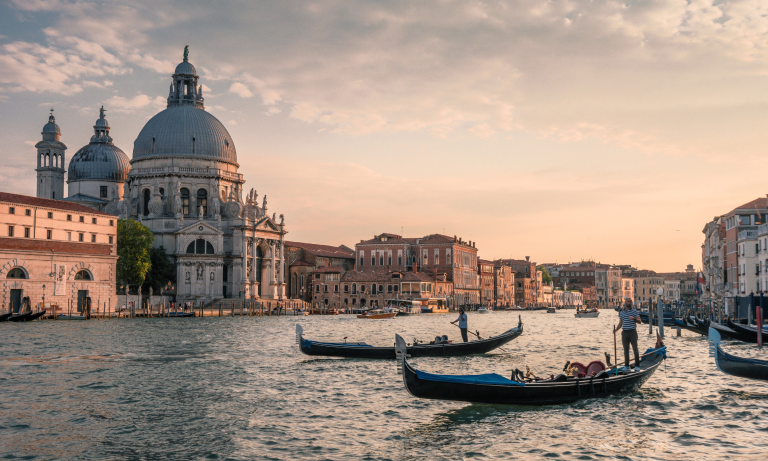 Venice in one dayCanals, St Mark’s Square and getting lost far from the crowds.
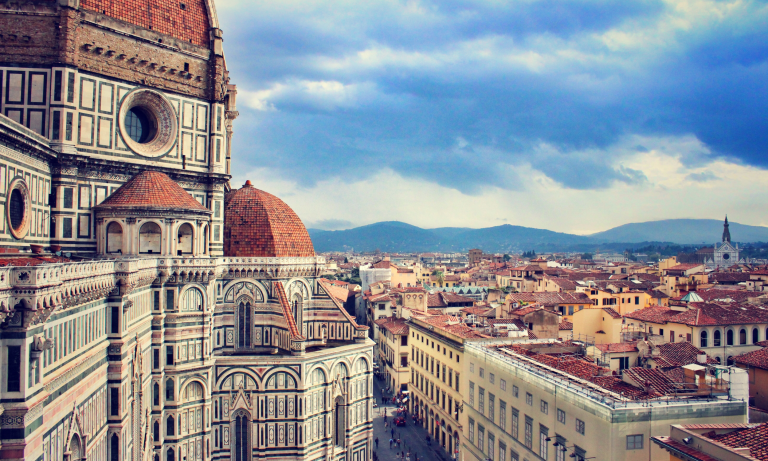 Florence in one dayBrunelleschi’s dome, the Uffizi and sunset at Piazzale Michelangelo.
 Milan in one dayThe Duomo rooftops, Galleria Vittorio Emanuele II and Leonardo’s Last Supper.
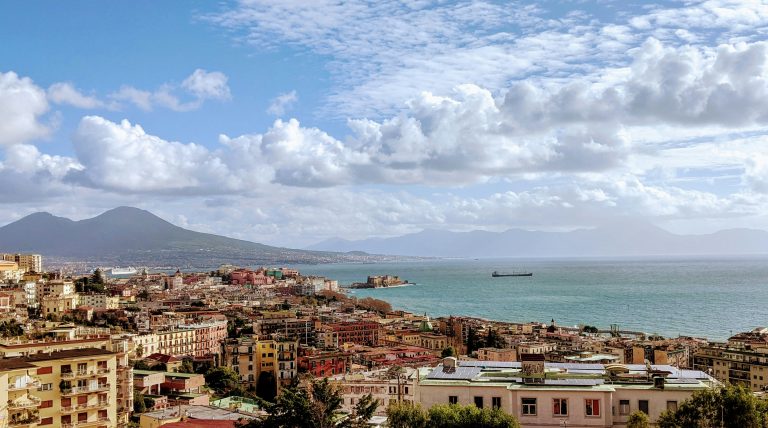 Naples in one dayThe birthplace of pizza, with Pompeii and Vesuvius nearby.
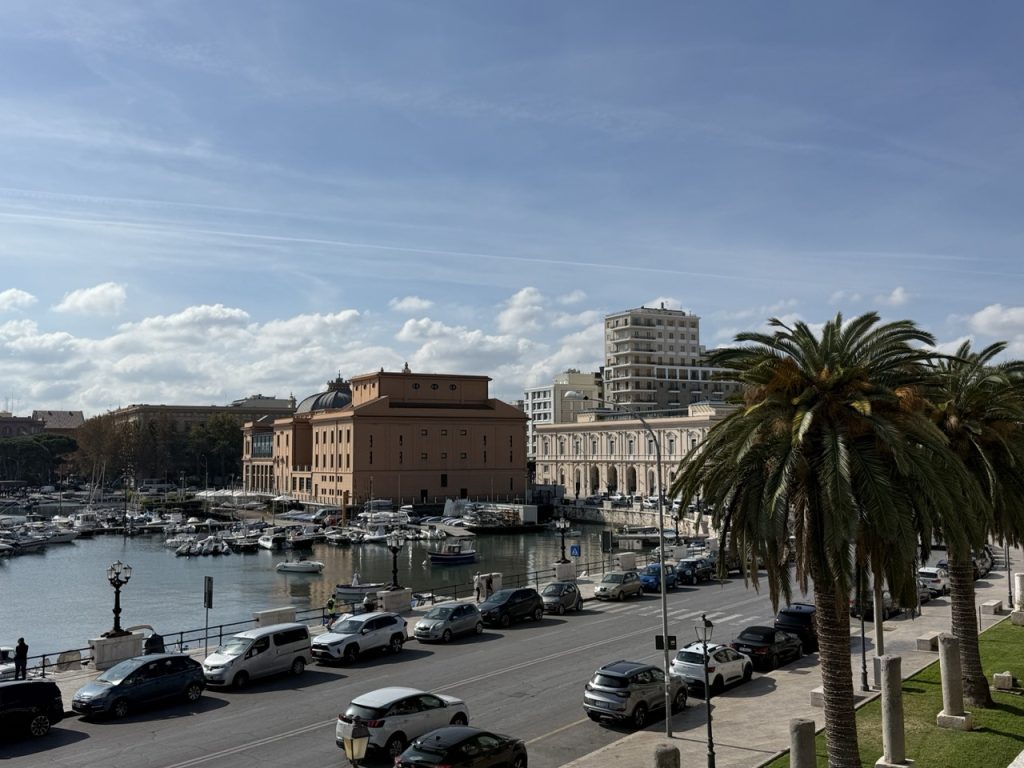 Bari in one dayBari Vecchia, the orecchiette street and the seafront Lungomare.Alberobello in one dayA whole town of UNESCO-listed trulli with cone-shaped roofs.
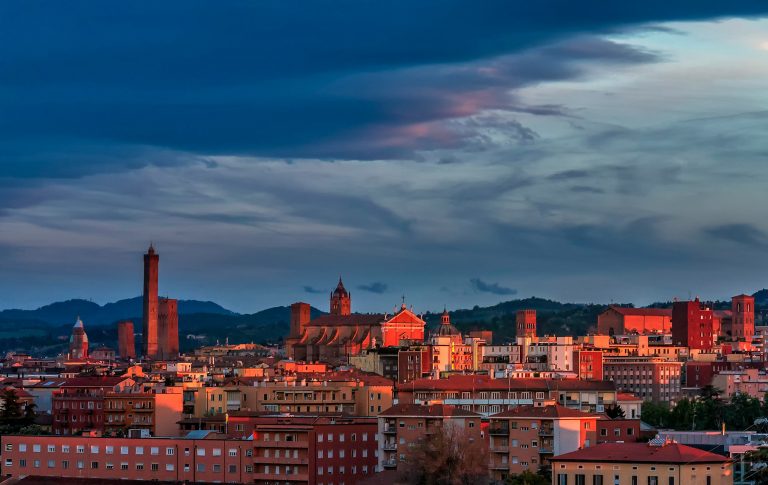 Bologna in one dayEndless porticoes, the Two Towers and the best ragù.
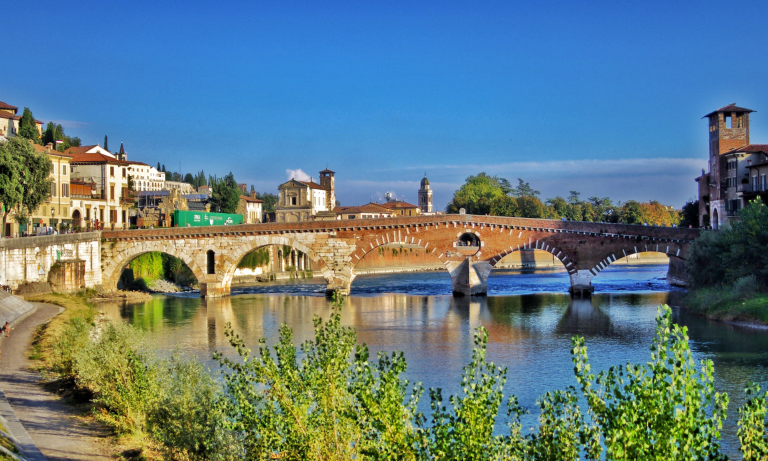 Verona in one dayA Roman arena, Juliet’s balcony and views from Castel San Pietro.
 Pisa in one dayThe Leaning Tower and the whole Piazza dei Miracoli.
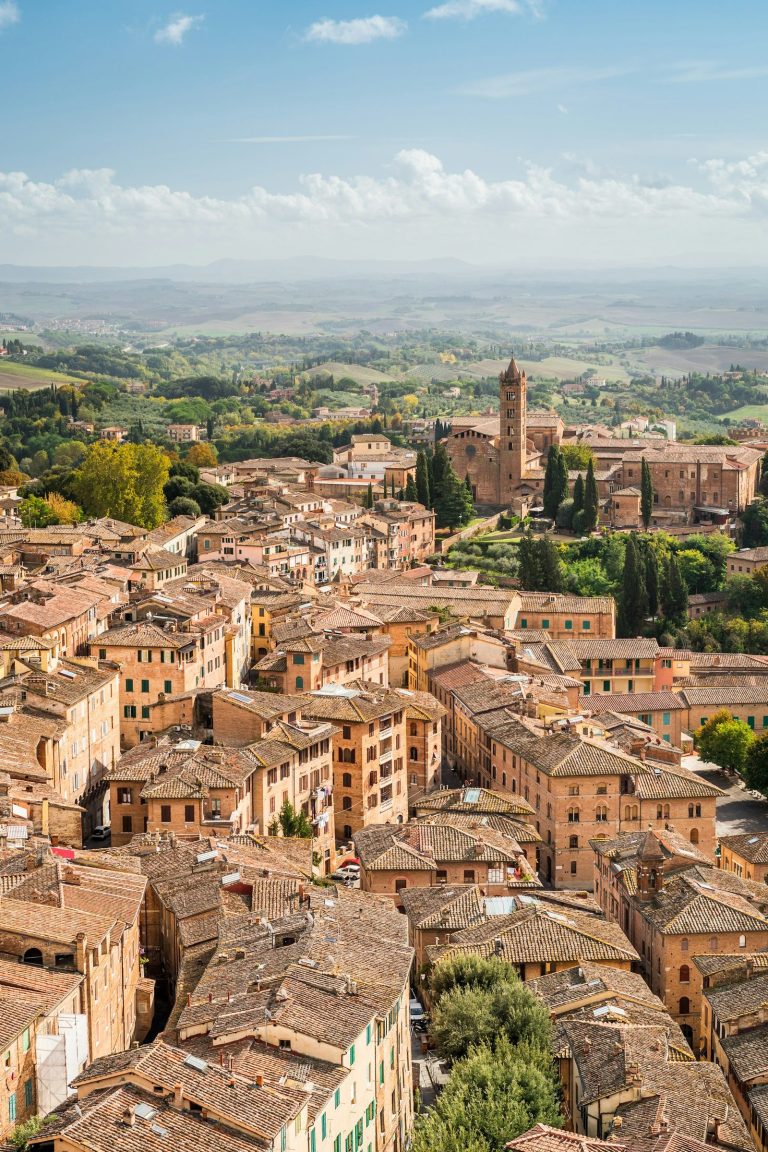 Siena in one dayShell-shaped Piazza del Campo and the striped cathedral.
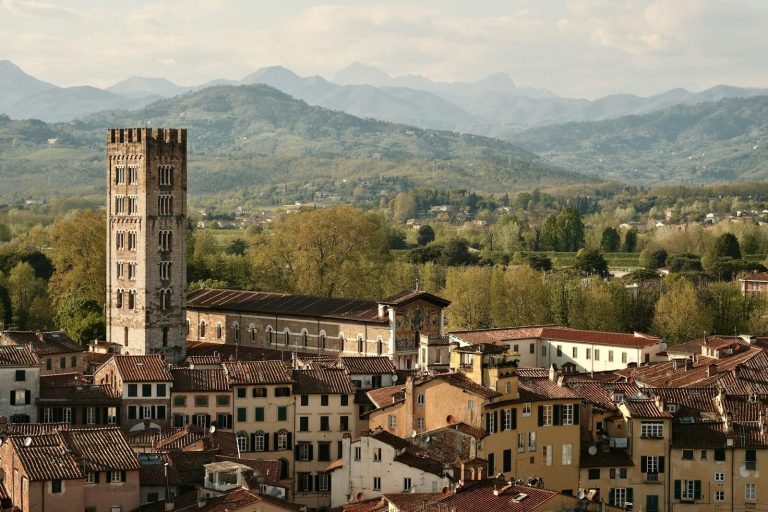 Lucca in one dayCycle on top of the Renaissance city walls.
 Turin in one dayElegant arcades, the Mole Antonelliana and the Egyptian Museum.
 Genoa in one dayPalazzi on Via Garibaldi, a maze of caruggi and real pesto.
 Bergamo in one dayA funicular up to the walled Città Alta.
 Padua in one dayGiotto’s frescoes in the Scrovegni Chapel and lively squares.
 Trieste in one dayPiazza Unità by the sea, Habsburg cafés and Miramare Castle.
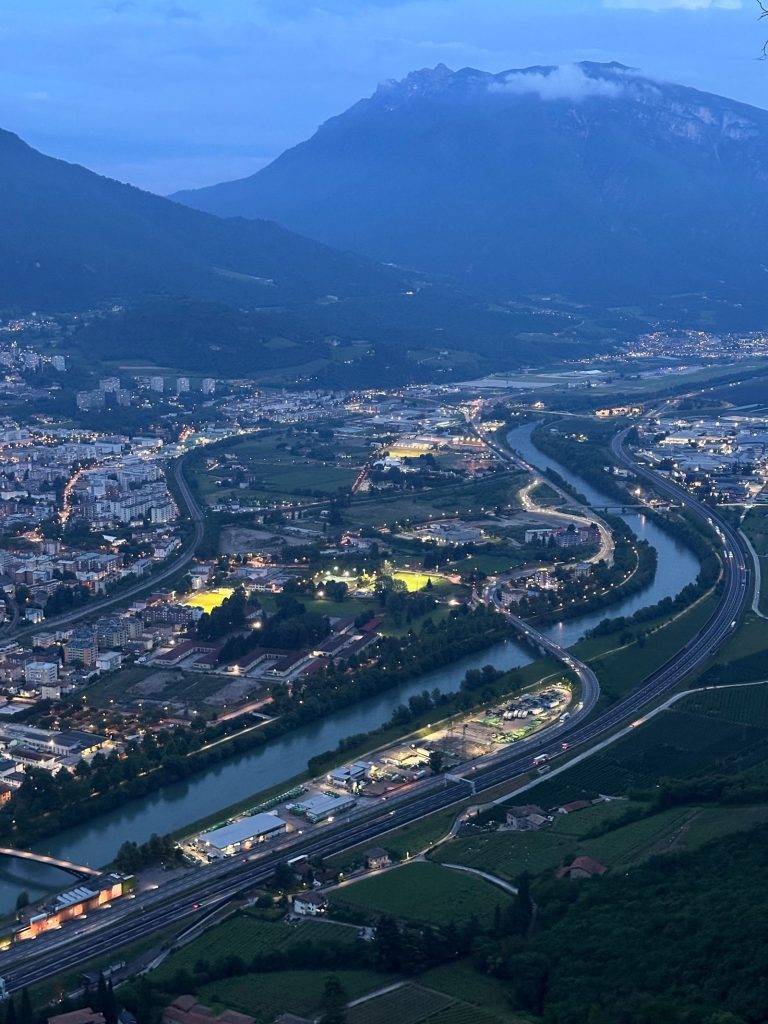 Trento in one dayCastello del Buonconsiglio and mountains on every side.
 Parma in one dayParmigiano, prosciutto and a pink-marble baptistery.
 Ravenna in one dayGlittering Byzantine mosaics in UNESCO-listed churches.
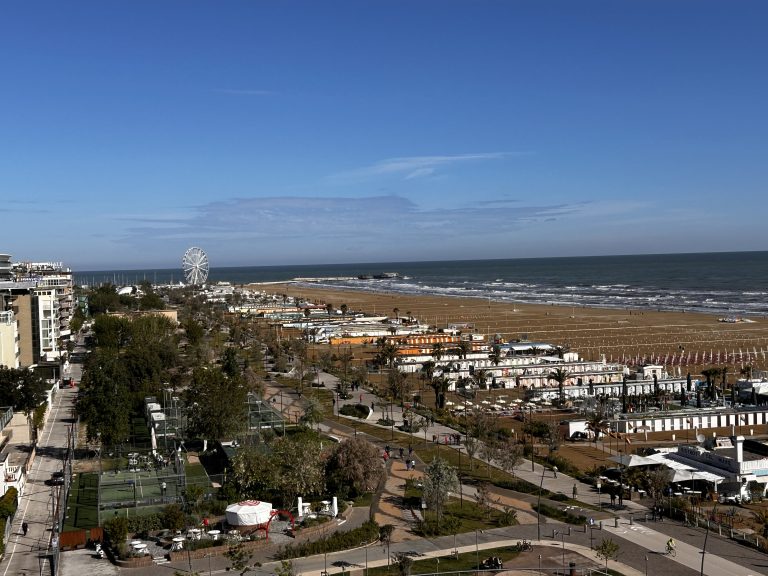 Rimini in one dayLong sandy beaches and a 2,000-year-old Roman bridge.
 Perugia in one dayHilltop Umbria, medieval lanes and chocolate.
 Amalfi in one dayCliffside lemon groves and a striking cathedral on the Amalfi Coast.
 Lecce in one dayHoney-coloured baroque – the “Florence of the South”.
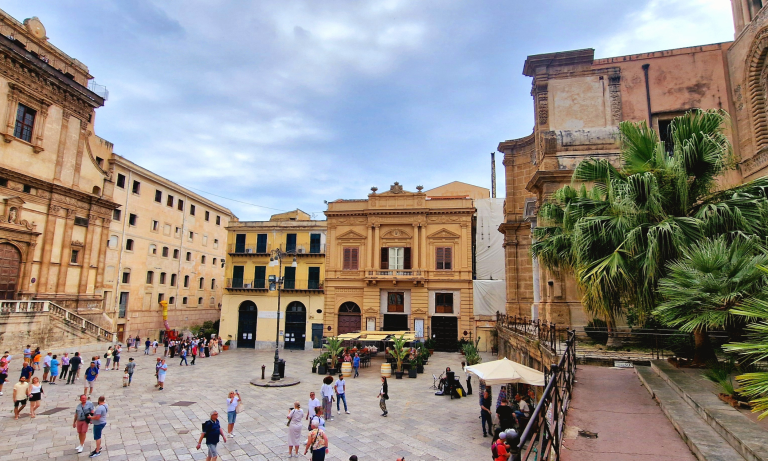 Palermo in one dayStreet-food markets and Arab-Norman monuments.
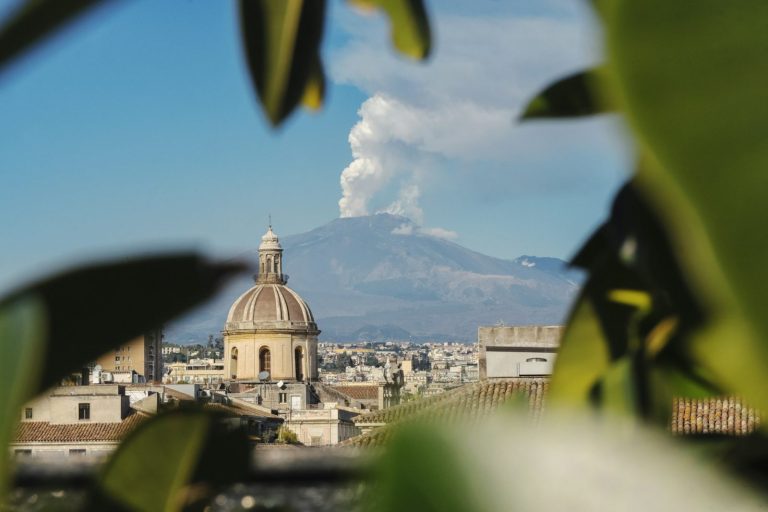 Catania in one dayA baroque city at the foot of Mount Etna and a loud fish market.
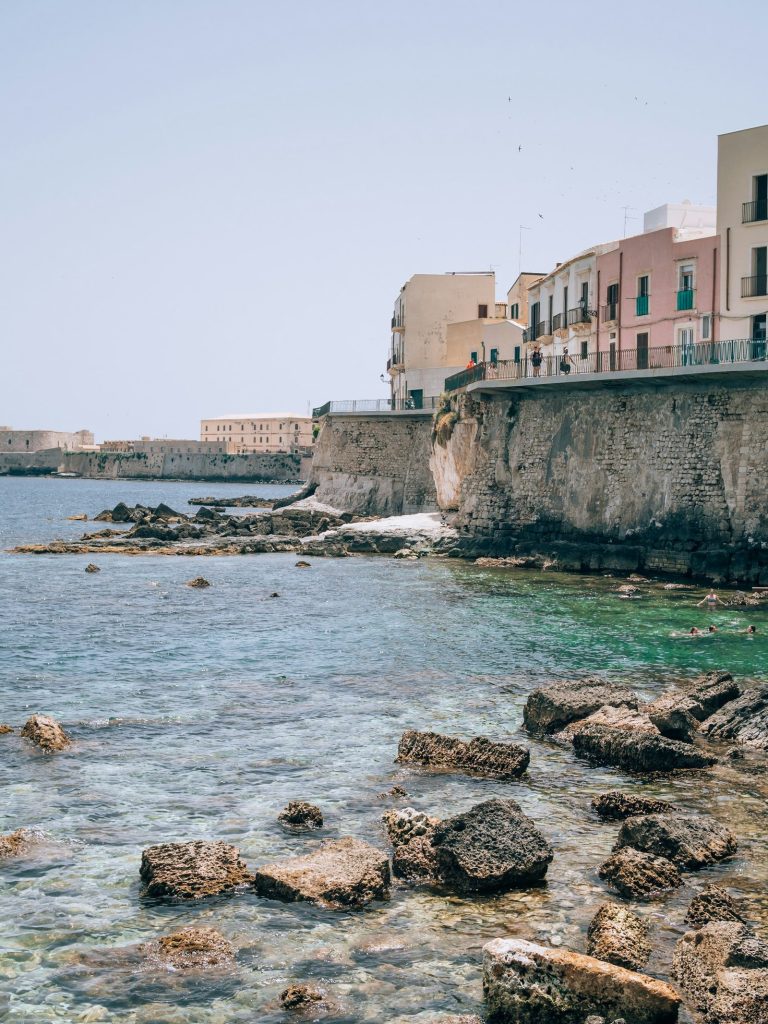 Syracuse in one dayThe island of Ortigia and a huge Greek theatre.
Best time to visit Italy
My short answer: April to June, or September to October. The weather is warm but not scorching, museums are calmer and prices are lower than in July and August. Summer is great for the beaches of Puglia, Sardinia and Sicily – just expect heat and crowds in the cities.
| Season | What to expect | Best for |
|---|---|---|
| Spring (April–June) | Mild days, blooming countryside, Easter crowds in Rome. | City breaks, Tuscany, the lakes |
| Summer (July–August) | Hot (regularly above 30 °C), busy and expensive. Many locals are on holiday around Ferragosto (15 August). | Beaches, islands, the Dolomites |
| Autumn (September–October) | Warm sea, grape and truffle season, softer light. | Food & wine, Puglia, Sicily, hiking |
| Winter (November–March) | Quiet museums, low prices, Christmas markets, skiing in the Alps. Some coastal hotels close. | Rome, Florence, Venice, ski trips |
How many days do you need in Italy?
For a first trip, 7–10 days covers the classic triangle of Rome, Florence and Venice without rushing. With two weeks you can add the south or Sicily. Every stop below links to its one-day itinerary.
3 days: Rome
- Day 1: Rome – the Colosseum, Roman Forum and Trevi Fountain.
- Day 2: the Vatican Museums and St Peter’s Basilica, then Trastevere for dinner.
- Day 3: a day trip by train to Florence or Naples.
7 days: the classic first trip
- Day 1–2: Rome
- Day 3–4: Florence with a day trip to Pisa and Lucca or Siena
- Day 5: Bologna
- Day 6–7: Venice, with a stop in Verona or Padua
10–14 days: north to south
- North: Milan, Bergamo, Verona, Venice
- Centre: Bologna, Florence, Siena, Rome
- South: Naples and Amalfi, then over to Puglia – Bari, Alberobello and Lecce
- Extra days? Fly to Sicily for Palermo, Catania and Syracuse.
Coming from Croatia? Puglia is closer than you think – that’s exactly how I ended up in Bari for a weekend. See my Croatia travel guide for combining both.
Getting to Italy and getting around
Arriving
The main international airports are Rome Fiumicino and Milan Malpensa, but low-cost airlines also fly into Venice, Bergamo, Bologna, Pisa, Naples, Bari, Catania and Palermo. Ferries connect Italy with Croatia, Greece and Albania across the Adriatic.
By train (my favourite)
Italy’s high-speed trains – Trenitalia’s Frecciarossa and Italo – link Milan, Venice, Bologna, Florence, Rome and Naples in a few hours, city centre to city centre. Seats are reserved and booking early is much cheaper. Regional trains are slower and cheaper, and paper tickets without a fixed time must be validated in the green machines before boarding.
By car
A car is the best way to explore Tuscany’s countryside, Puglia and Sicily. But never drive into a historic centre: most have a ZTL (limited traffic zone) watched by cameras, and the fine arrives months later. Park outside and walk in. Motorways (autostrade) are tolled.
By ferry and plane
Ferries serve the islands (Sicily, Sardinia, Capri, Elba) and cross the Adriatic. Domestic flights are useful for Sicily and the far south when time is short.
Entry rules for Italy in 2027
Italy is in the Schengen Area, so the same rules apply as in the rest of Schengen. Non-EU visitors can usually stay up to 90 days in any 180-day period (check whether your nationality needs a visa).
- EES (Entry/Exit System): in full operation at Schengen borders. Non-EU travellers have their photo and fingerprints taken at the first entry instead of a passport stamp – allow a little more time at the airport.
- ETIAS: not required yet. When it launches, visa-free travellers (e.g. from the US, UK, Canada and Australia) will need to apply online before the trip. The fee is set at €20 and no start date has been announced yet.
- Only use the official EU website for ETIAS – beware of copycat sites charging extra fees.
Money and daily budget
Italy uses the euro, and cards are accepted almost everywhere – but keep some cash for small bars, markets and buses. A few things that surprise first-timers:
- Coperto – a cover charge of roughly €1–3 per person is added to most restaurant bills. It’s normal, not a scam.
- Tourist tax – most cities add a small nightly city tax (imposta di soggiorno) per person, usually paid at your accommodation.
- Venice access fee – on selected busy days Venice charges day-trippers an entry fee (in 2026 it was €5 if booked at least four days ahead, €10 later). Overnight guests don’t pay but must register. Check the official calendar for your dates.
- Coffee at the bar – an espresso or cappuccino standing at the counter usually costs under €2; sitting at a table on a famous square can cost several times more.
- Tipping isn’t expected – rounding up or leaving a couple of euros for great service is plenty.
| Travel style | Rough daily budget (per person) | What you get |
|---|---|---|
| Budget | €70–100 | Hostels or simple B&Bs, pizza and street food, regional trains |
| Mid-range | €150–220 | 3-star hotels, trattoria dinners, high-speed trains, a few museums |
| Comfort | €300+ | Boutique hotels, wine tastings, private tours, rental car |
Venice, Florence, Rome, Milan and the Amalfi Coast are the most expensive. The south – Bari, Lecce, Naples and Sicily – offers much better value.
What to eat and drink in Italy
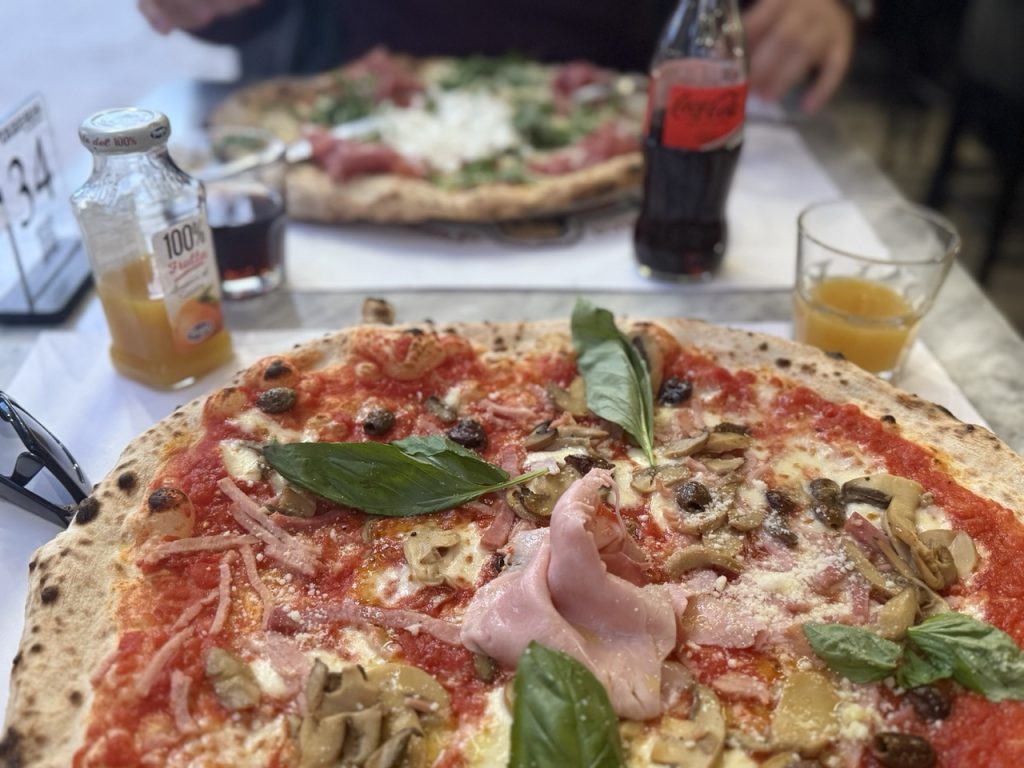
There’s no such thing as “Italian food” – there’s Roman, Neapolitan, Bolognese, Sicilian… Eat what the region is famous for:
- Pizza napoletana – soft, blistered and born in Naples.
- Carbonara, cacio e pepe & amatriciana – the holy trinity of Rome.
- Tagliatelle al ragù, tortellini & mortadella – Bologna is Italy’s food capital.
- Parmigiano Reggiano & Prosciutto di Parma – taste them at the source in Parma.
- Pesto & focaccia – straight from Genoa and the Ligurian coast.
- Risotto alla milanese in Milan and cicchetti (Venetian tapas) in Venice.
- Orecchiette & panzerotti – Puglia’s classics; watch the pasta being made on the street in Bari.
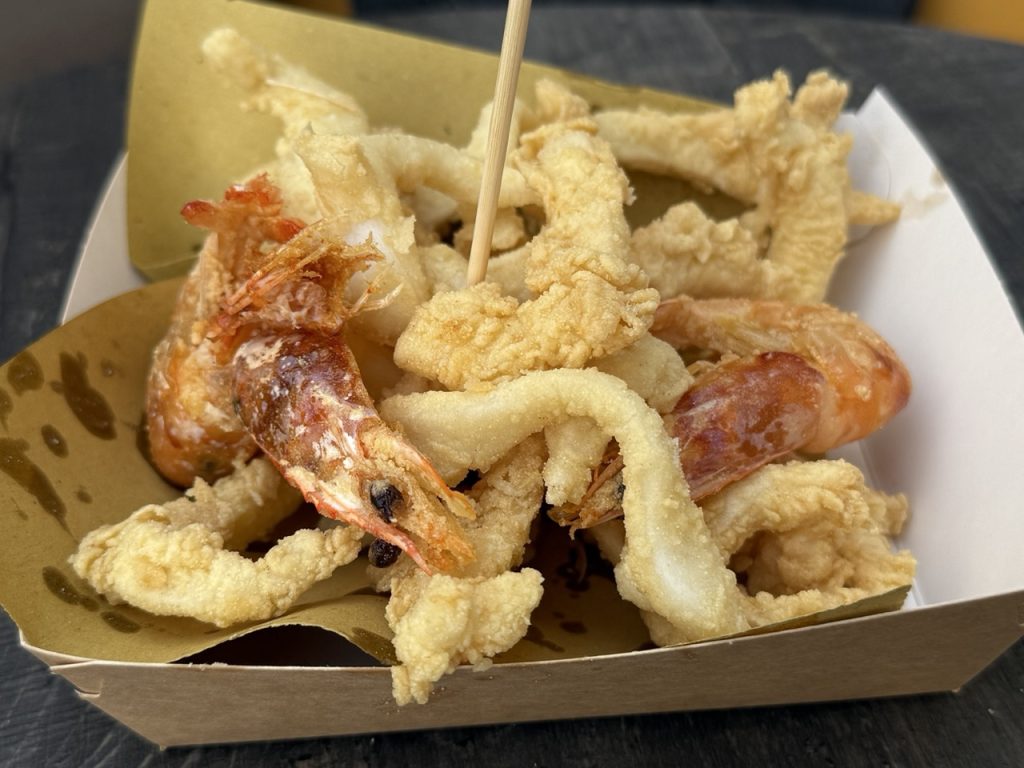
- Arancini, cannoli & granita – Sicilian street food in Palermo and Catania.
- Chianti, Brunello & Montepulciano – Tuscany’s famous reds.
- Barolo & Barbaresco – the big reds of Piedmont near Turin.
- Prosecco & the Aperol spritz – the aperitivo of the north-east.
- Primitivo & Nero d’Avola – bold reds from Puglia and Sicily.
- Limoncello – the lemon liqueur of the Amalfi Coast.
Top experiences in Italy

- Walk through 2,000 years of history at the Colosseum and Roman Forum in Rome.
- See Michelangelo’s David and climb Brunelleschi’s dome in Florence.
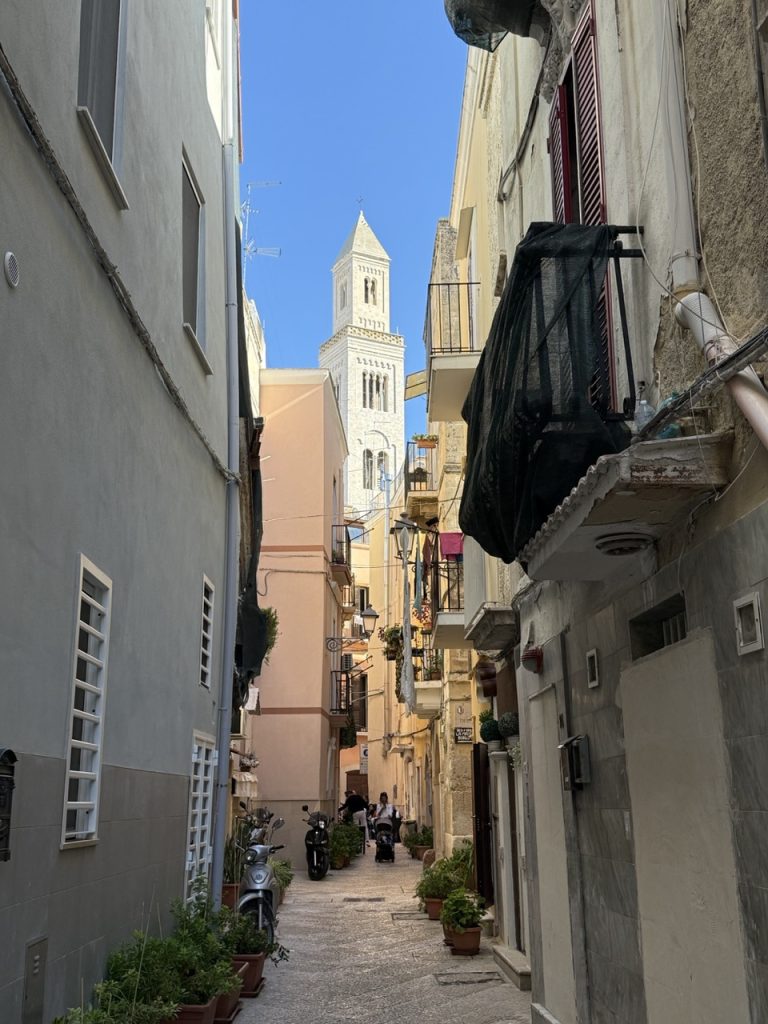
- Get lost in the backstreets of Venice early in the morning.
- Watch the sunset from the walls of Bergamo’s Città Alta in Bergamo.
- Drive or ride the bus along the cliffs of the Amalfi Coast from Amalfi.
- Sleep in a trullo in Alberobello and road-trip through Puglia.
- Climb Mount Etna from Catania and swim off Ortigia in Syracuse.
- Take an aperitivo hour seriously – a drink with snacks, usually early evening.
My honest local tips
- Book the big sights in advance: the Colosseum, Vatican Museums, Uffizi and Last Supper often sell out.
- Cover shoulders and knees in churches – St Peter’s, Milan’s Duomo and St Mark’s enforce it. Carry a light scarf.
- Mind the afternoon break: outside big cities many shops and churches close from about 1 to 4 pm, and many museums close on Mondays.
- Eat on Italian time: lunch from around 12:30, dinner rarely before 7:30 pm. A restaurant full of locals at 9 pm is a good sign.
- Drink from the fountains: tap water is safe, and Rome’s little “nasoni” fountains are free and ice-cold.
- Watch your bag on crowded buses, metros and at the busiest sights.
Beyond the border: easy trips from Italy
Italy combines beautifully with its neighbours. Ferries from Ancona and Bari cross the Adriatic to Croatia – see my Croatia travel guide and the one-day guides to Dubrovnik and Zadar. From Trieste it’s a short drive into Istria and Rovinj. From Trento or Verona, the Brenner Pass leads to Innsbruck in Austria, and ferries from Puglia sail to Greece – try Corfu or Patras. Find more ideas in my Europe travel guide.
Work with me

Hotel, tourist board or travel brand in Italy?
I create honest, practical one-day itineraries read by travellers planning their next trip – plus photos, drone shots and Instagram stories from the road. I’m open to collaborations with hotels, B&Bs, restaurants, wineries, tour operators and destinations across Italy: sponsored itineraries, destination features, press trips and social media campaigns.
Work with me Get in touchItaly travel FAQ
Is Italy expensive?
It depends on where you go. Venice, Florence, Rome, Milan and the Amalfi Coast are pricey, while the south and Sicily are much cheaper. Expect around €150–220 per day for mid-range travel.
What is the best month to visit Italy?
May, June, September and early October offer warm weather, fewer crowds and better prices than July and August.
Do I need ETIAS to visit Italy?
Not yet. ETIAS has no confirmed start date (as of November 2026). Non-EU visitors are already registered in the EU Entry/Exit System (EES) at the border with a photo and fingerprints.
What currency does Italy use?
The euro (EUR). Cards are widely accepted, but keep some cash for small bars, markets and local buses.
What is the coperto on Italian restaurant bills?
It’s a per-person cover charge, usually €1–3, for bread and table service. It’s legal and normal, and it means you don’t need to tip much.
How many days do you need in Italy?
7–10 days is ideal for a first trip covering Rome, Florence and Venice. With two weeks you can add Naples, Puglia or Sicily.
Is it better to travel Italy by train or car?
Use high-speed trains between big cities and rent a car only for the countryside – Tuscany, Puglia or Sicily. Avoid driving into historic centres with ZTL zones.
Is tap water safe to drink in Italy?
Yes, tap water is safe to drink, and many cities have free public drinking fountains.
Ready to explore Italy one day at a time?
Start with the classics or head south for something different – pick a city and plan your perfect day.
Start with RomeDiscover Puglia@miki.kokica on Instagram