
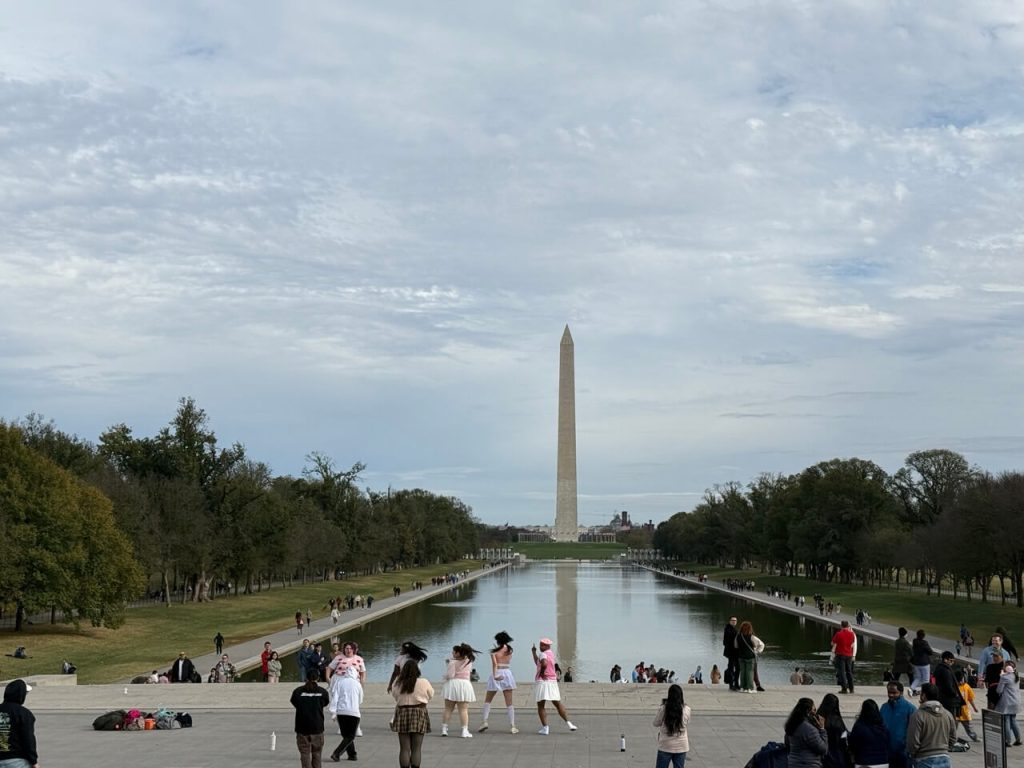
Hi, I’m Miki – and the United States had been at the very top of my bucket list for years. My first trip started the way it will for many of you reading this: with an ESTA form instead of a visa, a long-haul flight via Frankfurt and a first morning in New York I’ll never forget. From there I took the bus to Washington DC and Philadelphia, and I learned how big, varied and surprisingly easy to explore the USA can be when you plan it one day at a time.
This USA travel guide is updated for 2027. It covers the regions worth your time, my one-day itineraries for the East Coast, the best time to visit, how to get around, what things really cost, and the entry rules you must know before you book – from ESTA fees to the new national park surcharge for international visitors.
Why the USA should be on your list
- Iconic cities – New York, Washington DC, Chicago, San Francisco, New Orleans and Los Angeles all feel like different countries.
- World-class national parks – Yellowstone, the Grand Canyon, Yosemite and Zion are bucket-list landscapes.
- History you can walk through – from Independence Hall in Philadelphia to the monuments of the National Mall.
- Road trips – Route 66, the Pacific Coast Highway and New England in autumn are made for driving.
- Food culture – bagels and pizza in New York, cheesesteaks in Philly, barbecue in Texas, seafood in Maine.
USA region by region
The USA is the size of a continent, so pick one or two regions per trip instead of trying to see everything. Here’s how I think about it:
Northeast & East Coast

New York City, Washington DC, Philadelphia and Boston are linked by fast trains and cheap buses – the easiest region for a first trip. Plan your day: New York City, Washington DC, Philadelphia.
The South
Music and food: New Orleans, Nashville, Memphis, Charleston and Savannah, plus the beaches and theme parks of Florida.
Midwest & Great Lakes
Chicago’s architecture, Lake Michigan beaches and small-town America – underrated and great value.
The Southwest & Rockies
Red rock country: the Grand Canyon, Zion, Bryce, Monument Valley, Las Vegas and the Colorado Rockies. Best explored by car.
The West Coast
San Francisco, Los Angeles, San Diego, Seattle and Portland, connected by one of the world’s great coastal drives.
Alaska & Hawaii
Glaciers and wildlife in the north, volcanoes and beaches in the Pacific – each deserves its own trip.
Planning your first USA trip?
Start on the East Coast – three cities, one easy route and my day-by-day plans for each.
See my USA itinerariesFollow my trips on InstagramMy USA one-day itineraries
Every guide below is built around one perfect day: the must-sees, where I ate, how I got there and what I would skip if you’re short on time. More US cities are coming soon.
 New York City in one dayStatue of Liberty, Ellis Island, Manhattan neighbourhoods and the Empire State Building.
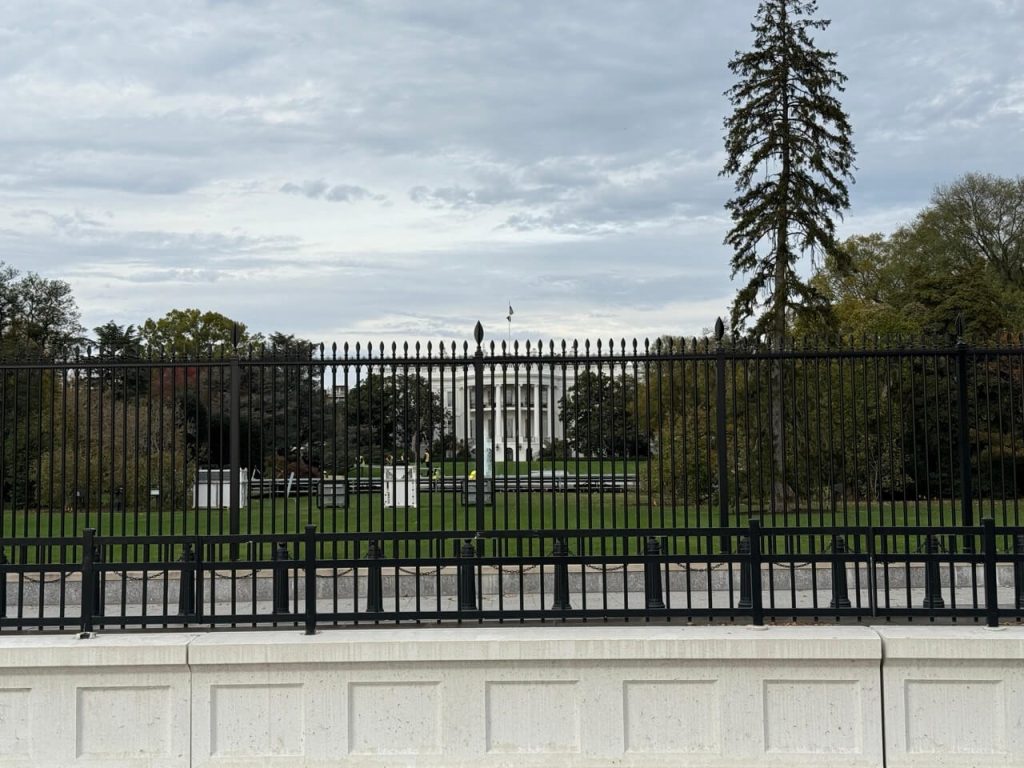 Washington DC in one dayThe White House, the National Mall, Lincoln Memorial and the Smithsonian museums.PhiladelphiaPhiladelphia in one dayIndependence Hall, the Liberty Bell, the Rocky Steps and a proper cheesesteak.
Looking for more US inspiration? Read about America’s most fun states, hidden-gem towns worth a detour, a road trip around the San Francisco Peninsula, Idaho’s hidden beauty and the best sunset dining spots in the US.
Best time to visit the USA
My short answer: April–June and September–October. The weather is pleasant almost everywhere, prices are lower than in peak summer and autumn colours in the Northeast are spectacular. But because the country is so big, the right season depends on where you go.
| Season | What to expect | Best for |
|---|---|---|
| Spring (Mar–May) | Mild in the East and South, cherry blossoms in DC, desert parks before the heat. | City breaks, Southwest parks, the South |
| Summer (Jun–Aug) | Hot and busy, school holidays, highest hotel prices; mountain roads fully open. | Yellowstone, Glacier, Alaska, West Coast |
| Autumn (Sep–Nov) | Fall foliage, fewer crowds, comfortable temperatures. | New England, New York, road trips |
| Winter (Dec–Feb) | Cold and snowy in the North, warm in Florida, Hawaii and the Southwest. | Ski resorts, Florida, Hawaii, festive NYC |
How many days do you need in the USA?
For a first trip, plan 10–14 days and stick to one region. Here are three routes that work:
7 days: East Coast classics
- Day 1–3: New York City – Statue of Liberty, Manhattan, Brooklyn Bridge and Central Park.
- Day 4: Philadelphia – an easy bus or train day trip.
- Day 5–6: Washington DC – the National Mall and the Smithsonian museums (free!).
- Day 7: back to New York or fly home from Washington.
10–14 days: Southwest road trip
- Las Vegas → Zion → Bryce Canyon → Page (Horseshoe Bend, Antelope Canyon) → Grand Canyon → Las Vegas.
- Add Monument Valley or Sedona if you have extra days.
14 days: California coast
- San Francisco → Yosemite → Monterey and Big Sur → Santa Barbara → Los Angeles → San Diego.
Getting to the USA and getting around
Arriving
New York (JFK and Newark), Washington Dulles, Boston, Chicago, Miami, Los Angeles and San Francisco have the most flights from Europe. I flew from Europe via Frankfurt with Condor on a modern A330neo – a comfortable way to cross the Atlantic.
Buses and trains
On the East Coast you don’t need a car. I took the bus from New York to Washington DC for around $30 – about four and a half hours with Wi-Fi. Amtrak trains are faster but pricier, especially on the Northeast Corridor between Boston, New York, Philadelphia and DC.
Domestic flights
For long distances, flying is usually the only practical option. Low-cost carriers charge extra for cabin bags and seat selection, so compare the total price.
Car rental
Outside the big cities a car is essential, especially for national parks. Drivers under 25 pay a young-driver surcharge, one-way rentals often add a drop-off fee, and parking in city centres is expensive.
Getting around cities
The New York subway runs 24/7 and is the fastest way to get around – I used it from my very first morning. Washington DC has the Metro and Philadelphia has SEPTA – but the best way to see the historic centres is on foot.
Entry rules for the USA in 2027
The USA is not part of Schengen and has its own rules. Check yours on official sites before you book anything.
- ESTA (Visa Waiver Program): citizens of visa-waiver countries – including most of the EU, the UK and Australia – apply online for an ESTA before flying. It costs about $40, is usually valid for two years and allows stays of up to 90 days for tourism. As a Croatian citizen I only needed an ESTA, and the process was quick.
- Visa: everyone else needs a B-2 tourist visa from a US embassy – apply early, as interview wait times can be long.
- Only use the official site (esta.cbp.dhs.gov) – many look-alike websites charge extra fees.
- National parks: since January 2026, international visitors aged 16+ pay a $100 surcharge per person at 11 of the most popular parks (including Yellowstone, Yosemite, the Grand Canyon and Zion), and the America the Beautiful annual pass costs $250 for non-residents.
Money and daily budget
The USA uses the US dollar. Cards (and contactless payments) are accepted almost everywhere, but keep a few small bills for tips. Two things surprise most Europeans: prices are shown without sales tax, which is added at the till and varies by state and city, and tipping is expected – around 18–20% in sit-down restaurants and bars, plus a few dollars for hotel housekeeping and taxi drivers.
| Travel style | Rough daily budget (per person) | What you get |
|---|---|---|
| Budget | $100–150 | Hostels or shared rooms, buses, street food, free museums and parks |
| Mid-range | $200–300 | 3-star hotels, restaurant meals, some attractions and Ubers |
| Comfort | $400+ | Central hotels, rental car, tours and nice dinners |
Big cities like New York and San Francisco are the most expensive; the Midwest and the South are much cheaper. In Washington DC most Smithsonian museums are free – one of the best-value days you’ll have. Before you go, read my tips on hidden travel costs that can quietly blow a budget.
Where to stay in the USA
Hotels in the big cities are expensive, so location matters more than stars – staying central saves hours and transport money.
- New York: Midtown is the most practical first base; Lower Manhattan and Brooklyn are quieter and often cheaper. Check whether the nightly “resort” or “destination” fee is included in the price.
- Washington DC: stay near a Metro station – Dupont Circle, Penn Quarter or near Union Station if you arrive by bus or train.
- Philadelphia: Center City is the most convenient, Old City suits history lovers and Rittenhouse has the nicest restaurants – the same picks I share in my Philadelphia guide.
- National parks: lodges inside the parks book up many months ahead; gateway towns outside the entrances are easier and cheaper.
What to eat and drink in the USA
- New York pizza and bagels – grab a slice and a bagel with cream cheese; see my New York itinerary for food stops.
- Philly cheesesteak – thin-sliced beef, onions and cheese on a long roll; Reading Terminal Market is a must (more in my Philadelphia guide).
- Barbecue – Texas brisket, Memphis ribs and Carolina pulled pork are three different religions.
- Southern comfort food – fried chicken, biscuits, gumbo and po’boys in New Orleans.
- Seafood – lobster rolls in Maine, crab cakes in Maryland, fish tacos in San Diego.
- Craft beer and wine – every city has local breweries; California and Oregon make excellent wine.
Top experiences in the USA
- Taking the ferry to the Statue of Liberty and Ellis Island early in the morning (New York City).
- Walking the National Mall from the Capitol to the Lincoln Memorial (Washington DC).
- Running up the Rocky Steps at the Philadelphia Museum of Art (Philadelphia).
- Watching sunrise over the Grand Canyon.
- Driving the Pacific Coast Highway through Big Sur.
- Hearing live jazz in New Orleans and live country in Nashville.
My honest local tips
- Book popular sights ahead: Statue of Liberty pedestal and crown tickets and some national park entries sell out or need reservations in peak season.
- Budget for tax and tips: the price on the menu is not the price you pay.
- Get travel insurance: medical care in the USA is extremely expensive.
- Mind the distances: what looks close on a map can be a full day’s drive.
- Use public transport in the Northeast: buses and trains between cities are cheaper and faster than driving and parking.
- Expect early dinners and big portions – sharing is normal, and so are boxes for leftovers.
Beyond the USA
Find more North American ideas in my North America travel guide – and if you’re combining the US with a European trip, see my Europe travel guide for country-by-country plans.
Work with me

Hotel, tourist board or travel brand in the USA?
I create honest, practical one-day itineraries read by travellers planning their next trip – plus photos, drone shots and Instagram stories from the road. I’m open to collaborations with hotels, apartments, restaurants, tour operators and destinations across the USA: sponsored itineraries, destination features, press trips and social media campaigns.
Work with me Get in touchUSA travel FAQ
Do I need a visa to visit the USA?
Citizens of Visa Waiver Program countries, including most EU countries and the UK, need an approved ESTA (about $40) instead of a visa for tourist stays of up to 90 days. Everyone else needs a B-2 tourist visa.
What is the best time to visit the USA?
April to June and September to October are the best all-round months. Summer is best for northern national parks and Alaska; winter suits Florida, Hawaii and ski resorts.
How much does a trip to the USA cost per day?
Roughly $100–150 per day on a budget, $200–300 mid-range and $400+ for a comfortable trip, before flights. Remember sales tax and tips are added on top of listed prices.
How much should I tip in the USA?
Around 18–20% in sit-down restaurants and bars, a few dollars per night for hotel housekeeping, and 15–20% for taxis and rideshares.
Is it expensive to visit US national parks as a foreigner?
Since January 2026, international visitors aged 16+ pay a $100 surcharge at 11 popular parks, and the annual America the Beautiful pass costs $250 for non-residents.
Do I need a car in the USA?
Not on the East Coast between New York, Philadelphia, Washington DC and Boston, where buses and trains work well. For national parks and road trips a car is essential.
What plugs are used in the USA?
Type A and B plugs at 120 V, so most European travellers need an adapter.
How many days do I need for the East Coast?
A week is enough for New York, Philadelphia and Washington DC at a comfortable pace, with day trips by bus or train.
Ready to explore the USA one day at a time?
Start with the city that never sleeps – then hop on a bus to history.
Start with New YorkPlan Washington DC