
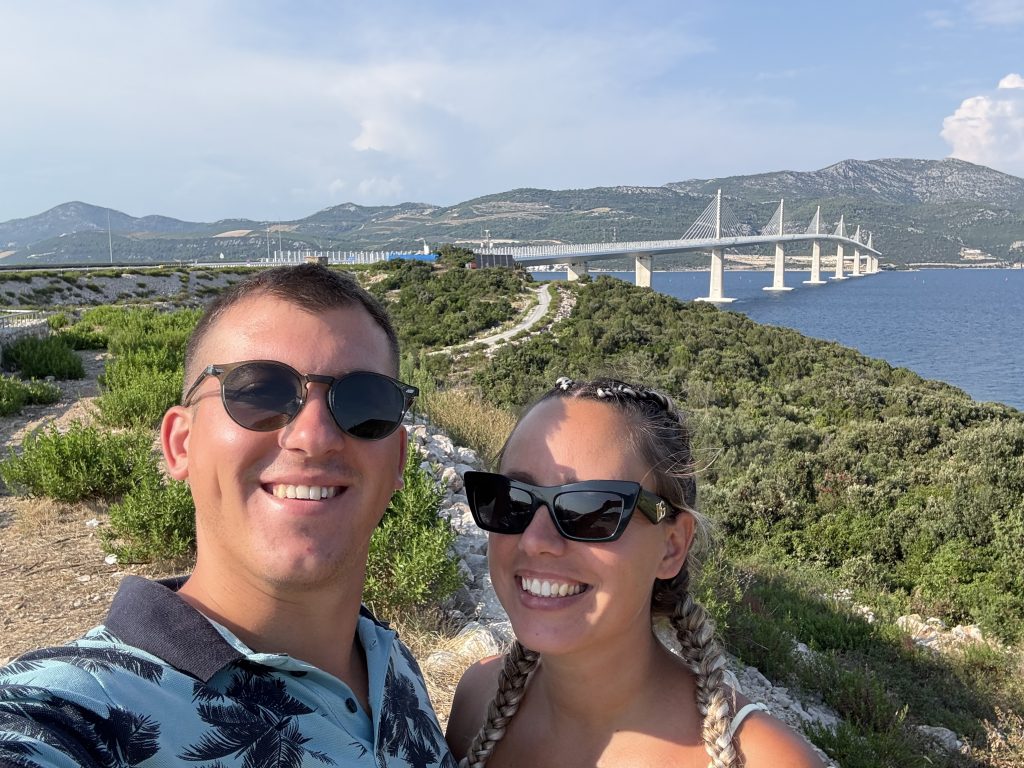
Hi, I’m Miki – and Croatia is close to my heart. From Dubrovnik’s city walls and Zadar’s Roman forum to the moon-like landscapes of Pag and the vineyards of Pelješac, where I pitched my tent by the sea, this country never runs out of surprises. On this site I’ve written one-day itineraries for 25 Croatian towns, islands and regions, and this page ties them all together.
Whether you have a weekend or two full weeks, this Croatia travel guide will help you pick the right region, the right season and the right pace – and then plan every single day with my detailed one-day guides. Updated for 2027, including the new EU border rules.
Why Croatia should be on your list
- 1,200+ islands and a famously clear Adriatic – from party-island Pag to quiet Mljet.
- History you can touch – Roman Pula and Zadar, Diocletian’s Palace in Split, medieval Dubrovnik and UNESCO-listed Trogir and Poreč.
- Eight national parks, including Plitvice Lakes and Krka with their turquoise waterfalls.
- Seriously good food and wine – Istrian truffles, Pag cheese, Ston oysters, Plavac Mali and Malvazija.
- Easy to travel – it’s in the EU and Schengen, uses the euro and has excellent motorways and ferries.
Croatia region by region
Croatia isn’t one trip – it’s several. The coast (Istria, Kvarner and Dalmatia) is all about the sea, islands and old stone towns, while the continental north and east (Zagreb, Zagorje and Slavonia) are greener, cheaper and far less crowded. Here’s how I’d split the country:
Istria

Italian-flavoured hill towns, truffles, Malvazija wine and the prettiest coastal towns in the north.
Plan your day: Rovinj, Poreč, Vodnjan, Pazin.
Kvarner
Elegant Habsburg-era resorts, mountains dropping into the sea and easy access from Zagreb, Slovenia and Italy.
Plan your day: Opatija.
North Dalmatia
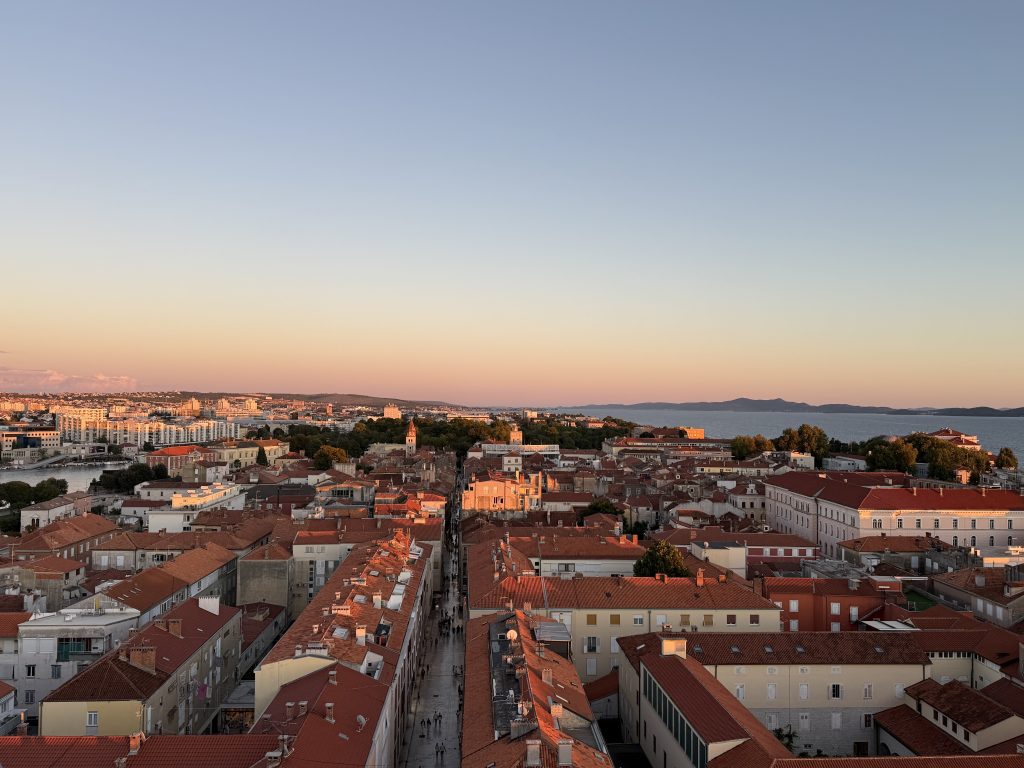
Zadar’s sunsets, the lunar island of Pag, Šibenik and the waterfalls of Krka National Park.
Plan your day: Zadar, Pag Island, Šibenik, Knin.
Central Dalmatia
Split, Trogir, the Makarska Riviera and ferries to Brač, Hvar and Vis.
Plan your day: Trogir, Makarska.
South Dalmatia
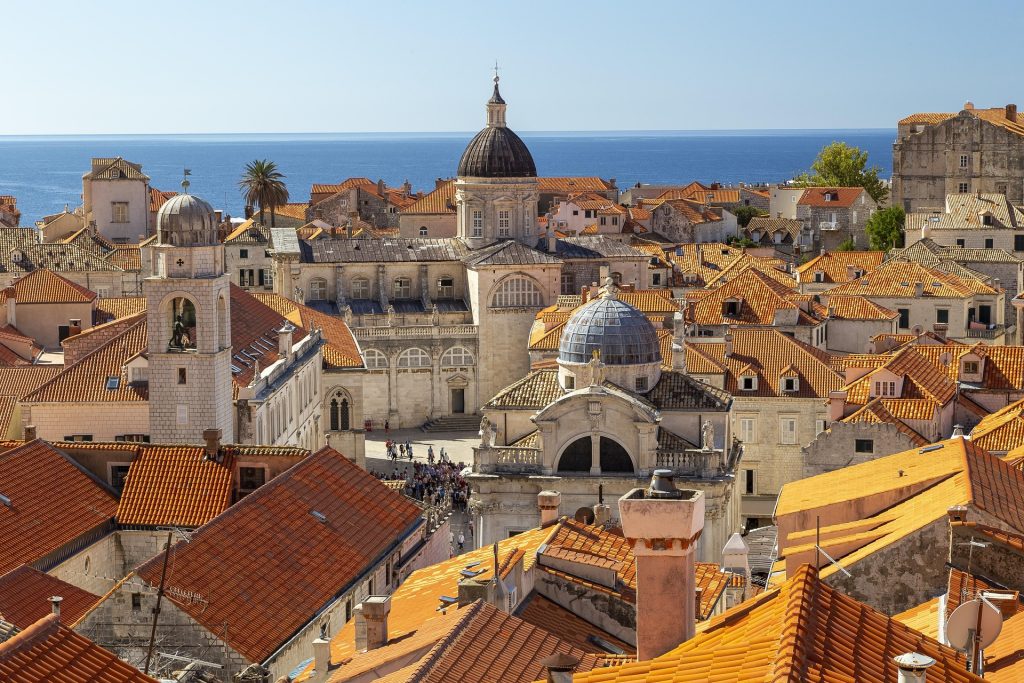
Dubrovnik, the vineyards of Pelješac, Ston’s walls and islands like Korčula and Mljet.
Plan your day: Dubrovnik, Pelješac.
Zagreb & Central Croatia
Café culture in the capital and easy day trips to Samobor, Karlovac and Velika Gorica.
Plan your day: Samobor, Velika Gorica, Karlovac, Sisak.
Northern Croatia
Baroque Varaždin, the hills of Zagorje and the food of Podravina.
Plan your day: Varaždin, Koprivnica, Bjelovar.
Slavonia
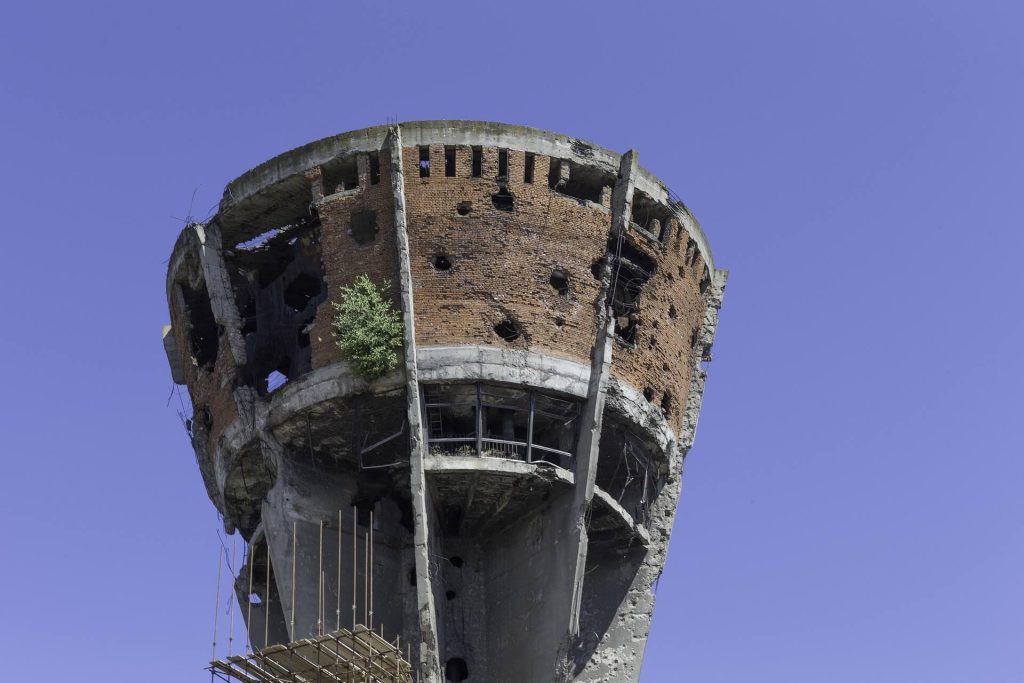
Croatia’s untouristy east: Danube and Sava rivers, kulen sausage, wine and huge hospitality.
Plan your day: Vukovar, Đakovo, Vinkovci, Slavonski Brod, Požega.
Planning a trip to Croatia?
Pick a town, open its one-day itinerary and you’ll know exactly what to see, where to eat and how to get there – no fluff.
See all Croatia itinerariesFollow my trips on InstagramAll my Croatia one-day itineraries
Every guide below is built around one perfect day: the must-sees, my favourite food stops, practical tips on parking and transport, and what to skip if you’re short on time.
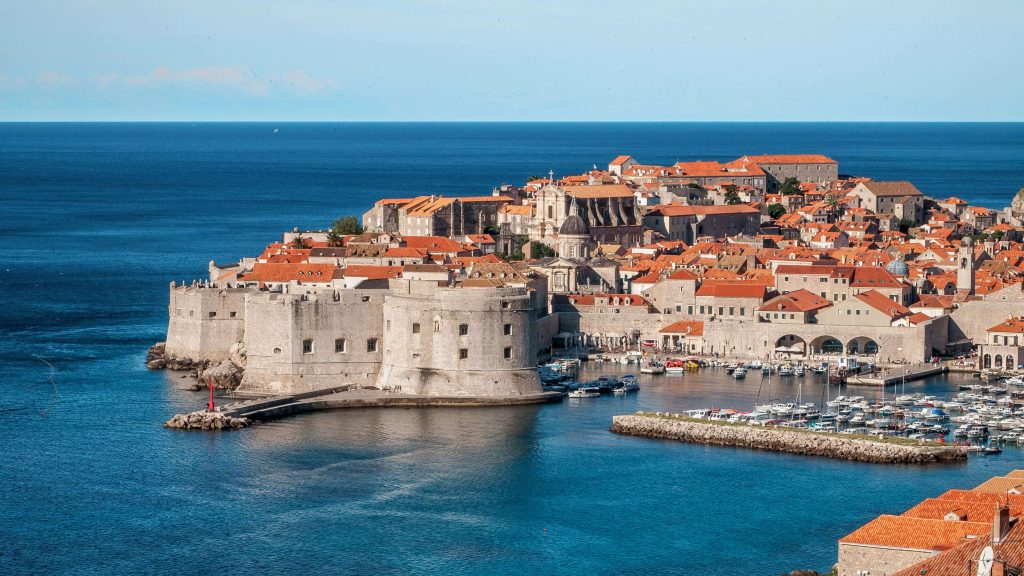 Dubrovnik in one dayCity walls, Stradun and the Pearl of the Adriatic views.Zadar in one daySea Organ, Roman forum and sunsets Hitchcock raved about.Rovinj in one dayPastel houses, St. Euphemia bell tower and the best sunset in Istria.
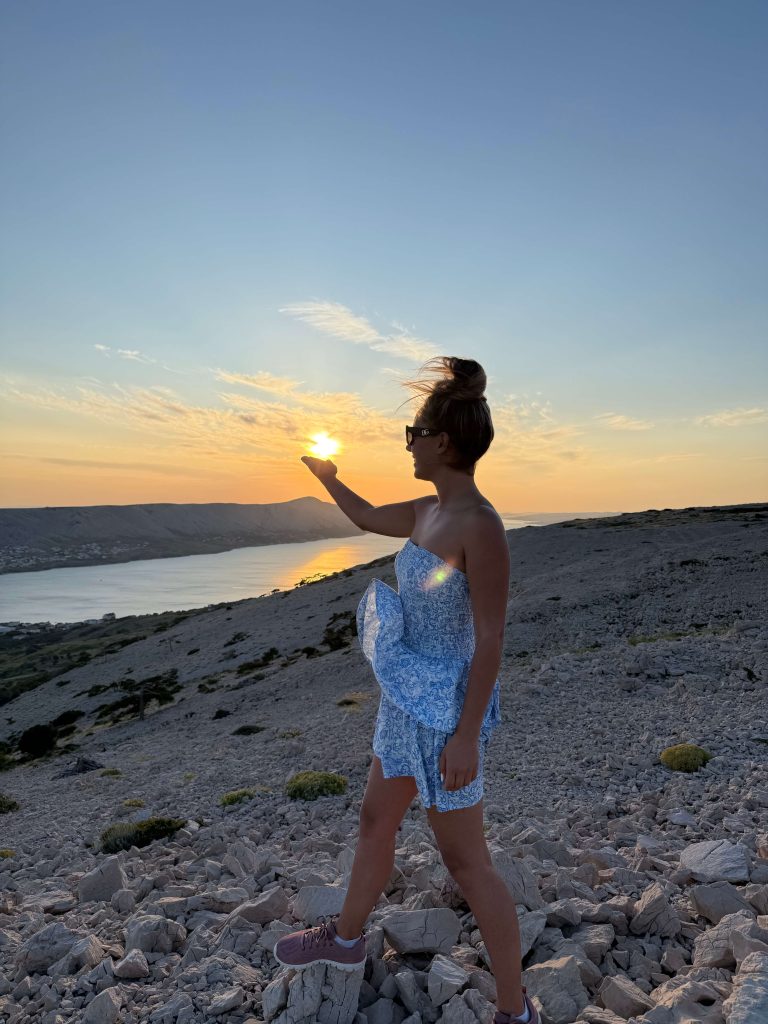 Pag Island in one dayMoon-like landscapes, Pag cheese and lamb, and wild beaches.Pelješac in one dayPlavac Mali vineyards, Ston oysters and windsurfing in Viganj.
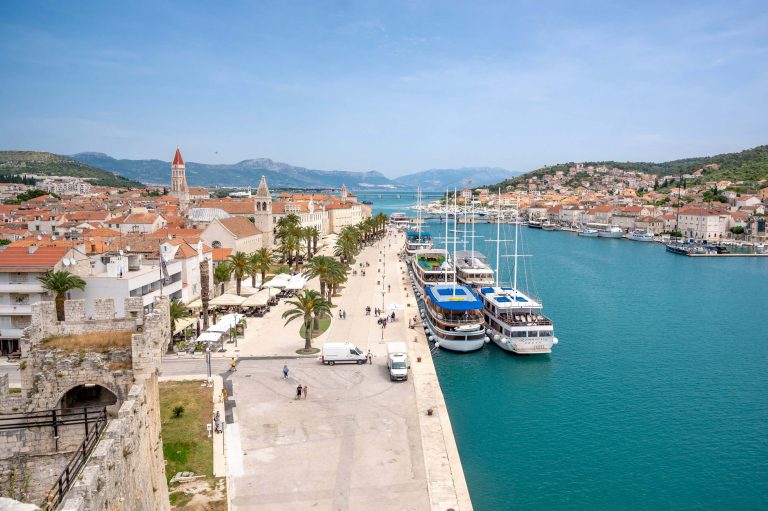 Trogir in one dayA tiny UNESCO island-town just minutes from Split airport.
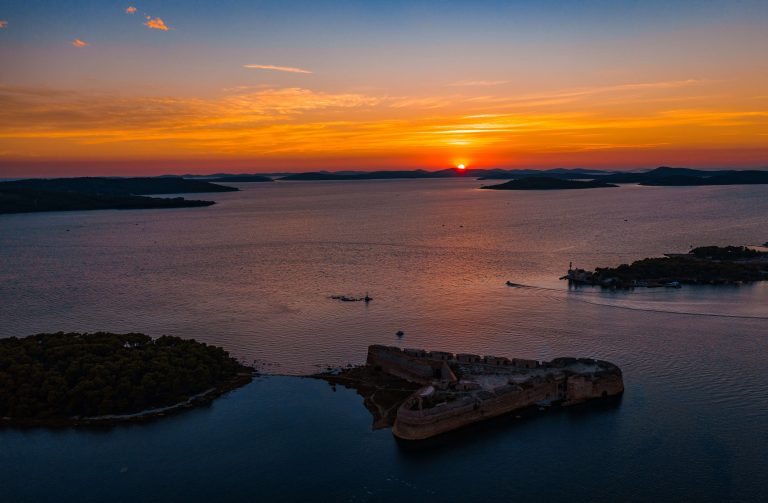 Šibenik in one dayStone alleys, St. James Cathedral and the gateway to Krka.
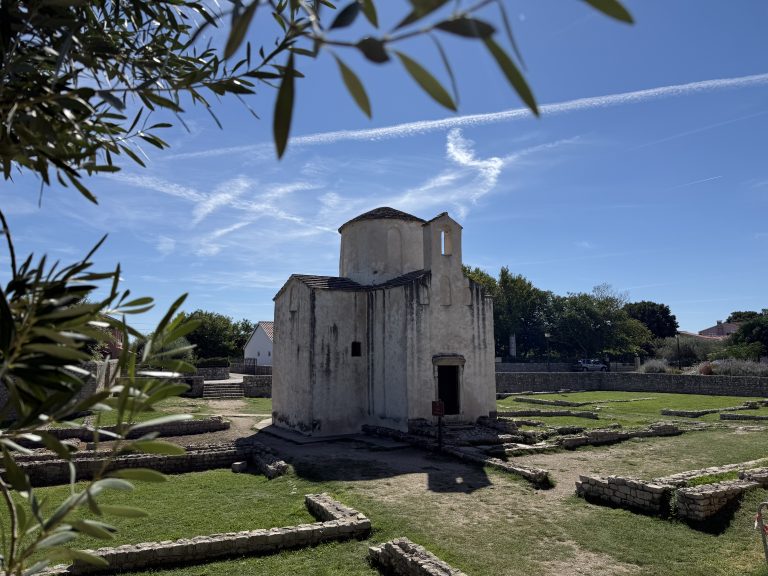 Makarska in one dayPebble beaches under the Biokovo mountain wall.
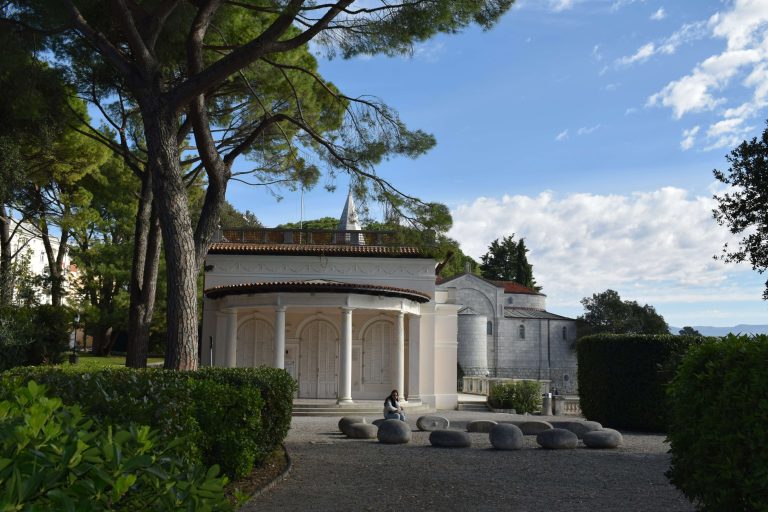 Opatija in one dayBelle-époque villas and the 12 km Lungomare seaside walk.
 Poreč in one dayUNESCO-listed Euphrasian Basilica and a buzzing seaside promenade.
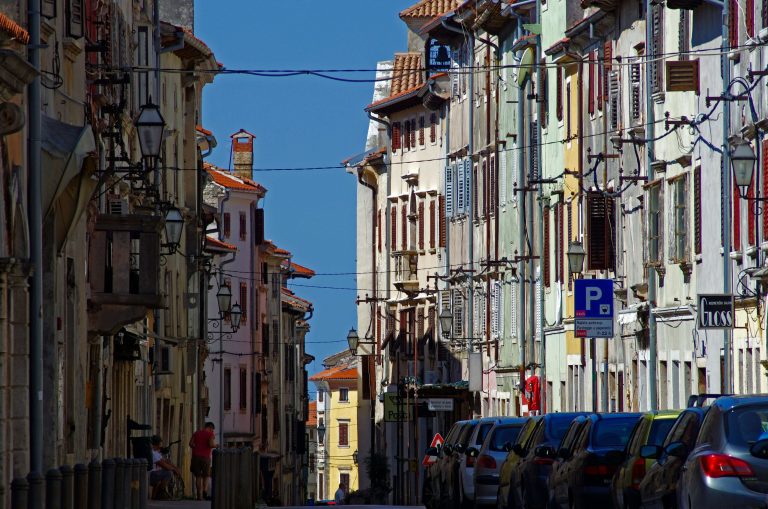 Vodnjan in one dayOlive-oil country, quiet lanes and Istria’s tallest bell tower.
 Pazin in one dayA castle on the edge of a dramatic gorge in the heart of Istria.
 Knin in one dayOne of Europe’s largest fortresses above the Krka river source.
 Samobor in one dayThe famous kremšnita cake and an easy hike to the old castle.
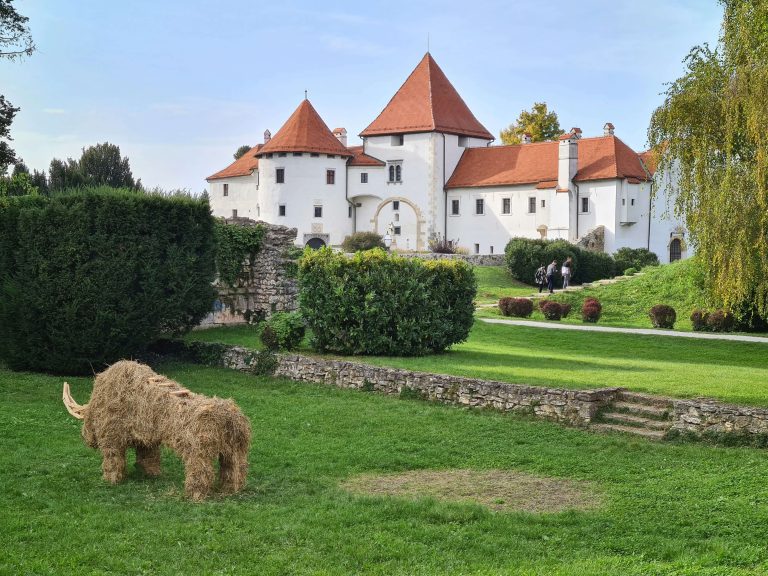 Varaždin in one dayBaroque palaces, a fairytale castle and Špancirfest street festival.
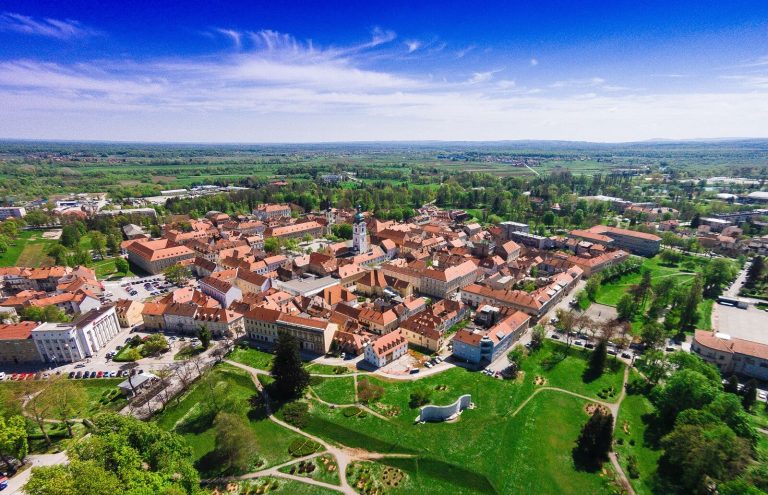 Karlovac in one dayThe star-shaped town of four rivers.
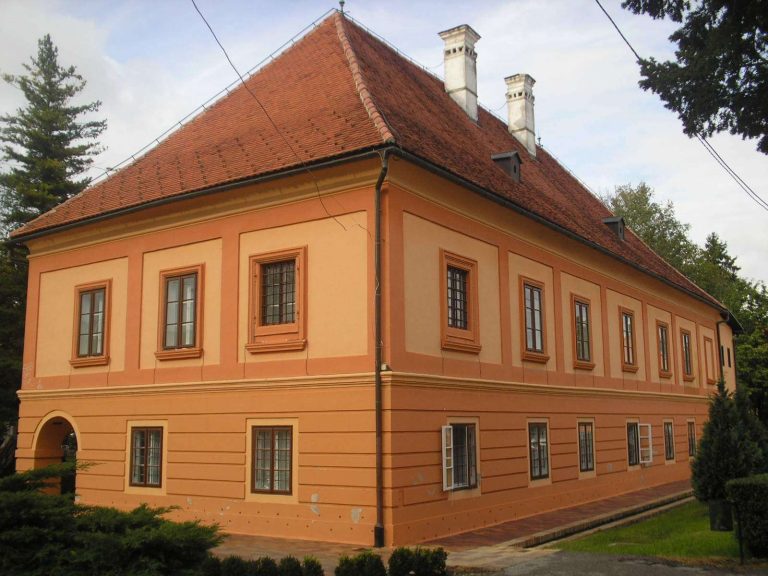 Velika Gorica in one dayTuropolje heritage minutes from Zagreb airport.
 Sisak in one dayA Renaissance fortress and Roman Siscia on the Kupa river.
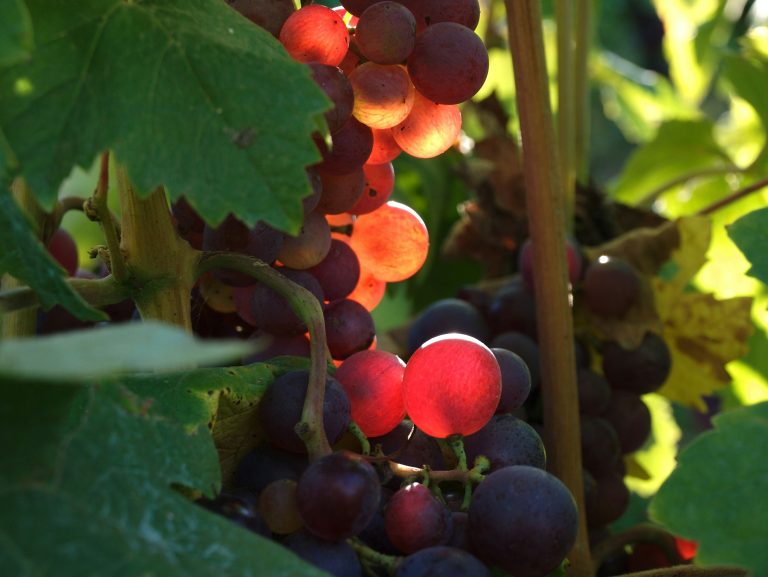 Koprivnica in one dayNaïve art, Podravina flavours and a relaxed pedestrian centre.
 Bjelovar in one dayA planned 18th-century town with a big green heart.Vukovar in one dayDanube views, the water tower and Croatia’s most moving memorials.
 Đakovo in one dayA twin-spired cathedral and Lipizzaner horses.
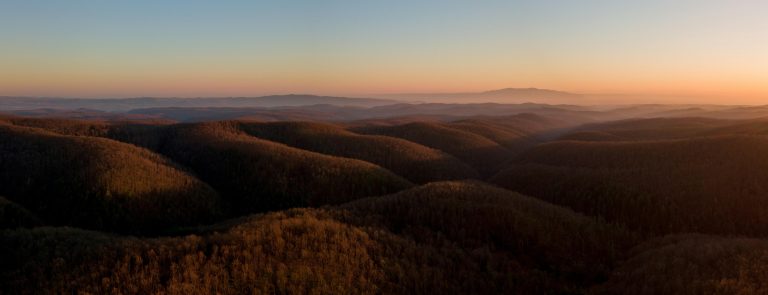 Vinkovci in one dayOne of Europe’s oldest continuously inhabited towns.
 Slavonski Brod in one dayA huge star fortress on the Sava river.
 Požega in one dayThe Golden Valley of vineyards and baroque squares.
Best time to visit Croatia
My short answer: late May to June, or September to early October. The sea is warm, the ferries run full timetables, and you avoid the July–August crowds and peak prices. Summer is perfect for beach and island life – just book early and expect busy old towns.
| Season | What to expect | Best for |
|---|---|---|
| Spring (April–June) | Mild days, green landscapes, waterfalls at their fullest. The sea warms up from late May. | Plitvice & Krka, city breaks, road trips |
| Summer (July–August) | Hot, sunny and busy. Highest prices, packed ferries, festivals and nightlife. | Islands, beaches, sailing, Zrće on Pag |
| Autumn (September–October) | Warm sea, grape harvest, softer light and fewer people. | Food & wine, island hopping, hiking |
| Winter (November–March) | Quiet coast, many island hotels closed, bura wind on the coast. Advent markets inland. | Zagreb Advent, Slavonia, budget trips |
How many days do you need in Croatia?
You can see a lot in a long weekend, but 7–10 days is the sweet spot for a first trip. Here are three routes I recommend – each stop links to its one-day itinerary.
3 days: Dubrovnik & the south
- Day 1: Dubrovnik – walls, Stradun and sunset at the fortress.
- Day 2: Pelješac – Ston walls, oysters and wine cellars.
- Day 3: a boat day to Lokrum or the Elaphiti islands.
7 days: the classic coastal road trip
- Day 1–2: Zadar and a day on Pag Island
- Day 3: Šibenik + Krka National Park
- Day 4: Trogir and Split
- Day 5: Makarska Riviera
- Day 6–7: Pelješac and Dubrovnik
10–14 days: north to south
- Istria: Rovinj, Poreč, Vodnjan and Pazin
- Kvarner: Opatija
- Dalmatia: Zadar, Šibenik, Trogir, Makarska, Pelješac, Dubrovnik
- Got extra days? Fly or drive back via Zagreb and add Varaždin or Samobor.
Want to see the real, untouristy Croatia? Spend 3–4 days in Slavonia: Vukovar, Đakovo, Vinkovci and Požega. Great food, wine and prices you won’t find on the coast.
Getting to Croatia and getting around
Arriving
The main international airports are Zagreb, Split and Dubrovnik, with seasonal flights to Zadar, Pula, Rijeka and Osijek. Croatia is also easy to reach by car or bus from Slovenia, Hungary, Austria and Italy, and by overnight ferry from Italy (Ancona and Bari).
By car (my favourite)
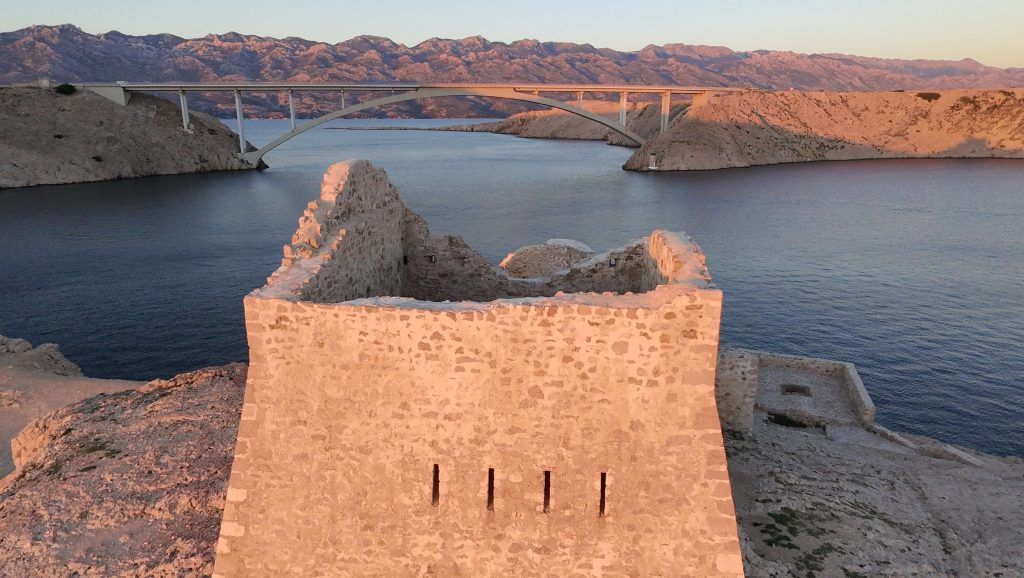
A car gives you total freedom, especially for Istria, Plitvice and small towns. The A1 motorway links Zagreb with Zadar, Split and the south; motorways are tolled but fast and in great condition. Since the Pelješac Bridge opened in 2022 you can drive to Dubrovnik without crossing into Bosnia and Herzegovina at Neum. Parking in old towns is limited and pricey in summer – park outside and walk in.
By bus
Buses connect almost every town and are the cheapest way to travel between cities. FlixBus and Arriva cover the main coastal routes; buy tickets online in summer.
By ferry
Ferries and catamarans (Jadrolinija, TP Line, Krilo and others) link the mainland with the islands. In July and August, car ferries fill up – arrive early or book where possible. Example from my own trip: the Prizna–Žigljen ferry to Pag costs around €20 for a car plus €4.50 per person in high season.
By train
Trains are slow and don’t run along the coast, so I only use them for continental routes such as Zagreb–Varaždin or Zagreb–Osijek.
Entry rules for Croatia in 2027
Croatia joined the Schengen Area on 1 January 2023, so the same rules apply as in the rest of Schengen. Non-EU visitors can usually stay up to 90 days in any 180-day period (check whether your nationality needs a visa).
- EES (Entry/Exit System): in full operation at Croatian borders. Non-EU travellers have their photo and fingerprints taken at the first entry instead of a passport stamp – allow a little more time at the border.
- ETIAS: not required yet. When it launches, visa-free travellers (e.g. from the US, UK, Canada and Australia) will need to apply online before the trip. The fee is set at €20 and no start date has been announced yet.
- Only use the official EU website for ETIAS – beware of copycat sites charging extra fees.
Money and daily budget
Croatia uses the euro. Cards are accepted almost everywhere, but carry some cash for small konobas, markets, parking machines and island bakeries. Tipping isn’t mandatory – rounding up or leaving around 10% for good service is appreciated. Most accommodation also adds a small nightly tourist tax.
| Travel style | Rough daily budget (per person, summer) | What you get |
|---|---|---|
| Budget | €50–70 | Hostel or campsite, bakery breakfasts, buses, free beaches |
| Mid-range | €100–150 | Private apartment, konoba dinners, a few tours or ferries |
| Comfort | €200+ | Boutique hotels, rental car, boat trips, wine tastings |
Coastal hotspots like Dubrovnik and Hvar are the most expensive; continental towns like Vukovar, Koprivnica or Bjelovar are much cheaper. Travelling in May, June or September can easily save you 30% or more.
What to eat and drink in Croatia

Croatian food changes as you travel: Mediterranean on the coast, Italian-influenced in Istria and hearty Central European inland. My must-tries:
- Peka – lamb, veal or octopus slow-cooked under an iron bell with potatoes. Order it a few hours ahead.
- Paški sir & Pag lamb – salty sheep’s cheese and lamb from the island of Pag.
- Ston oysters – eaten fresh at the source on Pelješac.
- Black risotto & brudet – cuttlefish-ink risotto and Dalmatian fish stew.
- Istrian truffles & fuži pasta – try them around Pazin and Vodnjan.
- Kremšnita – the legendary custard cake of Samobor.
- Kulen & čobanac – spicy paprika sausage and shepherd’s stew from Slavonia (go to Đakovo or Vinkovci).
- Ćevapi – grilled minced-meat rolls with ajvar and lepinja bread.

- Plavac Mali – Croatia’s best-known red, from Pelješac and Hvar.
- Malvazija – fresh Istrian white, perfect with seafood.
- Graševina – Slavonia’s crisp white wine.
- Rakija – fruit or herb brandy you’ll be offered as a welcome drink.
- Maraschino – cherry liqueur that originated in Zadar.
Best beaches in Croatia
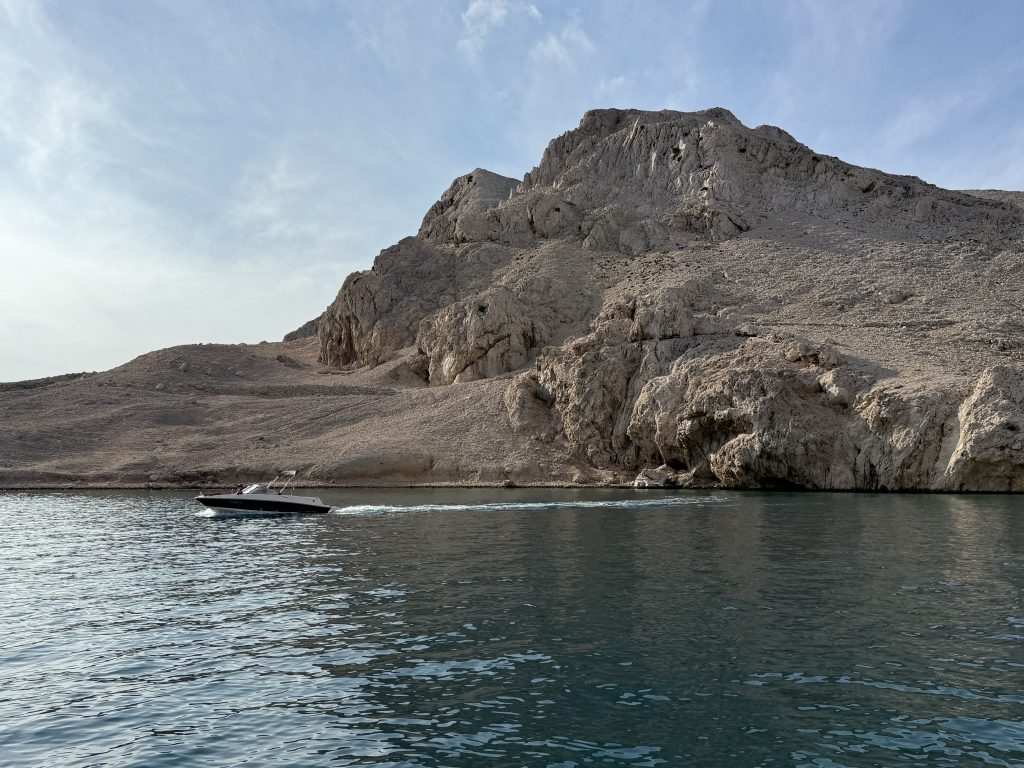
Most Croatian beaches are pebbly or rocky with incredibly clear water – pack water shoes for sea urchins. A few favourites:
- Zlatni Rat (Brač) – the famous shape-shifting pebble spit.
- Stiniva (Vis) – a hidden cove between towering cliffs.
- Sakarun (Dugi Otok) – shallow, Caribbean-like water near Zadar.
- Banje (Dubrovnik) – a city beach with Old Town views.
- Punta Rata (Brela) – pine trees and pebbles on the Makarska Riviera.
- Ručica & Zrće (Pag) – wild beauty by day, festival beach by night.
- Lovište (Pelješac) – calm bays at the tip of the peninsula.
Croatia’s national parks
Croatia has eight national parks. Don’t miss Plitvice Lakes (16 terraced lakes linked by waterfalls) and Krka near Šibenik. Also worth it: Kornati (sailing), Mljet (island forests and saltwater lakes), Paklenica (hiking and climbing), Brijuni (near Pula), Risnjak and Northern Velebit. In summer, buy park tickets online in advance and arrive early.
My honest local tips
- Beat the crowds in Dubrovnik: check cruise ship schedules and walk the walls early morning or late afternoon.
- Eat where locals eat: look for a konoba (family tavern) away from the main square.
- Book summer ferries and accommodation early, especially on the islands.
- Mind the heat: July and August regularly go above 30 °C – do sightseeing early and swim at midday.
- Don’t skip the interior: Istrian hill towns, Zagorje castles and Slavonia are where Croatia feels most authentic.
- Respect the old towns: no swimwear or bare chests in historic centres like Split and Dubrovnik.
Beyond the border: easy trips from Croatia
Croatia is a perfect base for exploring the region. From Dubrovnik it’s an easy trip to Bosnia and Herzegovina – see my one day in Sarajevo guide. From Slavonia or Zagreb, Budapest is a scenic drive away, and overnight ferries cross the Adriatic to Bari and Alberobello in Puglia. Find more ideas in my Europe travel guide.
Work with me

Hotel, tourist board or travel brand in Croatia?
I create honest, practical one-day itineraries read by travellers planning their next trip – plus photos, drone shots and Instagram stories from the road. I’m open to collaborations with hotels, apartments, restaurants, wineries, tour operators and destinations across Croatia: sponsored itineraries, destination features, press trips and social media campaigns.
Work with me Get in touchCroatia travel FAQ
Is Croatia expensive?
Croatia is no longer a budget destination on the coast in summer, especially Dubrovnik and Hvar. Expect around €100–150 per day for mid-range travel. Shoulder season and continental Croatia (Zagreb, Slavonia) are much cheaper.
What is the best month to visit Croatia?
June and September are my favourites: warm sea, long days, full ferry timetables and far fewer crowds than July and August.
Do I need ETIAS to visit Croatia?
Not yet. ETIAS has no confirmed start date (as of November 2026). Non-EU visitors are already registered in the EU Entry/Exit System (EES) at the border with a photo and fingerprints.
What currency does Croatia use?
The euro (EUR) since January 2023. Cards are widely accepted, but keep some cash for small restaurants, markets and parking.
Is Croatia safe for tourists?
Yes – Croatia is one of the safest countries in Europe. Use normal precautions against pickpockets in crowded old towns and on busy ferries.
How many days do you need in Croatia?
7–10 days is ideal for a first trip along the coast. With 3 days, focus on one area, such as Dubrovnik and Pelješac or Zadar and Pag.
Can you drink tap water in Croatia?
Yes, tap water is safe to drink across Croatia.
Do I need a car in Croatia?
Not for the big coastal cities, which are well connected by bus and ferry. A car is the best way to explore Istria, national parks and smaller towns.
Ready to explore Croatia one day at a time?
Start with the classics or go off the beaten path – every guide is written from my own trips.
Start with DubrovnikDiscover Slavonia@miki.kokica on Instagram