
Hi, I’m Miki – and Greece is one of those countries that never feels finished. There’s always another island on the horizon, another ancient site you didn’t know existed and another taverna with a view you’ll want to come back to. On this site I’ve written one-day itineraries for 28 Greek cities and islands, from Athens and Thessaloniki to Santorini, Crete and Corfu – and this page ties them all together.
Whether you’re planning a classic island-hopping summer or a road trip through the mainland, this Greece travel guide for 2027 helps you choose the right region, the right season and the right pace – then plan every single day with my detailed one-day guides. Updated for 2027, including the new EU border rules.
Why Greece should be on your list
- Thousands of islands – from party-famous Mykonos to green Corfu and wild, mountainous Crete.
- History everywhere you look – the Acropolis, Olympia, Delphi, Knossos, Mystras and the royal tombs of Vergina.
- A mainland most visitors skip – Meteora, Mount Pelion, the Zagori villages and Peloponnese castles.
- Food that alone is worth the trip – meze, fresh fish, Cretan olive oil, feta, gyros and endless salads with tomatoes that actually taste like tomatoes.
- Easy to travel – Greece is in the EU and Schengen, uses the euro and has a huge ferry and domestic flight network.
Greece region by region
Greece is far bigger than it looks on a map, and every region feels different. The islands are all about the sea, beaches and village life, while the mainland hides mountains, monasteries and some of the most important ancient sites in Europe. Here’s how I’d split the country:
Athens & Attica
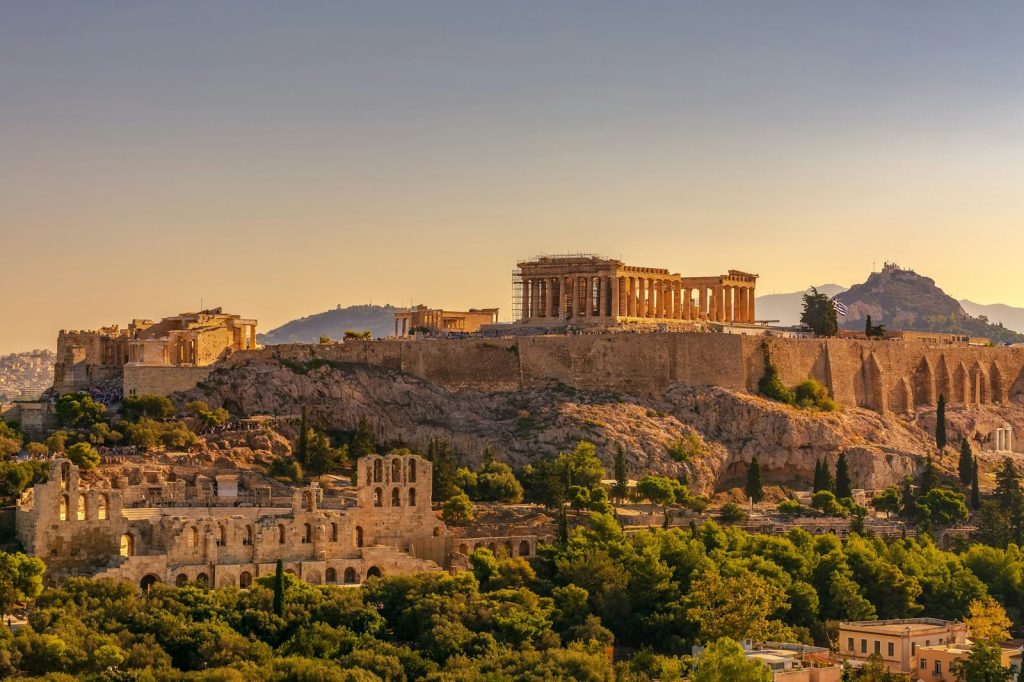
The capital is where most trips start: ancient sites, neighbourhood tavernas, rooftop bars and the port of Piraeus for ferries to the islands.
Plan your day: Athens, Piraeus.
Peloponnese & Western Greece

Castles, olive groves and some of the most important ancient sites in the country – Olympia, Mycenae, Epidaurus and Mystras – plus quiet beaches and the bridge to the mainland at Patras.
Plan your day: Nafplio, Sparta, Kalamata, Patras, Pyrgos, Agrinio.
Central Greece & Thessaly
Mount Pelion, the monasteries of Meteora, Thermopylae and the island of Evia, connected to the mainland by bridges at Chalkida.
Plan your day: Chalkida, Lamia, Volos, Larissa, Trikala.
Northern Greece & Epirus
Thessaloniki’s food scene, Macedonian royal tombs, mountain villages of Zagori and lakes that hardly see any foreign tourists.
Plan your day: Thessaloniki, Kavala, Serres, Veria, Kozani, Alexandroupoli, Ioannina.
Crete
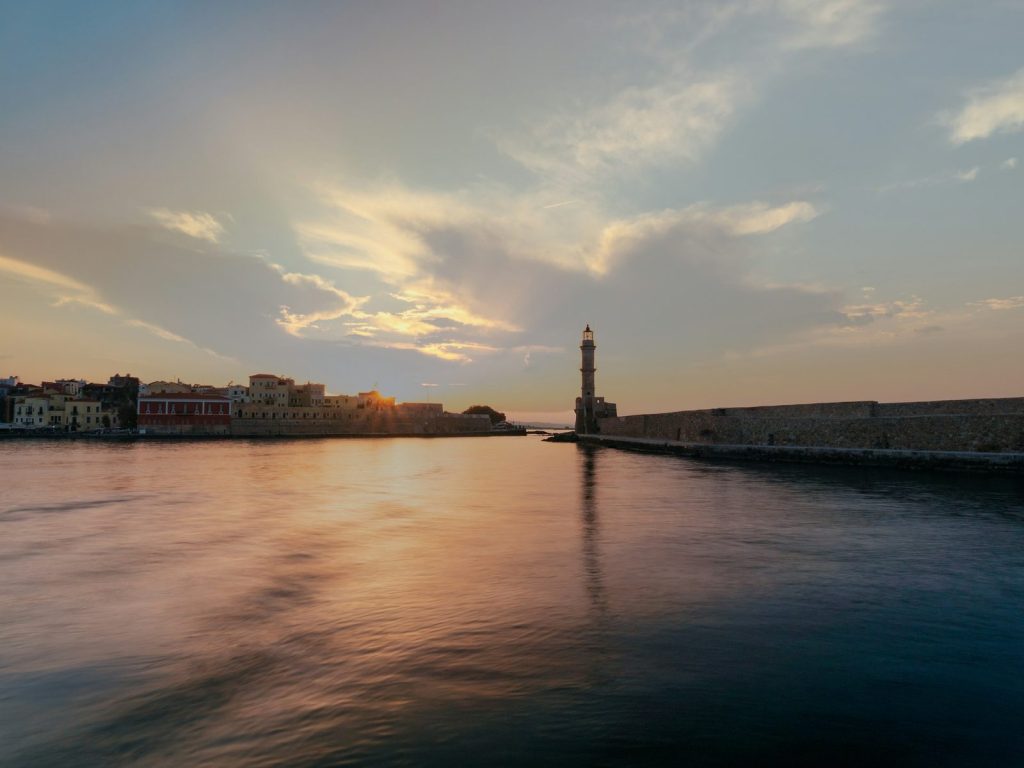
Greece’s largest island is almost a country of its own: Minoan palaces, Venetian harbours, gorges and a food culture worth the trip alone.
Plan your day: Heraklion, Chania, Rethymno.
The Cyclades

The postcard islands of whitewashed villages and blue domes – Santorini and Mykonos are the stars, with dozens of quieter islands in between.
Plan your day: Fira (Santorini), Mykonos Town.
Ionian Islands
Green islands on the west coast with Venetian heritage and turquoise water – Corfu and Lefkada are easy to combine with the mainland.
Plan your day: Corfu, Lefkada.
The Dodecanese
Islands close to the Turkish coast with knights’ castles, medieval towns and long beach days – Rhodes is the gateway.
Plan your day: Rhodes.
Planning a trip to Greece?
Pick a city or an island, open its one-day itinerary and you’ll know exactly what to see, where to eat and how to get around – no fluff.
See all Greece itinerariesFollow my trips on InstagramAll my Greece one-day itineraries
Every guide below is built around one perfect day: the must-sees, food stops, practical tips and what to skip if you’re short on time.
 Athens in one dayThe Acropolis, Plaka lanes and rooftop views of the Parthenon.
 Piraeus in one dayGreece’s biggest port – ferries, fish tavernas and the Mikrolimano marina.
 Fira (Santorini) in one dayCaldera views, white houses and cliffside sunsets.
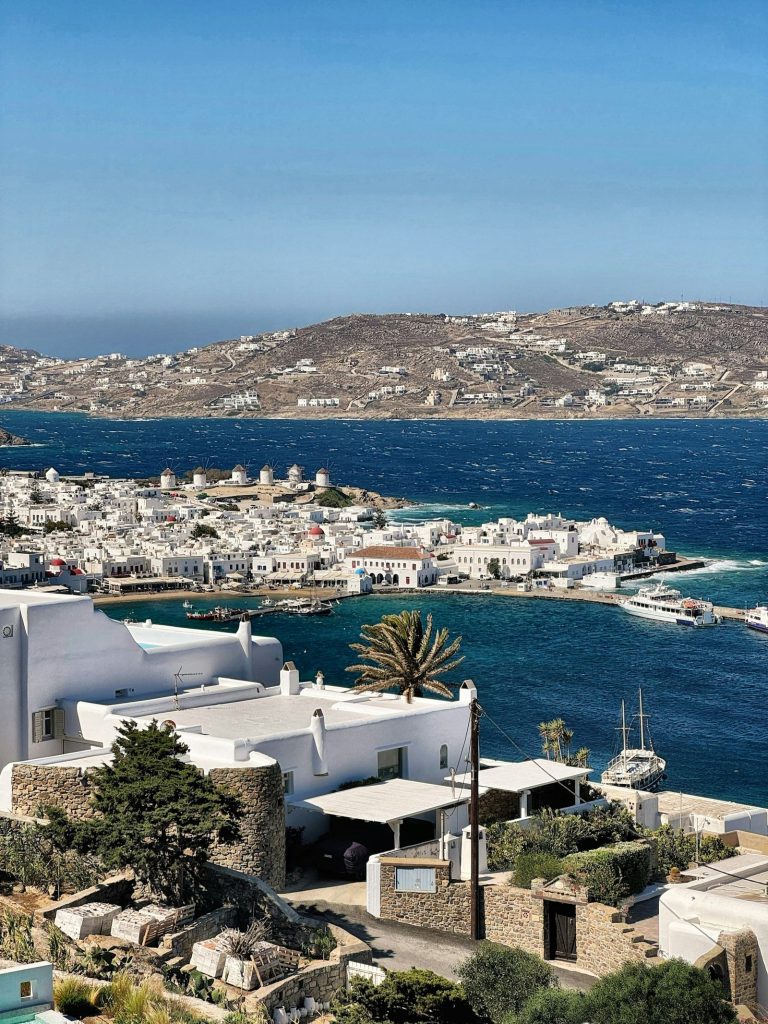 Mykonos Town in one dayLittle Venice, the windmills and whitewashed alleys.
 Heraklion in one dayThe Palace of Knossos and the Venetian harbour fortress.
 Chania in one dayA Venetian harbour, an old lighthouse and the prettiest lanes in Crete.
 Rethymno in one dayThe Fortezza and a Venetian-Ottoman old town.
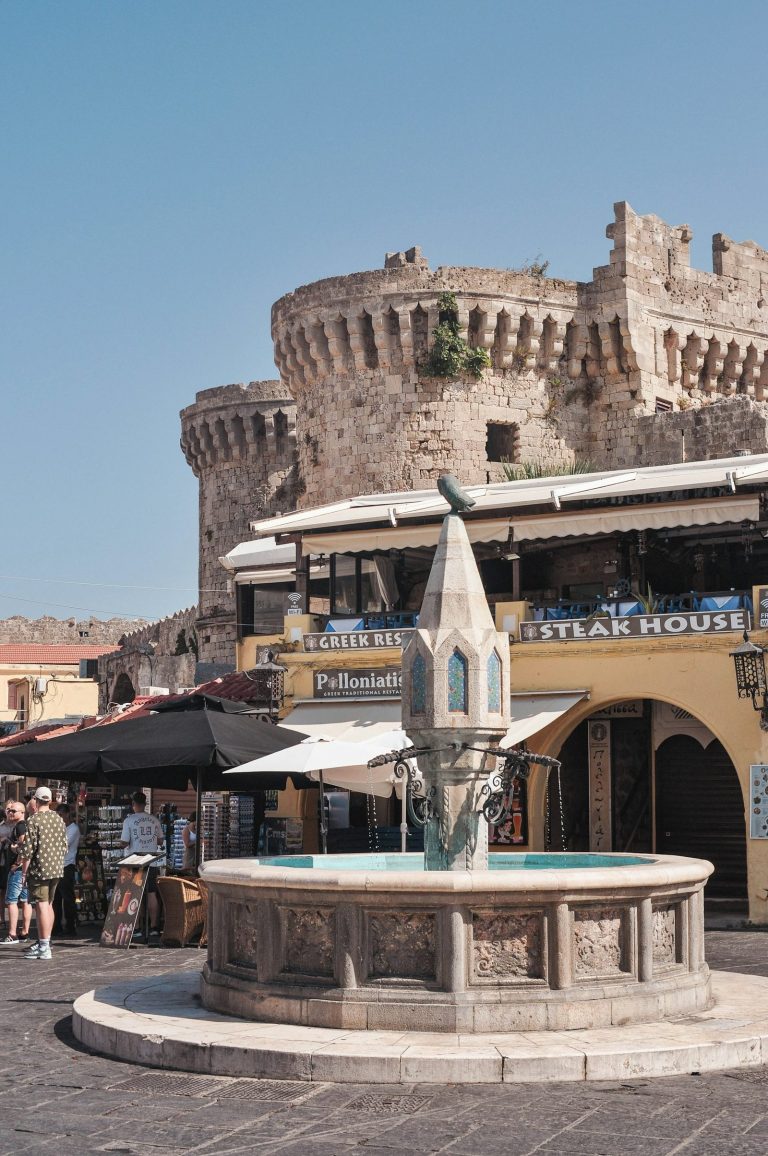 Rhodes in one dayA UNESCO medieval Old Town and the Palace of the Grand Master.
 Corfu in one dayA UNESCO old town with Venetian fortresses and Italian flair.
 Lefkada in one dayTurquoise beaches like Porto Katsiki – reachable by car.
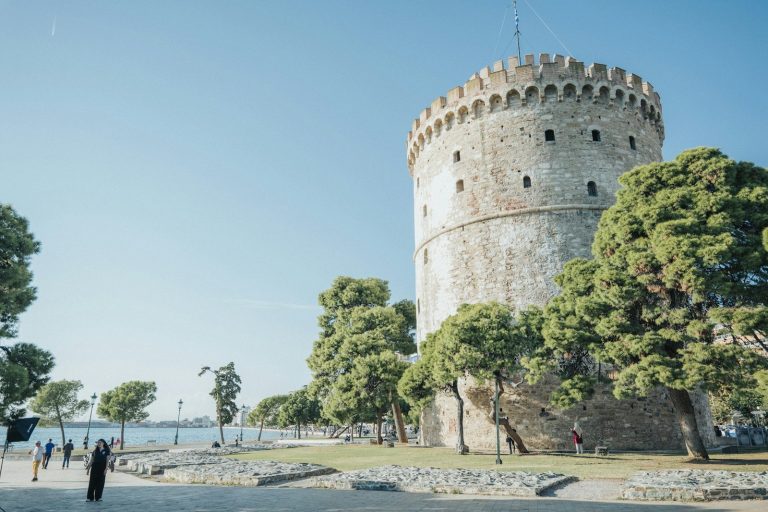 Thessaloniki in one dayThe White Tower, Byzantine churches and Greece’s best street food.
 Nafplio in one dayGreece’s first capital, the Palamidi fortress and a pastel old town.
 Kalamata in one dayOlives, a hilltop castle and a long city beach.
 Sparta in one dayAncient Sparta and the Byzantine ghost town of Mystras nearby.
 Patras in one dayGreece’s carnival city, St Andrew’s church and the Rio–Antirrio bridge.
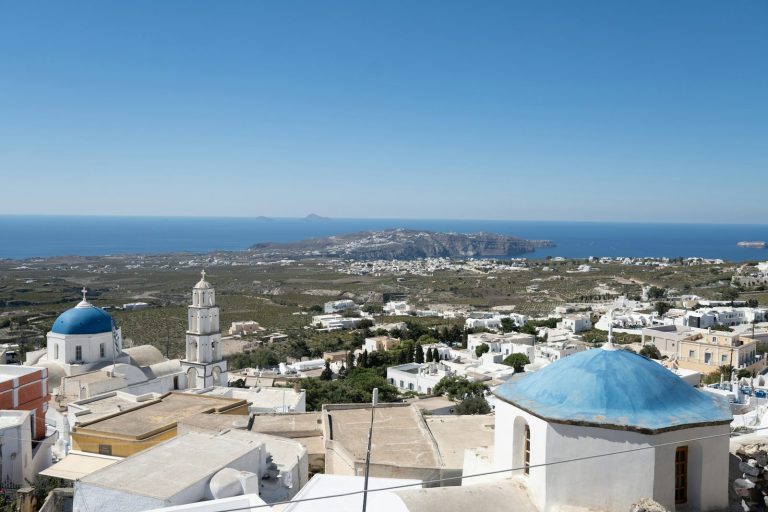 Pyrgos in one dayThe easy base for a visit to Ancient Olympia.
 Ioannina in one dayA lakeside castle town and the gateway to the Zagori villages.
 Volos in one dayA port city at the foot of Mount Pelion, famous for tsipouro and meze.
 Trikala in one dayA Byzantine fortress, a river through town and a short hop to Meteora.
 Kavala in one dayA Roman-era aqueduct, a hilltop fortress and the old Panagia quarter.Chalkida in one dayEvia’s gateway, where the Euripus Strait famously changes direction.Lamia in one dayA hilltop castle and the gateway to historic Thermopylae.
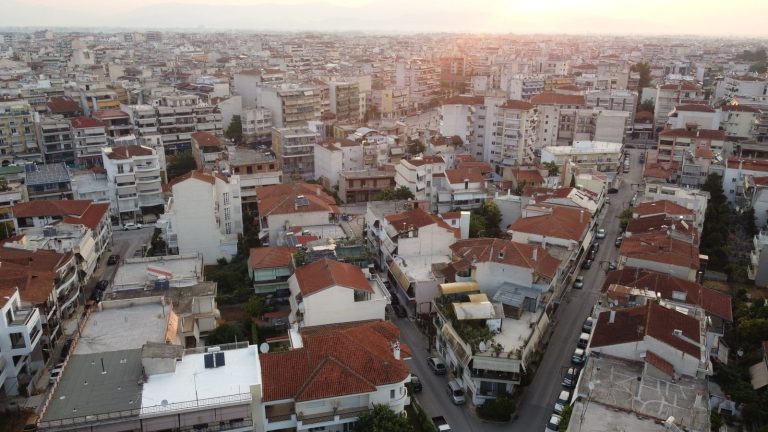 Larissa in one dayAn ancient theatre in the city centre and buzzing café culture.Agrinio in one dayLakes and mountains of Aetolia-Acarnania, far from the crowds.Veria in one dayByzantine churches, the old Barbouta quarter and the royal tombs of Vergina nearby.Kozani in one dayA mountain town in Western Macedonia, home of Kozani saffron.
 Serres in one dayA quiet Macedonian city and gateway to Lake Kerkini.Alexandroupoli in one dayA lighthouse seafront and the wild Evros Delta close by.
Best time to visit Greece
My short answer: late May to June, or September to mid-October. The sea is warm, ferries run full timetables and you avoid the July–August crowds, heatwaves and peak prices. Summer is great for pure beach holidays – just book early and plan sightseeing for the morning.
| Season | What to expect | Best for |
|---|---|---|
| Spring (April–June) | Wildflowers, mild days and quiet ancient sites. The sea warms up from late May; Greek Easter is a big celebration. | Athens, Peloponnese, Meteora, hiking |
| Summer (July–August) | Hot and busy. The strong meltemi wind blows in the Aegean, highest prices, packed ferries. | Islands, beaches, nightlife |
| Autumn (September–October) | Warm sea, softer light, grape and olive harvest, fewer people. | Island hopping, Crete, food & wine |
| Winter (November–March) | Many island hotels and ferry routes close; cities and the mainland stay alive. Snow in the mountains. | Athens, Thessaloniki, mountain villages |
How many days do you need in Greece?
For a first trip, 7–10 days lets you combine Athens with two islands without spending your holiday on ferries. Here are three routes I recommend – each stop links to its one-day itinerary.
4 days: Athens & one island
- Day 1–2: Athens – the Acropolis, Plaka and a sunset over the city.
- Day 3: ferry from Piraeus to Mykonos Town or Fira (Santorini).
- Day 4: beach day and the ferry or flight back.
7–10 days: classic Athens + Cyclades + Crete
- Day 1–2: Athens
- Day 3–4: Mykonos Town
- Day 5–6: Fira (Santorini)
- Day 7–9: Crete – Heraklion, Rethymno and Chania, then fly home from Heraklion or Chania
10–14 days: mainland road trip
- Peloponnese: Nafplio, Sparta, Kalamata and Pyrgos for Olympia
- West & north: Patras, Ioannina and Trikala for Meteora
- Finish in Thessaloniki, or drive back to Athens via Volos and Lamia
Want Greece without the crowds? Northern Greece is criminally underrated: Thessaloniki, Kavala, Veria, Kozani, Serres and Alexandroupoli give you great food, history and prices you won’t see on the islands.
Getting to Greece and getting around
Arriving
Athens International Airport is the main hub, with direct international flights also landing in Thessaloniki, Heraklion, Chania, Rhodes, Corfu and many other islands in summer. You can also arrive by overnight ferry from Italy – routes from Bari, Brindisi and Ancona reach Patras and Igoumenitsa.
By ferry (the classic)
Ferries and fast boats connect almost every inhabited island. Piraeus and Rafina near Athens are the main ports for the Cyclades, while Crete, Rhodes and the north Aegean islands have their own long-distance routes. Big conventional ferries are slower but cheaper and more comfortable in wind; fast catamarans save time but can be bumpy. In July and August book ahead, especially if you’re taking a car.
By plane
Domestic flights save a lot of time on long distances – for example Athens to Crete, Rhodes, Corfu or Thessaloniki. They’re often the best way to link two island groups that have few direct ferries.
By bus
The regional KTEL bus network covers the mainland and the bigger islands. It’s cheap and reliable for city-to-city trips like Athens–Nafplio or Thessaloniki–Kavala, but less useful for remote beaches.
By car
A rental car is the best way to see the Peloponnese, Meteora, Pelion, Northern Greece and big islands like Crete. Main motorways are tolled and in good condition; mountain roads are narrow and slow. Many islands are best explored by car or scooter – just remember that bigger scooters require a motorcycle licence.
By train
Trains are limited. The most useful line links Athens with Thessaloniki; for most other routes buses, ferries or a car are easier.
Entry rules for Greece in 2027
Greece is part of the EU and the Schengen Area, so the same rules apply as in the rest of Schengen. Non-EU visitors can usually stay up to 90 days in any 180-day period (check whether your nationality needs a visa).
- EES (Entry/Exit System): in full operation at Schengen borders. Non-EU travellers have their photo and fingerprints taken at the first entry instead of a passport stamp – allow a little more time at airports and ports.
- ETIAS: not required yet. When it launches, visa-free travellers (e.g. from the US, UK, Canada and Australia) will need to apply online before the trip. The fee is set at €20 and no start date has been announced yet.
- Only use the official EU website for ETIAS – beware of copycat sites charging extra fees.
Money and daily budget
Greece uses the euro. Cards work in most hotels, supermarkets and restaurants, but carry some cash for small tavernas, kiosks, markets and island bakeries – and use bank ATMs instead of independent cash machines with high fees. Tipping isn’t mandatory; rounding up or leaving 5–10% for good service is appreciated. Hotels and rentals also charge a small nightly climate resilience fee per room, and cruise passengers landing on Santorini and Mykonos pay a disembarkation fee in high season.
| Travel style | Rough daily budget (per person, summer) | What you get |
|---|---|---|
| Budget | €50–80 | Hostel or simple room, gyros and bakery lunches, buses and deck-class ferries |
| Mid-range | €120–180 | Private room or apartment, taverna dinners, a few tours and fast ferries |
| Comfort | €250+ | Boutique hotels with a view, rental car, boat trips and fine dining |
Santorini and Mykonos are by far the most expensive places in the country. The mainland and cities like Thessaloniki, Ioannina or Kalamata are much cheaper, and travelling in May, June or October can easily save you a third on accommodation.
What to eat and drink in Greece
Greek food is simple, seasonal and built around olive oil, fresh vegetables, cheese, grilled meat and fish. Order lots of small plates and share – that’s how locals eat. My must-tries:
- Gyros & souvlaki – the best cheap lunch in the country, and Thessaloniki takes street food very seriously.
- Moussaka & pastitsio – baked comfort food you’ll find in every taverna.
- Greek salad (horiatiki) – tomatoes, cucumber, onion, olives and a slab of feta, no lettuce.
- Dakos & Cretan olive oil – barley rusks topped with tomato and cheese, best in Heraklion or Chania.
- Fresh fish & octopus – grilled by the harbour; fish is usually priced by the kilo, so ask before you order.
- Kalamata olives – of course in Kalamata itself.
- Bougatsa & tiropita – custard or cheese pies for breakfast with a freddo espresso.
- Loukoumades – honey-soaked doughnuts for dessert.
- Ouzo & tsipouro – anise spirits served with meze; Volos is famous for its tsipouro bars.
- Assyrtiko – crisp white wine from Santorini’s volcanic vineyards.
- Agiomavritiko & Xinomavro – Greece’s best-known red grapes, from Nemea and Naoussa.
- Freddo espresso & freddo cappuccino – the iced coffees all of Greece runs on.
Best beaches and islands in Greece
With so many islands, there’s a beach for every mood. Water shoes are a good idea on rocky beaches. A few favourites:
- Porto Katsiki (Lefkada) – white cliffs above impossibly blue water.
- Elafonissi & Balos (Crete) – pink-tinged sand and shallow lagoons in western Crete.
- Red Beach & Perissa (Santorini) – volcanic red cliffs and black sand.
- Paradise & Psarou (Mykonos) – beach clubs and party atmosphere.
- Paleokastritsa (Corfu) – green coves and caves on the west coast.
- Lindos (Rhodes) – a beach right below an ancient acropolis.
- Voidokilia (Messinia, near Pylos) – a perfect horseshoe bay in the Peloponnese, an easy day trip from Kalamata.
My honest local tips
- Go early to ancient sites: the Acropolis in Athens uses timed tickets – book online and take the first slot to avoid crowds and heat.
- Respect the heat: July and August often go well above 35 °C. Sightsee in the morning, rest in the afternoon and carry water.
- Drink bottled water on many islands: tap water is safe in Athens and most of the mainland, but on many islands it’s desalinated and locals buy bottled water for drinking.
- Don’t over-plan island hopping: two or three islands in a week is plenty; every ferry eats half a day.
- Eat where locals eat: look for tavernas with handwritten menus away from the main square – and avoid places with no prices on the menu.
- Use the emergency number 112 – it also sends wildfire and heat alerts by SMS in summer.
Beyond the border: easy trips from Greece
Greece connects easily with the rest of the Mediterranean. Overnight ferries from Patras and Igoumenitsa cross to Italy – see my guides to Bari, Alberobello and the whole of Italy. Flying north? Combine Greece with the Adriatic in my Croatia travel guide, or head overland through the Balkans to Serbia. More ideas in my Europe travel guide.
Work with me

Hotel, tourist board or travel brand in Greece?
I create honest, practical one-day itineraries read by travellers planning their next trip – plus photos and Instagram stories from the road. I’m open to collaborations with hotels, apartments, restaurants, wineries, ferry and tour operators and destinations across Greece: sponsored itineraries, destination features, press trips and social media campaigns.
Work with me Get in touchGreece travel FAQ
Is Greece expensive?
It depends where you go. Santorini and Mykonos are among the most expensive places in Europe in summer, while the mainland, Crete and cities like Thessaloniki are much cheaper. Expect roughly €120–180 per day for mid-range travel in summer.
What is the best month to visit Greece?
June and September are my favourites: warm sea, long days and full ferry timetables, with fewer crowds and lower prices than July and August.
Do I need ETIAS to visit Greece?
Not yet. ETIAS has no confirmed start date (as of November 2026). Non-EU visitors are already registered in the EU Entry/Exit System (EES) at the border with a photo and fingerprints.
Can you drink tap water in Greece?
In Athens and most of the mainland, yes. On many islands the water is desalinated and not recommended for drinking, so buy bottled water there.
How many days do you need in Greece?
7–10 days is ideal for a first trip combining Athens with two islands. With 4 days, stick to Athens plus one island.
How do I get between the Greek islands?
By ferry or fast boat, or by domestic flight between island groups. Book ahead in July and August and avoid scheduling a ferry on the day of your flight home.
Is Greece safe for tourists?
Yes, Greece is a safe country. Watch out for pickpockets in busy parts of Athens and on public transport, and take summer heat and wildfire warnings seriously.
What currency does Greece use?
The euro (EUR). Cards are widely accepted, but carry some cash for small tavernas, kiosks and markets.
Ready to explore Greece one day at a time?
Start with the classics or go off the beaten path – every guide is a ready-made plan for your day.
Start with AthensDiscover Northern Greece@miki.kokica on Instagram