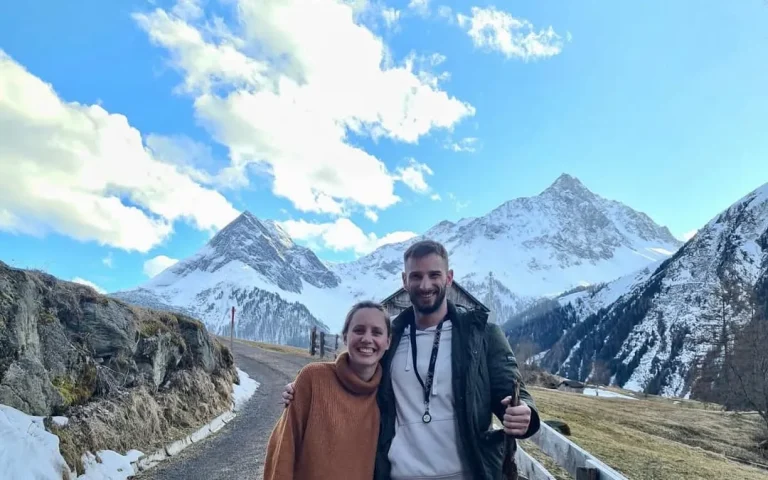
Hi, I’m Miki – and my latest trip to Czechia was a very special one: I visited Prague with my 3.5-month-old baby. Fairy-tale spires, trams rattling over cobblestones, cosy pubs and some of the best-value city breaks in Europe – Czechia is compact, safe and surprisingly easy to travel, even with a stroller.
This guide brings together everything you need to plan Czechia in 2027: where to go, the best time to visit, how to get around, money and the tourist fee, entry rules and what a day really costs. Travelling with little ones? Start with my honest guide to Prague with a baby.
Why visit Czechia in 2027
- Prague – one of Europe’s most beautiful capitals, with a medieval old town that survived the wars almost untouched.
- Great value – meals, beer and public transport are still cheaper than in most Western European capitals.
- Fairy-tale towns – Český Krumlov, Kutná Hora and Karlovy Vary are easy day or overnight trips.
- Beer culture – the home of Pilsner, with brewery pubs in almost every town.
- Easy for families – safe streets, efficient trams and free public transport in Prague for an adult travelling with a child under 3.
My guides to Czechia
My first Czech guide is a personal one – everything we learned exploring Prague with a baby, from the metro and trams to the best family-friendly sights.


Czechia region by region
Prague
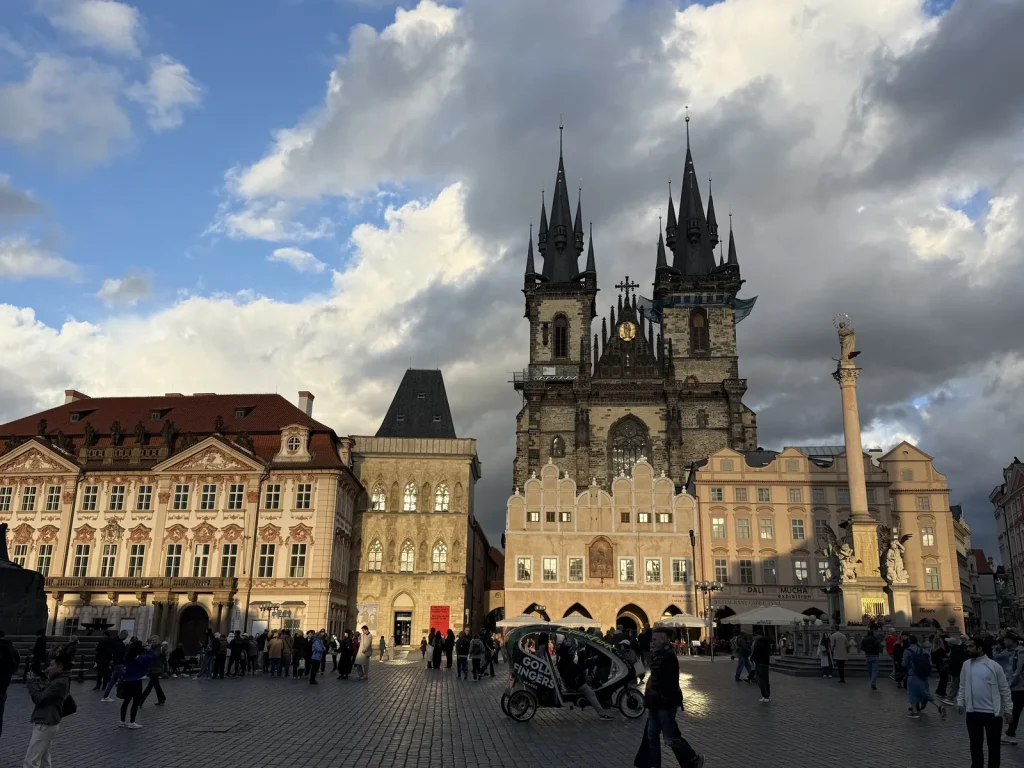
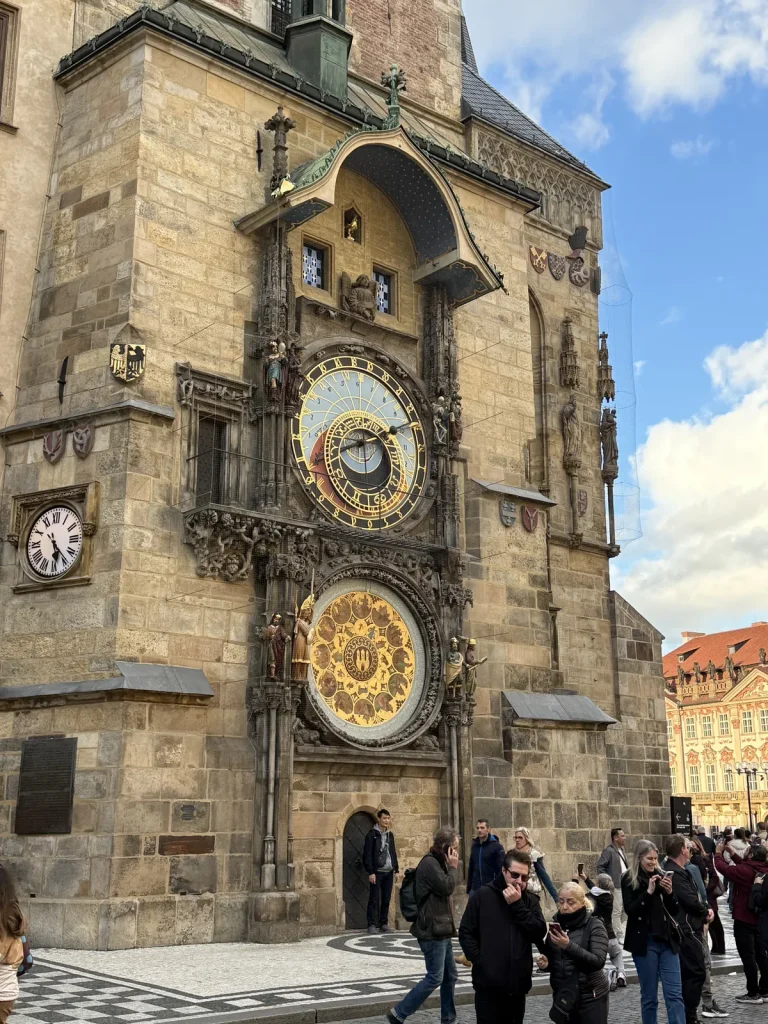
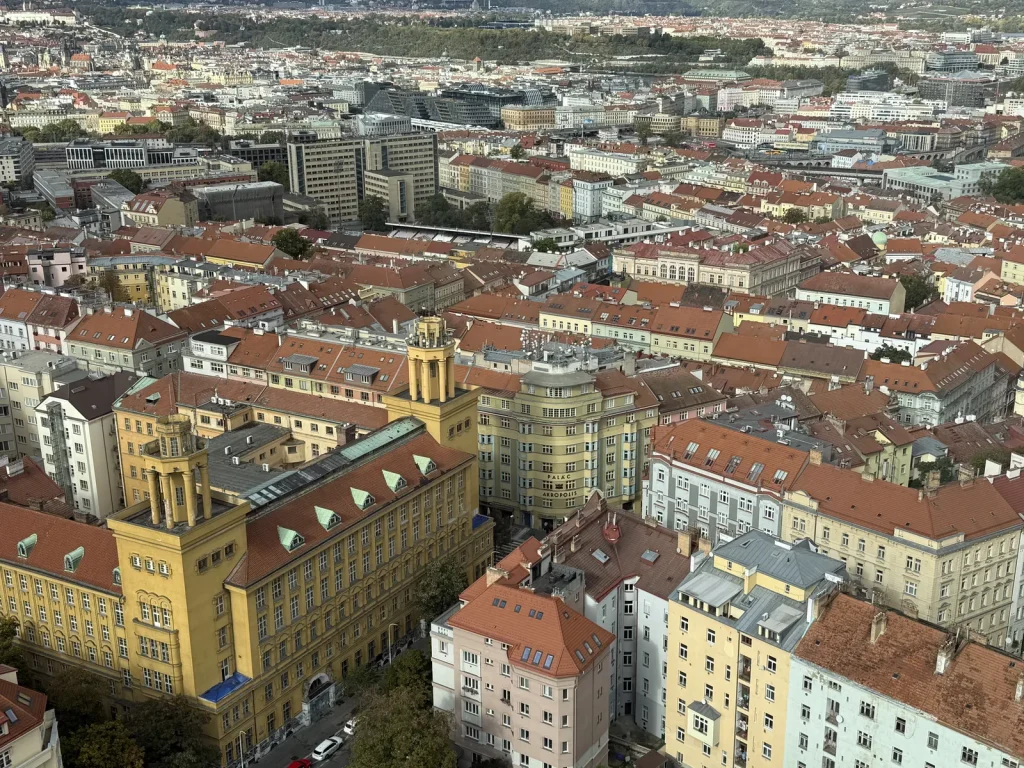
The capital is the reason most people come: Old Town Square and the Astronomical Clock, Charles Bridge, Prague Castle, the Lesser Town (Malá Strana) and lively neighbourhoods like Vinohrady and Žižkov, home to the futuristic Žižkov TV Tower.
Central Bohemia
Day trips from Prague: Kutná Hora with the Sedlec Ossuary and St Barbara’s Cathedral, the Gothic castle of Karlštejn and the fairy-tale Konopiště chateau.
South Bohemia
Český Krumlov is the postcard town – a castle above a looping river and a perfectly preserved old centre – and České Budějovice is the home of Budvar beer.
West Bohemia & the spa towns
Elegant colonnades and healing springs in Karlovy Vary, Mariánské Lázně and Františkovy Lázně (together a UNESCO site), plus Plzeň, the birthplace of Pilsner lager.
North Bohemia
Bohemian Switzerland National Park, with Pravčická brána, the largest natural sandstone arch in Europe, and the rock towns of the Bohemian Paradise.
Moravia
Czechia’s relaxed second half: Brno with its student buzz and Villa Tugendhat, baroque Olomouc, the Lednice–Valtice cultural landscape and the South Moravian wine region, perfect for cellar-hopping.
Where to spend a perfect day in Czechia
- Prague – Old Town Square, Charles Bridge at sunrise, Prague Castle and dinner in Vinohrady (my full Prague one-day itinerary is coming soon).
- Český Krumlov – the castle, the Cloak Bridge and a lazy river walk.
- Kutná Hora – the bone church and St Barbara’s Cathedral, about an hour from Prague by train.
- Karlovy Vary – colonnades, spring water and spa wafers.
- Brno – Špilberk Castle, cafés and a craft beer crawl.
- Olomouc – the Holy Trinity Column and one of Czechia’s prettiest squares.
- Bohemian Switzerland – a hike to Pravčická brána and a boat ride through the Kamenice gorges.
Planning a trip to Czechia?
Start in Prague, add one or two day trips and you’ll see the best of Bohemia in a week.
Prague with a babyFollow my trips on InstagramBest time to visit Czechia
My short answer: May–June and September–early October. The weather is pleasant for walking, gardens and terraces are open, and you avoid the biggest summer crowds. December is magical too, with Christmas markets on Prague’s Old Town Square – just pack warm layers.
| Season | What to expect | Best for |
|---|---|---|
| Spring (March–May) | Mild, blossoming parks, Easter markets. | City breaks, gardens, Český Krumlov |
| Summer (June–August) | Warm and busy, long evenings, beer gardens. | Hiking, river trips, festivals |
| Autumn (September–November) | Golden colours, wine harvest in Moravia, fewer tourists. | Prague, wine cellars, spa towns |
| Winter (December–February) | Cold, often grey, Christmas markets in December. | Christmas markets, museums, spas |
How many days do you need in Czechia?
A long weekend is enough for Prague. For a first trip I’d plan 5–7 days.
3 days: Prague
- Day 1: Old Town, the Astronomical Clock and Charles Bridge
- Day 2: Prague Castle and Malá Strana
- Day 3: Vinohrady, Žižkov TV Tower and the National Museum
5–7 days: Prague & Bohemia
- Days 1–3: Prague
- Day 4: Kutná Hora
- Days 5–6: Český Krumlov
- Day 7: Karlovy Vary or Plzeň
10 days: Bohemia & Moravia
- Prague and Kutná Hora
- Český Krumlov
- Brno and the Moravian wine region
- Olomouc
Getting to Czechia and getting around
Arriving
Most visitors fly into Václav Havel Airport Prague; buses connect it with the metro, and taxis or ride apps take around half an hour to the centre. Prague also has direct trains to Vienna, Berlin, Budapest and Kraków.
Public transport in Prague
Metro, trams and buses are fast, frequent and cheap. In 2026 a 30-minute ticket cost CZK 39 on paper or CZK 36 in the official PID Lítačka app, and a 90-minute ticket CZK 50 (CZK 46 in the app). Children under 6 ride free, an adult accompanying a child under 3 also travels free in Prague (carry the child’s passport or ID), and a pram with a child in it is free too.
Trains and buses
České dráhy (ČD), RegioJet and Leo Express connect the main cities – Prague to Brno takes about 2.5 hours, and booking early gets you cheap seats. RegioJet and FlixBus buses are a good alternative for Český Krumlov.
By car
Motorways require an electronic vignette (e-dálniční známka), bought online before you drive. From January 2026 it cost CZK 230 for one day, CZK 300 for 10 days, CZK 480 for 30 days and CZK 2,570 for a year – check the official site for 2027 prices. In Prague, leave the car at a P+R car park and use public transport.
Entry rules for Czechia in 2027
Czechia is in the EU and the Schengen Area. Non-EU visitors can usually stay up to 90 days in any 180-day period (check whether your nationality needs a visa).
- EES (Entry/Exit System): live at Schengen borders since April 2026. Non-EU travellers have their photo and fingerprints taken at the first entry instead of a passport stamp.
- ETIAS: not required yet. When it launches, visa-free travellers (e.g. from the US, UK, Canada and Australia) will need to apply online before the trip; no start date has been confirmed.
- Use only the official EU website for ETIAS – copycat sites charge extra fees.
Money, tourist fee and daily budget
Czechia uses the Czech koruna (CZK), not the euro. Cards and contactless payments are accepted almost everywhere, so you only need a little cash. When a card terminal or ATM offers to charge you in euros, always choose CZK – the conversion offered on the spot is usually much worse.
Prague charges a local tourist fee of CZK 50 per person per night (not charged for the day of arrival), usually added to your hotel bill. Other towns charge their own fees, mostly lower.
| Travel style | Rough daily budget (per person) | What you get |
|---|---|---|
| Budget | CZK 1,500–2,500 (about €60–100) | Hostel or simple guesthouse, pub lunches, public transport |
| Mid-range | CZK 3,000–5,000 (about €120–200) | 3–4★ hotel, paid sights, sit-down dinners |
| Comfort | CZK 6,000+ (about €240+) | Boutique hotel, guided tours, fine dining |
Prague’s Old Town is the most expensive part of the country; just a few tram stops away in Vinohrady, Žižkov or Smíchov, prices drop noticeably. Look for the polední menu (lunch menu) for great-value meals on weekdays.
Food and drink you have to try
- Soup in a bread bowl – goulash or garlic soup served in a hollowed-out loaf; we loved it.
- Svíčková – beef sirloin in a creamy vegetable sauce with dumplings and cranberries.
- Goulash with dumplings – the classic pub lunch.
- Smažený sýr – fried cheese with tartar sauce, a guilty pleasure.
- Trdelník – the sweet chimney cake you’ll see everywhere; tasty, but it’s a tourist invention rather than an old Czech tradition.
- Beer – Pilsner Urquell, Budvar and countless small breweries; in Moravia, try local white wine.
Safety and local tips
- Watch out for pickpockets on Charles Bridge, Old Town Square and in crowded trams – keep bags zipped and in front of you.
- Never exchange money on the street, and be careful with exchange offices advertising “0% commission” – check the final amount you’ll receive before handing over cash, or simply pay by card.
- Use official taxis or ride apps (Bolt, Uber) rather than hailing cars in tourist hotspots.
- Validate paper tickets before boarding – inspectors are common and fines are steep.
- Cobblestones are beautiful but tough on stroller wheels and heels – comfortable shoes are a must.
- Emergency number – 112 for all emergencies.
Beyond the border: easy trips from Czechia
Czechia is perfectly placed for a Central Europe trip. Vienna is about four hours from Prague by train – see my Austria travel guide – and Budapest is easy to add via Brno and Bratislava (more in my Hungary guide). Slovakia, Poland and Germany (Dresden is only about two hours from Prague) all border the country. For more ideas, browse my Europe travel guide.
Work with me

Hotel, tourist board or travel brand in Czechia?
I create honest, practical one-day itineraries read by travellers planning their next trip – plus photos, drone shots and Instagram stories from the road. I’m open to collaborations with hotels, apartments, restaurants, wineries, tour operators and destinations across Czechia: sponsored itineraries, destination features, press trips and social media campaigns.
Work with me Get in touchCzechia travel FAQ
Is Czechia expensive to visit?
Czechia is cheaper than most of Western Europe. Expect roughly CZK 3,000–5,000 (about €120–200) per person per day for mid-range travel; Prague’s Old Town is the priciest area.
Does Czechia use the euro?
No. The currency is the Czech koruna (CZK). Cards are accepted almost everywhere, and you should always choose to pay in CZK when a terminal offers a currency conversion.
Is there a tourist tax in Prague?
Yes. Prague charges a local tourist fee of CZK 50 per person per night, usually collected by your accommodation; the day of arrival is not charged.
What is the best time to visit Prague?
May, June, September and early October offer pleasant weather and fewer crowds. December is popular for the Christmas markets.
Is Prague good for families with babies?
Yes. Public transport is efficient, an adult with a child under 3 rides free in Prague, and many sights have lifts and changing facilities. The cobblestones in the Old Town are the main challenge for strollers, so a baby carrier helps.
Do I need a vignette to drive in Czechia?
Yes, an electronic vignette is required on motorways. In 2026 it cost CZK 230 for one day, CZK 300 for 10 days and CZK 480 for 30 days; buy it online before you drive.
Do I need ETIAS to visit Czechia?
Not yet. ETIAS has no confirmed start date (as of November 2026). Non-EU visitors are already registered in the EU Entry/Exit System (EES) at the border.
Is Prague safe for tourists?
Yes, Prague is one of the safest capitals in Europe. The main issues are pickpockets in crowded spots like Charles Bridge and unfair currency exchange offices.
Ready for Czechia?
Save this guide, start with Prague and follow my Czech itineraries as they go live.
Explore my Europe guidesFollow on Instagram