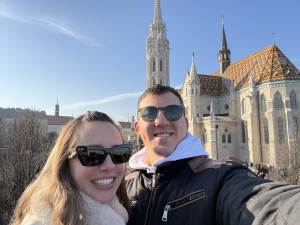
Hi, I’m Miki – and Morocco is the country that showed me how close another world can be. A short flight from Europe and suddenly you’re drinking mint tea on a rooftop above blue lanes, haggling in souks that smell of spices, watching fishing boats come in on the Atlantic and riding a horse along an endless beach.
This guide brings together everything you need to plan Morocco in 2027: where to go, my one-day itineraries, the best time to visit, trains, entry rules, money and how to avoid the classic scams. Short on time? Jump straight to Chefchaouen, Marrakech, Fes, Rabat and Essaouira.
Why visit Morocco in 2027
- Close to Europe – short flights from most European cities and ferries from Spain in about an hour.
- Incredible variety – imperial cities, the blue mountain town of Chefchaouen, the Atlantic coast, the High Atlas and the Sahara.
- Food you’ll dream about – tagine, couscous, pastilla, fresh bread and mint tea everywhere.
- Great value – riads, meals and transport are still affordable compared with Europe.
- Modern trains – Al Boraq, Africa’s first high-speed train, links Tangier, Rabat and Casablanca.
My one-day itineraries in Morocco
Each guide is a route with times, prices and honest tips, written so you can make the most of your time in each place.
 Chefchaouen in one dayBlue lanes, rooftop breakfasts and a sunset viewpoint.
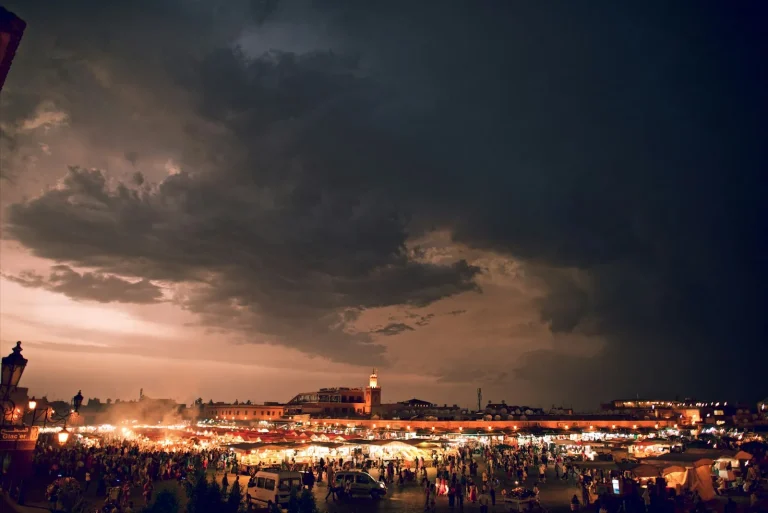 Marrakech in 3 daysSouks, palaces, Jardin Majorelle and the scams to avoid.
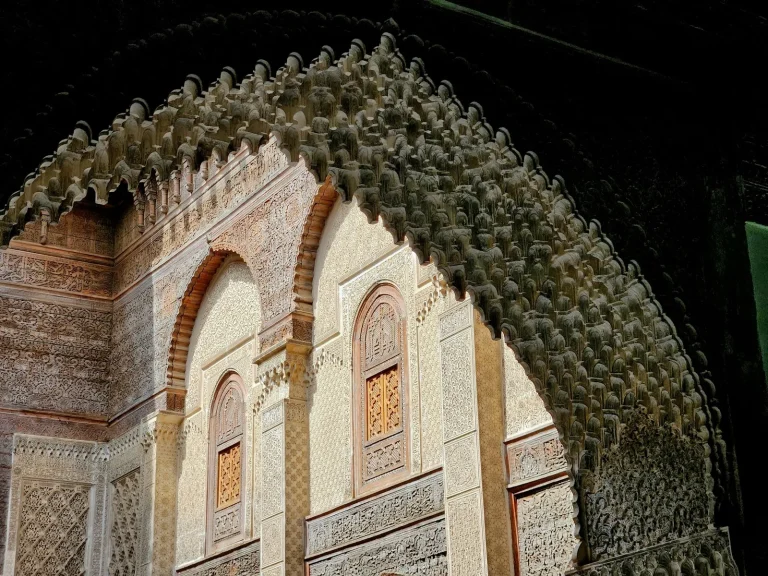 Fes in one dayMadrasas, the tanneries and a medieval car-free medina.
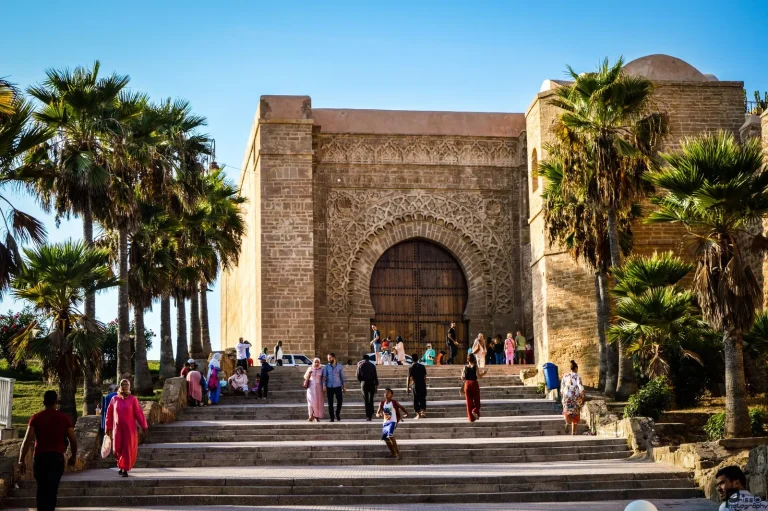 Rabat in one dayThe Kasbah of the Udayas, Hassan Tower and the Chellah.
 Essaouira in one dayBlue boats, ocean ramparts and horse riding on the beach.
Morocco region by region
The north: Chefchaouen and Tangier
Chefchaouen, the Blue Pearl of the Rif mountains, is the most photogenic town in Morocco. Tangier is the gateway from Spain, and the Mediterranean coast around Tetouan is popular with Moroccan holidaymakers.
The imperial cities: Fes, Rabat, Meknes and Marrakech
Fes is the spiritual and craft capital with its huge medieval medina; Rabat, the calm capital, has a blue-and-white kasbah and the Hassan Tower; Meknes hides grand gates and is next to the Roman ruins of Volubilis; and Marrakech is the colourful, chaotic star of the south.
The Atlantic coast
Essaouira is breezy and relaxed, with a fishing port and a wide beach for horse riding and kitesurfing. Casablanca is the economic capital with the vast Hassan II Mosque, and Agadir and Taghazout are the beach and surf hubs.
The mountains and the desert
The High Atlas starts an hour from Marrakech, with Berber villages and Toubkal, North Africa’s highest peak. Further south are the kasbahs of Aït Benhaddou and Ouarzazate, the gorges of Todra and Dades, and the Sahara dunes of Merzouga.

Best time to visit Morocco
| Season | Weather | Good for |
|---|---|---|
| Spring (March–May) | Warm days, green landscapes | Cities, mountains, the desert – my favourite time |
| Summer (June–August) | Very hot inland (often 40 °C in Marrakech and Fes) | The Atlantic coast and the mountains |
| Autumn (September–November) | Warm and pleasant | Everything – cities, coast and desert |
| Winter (December–February) | Mild days, cold nights; snow in the Atlas | Cities and sunny days; pack layers for the desert |
Getting around Morocco
- Trains (ONCF): comfortable and cheap. Al Boraq high-speed trains run Tangier–Rabat–Casablanca; regular trains continue to Fes and Marrakech. A high-speed extension to Marrakech is under construction.
- Buses: CTM and Supratours connect the rest, for example Marrakech–Essaouira (about 3 hours) and Fes–Chefchaouen (about 4 hours).
- Grand taxis and private transfers: handy for routes without trains; agree the price in advance.
- Car hire: great for the Atlas and the south; avoid driving inside the medinas.
- Tours: for the Sahara, a 3-day tour from Marrakech or Fes is the easiest option.
Entry rules, money and practical info
- Visa: citizens of the EU, the UK, the USA, Canada and many other countries can visit visa-free for up to 90 days; your passport should be valid for at least 6 months.
- Money: the Moroccan dirham (MAD) can’t be bought abroad – exchange at the airport or use ATMs. Cash is essential in medinas and souks.
- Language: Arabic and Amazigh (Berber); French is widely spoken and English is common in tourist areas.
- Plugs: type C and E, 220 V – the same as most of Europe.
- Time zone: GMT+1 for most of the year, switching to GMT during Ramadan.
- Emergency numbers: police 19, ambulance and fire 15 (112 also works from mobiles).
Food you have to try
- Tagine – slow-cooked stews with chicken and preserved lemon, lamb with prunes or kefta with eggs.
- Couscous – traditionally eaten on Fridays.
- Pastilla – the sweet-savoury pie from Fes.
- Harira – the tomato and lentil soup that breaks the fast during Ramadan.
- Moroccan breakfast – msemen pancakes, honey, olive oil, amlou and fresh orange juice, ideally on a rooftop.
- Mint tea – sweet, poured from a height and offered everywhere.
Safety and local tips
- Scams are the main issue – in Marrakech someone tried to take our money for a balloon flight. Book with reputable companies, never pay cash to middlemen and read my Marrakech scam tips.
- Fake guides – politely ignore people who offer to show you the way or tell you a street is closed.
- Haggle with a smile in the souks; walking away is part of the game.
- Dress modestly – covering shoulders and knees is respectful and avoids unwanted attention.
- Ask before photographing people, especially in markets.
- Drink bottled or filtered water rather than tap water.
Plan a longer trip
Want to see more in one go? My 10-day Morocco itinerary for first-timers combines the imperial cities, the Atlas and a night in the Sahara. From the south of Spain, ferries cross the Strait of Gibraltar in about an hour, so Morocco pairs perfectly with Spain. Browse more countries on my Africa travel guide.
Work with me

Hotel, tourist board or travel brand in Morocco?
I create honest, practical one-day itineraries read by travellers planning their next trip – plus photos, drone shots and Instagram stories from the road. I’m open to collaborations with hotels, apartments, restaurants, wineries, tour operators and destinations across Morocco: sponsored itineraries, destination features, press trips and social media campaigns.
Work with me Get in touchMorocco travel FAQ
Do I need a visa for Morocco?
Citizens of the EU, the UK, the USA, Canada and many other countries can visit Morocco visa-free for up to 90 days. Your passport should be valid for at least six months from arrival.
What is the best time to visit Morocco?
Spring (March–May) and autumn (September–November) are the best seasons for cities, mountains and the desert. Summer is very hot inland, while the coast stays pleasant.
Is Morocco safe for tourists?
Yes, Morocco is generally safe. The main problems are scams, fake guides and petty theft in busy medinas, so book with reputable companies and keep your valuables secure.
How many days do you need in Morocco?
One week is enough for two or three cities, for example Marrakech, Essaouira and a day in the Atlas. With 10–14 days you can add Fes, Chefchaouen, Rabat and the Sahara.
Can I pay by card in Morocco?
Cards are accepted in many hotels, restaurants and shops in big cities, but cash in dirhams is essential in medinas, souks, taxis and small cafés.
Is it easy to travel around Morocco by train?
Yes. ONCF trains link Tangier, Rabat, Casablanca, Fes and Marrakech, and the Al Boraq high-speed train makes Tangier–Rabat–Casablanca fast and comfortable.
Ready for Morocco?
Pick a city, save this guide and start planning your Moroccan adventure.
Explore my Africa guidesFollow on Instagram