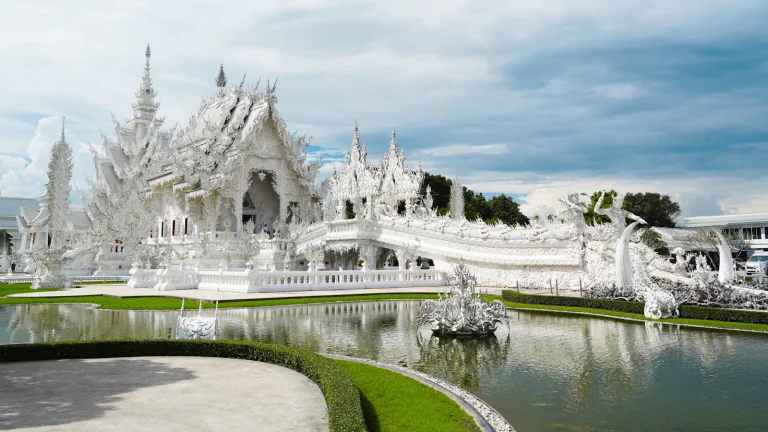
Rhodes has two very different coasts. The east side is the beach side: sandy bays, calm water and little coves from Rhodes town all the way down to Lindos. The west coast is windier and wilder, with pebbles, castles and far fewer people. Then, at the very southern tip, there’s Prasonisi, where two seas meet on either side of a strip of sand. The best beaches in Rhodes are spread along all of it.
St Paul’s Bay under the Lindos acropolis is already in my best beaches in Greece guide, so this post covers ten more, roughly from north to south. For each one I’ve written how to get there, what it’s like and who it suits. Everything was checked in November 2026; where I couldn’t confirm a price, I’ve said so.
Beaches in Rhodes at a glance
| Beach | Area | Type | How to get there | Parking/fee* | Good for | Best time |
|---|---|---|---|---|---|---|
| Elli | Rhodes town | Sand and pebble | Walk from the Old Town | Sunbeds paid | A swim between sights | June to September |
| Kallithea Springs | 8 km south of town | Rocky coves, pebble | Car, bus or boat tour | Entry to the springs paid (check price) | Snorkelling, architecture | May, June, September |
| Anthony Quinn Bay and Ladiko | 20 km south of town | Sand, pebble and rock | Car; boat tours stop here | Parking nearby | Snorkelling, kayaking | May, June, September |
| Traganou | 23 km south of town | Light pebble | Car, 4 km from Faliraki | Check on site | Quiet swims, sea cave | June, September |
| Tsambika | 25 km south of town | Golden sand | Car from the main east coast road | Check on site | Families | June, September |
| Agathi | Haraki, 38 km south of town | Golden sand | Dirt road from Haraki, then 5 min walk | Check on site | Calm water, couples | June, September |
| Lindos main beach | Lindos, 48 km south of town | Golden sand | Walk from Lindos village | Sunbeds paid | Families, a swim after the acropolis | May, June, September |
| Glystra | Near Lardos, 52 km south of town | Small sandy cove | Car from Lindos or Lardos | No facilities | Small children, quiet | June, September |
| Prasonisi | Southern tip, 85 km from town | Sand | Car, 40 km southwest of Lindos | Check on site | Windsurfing, kitesurfing | July, August (wind); June, September (swim) |
| Fourni | West coast near Monolithos, 80 km from town | Pebble | Car via Monolithos | No facilities | Wild coast, caves | June, September |
*Beaches in Greece are public. What you pay for is parking, sunbeds, boat trips or entry to sites like Kallithea Springs. Distances by road from Rhodes town. Details from tourism guides, operators and recent visitor reports (checked November 2026). If no price is shown, I couldn’t confirm one: check before you go.
1. Elli beach, right in Rhodes town
It’s rare to find a proper beach this close to a medieval old town, and that’s why Elli is on my list. It curves around the northern tip of Rhodes town, from near the casino to beyond the aquarium, and it’s busy, cheerful and fully organised. The best part is the diving platform standing in the sea; even if you don’t jump, it’s fun to watch.
- How to get there: walk from the Old Town or the new town hotels.
- The beach: sand and pebbles, rows of sunbeds and umbrellas, tavernas and watersports.
- Good for: a swim between sightseeing, or a beach morning without a car.
- Good to know: the water can feel cooler than you expect, and the aquarium nearby is a good escape from the midday sun.
- Best time: June to September, in the late afternoon after the Old Town.
For the castle, the Street of the Knights and the rest of the town, see my one day in Rhodes guide.
2. Kallithea Springs, swimming by an old spa
Kallithea, about 8 km south of Rhodes town, is a swim with a setting. The springs here have been known since ancient times for their healing waters, and the restored spa buildings, with their domes, mosaics and arches, sit right above small rocky coves of clear water. It isn’t a long sandy beach, but it’s one of the most photogenic places on the island.
- How to get there: by car from Rhodes town, or on an east coast boat tour; many stop here for about an hour of swimming.
- Fee: entry to the springs complex is paid. I couldn’t confirm the 2026 price, so check before you go.
- Facilities: sunbeds and umbrellas, a bar for coffee and snacks, toilets and plenty of parking.
- Swimming: the water gets deep quickly, so it suits confident swimmers. Bring a mask for the rocks.
- Best time: May, June and September, early in the day before the tour groups.
3. Anthony Quinn Bay and Ladiko, the snorkelling coves
Anthony Quinn Bay is a small, narrow cove about 20 km south of Rhodes town, between Faliraki and Ladiko, and it’s one of the calmest places to swim on the island. It was originally called Vagies; scenes for The Guns of Navarone (1961) were filmed in the area, and locals renamed the bay after the film’s star. The water is a clear green-blue over rocks, and it’s my favourite snorkelling spot on Rhodes.
Ladiko, right next door, is a slightly bigger pebble bay with more sunbeds. If one is full, try the other.
- How to get there: by car from Rhodes town or Faliraki. Many boat tours stop here for a swim.
- Parking/fee: there’s a parking area nearby. A few sunbeds and umbrellas are for rent; I couldn’t confirm the price.
- The beach: small, with sand, pebbles and rocks. There’s a taverna and public toilets.
- Good for: snorkelling, kayaking and paddleboarding.
- Best time: May, June and September, in the morning, before the boats arrive.
4. Traganou, pebbles and a sea cave
Traganou is only 4 km from Faliraki, but it feels much quieter. Instead of sand, the beach is small, light-coloured pebbles, and the water is a very clear turquoise. At one end there’s a big sea cave you can swim into; boat tours often stop at it on the way to Kallithea or Anthony Quinn Bay.
- How to get there: by car, about 23 km south of Rhodes town.
- Facilities: only a small part of the beach is organised, with a few sunbeds and umbrellas, showers and a small fish taverna.
- Good for: a quieter swim near Faliraki, and the cave.
- Best time: June and September.
5. Tsambika, golden sand under a monastery
Tsambika is the classic east coast beach: a long stretch of golden sand and turquoise water, about 25 km south of Rhodes town, with a little whitewashed monastery on top of a 240 m rock above it. It’s organised, popular with families and a good, easy beach day. The view from the monastery down to the bay is the reason to climb up; it’s steep and there’s little shade, so do it early or late.
- How to get there: by car from the main east coast road. Some boat tours stop here too.
- Facilities: sunbeds, umbrellas, watersports, canteens and beach bars. The southern end is quieter.
- Good for: families and long, lazy beach days.
- Best time: June and September.
6. Agathi, a quiet cove below Feraklos castle
Agathi is a small sandy cove just north of Haraki, about 38 km south of Rhodes town and 10 km north of Lindos. The water is calm and relatively shallow, there are rocks on the right side for snorkelling, and a little chapel of Agia Agathi, from the 14th or 15th century, stands on the left. On the way you pass the ruins of Feraklos castle, which are worth the short detour for the view.
- How to get there: follow the signposted dirt road from Haraki, then walk about 5 minutes.
- Facilities: guides list sunbeds, canteens and showers, but some visitors found few services, so bring water and shade to be safe.
- Good for: couples, calm swims and snorkelling.
- Best time: June and September.
7. Lindos main beach, for a swim after the acropolis
Lindos main beach (Megali Paralia) curves below the white village, and it’s the easiest swim after climbing to the acropolis in the heat. It’s golden sand with a gradual entry into the water, so it’s very popular with families, and it’s fully organised with sunbeds, umbrellas, fish tavernas and beach bars in the shade of the trees.
- How to get there: walk down from Lindos village. Lindos is about 48 km south of Rhodes town.
- Facilities: everything, including jet skis and paddleboards nearby.
- Good for: families and a long lunch by the sea.
- Best time: May, June and September. Visit the acropolis first thing in the morning, then swim.
St Paul’s Bay, the small cove on the other side of the headland, is in my Greece beaches guide.
8. Glystra, the little family cove
Glystra is a small, sheltered cove about 13 km from Lindos, near Lardos, with about 200 m of sand and some small pebbles. The water is shallow and calm, which makes it lovely for small children, and you can swim out to the rocks nearby. It’s quiet because there’s nothing here.
- How to get there: by car from Lindos or Lardos, about 52 km south of Rhodes town.
- Facilities: none. No sunbeds, umbrellas or canteen, so bring water, food and shade.
- Good for: small children and a quiet morning.
- Best time: June and September.
9. Prasonisi, where two seas meet
Prasonisi, at the southern tip of Rhodes, is unlike anywhere else on the island. Two sandy coves run out towards a rocky islet, and the Aegean on one side and the Mediterranean on the other meet here. On a windy day one side is choppy and full of windsurfers and kitesurfers, while the other is calmer. Depending on the water level, you can walk or swim across to the islet.
- How to get there: by car, about 85 km south of Rhodes town and 40 km southwest of Lindos. Tours also come here.
- Facilities: the beach itself isn’t organised, but there are tavernas and rooms close by, and surf centres rent windsurfing gear.
- Good for: windsurfing, kitesurfing and watching them.
- Best time: July and August for the strongest meltemi winds if you surf; June or September if you just want to swim.
- Good to know: bring a windproof layer and sunglasses; the wind blows sand around on strong days.
10. Fourni, the wild west coast
Fourni is the beach for the day you drive the west coast. It’s a small pebble beach with clear blue water near the village of Monolithos, about 80 km southwest of Rhodes town, and there are caves on the headland next to it that were used as burial chambers in ancient times. There are no signs to them, so you have to explore.
- How to get there: by car via Monolithos. Combine it with Monolithos castle on its rock above the sea.
- Facilities: none at all. The nearest shops and tavernas are in Monolithos village, so bring plenty of water and snacks.
- Good for: people who want a beach with nobody else on it.
- Best time: June and September. The west coast is more exposed to the wind, so pick a calm day.
How to combine Rhodes beaches
Rhodes is long, about 85 km from the town to Prasonisi, but the east coast road is easy. This is how I’d split it:
- Rhodes town (1 day): the Old Town in the morning, Elli beach in the afternoon.
- North east coast (1 day): Kallithea Springs early, then Anthony Quinn Bay or Ladiko and Traganou. Faliraki is the nearest resort.
- Middle east coast (1 day): Tsambika in the morning, then Agathi and Feraklos castle at Haraki.
- Lindos and the south (1 to 2 days): the acropolis and Lindos main beach, Glystra for a quiet swim, then Prasonisi in the afternoon.
- West coast (1 day): Monolithos castle and Fourni.
If you’re island hopping, my guides to Athens and Piraeus help with the start of the trip, and all my Greek city guides are on the Greece travel guide page.
Best time to visit Rhodes beaches in 2027
June and September are my picks: the sea is warm, the days are long and the coves around Anthony Quinn Bay aren’t overrun with boats. Late May is good for Lindos and the castles, when walking around in the sun is still pleasant. October can still be warm enough for swimming on the sheltered east coast.
July and August are hot and busy, and the meltemi blows from the north, which is great at Prasonisi but can make the west coast rough. On windy days, the east coast is usually the calmer side.
What to pack
- Water shoes for the pebble and rock beaches (Traganou, Kallithea, Fourni)
- A snorkel mask for Anthony Quinn Bay, Kallithea and Agathi
- Your own shade and water for Glystra, Fourni and possibly Agathi
- A hat and good shoes for the climbs to the Lindos acropolis and Tsambika monastery
- A windproof layer for Prasonisi
- Cash for parking, sunbeds and small tavernas
Beach safety in Rhodes
- Kallithea and Anthony Quinn Bay get deep quickly; keep children close
- Many smaller beaches have no lifeguards; stay out when the wind picks up, especially on the west coast
- At Prasonisi, watch out for kites and windsurfers when you swim on the windy side
- Drive slowly on the dirt road to Agathi
- Drink more water than you think on the climbs to Lindos and Tsambika
Insider tips from travellers
- The advice that comes up again and again for Anthony Quinn Bay: get there before the boat tours, or come in the late afternoon when they’ve gone.
- At Tsambika, walk to the southern end if the main area is busy.
- Do the Lindos acropolis at opening time and save the beach for later; by midday the climb is very hot.
- At Agathi, don’t count on the canteens being open; bring your own food and umbrella.
- A boat tour down the east coast is an easy way to see Kallithea, Traganou’s cave and Anthony Quinn Bay in one day.
Heading further? See my guides to the best beaches in Crete, the best beaches in Corfu and the best beaches in Cyprus.
Rhodes beaches FAQ
What is the best beach in Rhodes?
Anthony Quinn Bay is the most famous for clear water and snorkelling. Tsambika is the best long sandy beach, and St Paul’s Bay below Lindos is the prettiest small cove.
Which side of Rhodes has the best beaches?
The east coast, from Rhodes town to Lindos, has the sandy and calm beaches, like Tsambika, Agathi and Lindos. The west coast is windier, with pebbles and fewer people.
Why is it called Anthony Quinn Bay?
The bay was originally called Vagies. Scenes for The Guns of Navarone (1961) were filmed in the area, and locals renamed it after the film’s star, Anthony Quinn.
Which Rhodes beaches are best for families?
Tsambika, Lindos main beach and Glystra have sand and a gentle entry into the water. Glystra has no facilities, so bring everything you need.
Where do the two seas meet in Rhodes?
At Prasonisi, at the southern tip of the island, about 85 km from Rhodes town. The Aegean and the Mediterranean meet on either side of a sandy strip leading to a small islet.
Is there a beach in Rhodes town?
Yes. Elli beach curves around the northern tip of Rhodes town, within walking distance of the Old Town, with sunbeds, tavernas and a diving platform in the sea.
When is the best time to visit Rhodes beaches?
June and September, when the sea is warm and the beaches are less crowded. July and August are hottest, and the strong summer wind makes Prasonisi best for windsurfing then.
Cover photo: dronepicr / Wikimedia Commons (CC BY 2.0) (source)

Written by
Miki Kokica
Travel blogger behind One Day Itinerary. I test every route myself and share honest, practical guides so you can plan better trips in less time.
Work with me Instagram