
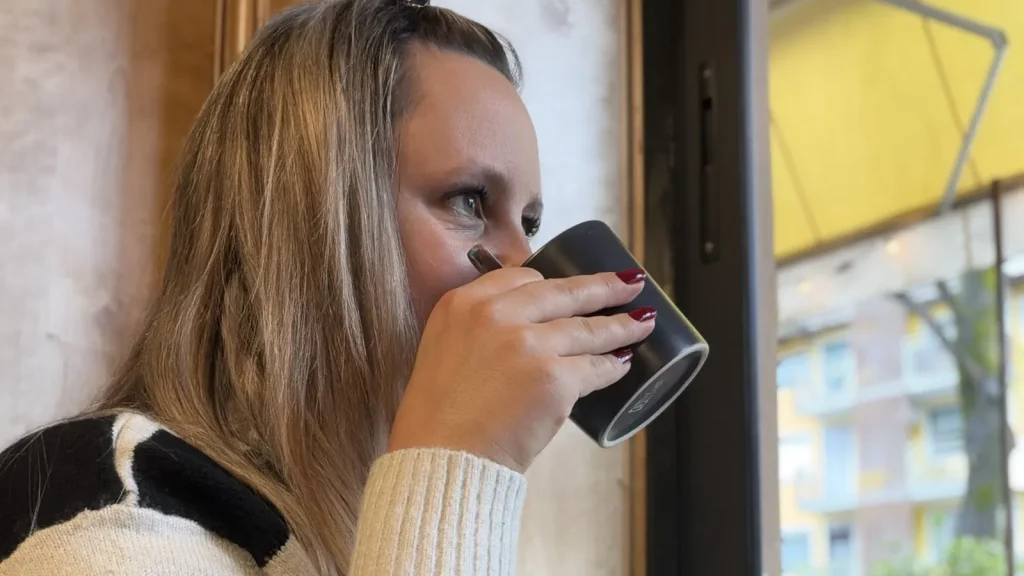
Hi, I’m Miki, and Slovenia is the country I keep coming back to because it’s so close to home. In a couple of hours from Istria you can swap the Adriatic for Alpine valleys, emerald rivers, caves and ski slopes. Most recently we drove up from Pula to Kobarid with our five-month-old baby on a freezing, sleety November day, and it was still one of my favourite trips of the year.
This Slovenia travel guide for 2027 brings together all my Slovenia itineraries and guides, plus the practical stuff: when to go, how to get around, the motorway vignette, entry rules, budget, food and what to book ahead.
Why Slovenia should be on your list
- Huge variety in a small space. Mountains, lakes, caves, vineyards and a short stretch of coast, all within a few hours’ drive of each other.
- Easy for families. Short distances, clean towns, good roads and lots of nature that works with kids (and babies).
- Great food that isn’t overpriced. From frika and štruklji in the Soča valley to Hiša Franko, one of the most famous restaurants in Europe.
- Outdoor heaven. Rafting on the Soča, hiking in the Julian Alps, ziplines, skiing in winter.
- Perfect add-on to Croatia, Italy or Austria. It borders all three, so it’s easy to fit into a bigger road trip.
Slovenia region by region
You can drive across Slovenia in about three hours, but each region feels different. Here’s how I think about it.
The Soča valley
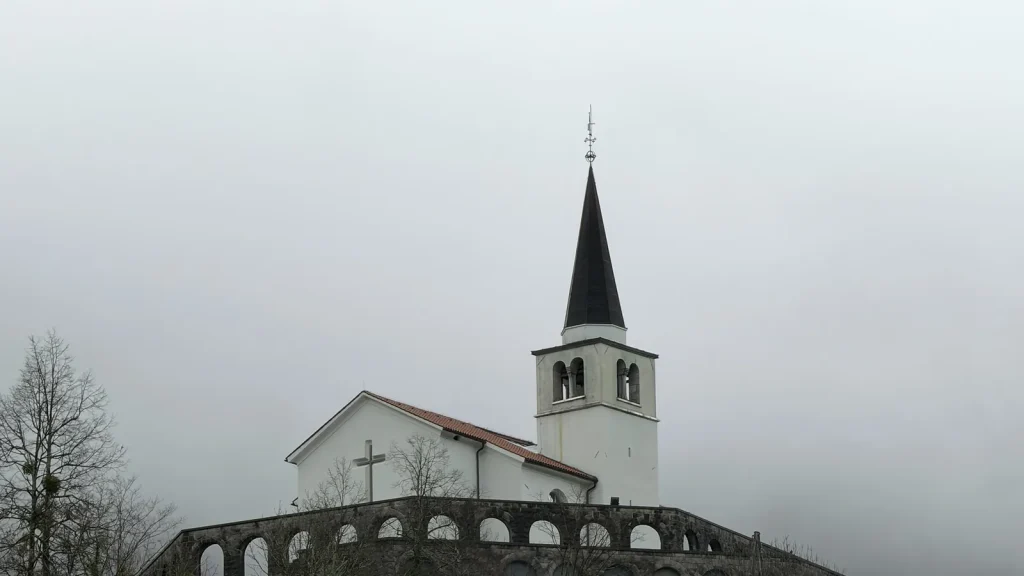
The emerald Soča river, First World War history, waterfalls and some of the best food in the country. Kobarid, Bovec and Tolmin are the main bases. Rafting and kayaking from spring to autumn, quiet and moody in winter.
Plan your day: Kobarid in one day with a baby.
The Julian Alps: Bled, Bohinj and Kranjska Gora
Lake Bled with its island church and castle, quieter Lake Bohinj, Triglav National Park and the Vršič Pass road down to the Soča valley in summer. In winter, this is ski country: Kranjska Gora, Vogel above Lake Bohinj and Krvavec near Ljubljana.
Ljubljana and central Slovenia
The capital is small, green and very walkable, with a castle on the hill, cafés along the Ljubljanica river and an easy pace. It’s also the best base if you’re travelling by public transport, since most day tours start here.
The Karst and the coast
Postojna Cave, Predjama Castle built into a cliff face, Škocjan Caves, and the short Slovenian coast with Piran, Izola and Koper. If you’re coming from Istria, this is the first part of Slovenia you’ll see.
Eastern Slovenia: Maribor, Pohorje and Rogla
Wine hills, spa towns and family-friendly skiing. In winter, have a look at Mariborsko Pohorje for night skiing and Rogla for families and its treetop walk.
All my Slovenia one-day itineraries
Every guide below is built around one perfect day: the must-sees, local food stops, practical tips and what to skip if you’re short on time. More Slovenian towns are coming soon.
More Slovenia guides
- Best ski resorts in Slovenia: 9 resorts and ski pass prices.
- Best ziplines in Slovenia: Planica, Bovec, Bled and more.
- Vogel ski guide: skiing above Lake Bohinj.
- Kranjska Gora ski guide: Podkoren, Planica and family skiing.
- Krvavec ski guide: the closest big ski area to Ljubljana.
- Rogla ski guide and Mariborsko Pohorje ski guide for eastern Slovenia.
- The most beautiful lakes in Europe, if Bled and Bohinj have you hooked on Alpine lakes.
Best time to visit Slovenia in 2027
- May and June: my favourite. Everything is green, rivers and waterfalls are full and it’s not too hot.
- July and August: peak season for lakes, rafting and hiking. Lively, but Bled and the Soča valley get busy and prices go up.
- September and October: calm, golden and perfect for hiking and wine.
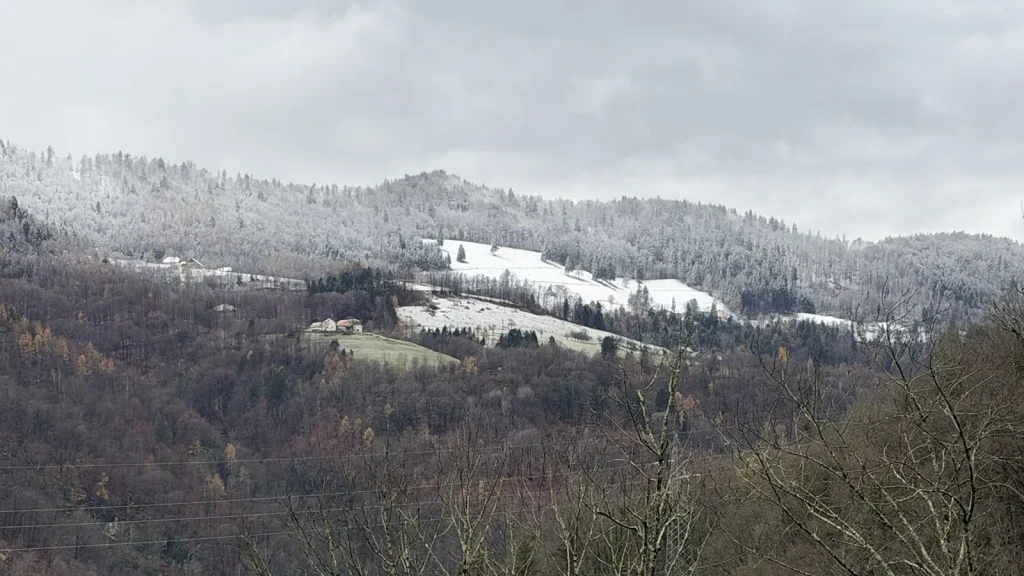
- December to March: ski season in the Alps and on Pohorje, Christmas markets in Ljubljana. Down in the valleys expect cold, rain or sleet, and some seasonal places close. High mountain roads like Vršič are closed in winter.
How many days do you need in Slovenia?
1–2 days: a taste from Croatia or Italy
Pick one area. From Istria, the Soča valley (Kobarid) or the Karst caves are easy. From Trieste or Udine, Kobarid is even closer.
4–5 days: the highlights
Ljubljana (1 day), Bled and Bohinj (1–2 days), the Soča valley with Kobarid (1 day) and Postojna Cave on the way to or from the coast (half a day).
7–10 days: the full loop
Add the coast (Piran), the Vršič Pass in summer, a night in Bovec for rafting, and eastern Slovenia (Maribor and Pohorje) or a spa town.
Getting to Slovenia and getting around
Arriving
Ljubljana has its own airport, but many travellers fly into Venice, Trieste, Zagreb or Graz and drive. Coming from Croatia, it’s simply a drive: from Pula to Kobarid took us about three hours.
By car (my pick)
A car gives you the most freedom, especially in the Soča valley and the Alps. You need an e-vignette (e-vinjeta) for motorways and expressways. It’s fully digital and linked to your number plate, and cameras check it automatically. There’s no one-day option. For a car, the official prices are €16 for 7 days, €32 for a month and €117.50 for a year. Buy it only on the official DARS e-vinjeta website or at authorised sales points, because some resellers add a big markup.
By train and bus
Buses connect most towns, and Ljubljana–Bled is easy without a car. Mountain valleys like the Soča have far fewer connections outside summer, so check timetables carefully or join a day tour.
Entry rules for Slovenia in 2027
- EU and Schengen: Slovenia is in the EU and the Schengen area and uses the euro. EU citizens just need an ID card or passport.
- Non-EU travellers: the EU Entry/Exit System (EES) has been fully operational at Schengen external borders since April 2026. If you arrive from outside Schengen, expect your passport, fingerprints and a photo to be recorded at the border.
- ETIAS: the planned €20 travel authorisation for visa-free visitors is not running yet, and the EU has not set a start date. It says it will announce the date several months in advance, so check the official EU travel website shortly before your trip.
Money and daily budget
Slovenia uses the euro and cards are widely accepted, but keep some cash for small cafés, mountain huts and boat rides. Prices are a bit lower than in Austria or northern Italy and similar to the Croatian coast. As a rough guide for 2027:
- Budget: around €70–100 per person per day with apartments, casual food and buses.
- Mid-range: around €120–180 per person per day with a nice hotel, restaurant dinners and a car.
- Sample prices: the Kobarid Museum costs €8 for adults, the Kozjak Waterfall €5, and Postojna Cave around €35 for an adult ticket. Bled Castle is about €17 and the traditional pletna boat to Bled Island about €20 (cash).
What to eat and drink in Slovenia
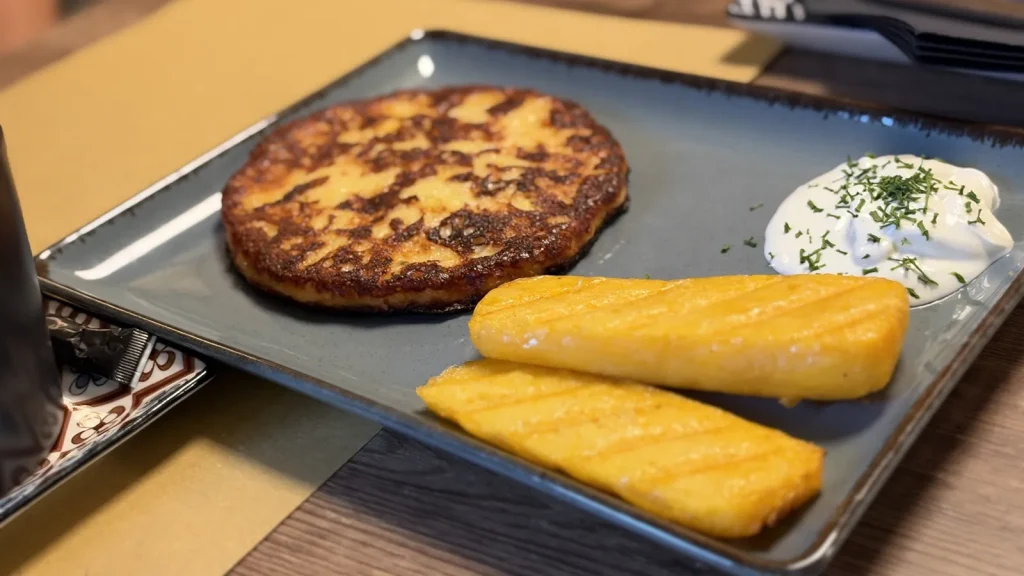
- Frika: potatoes fried with Tolminc cheese, the classic of the Soča valley. My favourite was at Lipa bar in Kobarid, with grilled polenta.
- Kobariški štruklji: sweet rolled dumplings with walnuts and raisins.
- Bled cream cake (kremšnita): the must-have dessert at Lake Bled.
- Kranjska klobasa: Slovenia’s famous Carniolan sausage.
- Soča trout: on menus all over the valley.
- Wine: crisp whites from Goriška Brda and Štajerska, and teran from the Karst.
Top experiences and nature
- Rafting on the Soča: gentle stretches near Kobarid, wilder ones around Bovec.
- Waterfalls: Kozjak near Kobarid, plus Slap Savica above Lake Bohinj.
- Caves: Postojna Cave and Predjama Castle, and the Škocjan Caves.
- Ziplines and adrenaline: see my guide to the best ziplines in Slovenia.
- Skiing: all the resorts compared in best ski resorts in Slovenia.
- First World War history: the Kobarid Museum and the Walk of Peace trail along the old Isonzo Front.
My honest local tips
- Buy the vignette before you hit the motorway. Even a few kilometres without one can mean a fine.
- Book popular places early in summer. Bled, Bovec and Kobarid fill up in July and August, and top restaurants like Hiša Franko need booking weeks or months ahead.
- Bring layers and a rain jacket. Mountain weather changes fast, even in summer.
- Check seasonal closures. Mountain roads, some waterfalls and ice cream shops close for winter (in Kobarid a sign said “See you in spring”).
- With a baby: town centres and museums are easy with a stroller, but bring a carrier for trails and waterfalls.
Beyond the border: easy trips from Slovenia
- Croatia: Istria is right next door. Start with Rovinj in one day or the best beaches in Istria.
- Italy: Trieste and Friuli are less than an hour from the Soča valley.
- Austria: Carinthia and the big ski resorts like Nassfeld are just over the Karawanks.
Work with me

Hotel, tourist board or travel brand in Slovenia?
I create honest, practical one-day itineraries read by travellers planning their next trip – plus photos, drone shots and Instagram stories from the road. I’m open to collaborations with hotels, restaurants, wineries, tour operators and destinations across Slovenia: sponsored itineraries, destination features, press trips and social media campaigns.
Work with me Get in touchSlovenia travel FAQ
Is Slovenia expensive to visit?
Not very. It’s cheaper than Austria or northern Italy and similar to the Croatian coast. Expect roughly €120–180 per day for mid-range travel, less if you stay in apartments and eat casually.
Do I need a vignette to drive in Slovenia?
Yes, on motorways and expressways. The e-vignette is digital and linked to your number plate. For a car it costs €16 for 7 days, €32 for a month or €117.50 for a year.
What is the best month to visit Slovenia?
May, June and September are my favourites: green, not too hot and less crowded. Come in July and August for lakes and rafting, and in winter for skiing.
Is Slovenia good for families with a baby?
Yes. Distances are short, towns are clean and calm, and museums and town centres work well with a stroller. Bring a baby carrier for trails and waterfalls.
Can you visit Slovenia as a day trip from Croatia?
Absolutely. From Istria it takes about three hours to reach the Soča valley; we drove from Pula to Kobarid in about three hours with a baby. The Karst caves and the Slovenian coast are even closer.











