Hi, I’m Miki! Rain gets a bad name in Britain, but it’s the reason the waterfalls in the UK are so good. Wales has a whole area nicknamed Waterfall Country, the Lake District hides falls in almost every wooded valley, and in Scotland you can hike to one of the tallest drops in Britain in under two hours. I’ve explored London and other parts of the United Kingdom, but I haven’t hiked to these waterfalls myself yet – so this guide is built on official park, trust and estate pages, checked in November 2026, plus tips from walkers who know them well.
Waterfalls in the UK at a glance
| Waterfall | Region | Height | How to get there | Entry / parking* | Swimming? | Best time |
|---|---|---|---|---|---|---|
| Sgwd yr Eira (Four Falls Trail) | Bannau Brycheiniog, South Wales | Not officially stated | Car to Cwm Porth or Gwaun Hepste | Free entry; parking £6 per car | Not banned, but dangerous pools | After rain, spring–autumn, early |
| Henrhyd Falls | Bannau Brycheiniog, South Wales | 90 ft (27 m) | Car to NT car park near Coelbren | Free; free parking | No – view only | After rain |
| Aber Falls | Eryri (Snowdonia), North Wales | About 120 ft | A55 junction 13, 7 miles east of Bangor | Free; parking £5 | No – unprotected drops | All year |
| Swallow Falls | Betws-y-Coed, North Wales | Not officially stated | 2 miles west of Betws-y-Coed; Sherpa buses | £2 per person | No | After rain; open 24 h |
| Aira Force | Ullswater, Lake District | 65 ft | Bus 508 from Penrith or Ullswater Steamers | Free; parking from £7 | No | All year; early or late |
| High Force | Upper Teesdale, County Durham | 21 m | Car to Upper Teesdale | £4 adults, £2.50 children | No | After rain, daytime opening |
| Aysgarth Falls | Wensleydale, Yorkshire Dales | Three stepped falls | Bus Leyburn–Hawes or car | Free; pay-and-display parking | No | After heavy rain |
| Falls of Clyde | New Lanark, Scotland | Corra Linn 26 m | Train to Lanark + bus to New Lanark | Free (check parking) | No | Spring for peregrines |
| Steall Falls | Glen Nevis, Highlands | 120 m | Car, 7 miles from Fort William | Free (check parking) | No – cold mountain river | Summer; frozen falls in winter |
| Fairy Pools | Isle of Skye | Several small falls | Car via Glenbrittle road | Free; parking £6 per day | Yes, but very cold | Early morning or evening |
*Prices as listed on the official websites (checked November 2026). Heights are as given by the site owners or trusted guides – waterfall heights are measured differently everywhere, so treat them as a rough guide.
1. Sgwd yr Eira & the Four Falls Trail (Bannau Brycheiniog)
If I could pick only one waterfall walk in Britain, it would be this one. In the south of Bannau Brycheiniog (the Brecon Beacons), rivers drop through wooded gorges in a chain of falls known as Waterfall Country. The star is Sgwd yr Eira – the “waterfall of snow” – where a rough path takes you right behind the curtain of water. Visit Wales warns that the path is exceptionally slippery and you’re almost guaranteed to get wet.
- The walk: the official Four Falls Trail is 5.5 miles there and back, graded “energetic”, and the National Park says to allow about four hours. Even the nearest fall is at least a 1.5-hour round trip on steep, uneven steps.
- Parking: the two official car parks, Cwm Porth and Gwaun Hepste, cost £6 per car and take cards only (Summer 2026 price, (checked November 2026)). Cwm Porth is smaller but has toilets and a little shop; Gwaun Hepste is bigger with no facilities.
- Getting there: by car, follow the brown road signs rather than your satnav – the lanes are narrow and sometimes single-track. There are no toilets or bins at the falls, so take everything home.
- Shorter options: the Sgwd yr Eira Trail from Dinas Rock car park is 2 miles, and the Elidir Trail from Pontneddfechan reaches Sgwd Gwladus in 1.3 miles.
- Swimming: not officially banned, but the National Park warns that most of these falls have deep, cold plunge pools with hidden ledges and currents that can hold you under – and that people have been hurt and lost their lives here.
- Tip: the car parks are often full before midday, so arrive early, especially on summer weekends.
2. Henrhyd Falls (Bannau Brycheiniog)
Just west of Waterfall Country, Henrhyd Falls is the tallest waterfall in South Wales – the National Trust gives it 90 feet, tumbling into a mossy wooded gorge. It is much quieter than the Four Falls Trail and a great choice if you want one big waterfall without a half-day hike.
- The walk: about 1.5 km (1 mile) round trip with a steep flight of steps near the start and some slippery sections. For more, the Henrhyd Falls and Nant Llech walk is 3.5 miles (5.6 km).
- Parking: free at the National Trust car park just outside Coelbren – please don’t park on the residential street of Dol Henrhyd.
- Fee: free.
- Swimming: no – it’s a view-only waterfall, and the trust asks visitors to stay on the paths because the rocks are slippery.
3. Aber Falls / Rhaeadr Fawr (North Wales)
Aber Falls is the easiest big waterfall in North Wales – a single ribbon of white water pouring down a rock face at the end of a gentle valley walk. It sits in the Coedydd Aber National Nature Reserve, 7 miles east of Bangor, and is usually described as about 120 feet high. The wide, smooth path makes it a great family walk.
- Getting there: from Bangor, take the A55 towards Conwy, leave at junction 13 for Abergwyngregyn and follow the brown “Rhaeadr/Falls” signs. The nearest station, Llanfairfechan, is a request stop.
- The walk: 2.3 miles (3.7 km) there and back, about 1.5 hours, graded easy, with a steady 100 m climb on a wide stone path with benches along the way.
- Parking: £5 at the two small car parks by the stone bridge (coins or card; Blue Badge holders free) (checked November 2026). On busy days, use the free car park at the edge of the village, about a mile’s walk from the trail start.
- Opening times: 7am–7pm from April to September and 7.30am–5pm from October to March; the upper car park gate is locked at night.
- Swimming: no – Natural Resources Wales warns of unprotected drops at the waterfall.
Staying nearby? North Wales is also the home of Zip World’s record-breaking quarry ziplines – see my guide to the best ziplines in the UK if you fancy combining waterfalls with a 100 mph flight.
4. Swallow Falls (Betws-y-Coed)
Swallow Falls (Rhaeadr Ewynnol) is probably the most photographed waterfall in Eryri (Snowdonia): a wide, foaming series of cascades split by rocks, seen from concrete viewing platforms at different levels that bring you close to the water. It’s a quick stop rather than a hike.
- Fee: £2 per person through a turnstile, paid by coins or contactless (checked November 2026). It’s open 24 hours, all year.
- Getting there: about 2 miles west of Betws-y-Coed village, with parking nearby. The Snowdon Sherpa S1 (to Caernarfon) and T10 (to Bangor) buses serve the falls.
- Accessibility: wheelchair and pushchair access is only allowed from April to the end of October, 10am–3pm.
- Insider tip: waterfall fans note you can see the falls for free from the rougher path along the north bank, walking from Betws-y-Coed.
- Swimming: no.
5. Aira Force (Lake District)
Aira Force is the Lake District’s most famous waterfall: a 65-foot plunge through a narrow, wooded ravine, with viewing bridges above and below the falls. It sits above Ullswater and is cared for by the National Trust, which looks after the paths, the car park and a small tea room.
- Getting there: Stagecoach bus 508 from Penrith takes about 30 minutes; on weekends the 509 runs from Keswick (get off at Park Brow). Even better, take an Ullswater Steamer from Glenridding to the Aira Force pier.
- Parking: £7 for 2 hours, £8.50 for 4 hours or £10 all day at the Aira Force car park; National Trust members park free (checked November 2026).
- The walk: the loop to the falls is short but steep and rugged and not suitable for wheelchairs or pushchairs. The Aira Force and Gowbarrow Park circuit is 4.5 miles (7.2 km).
- Facilities: tea room (10am–4pm), toilets and a picnic area. Dogs must stay on leads.
- Swimming: no – enjoy it from the bridges.
6. High Force (County Durham)
In Upper Teesdale, the River Tees plunges 21 metres into a rocky gorge at High Force – one of England’s most powerful-looking waterfalls, especially after rain. It’s on the private Raby Estate, and a circular woodland trail leads you under old, moss-covered trees to the base of the falls.
- Fee: adults £4, children (4–15) £2.50, under-4s free; couple and family tickets are cheaper online (checked November 2026).
- Parking: £3 for 3 hours or £6 for 6 hours (all-day parking is paid inside the hotel).
- The walk: a gravel path slopes gently down to the viewing platform at the base. The full circular route includes a big flight of stairs, so if you have mobility issues, simply return the way you came.
- Good to know: the waterfall closes in severe weather, so check Raby’s website or social media before you travel. Dogs are welcome on leads.
- Swimming: no.
7. Aysgarth Falls (Yorkshire Dales)
Aysgarth Falls isn’t one tall drop but three wide, stepped waterfalls – the Upper, Middle and Lower Falls – on the River Ure in Wensleydale. The whole flight looks like a giant staircase of foaming water after heavy rain, and if it feels familiar, that’s because it was the setting for a scene in Robin Hood: Prince of Thieves. Easy paths link the falls through Freeholders’ Wood.
- Getting there: a regular bus runs between Leyburn and Hawes and stops in Aysgarth village, a 10-minute walk from the falls.
- Parking: the Yorkshire Dales National Park car park by the Aysgarth Falls centre has about 80 spaces and is pay and display – check before you go for the current tariff.
- The walk: mostly level woodland paths, with steps down to see the Lower Falls up close; the car park sits between the Upper Falls and the Middle and Lower Falls.
- Facilities: a National Park Centre (seasonal hours) and the Coppice Café next door.
- Swimming: no – the rock shelves are slippery and the river is powerful after rain.
8. Falls of Clyde (New Lanark, Scotland)
Just upstream of the New Lanark World Heritage Site, the River Clyde drops over three waterfalls: Dundaff Linn, Corra Linn and Bonnington Linn. Corra Linn is the showstopper at 26 metres (84 feet) – Wordsworth wrote a poem about it in 1802 and Turner painted it. The Scottish Wildlife Trust reserve around the falls is home to otters, kingfishers and nesting peregrine falcons.
- Getting there: train to Lanark, then a regular bus from Lanark Interchange to New Lanark (the station is about 2 miles away). It’s an easy day trip from Glasgow or Edinburgh – if you’re basing yourself in the capital, see my picks of atmospheric Edinburgh Airbnbs.
- The walk: the full circular walk from the New Lanark visitor centre is 7 miles (11.3 km), about 2.5–3.5 hours, graded moderate with steps and boardwalks. Corra Linn is much closer if you just want the big one.
- Fee: the reserve is free; check parking charges at New Lanark before you go.
- Good to know: phone signal is patchy, and paths can be diverted while the peregrines are nesting.
- Swimming: no – the falls are part of a hydro-electric scheme and the river can change quickly.
9. Steall Falls / An Steall Bàn (Glen Nevis)
Steall Falls is pure Highland drama. You walk through the narrow, rocky Nevis Gorge, and suddenly the valley opens into a green meadow with a 120-metre ribbon of water pouring off the mountain at the far end – often called Britain’s second-highest waterfall.
- Getting there: you’ll need a car (or a long walk): the path starts at the car park at the very end of the Glen Nevis road, 7 miles south-east of Fort William. The Lower Falls car park has a seasonal bus service.
- The walk: about 2 miles (3.2 km) with 102 m of ascent, roughly 1.5 hours, graded moderate. The path is rocky with narrow sections above steep drops – take extra care when it’s wet or icy.
- The wire bridge: to reach the foot of the falls you can cross the famous wire bridge over the river. It’s optional – and you’ll very likely get soaked.
- Fee: free; there are no facilities on the walk, so stock up in Fort William.
- Swimming: no – this is a cold, fast mountain river.
10. The Fairy Pools (Isle of Skye)
The Fairy Pools are a string of small waterfalls and impossibly clear blue-green pools on the Allt Coire a’ Mhadaidh, under the jagged Black Cuillin mountains.
- Getting there: about 30 minutes’ drive from Portree, then 5 miles along the narrow, single-track Glenbrittle road with passing places (it can ice up between November and March).
- Parking: £6 per day per car, paid by card or coins; seeing the pools is free (checked November 2026). The car park has 120 spaces and free off-grid toilets. No overnight stays.
- The walk: about 2.4 km return to the first big waterfall and pool – allow 40 minutes to 1.5 hours. The upper path is narrower and can be boggy.
- Swimming: yes, many people do – but the water is very cold, so bring a wetsuit. The jumps at the first waterfall are for experienced swimmers only, and the water rises quickly after rain.
- Tip: the busiest time in summer is 11am–1pm, so come early in the morning or in the evening light.
Are there waterfalls near London?
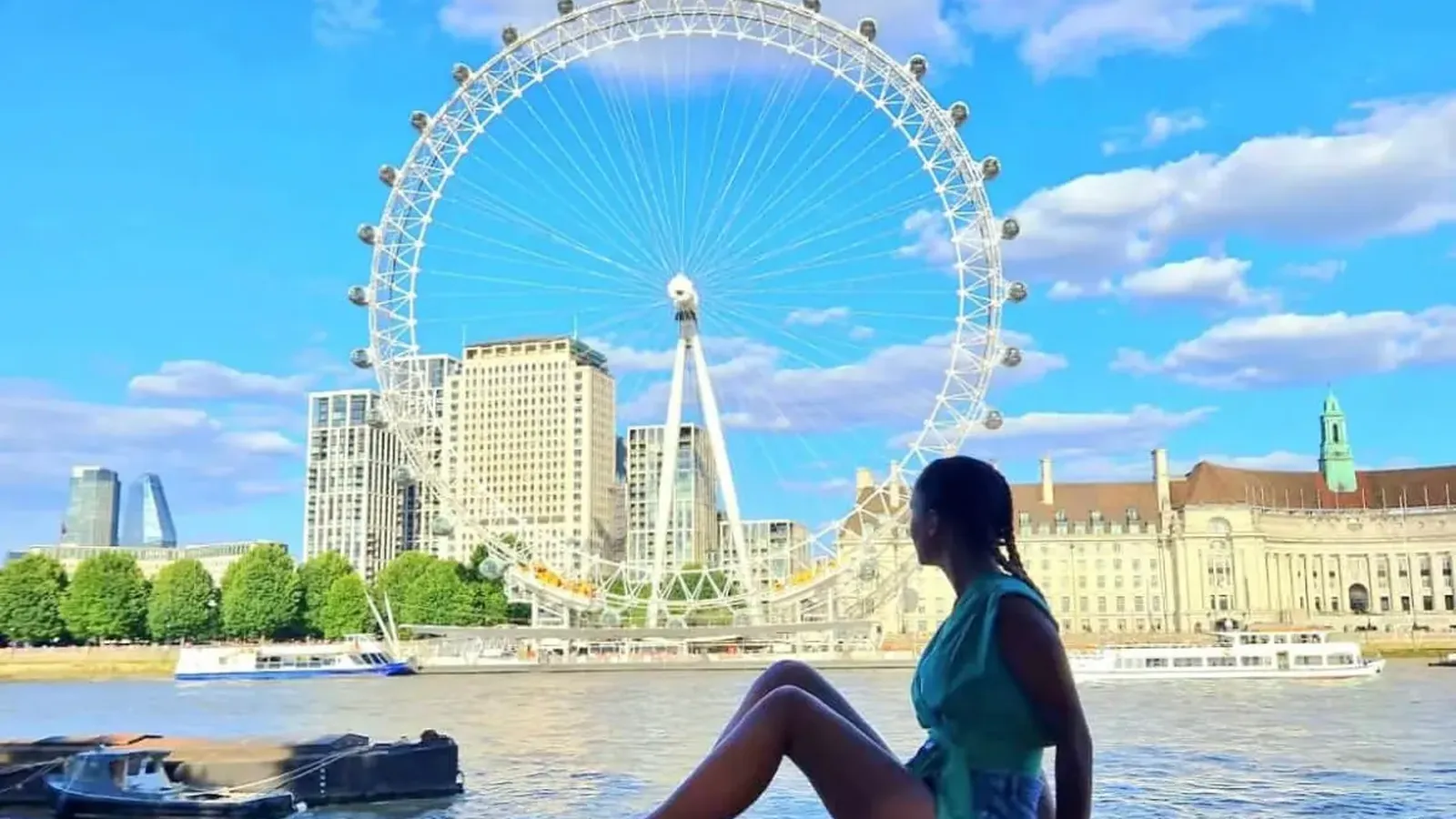
Honestly? Not really – south-east England is too flat for big falls. The closest pretty one is the man-made Cascade at Virginia Water in Windsor Great Park, on a five-mile walk around the lake. For the real thing, plan a road trip: Waterfall Country in South Wales is the nearest big waterfall area to London by car. If you just want green countryside, here are some countryside road trips just beyond London.
How to plan a waterfall road trip in the UK
The best falls are spread out, so pick one region per trip:
- Wales (3–4 days): Waterfall Country and Henrhyd Falls in the south, then drive north through Eryri for Swallow Falls and Aber Falls.
- Northern England (3–4 days): Aira Force in the Lake District, then cross the Pennines for High Force and Aysgarth Falls in the Dales.
- Scotland (5–7 days): Falls of Clyde on the way north from Glasgow or Edinburgh, Steall Falls from Fort William, then over the bridge to Skye for the Fairy Pools.
A car makes everything easier – remember the UK drives on the left and country lanes are narrow. Public transport works for Aira Force, Aber Falls (via Bangor), Swallow Falls and the Falls of Clyde. For entry rules, the ETA and getting around, see my UK travel guide, and if you’d like to sleep outdoors near the falls, check out these magical UK campgrounds.
Best time to see waterfalls in the UK
British waterfalls are at their best after rain – which, conveniently, is most of the year. Autumn and winter bring the most water but short days and icy paths in the Highlands. Late spring (May–June) is my sweet spot: good flow, long daylight and green woods. After a dry spell in summer, smaller falls can shrink to a trickle.
What to pack
- Waterproof walking boots with good grip – every path in this guide gets slippery.
- A bank card and some coins: some car parks are card-only, others cash-only.
- A dry bag for your phone if you plan to walk behind Sgwd yr Eira or cross the Steall wire bridge.
- Midge repellent for the Scottish Highlands in summer.
Waterfall safety
Stay on marked paths and behind fences, never climb on wet rocks at the top of a fall, and don’t jump into plunge pools – they hide ledges and currents, and cold-water shock can hit even strong swimmers. Rivers rise very fast after heavy rain, so turn back if the water looks brown and high. Mobile signal is patchy in the gorges, so tell someone your plans.
Insider tips
- Arrive before 10am at Waterfall Country, Aira Force and the Fairy Pools – the car parks fill fast in summer and on bank holidays.
- Swallow Falls is a quick stop – combine it with Betws-y-Coed and Aber Falls for an easy North Wales day.
Exploring more waterfalls? See my guides to the best waterfalls in Croatia, Italy, Austria and New York State.
Waterfalls in the UK – FAQ
What is the most beautiful waterfall in the UK?
It’s personal, but Sgwd yr Eira in Wales (you can walk behind it), Steall Falls in Glen Nevis and the Fairy Pools on the Isle of Skye are the three most people fall in love with.
What is the tallest waterfall in the UK?
Eas a’ Chual Aluinn in Sutherland, Scotland, is usually given as the tallest at about 200 m. Steall Falls in Glen Nevis (about 120 m) is often called the second highest. In Wales, Pistyll Rhaeadr is usually listed at about 80 m (240 ft) over three stages.
Can you swim at UK waterfalls?
At some, like the Fairy Pools on Skye, swimming is common, but the water is very cold. At most falls it is not a good idea: plunge pools hide ledges and currents, and people have drowned in Waterfall Country. Paddle at the edges and never jump in.
Do you have to pay to see waterfalls in the UK?
Most are free, but you pay for parking (usually £5–£10). A few charge entry: Swallow Falls is £2 and High Force is £4 for adults (checked November 2026).
Which UK waterfalls are easy to walk to?
Aber Falls (2.3 miles return on a wide path), Swallow Falls (a few minutes from the road), High Force (a gentle gravel path) and Aysgarth Falls (mostly level paths) are the easiest.

Hotel, tourist board or travel brand in the UK?
I create honest, practical one-day itineraries read by travellers planning their next trip – plus photos, drone shots and Instagram stories from the road. I’m open to collaborations with hotels, apartments, restaurants, wineries, tour operators and destinations across the UK: sponsored itineraries, destination features, press trips and social media campaigns.
Work with me Get in touch
Written by
Miki Kokica
Travel blogger behind One Day Itinerary. I test every route myself and share honest, practical guides so you can plan better trips in less time.
Work with me Instagram