
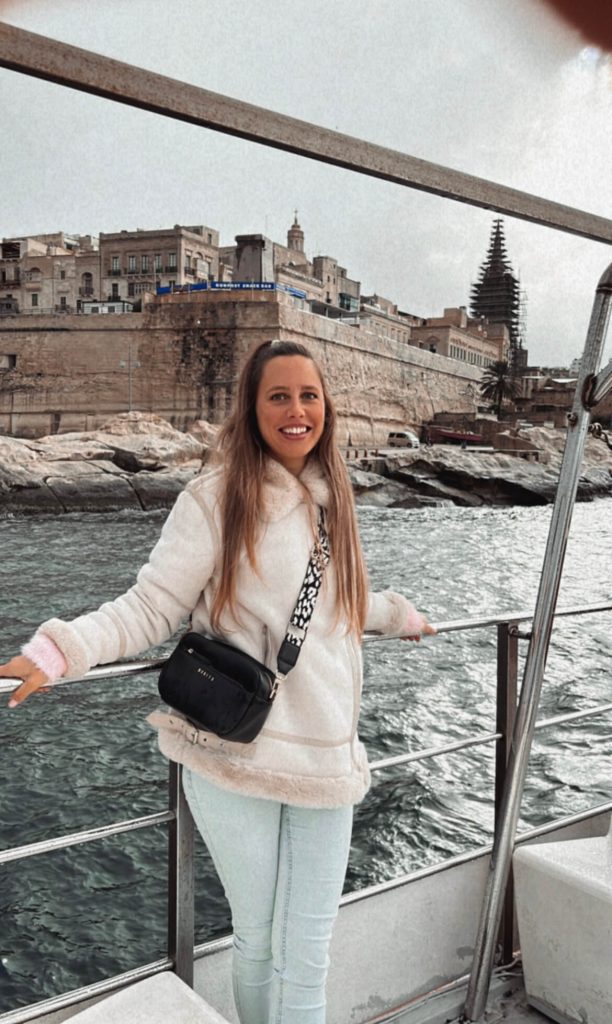
Hi, I’m Miki! I’ve been to Malta three times now, and every time I leave with the same feeling: how can such a tiny country hold so much? A Baroque capital full of knights’ palaces, fortified towns facing each other across one of the most beautiful harbours in the world, fishing boats painted like toys, temples older than the pyramids – and a second island, Gozo, that feels like a different, slower world.
Three days is the perfect amount of time for a first trip. Malta is small, but traffic is real and the sights are spread across the island, so the secret is to plan one area per day. This guide is exactly that: a realistic, tested-by-experience route with times, current ferry and bus fares, ticket prices I checked in November 2026, where I’d stay, which tours are worth it and all the little tricks I’ve picked up on my trips. If you have more time, see my 4-day, 5-day, 7-day and 10-day Malta itineraries, and for entry rules, festivals and food, my Malta travel guide.
Day 1 – Valletta & the Three Cities: boat into Valletta · St John’s Co-Cathedral · Upper Barrakka and the noon gun · ferry to Birgu and Senglea · harbour views at sunset.
Day 2 – The south and the centre: Marsaxlokk · Blue Grotto · Ħaġar Qim temples · Dingli Cliffs · Mdina and Rabat at golden hour.
Day 3 – Gozo (or Comino in summer): fast ferry from Valletta · the Citadel in Victoria · Ġgantija temples · Ramla Bay · salt pans and Dwejra.
Base: one hotel for all three nights – Valletta, or Sliema/St Julian’s with the ferry across.
My 3-day Malta route at a glance
| Day | Area | Highlights | Overnight |
|---|---|---|---|
| Day 1 | Valletta + Three Cities | St John’s Co-Cathedral, Upper Barrakka Gardens, noon gun, ferry to Birgu, Fort St Angelo, Senglea’s Gardjola Gardens | Valletta or Sliema |
| Day 2 | South + centre | Marsaxlokk, Blue Grotto boat ride, Ħaġar Qim & Mnajdra, Dingli Cliffs, Mdina, Rabat (St Paul’s Catacombs) | Valletta or Sliema |
| Day 3 | Gozo (or Comino) | Victoria and the Citadel, Ġgantija, Ramla Bay, Xwejni salt pans, Dwejra – or the Blue Lagoon in summer | Valletta or Sliema |
Is 3 days in Malta enough?
For the main island, yes – three days covers the big highlights without rushing. You can’t see everything, though: you’ll choose between Gozo and Comino, which is why day 3 has two versions.
My honest advice after three visits: don’t try to squeeze Valletta, the Three Cities, Mdina, the south, Gozo and the Blue Lagoon into 72 hours. Malta looks tiny on the map, but a 20 km drive can easily take an hour at rush hour. Base yourself in one hotel for all three nights – Valletta, or Sliema/St Julian’s with the ferry across – and if you can add a day, my 4 days in Malta plan gives Gozo and Comino a day each.
Day 1: Valletta and the Three Cities
Area: Grand Harbour. On foot and by ferry – you don’t need a car or a bus today. Tip: do this day Monday to Saturday, because St John’s Co-Cathedral is closed on Sundays and public holidays and the noon gun fires only Monday to Saturday.
Morning: arrive by boat and see St John’s Co-Cathedral
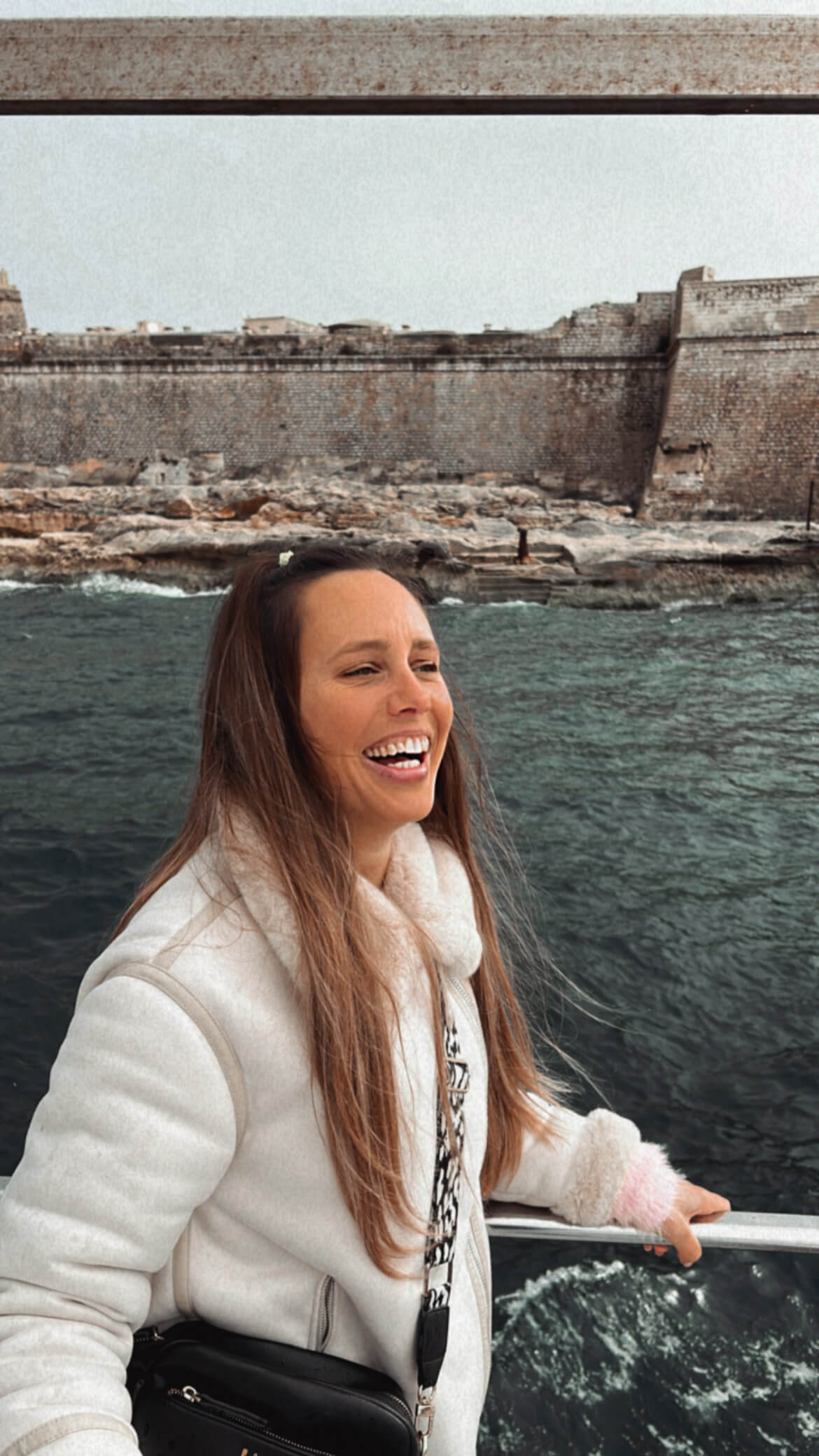
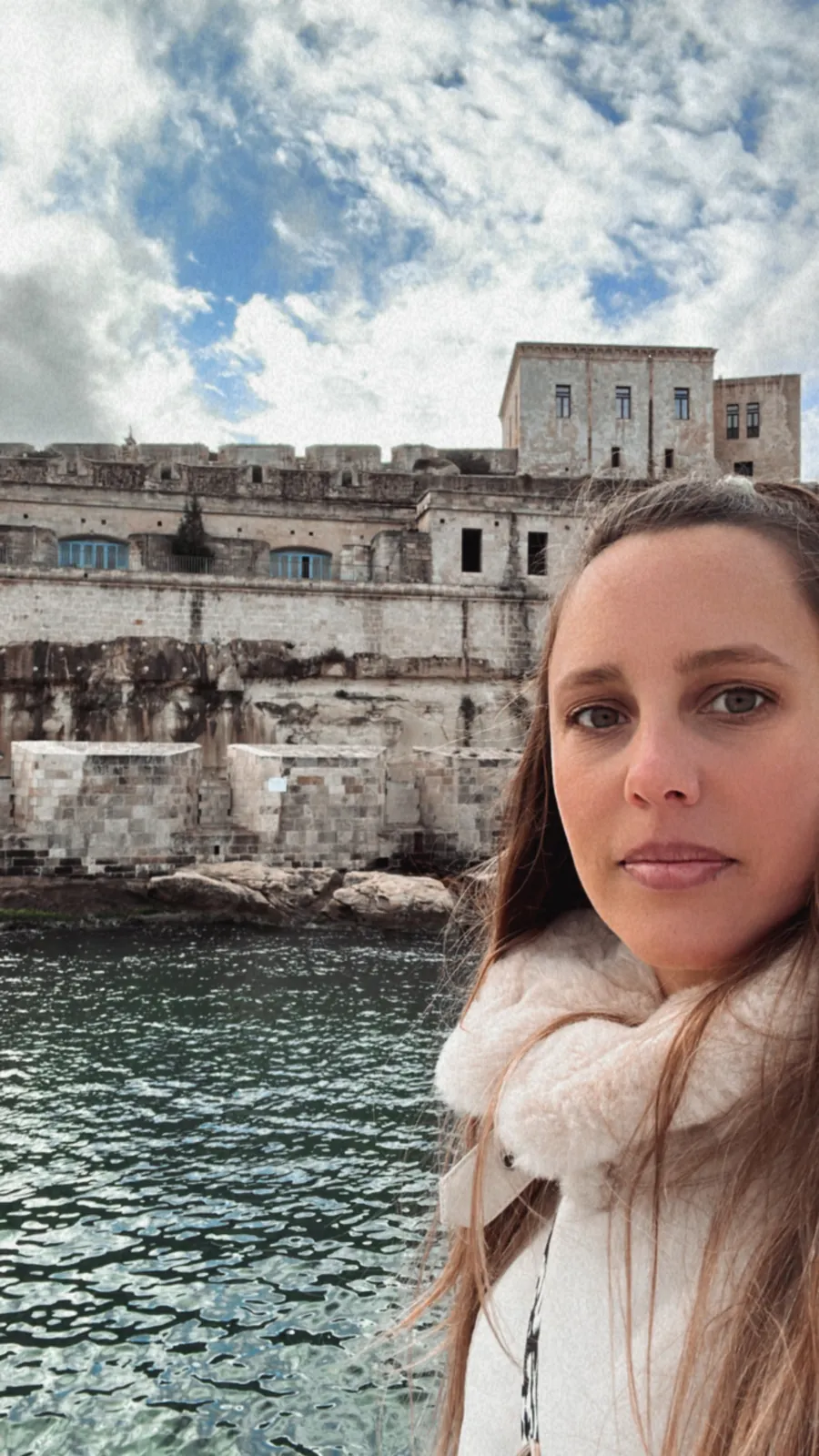
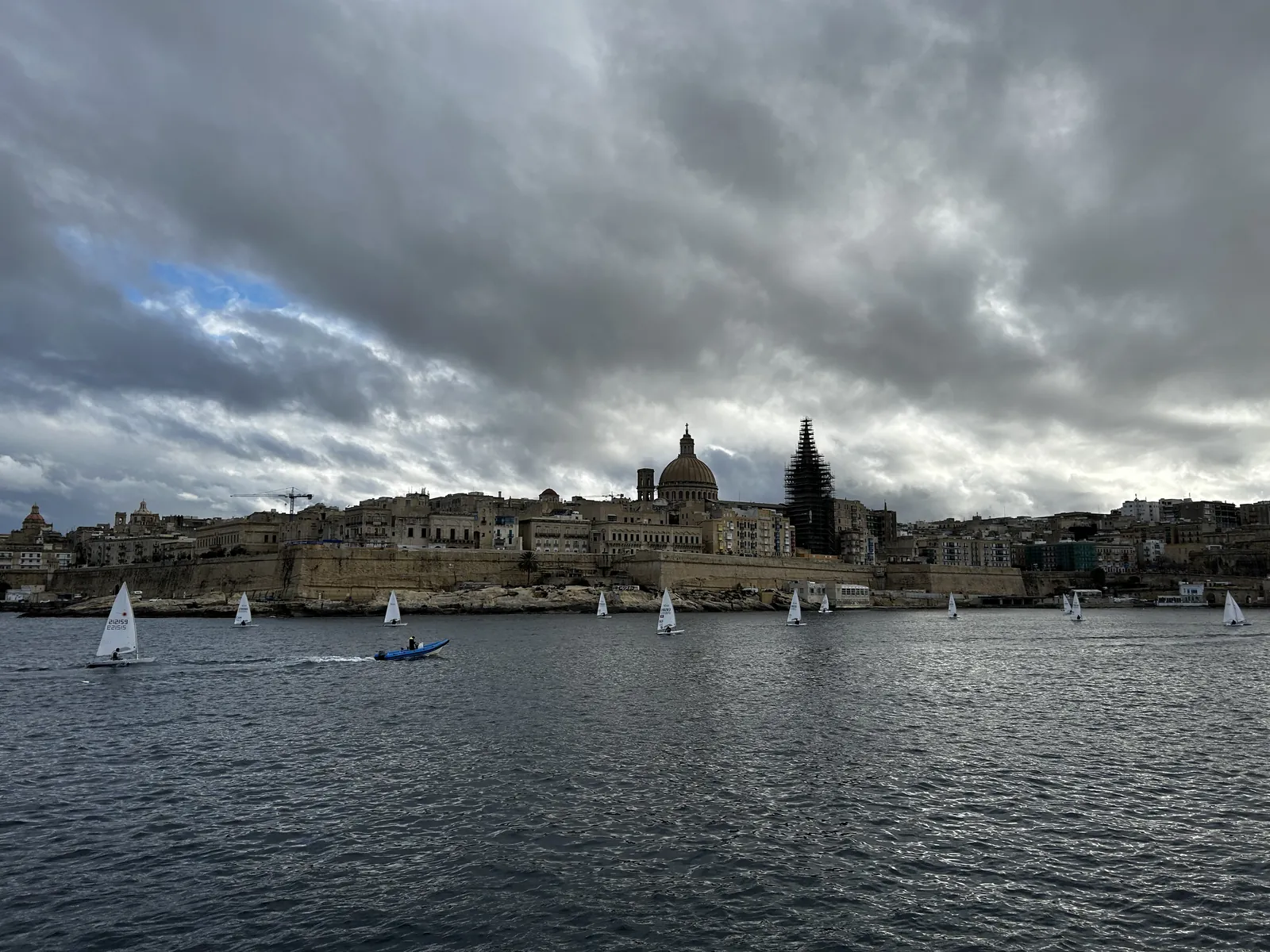
If you’re staying in Sliema, start the day the way we did – on the water. The Valletta Ferry Services catamaran crosses from The Strand in Sliema to Valletta, and the city walls, the Carmelite dome and the spire of St Paul’s rising out of the sea are the best introduction to Malta you can get. An adult day ticket costs €3 single or €5 return (checked November 2026); on winter weekdays boats run every 15 minutes from early morning, on Sundays from 08:45 to 18:30.

Walk up to St John’s Co-Cathedral for opening time at 09:00. Plain outside, all gold and marble inside, with Caravaggio’s Beheading of Saint John the Baptist in the Oratory. Tickets are €15 for adults and €12 for seniors and students; children under 12 go free with an adult, and an audio guide is included (checked November 2026). It’s open Monday to Saturday 09:00–16:45 with last entry at 16:00. Bring a shawl for your shoulders; stiletto and narrow heels aren’t allowed. Plan 1–1.5 hours.
Late morning: Republic Street, the Grandmaster’s Palace and Upper Barrakka
From the cathedral, wander down Republic Street past the Grandmaster’s Palace and into the side streets – Merchants Street, Strait Street and the steep lanes with coloured wooden balconies. The streets go up and down like stairs, so wear comfortable shoes.
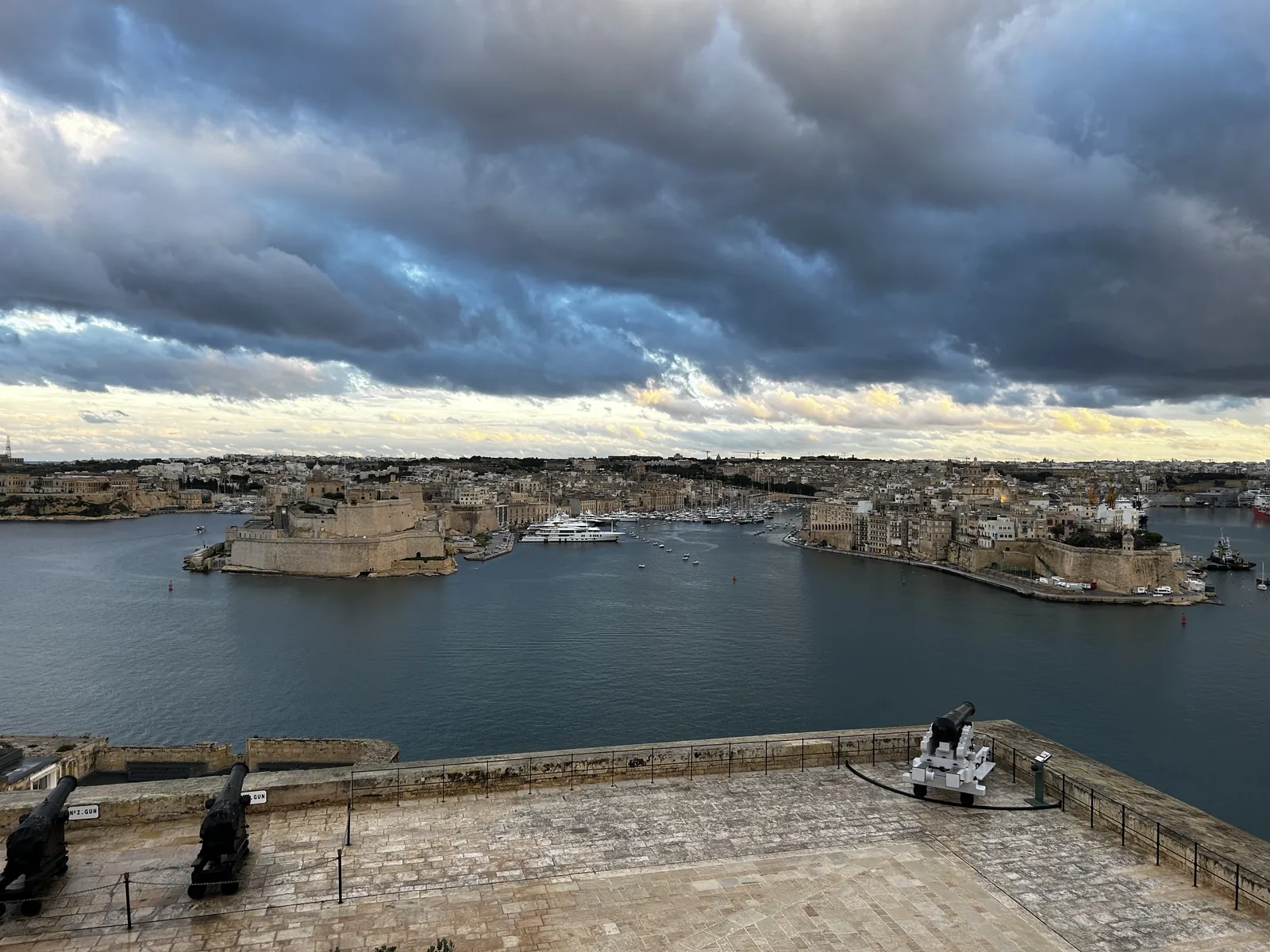
By 11:45 be at the Upper Barrakka Gardens. Below its arches is the Saluting Battery, where a noon-day gun is fired at exactly 12:00 and an evening gun at 16:00, Monday to Saturday. You can watch for free from the gardens, or buy a ticket for the battery itself (Fondazzjoni Wirt Artna: €6 adults, €3 children 5–15, including a guided tour, audio guide, the gun firing and the Malta Time-Gun Museum; tours run every hour from 10:15, last one at 16:05 – checked November 2026).

For lunch, grab pastizzi (flaky pastries with ricotta or mushy peas) or a ftira – Maltese bread with tomato, tuna, capers and olives.
Afternoon: ferry to the Three Cities – Birgu, Senglea and Cospicua
From the Upper Barrakka, take the lift down to the waterfront and walk to the ferry landing below the Lascaris bastion. The Valletta Ferry Services boat crosses the Grand Harbour to Cospicua in minutes for the same fare – or take a traditional painted dgħajsa water taxi (agree the price first).

- Birgu (Vittoriosa) – the oldest of the three, where the Knights lived before Valletta existed. Walk the waterfront marina and the quiet lanes of the Collacchio, then visit Fort St Angelo at the tip of the peninsula (Heritage Malta: €10 adults, checked November 2026). Allow about 1.5 hours for the fort.
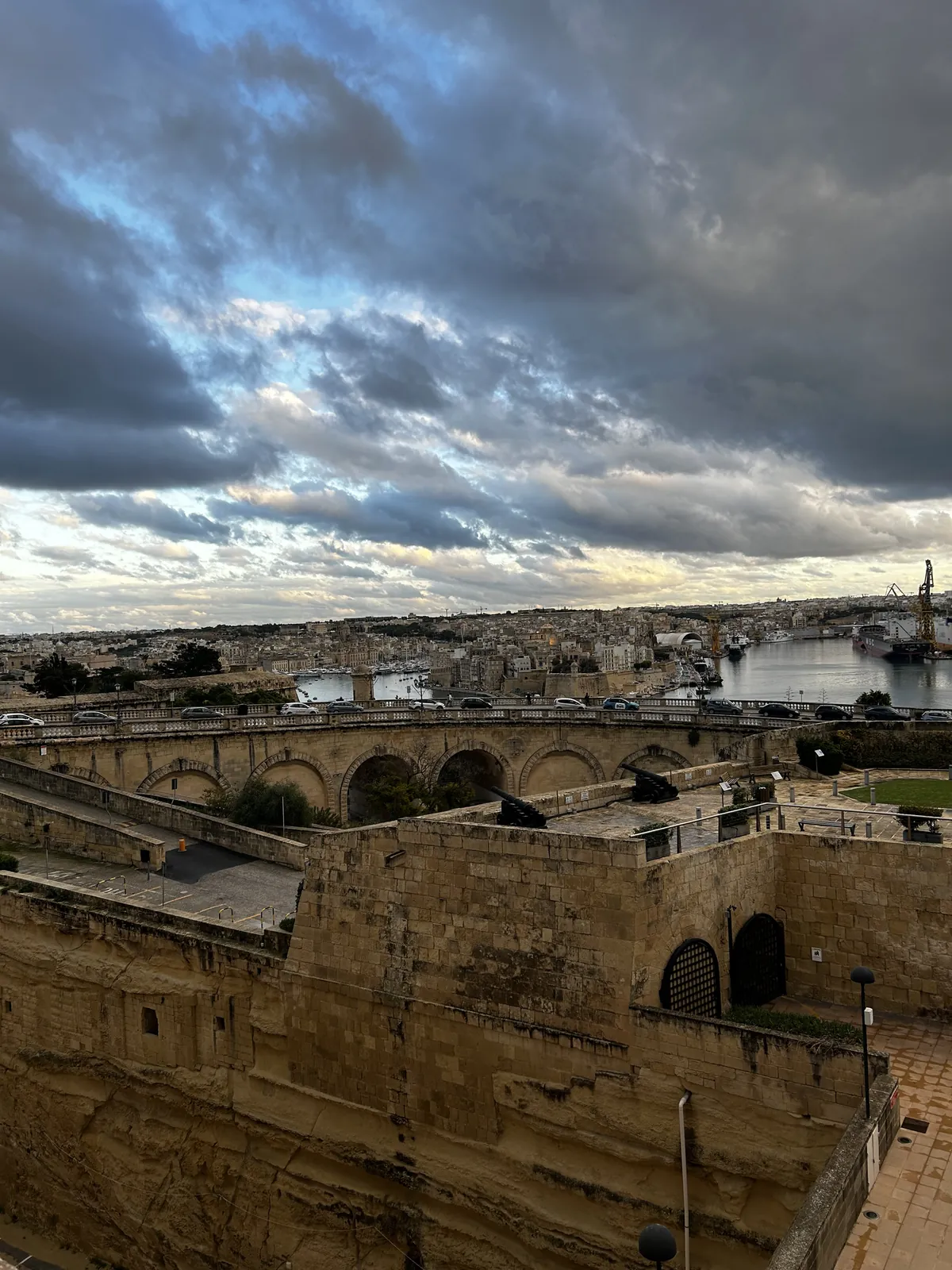
- Senglea (Isla) – walk to the Gardjola Gardens at Senglea Point. The little stone watchtower, carved with an eye and an ear, looks straight across to Valletta. This is the postcard view of the Grand Harbour.

Evening: sunset over the harbour and dinner
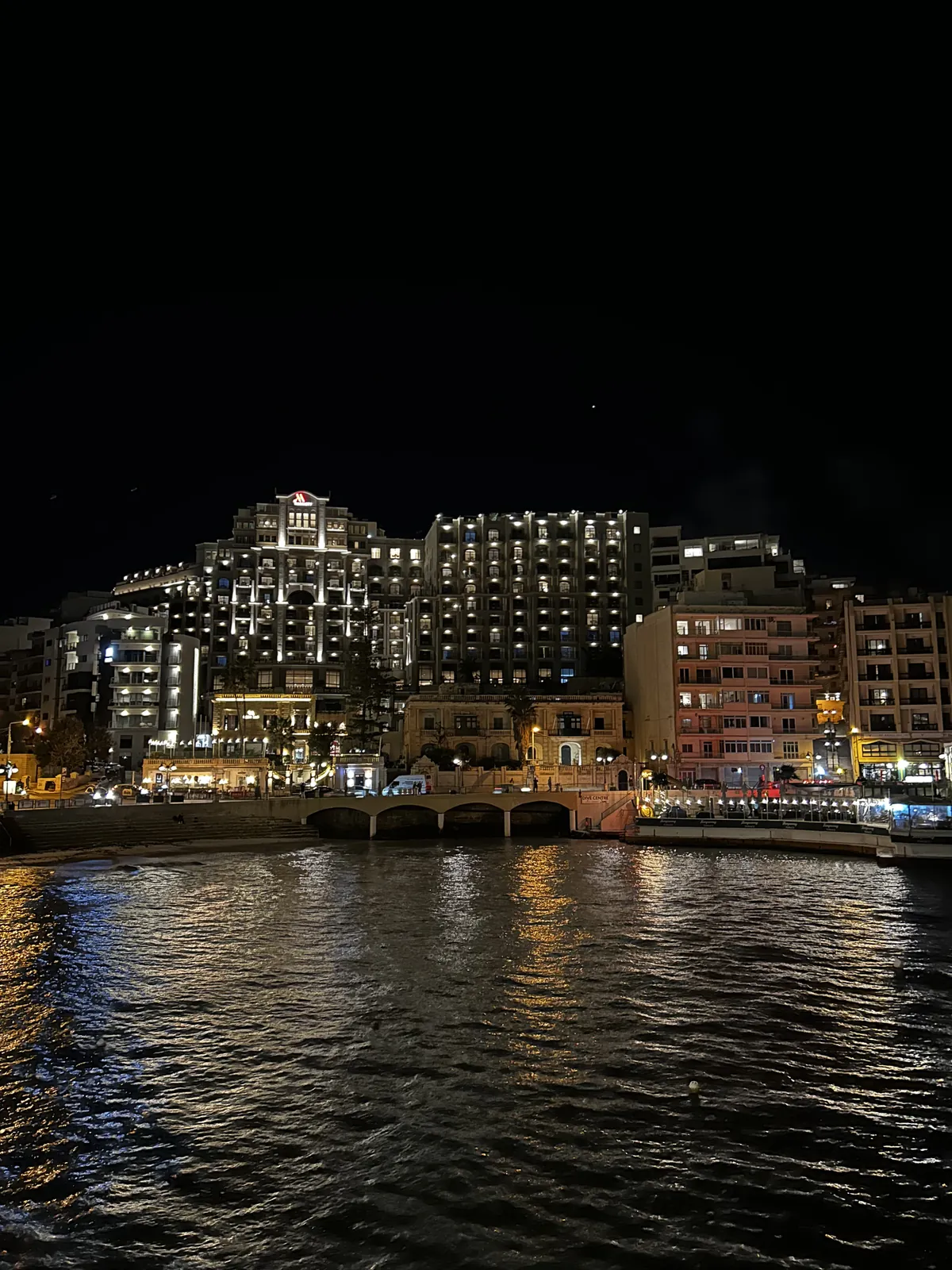
Take the ferry back before the last boat (evening in winter, 01:30 in summer). In Valletta, have dinner on Strait Street and walk back along the bastions – the city is quiet and golden after dark. Based in Sliema? Have a sunset drink on the promenade and finish at Spinola Bay in St Julian’s.

Day 2: Marsaxlokk, Blue Grotto, the temples, Dingli Cliffs and Mdina
Area: the south and the centre of the island. This is the day where transport matters most, so read the “how to do day 2” box below first. The order follows the light: the Blue Grotto is best in the morning, Dingli and Mdina are best at the end of the day.
Easiest: a hire car or a driver for the day, or Bolt between stops – distances are short (most hops are 15–30 minutes).
Hop-on hop-off: the South route covers Marsaxlokk, the Blue Grotto and Ħaġar Qim; Mdina is on the North route, so you need a ticket for both routes (or take a Bolt to Mdina in the afternoon).
Public bus: possible but slow. From Valletta, buses 81 and 85 go to Marsaxlokk (plus TD10 on Sundays), 52 and 56 go to Dingli, and 50, 51, 52, 53 and 56 go to Rabat/Mdina (Malta Public Transport, checked November 2026). Marsaxlokk to the Blue Grotto needs a change – use the tallinja journey planner.
Morning (08:30–10:30): Marsaxlokk fishing village
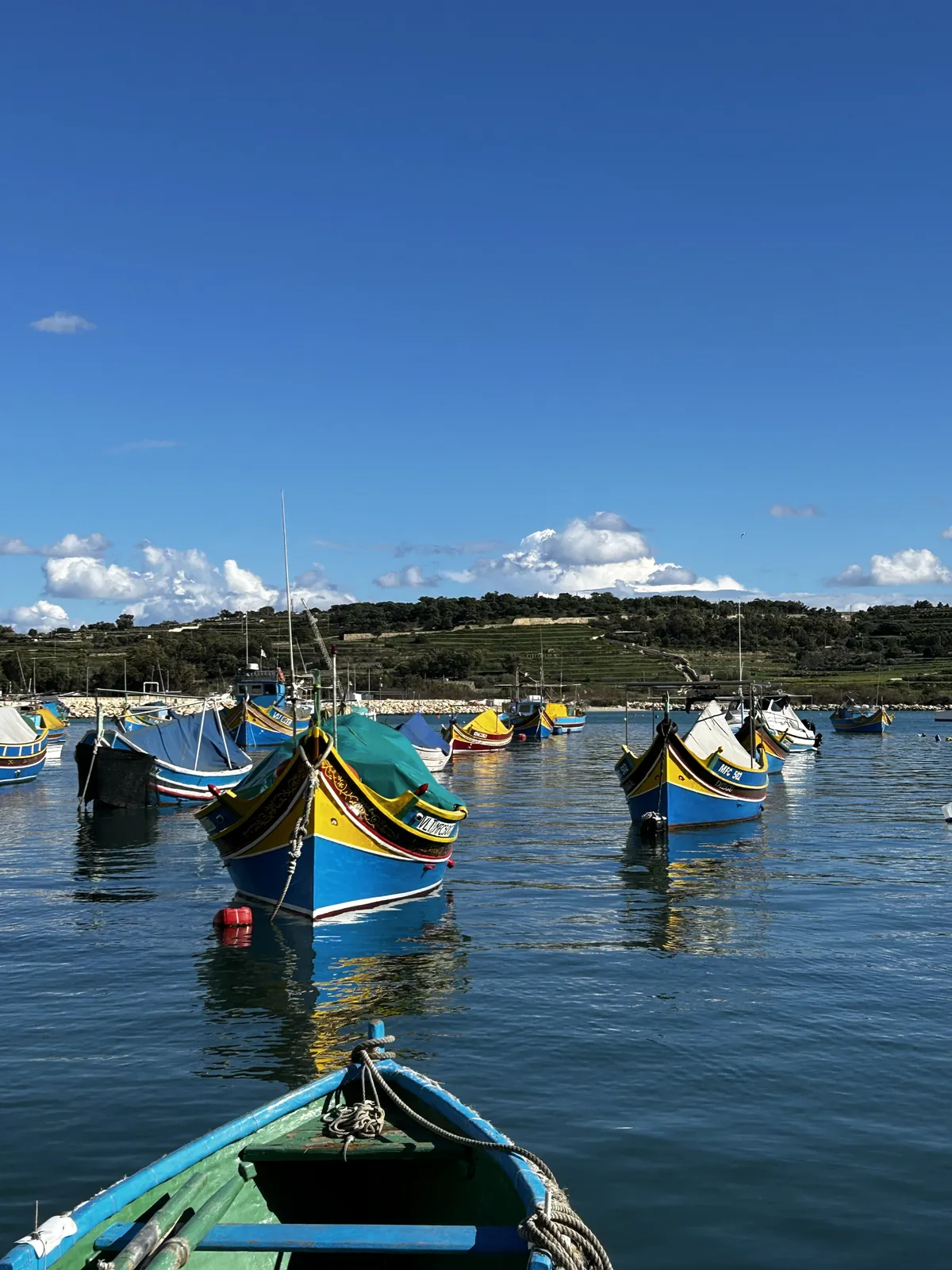
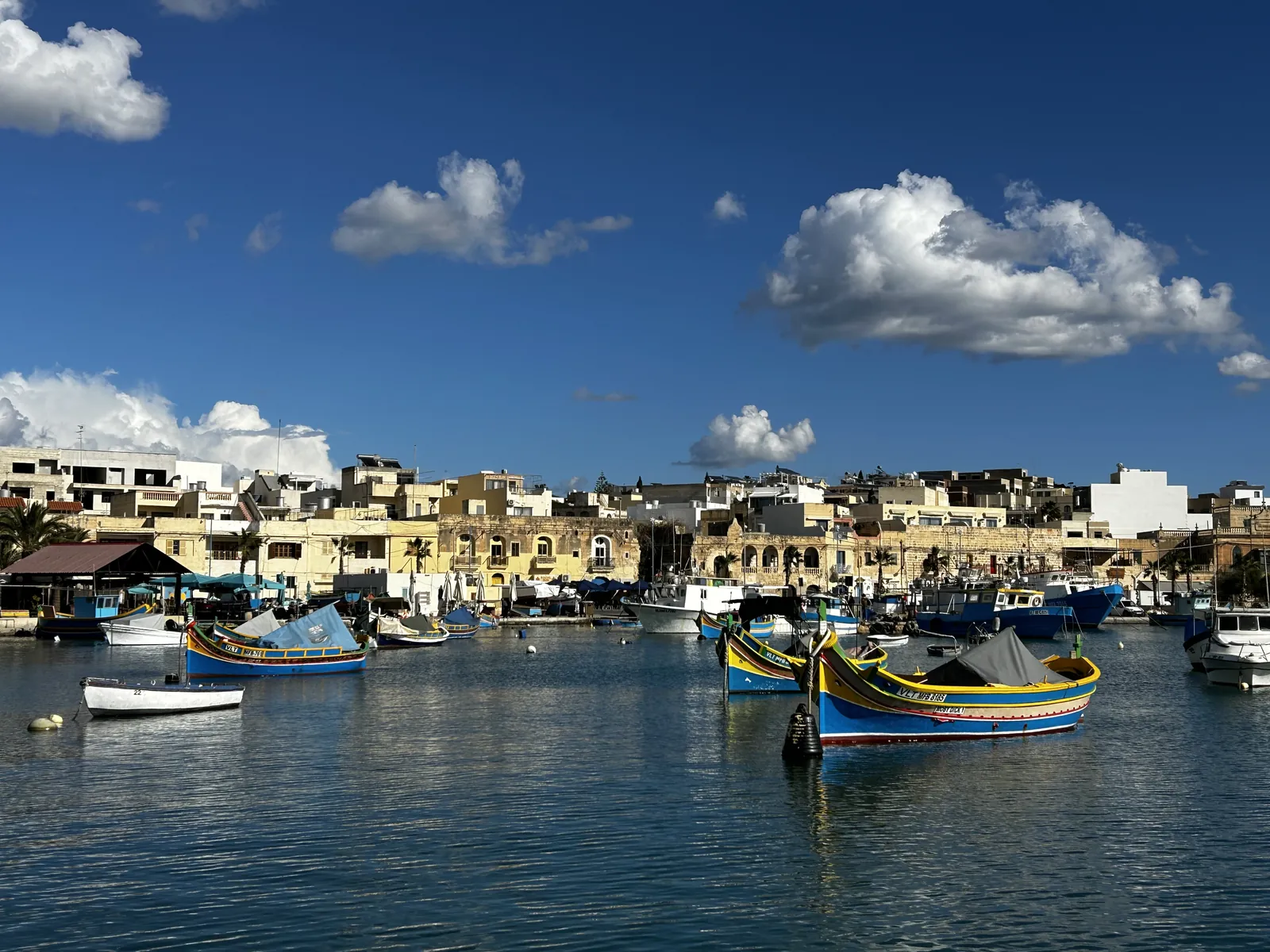
Marsaxlokk is one of my favourite places in Malta. The harbour is full of luzzu boats – wooden fishing boats painted blue, yellow, red and green, each with the Eye of Osiris on the bow to protect the fishermen. Walk the waterfront and have a coffee facing the boats.
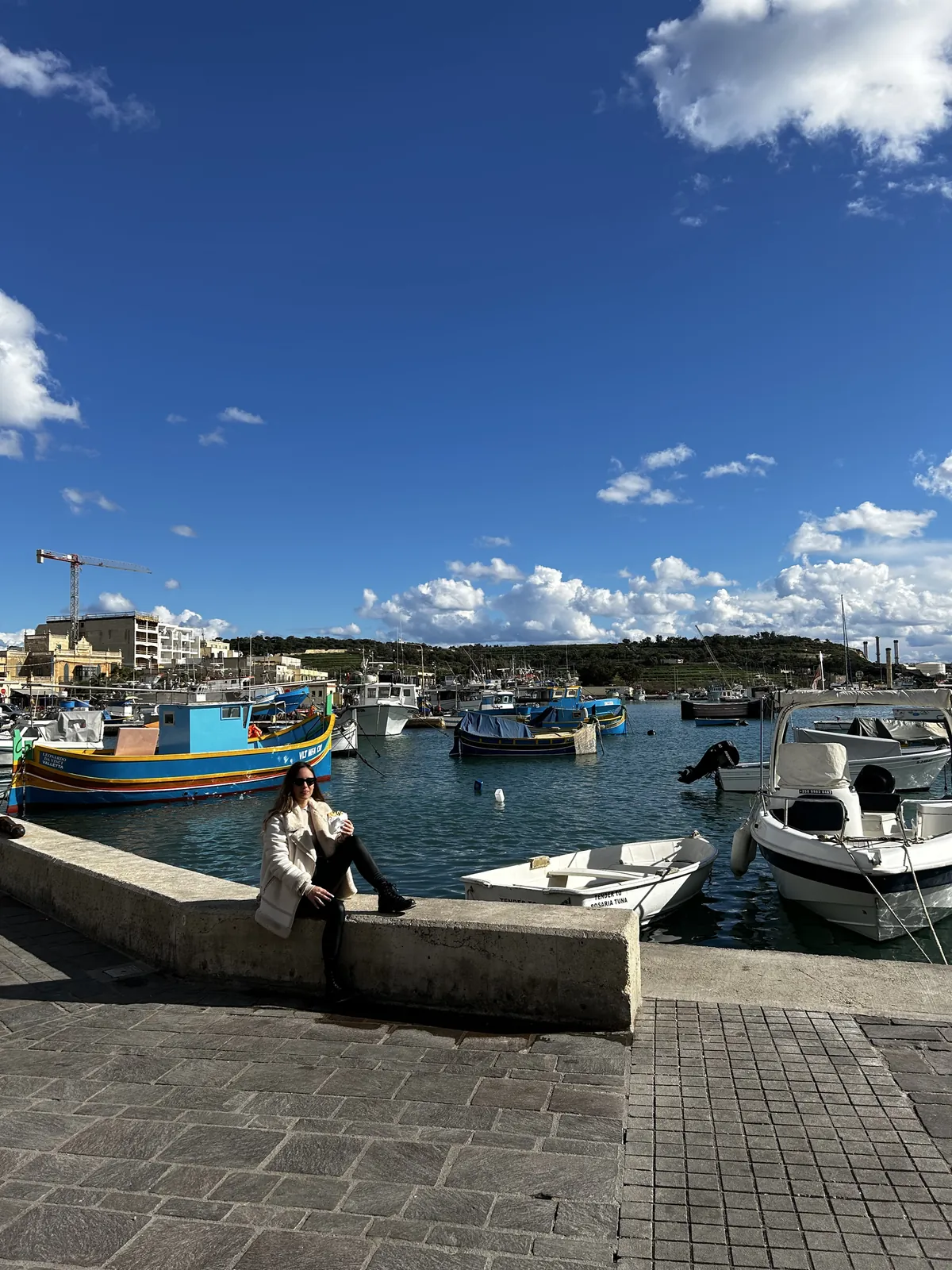
On Sunday mornings the waterfront turns into a big fish and souvenir market. It’s lively and great for fresh fish, but it gets very crowded – travellers often say a weekday or Saturday is far nicer for photos. If you want the market without driving, Malta Sightseeing lists a Sunday half-day tour combining the Blue Grotto and Marsaxlokk market with hotel pick-up (€30 adults on the operator’s site – confirm when booking).

Late morning (11:00–12:30): the Blue Grotto boat ride
Drive or ride about 25–30 minutes west to Wied iz-Żurrieq, where small boats take you into the Blue Grotto and a series of sea caves. The water inside glows an unreal blue, best from sunrise until about 13:00 according to tour operators. Boats sail only when the sea is calm – on windy days use the free viewpoint on the road above. Pay at the kiosk by the harbour (check the price on the day).

Midday (12:45–14:30): Ħaġar Qim and Mnajdra temples
Five minutes up the road are Ħaġar Qim and Mnajdra, two megalithic temple complexes on a ridge above the sea. They’re older than Stonehenge and the pyramids, and the walk between the two, facing the islet of Filfla, is gorgeous. Tickets cost €10 for adults, €7.50 for seniors, students and 12–17-year-olds and €5.50 for children 6–11 (Heritage Malta, checked November 2026). Plan 1.5 hours; check Heritage Malta’s opening hours first.
Afternoon (15:00–16:30): Dingli Cliffs
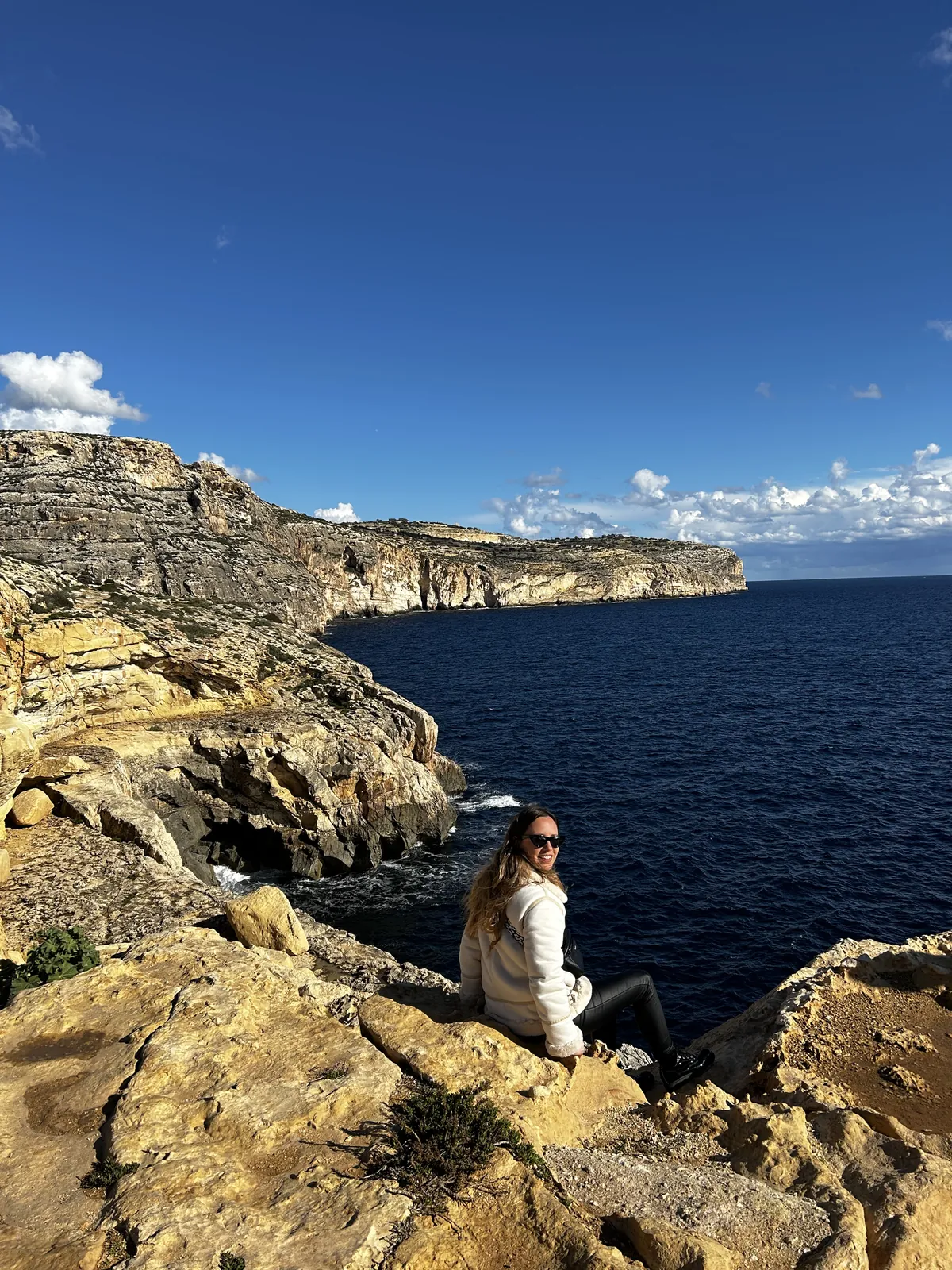
The Dingli Cliffs are the highest stretch of Malta’s coastline – a long walk along the top of a sheer limestone wall dropping into the open sea, with the tiny Chapel of St Mary Magdalene on the edge. You come for the space, the wind and the light – walk 30–45 minutes along the path. Some guides say skip it on a short trip; I think it’s worth it, because it’s right on the way to Mdina.

Late afternoon and evening: Mdina and Rabat at golden hour
Finish the day in Mdina, the “Silent City” – the old capital on a hill in the middle of the island, about 15 minutes from Dingli. Enter through the Mdina Gate (yes, the Game of Thrones one) and just walk: honey-coloured lanes, palaces and almost no cars. Entry is free. Climb to Bastion Square for the view over the whole island – in the late afternoon the stone glows and the tour buses have gone.
Right outside the walls is Rabat. If you still have energy, visit St Paul’s Catacombs – a maze of underground early Christian burial chambers (Heritage Malta: €6 adults, checked November 2026; check closing time, it closes earlier than the restaurants open). Rabat also has more everyday restaurants than Mdina for dinner.
Getting back: Bolt from Mdina to Valletta or Sliema takes about 25–30 minutes outside rush hour, or take bus 50–53/56 back to Valletta.
The hop-on hop-off bus: how we saw the whole island
On one of my trips we booked a hop-on hop-off bus tour through GetYourGuide and used it to see the whole island – and for a short stay without a car, I really think it’s one of the easiest ways to do Malta. Open-top bus, commentary, hop off wherever you like – no parking, no driving on the left.

How it works
- Two routes on Malta. Both main operators run a North/Blue and a South/Red route. With CitySightseeing Malta, both lines start from Valletta Harbour, with over 30 stops in total; the Blue Grotto stop runs April–October.
- South route (example: Malta Sightseeing): departs Sliema Ferries every 60 minutes from 09:30, last departure 15:00 Monday–Saturday and 14:00 on Sundays; the full loop takes about 3 hours. Stops include Valletta, the Hypogeum, the Birgu waterfront, Marsaxlokk, the Blue Grotto and Ħaġar Qim.
- North route (example: Malta Sightseeing): departs Sliema Ferries every 60 minutes from 09:00, about 3 hours for the loop, with stops including San Anton Gardens, Ta’ Qali, Mosta, Mdina Gate, Golden Bay and St Julian’s.
- Gozo route: there’s a separate Gozo loop from Mġarr harbour (Malta Sightseeing’s Gozo tour leaves every 45 minutes from 09:40 to 15:00, stopping at Ramla Bay, Ġgantija, Victoria, Dwejra and more; ferry not included).
- Price: Malta Sightseeing lists €25 per adult for a one-day ticket on each route (€16 for children 5–15) – checked November 2026, but their website looks dated, so confirm on the booking page. Malta Public Transport’s Explore Flex card also sells 4 or 7 days of unlimited public buses plus a hop-on hop-off option for €41 or €51.
Hop-on hop-off vs public bus vs Bolt
| Hop-on hop-off | Public bus | Bolt / taxi | |
|---|---|---|---|
| Cost | About €25 per route per day (operator price) | €2 in winter, €2.50 in summer per 2-hour ticket | Highest – but split between 3–4 people it can be close |
| Comfort | Seat guaranteed once you’re on, commentary, great views from the top deck | Can be full in summer and skip stops | Door to door |
| Flexibility | Fixed loop; buses roughly hourly and the last ones leave mid-afternoon | Many routes, early to late | Total |
| Best for | Day 2 without a car, first-timers, families | Budget travellers with time | Sunset at Dingli/Mdina, late dinners |
My booking tips: check which operator your ticket is for (the buses and stops differ), whether it covers one route or both, and for how many days. Start early – buses come about once an hour, so missing one costs time. Note when the last bus passes your stop, and keep Bolt as plan B for the evening.
Day 3: Gozo (or Comino and the Blue Lagoon in summer)
Area: Malta’s sister islands. Choose Gozo if you want villages, temples, a Citadel and wild coastline; choose Comino if it’s summer and you dream of swimming in turquoise water. Or combine both on a boat tour.
Getting to Gozo
- Fast ferry from Valletta (easiest from a Valletta or Sliema base): the Gozo HighSpeed passenger ferry goes from Valletta to Mġarr in about 45 minutes. The adult one-way fare was listed at €7.50 in autumn 2026 – check the operator before you go. The Airport Direct TD4 bus runs to the fast-ferry terminal every 30 minutes.
- Gozo Channel car ferry from Ċirkewwa: the Gozo Channel ferry crosses from Ċirkewwa, at Malta’s northern tip, to Mġarr in about 25 minutes, daily. You only pay on the way back from Gozo: €4.65 for a foot passenger and €15.70 for a car and driver (checked November 2026). The catch is that Ċirkewwa is roughly an hour from Valletta or Sliema, so this option is best if you have a car.
Morning: the Citadel in Victoria
From Mġarr, take the hop-on hop-off bus, a taxi or a hire car to Victoria (also called Rabat), Gozo’s little capital in the centre of the island. Walk up to the Citadel (Ċittadella), the walled old town on the hill – its ramparts give a 360° view over the island. Walking around is free; museums inside charge separately.
Midday: Ġgantija temples and lunch
Ten minutes from Victoria, in Xagħra, are the Ġgantija temples – two megalithic temples from the Late Neolithic (Heritage Malta dates the site to between 3800 and 2000 BC), among the oldest free-standing structures in the world. Tickets are €10 for adults, €8 for seniors, students and youths and €6 for children (Heritage Malta, checked November 2026). Note: Ġgantija is closed all day on Thursday 26 November 2026. For lunch, order ġbejniet, the little Gozo sheep’s cheeses.
Afternoon: Ramla Bay, the salt pans and Dwejra
- Ramla Bay – red-gold sand in a green valley, Gozo’s most famous beach. In summer, swim; the rest of the year, walk the sand.
- Xwejni salt pans – a chessboard of rock-cut salt pans along the coast near Marsalforn, still used in summer. Best in the late-afternoon light.
- Dwejra – the Inland Sea, Fungus Rock and the Blue Hole. The famous Azure Window arch collapsed into the sea in 2017, so ignore old photos – but the coastline is still spectacular.
Head back to Mġarr for a late-afternoon ferry. If you’re on the fast ferry to Valletta, you’ll be back for dinner in the capital.
Alternative day 3: Comino and the Blue Lagoon
From May to October, the Blue Lagoon on Comino is the most famous swimming spot in Malta – white sand under the water, and that unreal turquoise colour. Since May 2025 the Malta Tourism Authority runs a free online booking system: you book one of three time slots (08:00–13:00, 13:30–17:30 or 18:00–22:00), get a QR code and swap it for a wristband on arrival, with a cap of 4,000 visitors at any one time. Check bluelagooncomino.mt for the current season before you go – boat tour operators usually explain how they handle it.
- Go early or late. The worst time is around midday, when the big tour boats and party boats arrive. The first morning slot or the evening slot is much calmer.
- Combine both islands: Malta Sightseeing’s Gozo & Comino cruise leaves Sliema at 10:30 and returns at 18:30, with a bus to Victoria on Gozo and an afternoon at the Blue Lagoon (€40 adults as listed on the operator’s site – confirm when booking). A long day, but it ticks off both.
Where to stay for 3 days in Malta
After three trips, my rule is simple: for a short stay, sleep where the ferries are. Valletta and Sliema/St Julian’s are both on the water, connected by a short boat ride, and both have buses to the rest of the island. Here’s where I’d book next time (budget categories, because rates change a lot with the season):
Valletta – best for sightseeing and atmosphere
- Luxury: The Phoenicia Malta – the grand old hotel right outside City Gate, part of the Leading Hotels of the World, with gardens and a pool on the bastions. Everything in Valletta is a short walk away.
- Boutique: AX The Saint John – a stylish boutique hotel in the heart of Valletta, for travellers who want a design hotel inside the old city.
- Mid-range: Osborne Hotel – a classic hotel in the middle of Valletta, practical for families and first-timers.
- Budget to mid-range: Grand Harbour Hotel – a small hotel with 30 rooms in a historic building on the bastions, overlooking the Grand Harbour. Ask for a harbour-view room.
Sliema and St Julian’s – best for value, restaurants and nightlife
- Luxury: AX The Palace – a five-star hotel in Sliema with indoor and outdoor pools and a rooftop panoramic terrace.
- Mid-range: AX The Victoria Hotel – a four-star hotel in Sliema with classic décor, a short walk from the seafront and the Valletta ferry.
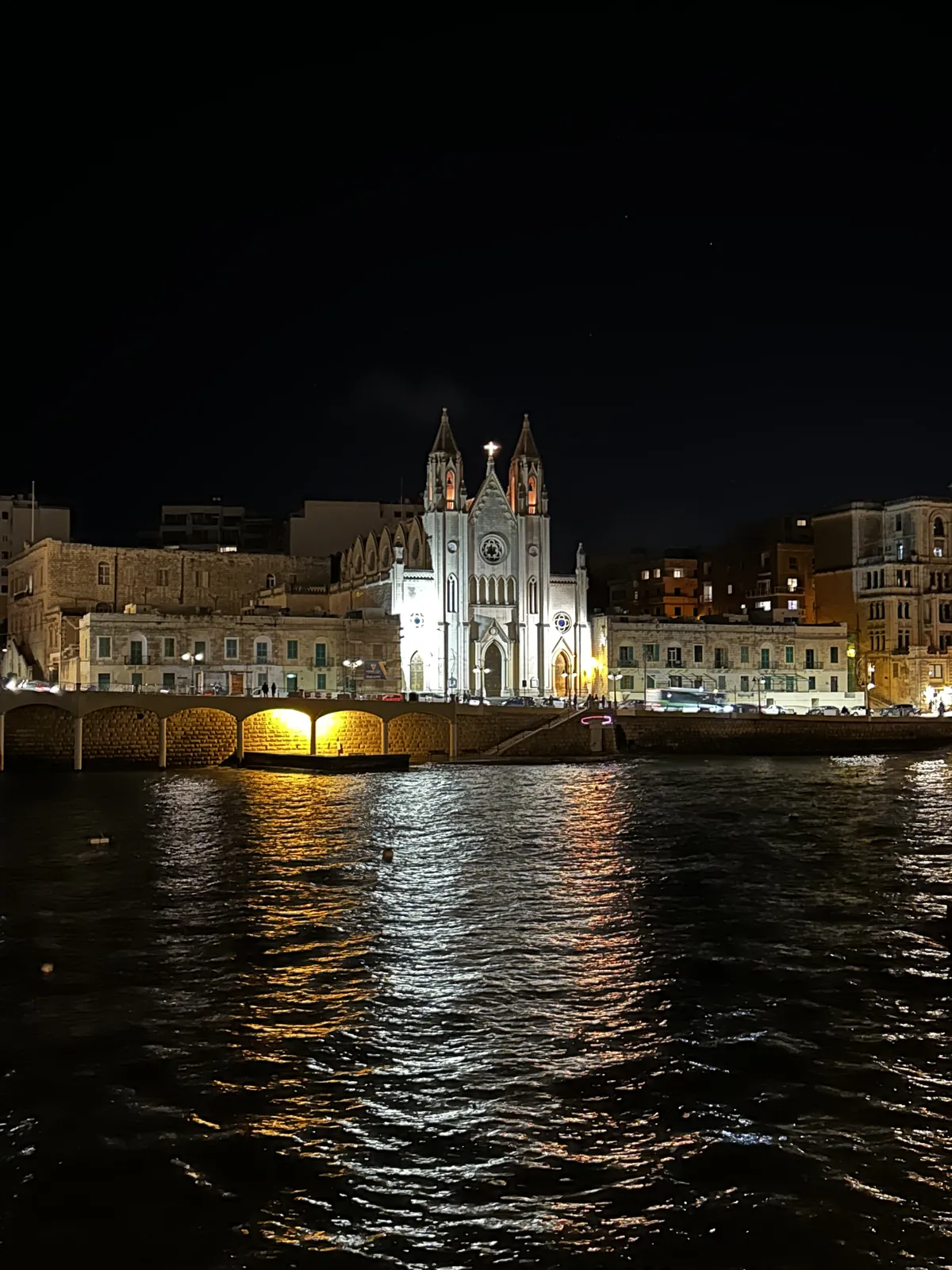
- Boutique: Hotel Juliani – a family-run boutique hotel in a renovated townhouse on Spinola Bay in St Julian’s, right where the evening life is.
- Budget: Two Pillows Boutique Hostel – a boutique hostel in central Sliema with dorms of up to six beds plus private studios and suites, a shared kitchen and a BBQ area. Note that it doesn’t accept children.
Warning: Paceville, St Julian’s nightlife strip, is loud until very late – for sleep, choose Sliema or the streets around Spinola and Balluta Bay.

A splurge in the Three Cities
If you want something special and quiet, Cugó Gran Macina is a five-star boutique hotel in Senglea, in a historic building on the Grand Harbour, facing Valletta. You’d take the ferry across to Valletta each morning – which I would never get tired of.
Whatever you choose, remember Malta’s eco-contribution: since 1 July 2026 adults pay €1.50 per night on their accommodation bill (capped at €22.50 per stay; under-18s exempt).
Getting around Malta in 3 days
From the airport
Malta International Airport is near Luqa, about 20–30 minutes from Valletta and Sliema by car. The Airport Direct buses are the easy budget option: TD4 to Valletta (and the Gozo fast ferry) every 30 minutes, TD2 to St Julian’s and TD3 to Sliema and St Julian’s every 30 minutes. A ticket costs €3 (TD1 €3.50) and Airport Direct is included in unlimited travel cards (checked November 2026).
Buses
Malta Public Transport covers almost every town. You can pay on board in cash or with a contactless card; a single ticket costs €2.00 in winter (18 October 2026–12 June 2027) and €2.50 in summer and is valid for 2 hours including transfers. Night routes cost €3. For three days, the best value is usually the 12 Single Day Journeys card (€19, shareable between travellers) or the Explore Flex 4-day card with unlimited buses (€21). The fine for riding without a ticket is €50 (checked November 2026). Use the tallinja app for live times.
Ferries
| Route | Time | Adult fare (checked Nov 2026) |
|---|---|---|
| Sliema – Valletta | A few minutes across Marsamxett Harbour | €3 single / €5 return (day); €3.50 / €5.20 at night in summer |
| Valletta – Three Cities (Cospicua) | A few minutes across the Grand Harbour | €3 single / €5 return (day) |
| Valletta – Gozo (Mġarr), fast ferry | About 45 min | About €7.50 one way – check before you go |
| Ċirkewwa – Gozo (Mġarr), Gozo Channel | About 25 min | €4.65 foot passenger, €15.70 car + driver – paid only on the return from Gozo |
Bolt, taxis and car hire
- Bolt is what most visitors and locals use; Uber and eCabs work too. Compare apps – prices differ, and they’re usually cheaper than street taxis.
- Car hire helps on day 2 and Gozo, but Malta drives on the left and parking is hard.
- Traffic: avoid driving 07:00–09:00 and 16:00–18:00 when you can.
How much do 3 days in Malta cost?
Main costs for this itinerary per adult, from official pages checked in November 2026:
| Item | Price per adult | Day |
|---|---|---|
| Sliema–Valletta ferry return | €5 | 1 |
| St John’s Co-Cathedral | €15 | 1 |
| Saluting Battery (optional – the gun is free to watch from the gardens) | €6 | 1 |
| Valletta–Three Cities ferry return | €5 | 1 |
| Fort St Angelo | €10 | 1 |
| Ħaġar Qim & Mnajdra | €10 | 2 |
| Blue Grotto boat | Check at the kiosk | 2 |
| St Paul’s Catacombs | €6 | 2 |
| Hop-on hop-off, one route for one day (operator price) | €25 | 2 |
| Gozo fast ferry, return | About €15 | 3 |
| Ġgantija temples | €10 | 3 |
| Gozo hop-on hop-off (operator price) | €25 | 3 |
| Total | About €130 + Blue Grotto boat |
On top of that come accommodation, food and the eco-contribution. On my Malta travel guide I estimate roughly €60–80 per person per day on a budget (hostel, pastizzi and ftira, buses), €120–170 mid-range (3–4★ hotel, restaurant dinners, a boat trip or museum) and €250+ for comfort (boutique hotel, private boat trips, fine dining).
- Save money: pastizzi and ftira for lunch, the 12-journey bus card, and spring or autumn dates.
Best time to visit Malta for a 3-day trip
Malta is a year-round destination, and that’s one of the reasons I keep coming back. My favourite months are May–June and September–October: warm sea, sunny days and fewer crowds than July and August, when it’s often above 30 °C, busy and more expensive. Winter (around 15 °C) is great for a city break, but Blue Grotto boats don’t run on windy days and the Blue Lagoon is a summer thing. Summer weekends bring village festas with fireworks and brass bands.
What to pack
- Comfortable walking shoes – Valletta is stairs and slopes, and the temples and cliffs are uneven rock.
- A shawl or light scarf – for St John’s and the other churches (shoulders and knees covered).
- A UK-style adapter – Malta uses Type G three-pin plugs.
- A windproof layer – for the ferries and the cliffs.
- Sun protection and a refillable bottle – there’s little shade at the temples, Dingli and the Blue Lagoon.
Money, cards and safety
- Money: Malta uses the euro. Cards and contactless work almost everywhere, including on buses, but keep some cash for snack bars, small village shops, market stalls and dgħajsa water taxis.
- Tipping: not compulsory; 5–10% in restaurants is appreciated if service isn’t already on the bill.
- Safety: Malta feels very safe, including for solo travellers. Watch your bag on full buses, and in Paceville late at night mind your drink and pockets.
Tourist traps and scams to avoid
- Unagreed prices: agree the fare before you get into a street taxi, horse carriage (karozzin) or dgħajsa water taxi – or use an app with a fixed price.
- Restaurant “fresh fish” by weight: in Marsaxlokk and other fishing villages, ask the price per kilo and the weight before they cook your fish.
- Blue Lagoon extras: sunbeds, umbrellas and cocktails in pineapples at the lagoon are expensive; bring your own water and shade if you can.
Insider tips & tricks for 3 days in Malta
Collected on my trips and from what travellers keep repeating in forums and travel groups:
- Arrive in Valletta by boat at least once. The view of the walls rising from the water beats most paid tours.
- Beat the cruise ships. Valletta is busiest mid-morning to mid-afternoon; do St John’s at 09:00 and return in the evening.
- Sunday planning: St John’s is closed on Sundays and the noon gun doesn’t fire, but Marsaxlokk’s big market is on Sunday morning. If one of your three days is a Sunday, make it day 2 or day 3.
- Blue Grotto = morning. Check the sea on the morning of day 2 and swap the order if it’s rough.
- Book the Hypogeum first. It regularly sells out weeks ahead.
- Buses fill up in summer. On popular routes full buses sometimes don’t stop. Start early, or use Bolt for the last leg of the day.
- Eat like a local: pastizzi from a snack bar for breakfast, ftira for lunch, rabbit stew (stuffat tal-fenek) for dinner, and try Kinnie, the bitter-orange soft drink – people either love it or hate it.
- Don’t feed the street cats. Malta’s cats are looked after by local volunteers and are well fed.



Have more time? Extend your Malta itinerary
- 4 days in Malta – this plan plus a full day for Gozo and Comino.
- 5 days in Malta – adds the beaches of the north (Mellieħa, Golden Bay, Għajn Tuffieħa) and a slower Valletta.
- 7 days in Malta – a week with two nights on Gozo, diving or a boat trip around the coast.
- 10 days in Malta – the complete Maltese islands, slowly.
Malta also combines beautifully with Sicily – ferries cross in under two hours. If you continue, read my one-day guides to Siracusa and Catania, the Italy travel guide and all my Europe guides. Travelling alone? Malta is also on my list of perfect solo adventure destinations.

Hotel, tourist board or travel brand in Malta?
I create honest, practical one-day itineraries read by travellers planning their next trip – plus photos, drone shots and Instagram stories from the road. I’m open to collaborations with hotels, apartments, restaurants, wineries, tour operators and destinations across Malta: sponsored itineraries, destination features, press trips and social media campaigns.
Work with me Get in touch3 days in Malta FAQ
Is 3 days in Malta enough?
Yes, for a first trip. Three days covers Valletta and the Three Cities, the south and Mdina, and one day on Gozo or Comino. Choose Gozo or the Blue Lagoon for day 3, or add a fourth day.
What is the best 3-day itinerary for Malta?
Day 1: Valletta and the Three Cities by ferry. Day 2: Marsaxlokk, the Blue Grotto, Ħaġar Qim temples, Dingli Cliffs and Mdina. Day 3: a day trip to Gozo, or the Blue Lagoon on Comino in summer.
Should I stay in Valletta or Sliema for 3 days?
Valletta is best for sightseeing and evening atmosphere. Sliema and St Julian’s have more hotels, restaurants and nightlife and are often better value; the Sliema–Valletta ferry takes only a few minutes.
Is Gozo worth it on a 3-day Malta trip?
Yes, if you like villages, history and wild coastline. The fast ferry from Valletta takes about 45 minutes, so a day trip works well. In summer, Comino’s Blue Lagoon is the alternative.
Do I need to book the Blue Lagoon on Comino?
Since May 2025 the Blue Lagoon has had a free online booking system with three daily time slots and a cap of 4,000 visitors at a time. Check bluelagooncomino.mt for the current season.
How much does St John’s Co-Cathedral cost?
In November 2026, adult tickets cost €15 and senior and student tickets €12, with an audio guide included; children under 12 go free with an adult. It is open Monday to Saturday from 09:00 to 16:45 (last entry 16:00) and closed on Sundays and public holidays.
How much is the bus in Malta?
In November 2026, a single bus ticket cost €2.00 in winter and €2.50 in summer, valid for 2 hours with transfers. A 12-journey card costs €19 and a 4-day unlimited Explore Flex card €21.
Is the hop-on hop-off bus worth it in Malta?
For a short trip without a car, yes. North and South routes cover Mdina, the Three Cities, Marsaxlokk, the Blue Grotto and the temples. Buses run about hourly and stop in the afternoon, so start early.
Do I need a car for 3 days in Malta?
No. Valletta and the Three Cities are best on foot and by ferry, and the south and Mdina can be done by hop-on hop-off bus, public bus or Bolt. A car is most useful on day 2 or on Gozo.

Miki Kokica
Travel blogger behind One Day Itinerary. I test every route myself and write honest, practical guides so you can make the most of a single day anywhere.
Work with me Instagram










