Waterfalls in Jordan? In a country that is mostly desert, it sounds like a joke – until you are standing chest-deep in a red sandstone canyon with a waterfall roaring in front of you. Jordan’s waterfalls hide in the wadis (river canyons) that drop from the highlands to the Dead Sea, and some of them are even hot, fed by mineral springs. Here are the best ones, with how to get there, costs and when it’s safe to go.
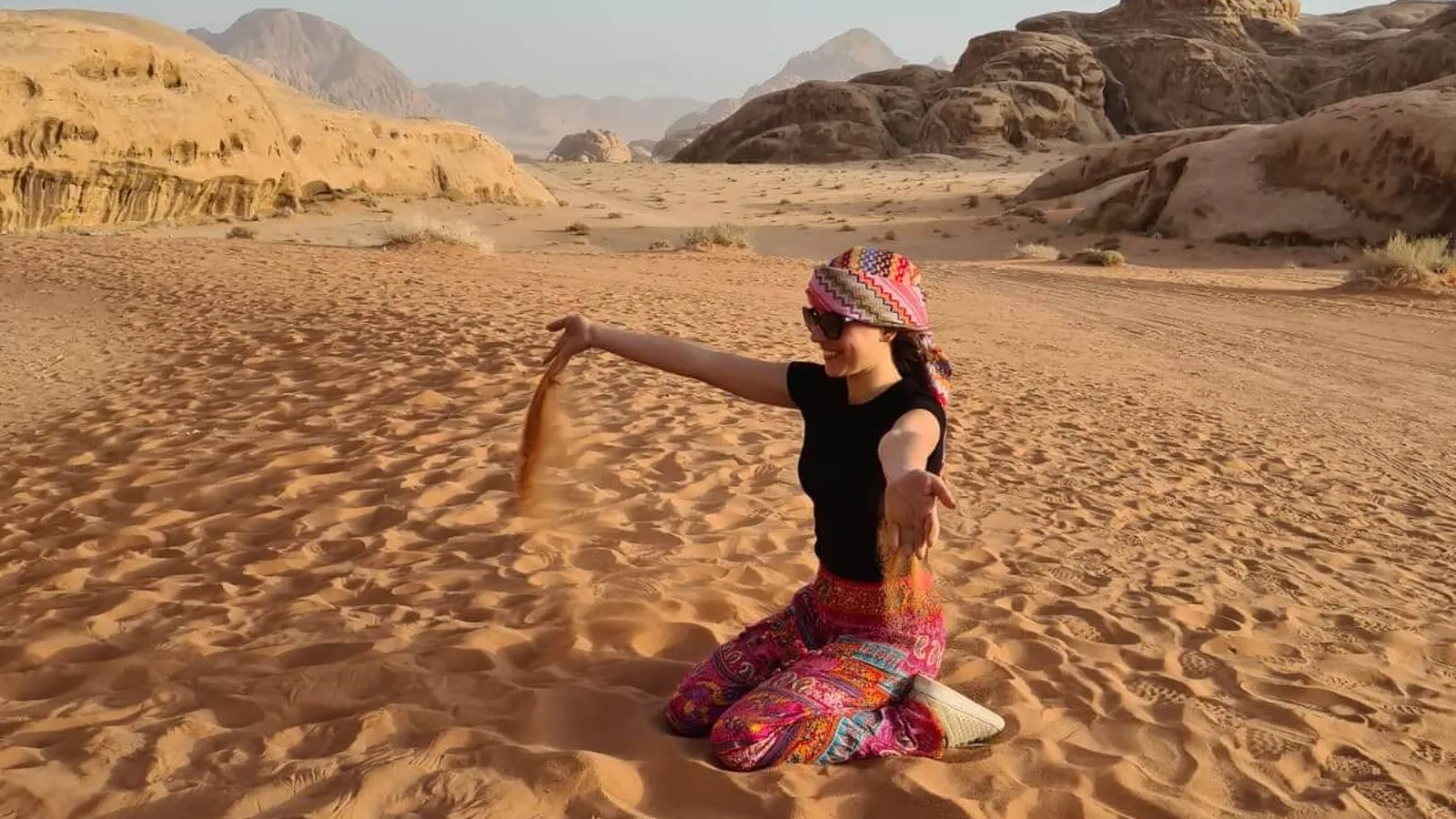
A quick honesty note before we start: my own photos from Jordan are from Petra and Wadi Rum, not from the wet canyons. So the waterfalls below are researched recommendations, built from the official reserve pages, recent trip reports and traveller tips I read in November 2026. Where I couldn’t confirm a price or a rule, I say so.
Quick answer: the 3 best waterfalls in Jordan
- Wadi Mujib – Siq Trail: the classic. A water hike through a narrow canyon that ends at a powerful waterfall. Open April to October only.
- Ma’in Hot Springs (Hammamat Ma’in): hot mineral water pouring off a cliff into pools, about an hour from Amman.
- Wadi Himara: a family-friendly walk off the Dead Sea road to a small waterfall, with a much bigger fall (a little over 80 m) further up.
Waterfalls in Jordan at a glance
Fees below are the ones published on the pages I checked (checked November 2026). A dash means I couldn’t find a reliable figure – check before you go.
| Waterfall | Region | Height | How to get there | Entry fee | Swimming? | Best time |
|---|---|---|---|---|---|---|
| Wadi Mujib (Siq Trail) | Dead Sea coast | – | Car or driver; ~1.5 h from Amman | 23 JOD (non-Jordanians) | Yes – it’s a water hike, life jacket provided | Apr–Oct (trail open dates) |
| Ma’in Hot Springs | Madaba / Dead Sea | – | Car; ~1 h from Amman, ~20 min up from the Dead Sea road | Public area ~15 JOD reported – | Hot pools; dress modestly | Cooler months |
| Wadi Zarqa Ma’in | Dead Sea road | Two falls ~40 m (canyoning route) | Trailhead by a bridge ~12 km south of Sweimeh | – | Natural pools | Dry season, no rain forecast |
| Wadi Himara | Dead Sea road | 4 m, then 80 m+ | Parking ~8.5 km south of Sweimeh | – | Small pool | Spring–autumn, dry days |
| Wadi Hidan | King’s Highway, near Madaba | ~50 m (reported) | Car to the RSCN visitor centre | Check before you go | Yes, some swimming | Warm months |
| Wadi Weida’a & Wadi Numeira | Southern Dead Sea | Small boulder falls | Car; turn-offs off the Dead Sea highway | – | Paddling | Spring & autumn |
| Wadi Bin Hammad | Karak | Small cascades | 143 km from Amman via Karak | JD5 in 2021 – check | Shallow stream, hot springs | Summer |
| Wadi Hasa & Afra Hot Springs | Tafilah | Springs & small cascades | From Tafilah, ~2 h from Amman | Afra: max JD1 (2022) | Hot springs | Spring & autumn |
| Al-Mashlasha Waterfalls | Tafilah | Not published | Long walk from near Eima village | – | – | After the rains |
| Wadi Rajeb | Ajloun / Jerash | Small falls | Car; park at Muntaza Rajeb | – | Freshwater pools | Rainy season & spring |
1. Wadi Mujib Siq Trail – Jordan’s most famous waterfall hike
Wadi Mujib is a deep river canyon inside the Mujib Biosphere Reserve, run by Jordan’s Royal Society for the Conservation of Nature (RSCN). The Siq Trail is the one everyone talks about: you walk, wade and sometimes swim upstream between smooth sandstone walls, climb a few rapids with the help of ropes and ladders, and finish at a big waterfall crashing into a small pool. On the way back you slide down the rocks and float with the current.
Getting there: the Adventure Center sits right on the Dead Sea highway (Highway 65), about 25–30 minutes from the Dead Sea resorts. There’s practically no public transport, so drive yourself, book a tour or hire a driver – one travel blog paid about 75 JOD for a round trip from Amman, roughly 1.5 hours each way.
The walk: the canyon walk is about 2 km in and the same back, and RSCN says to allow 2–3 hours. Expect knee- to chest-deep water, fast currents in places and a steep section with ladders near the waterfall. Staff stand at the tricky spots and you can turn back at any time.
Fee and rules: RSCN’s 2026 price list shows 23 JOD for non-Jordanians (checked November 2026); the Siq Trail is self-guided and needs no advance booking. RSCN says the trail typically opens on 1 April and closes on 31 October (weather permitting), and wet trails are for ages 18+. The life jacket is compulsory and handed out at the start. It’s not included in the Jordan Pass. In winter the wet trails close because of flash floods – the guided, dry Ibex Trail (also 23 JOD) runs roughly November to March instead.
Best time and crowds: trail reports put opening hours at 8:00–15:00. Arrive close to 8 am – there’s room for about 30–40 cars and up to 100–150 people in the canyon at once, and weekends get busy. Book or check details on the RSCN website.
2. Ma’in Hot Springs – the hot waterfall
Hammamat Ma’in is something you don’t see every day: hot mineral water tumbling down a cliff into steaming pools. The springs sit in a canyon about 264 m below sea level (Royal Jordanian’s figure), between Madaba and the Dead Sea – Wikipedia puts them about 74 km south of Amman and 27 km from Madaba, with water coming out at 45–60 °C. Part of the site belongs to a spa resort; the public area with the big waterfall is open to everyone for a fee.
Getting there: about an hour by car from Amman, or roughly 20 minutes inland from the Dead Sea highway on a steep, winding road with great views.
Fee: the public area has been reported at around 15 JOD per person, but I couldn’t find an official current price, so check before you go (checked November 2026). Day access to the resort side and spa is sold separately and changes often.
Swimming rules: you don’t really swim – you sit in the warm pools and let the waterfall massage your shoulders. The area is conservative and popular with local families and men, so bring modest swimwear (women may feel more comfortable covered up) and flip-flops. Some small pools are far too hot to sit in – test with your foot first.
Best time: the hot water is most pleasant in the cooler months; in summer the canyon is baking. Weekends are busiest with local visitors.
3. Wadi Zarqa Ma’in – the canyon below the hot springs
The water from Ma’in doesn’t stop at the springs. It carries on down Wadi Zarqa Ma’in to the Dead Sea, and the lower canyon is a favourite water hike. Lonely Planet describes a trailhead by a small bridge about 12 km south of Sweimeh on the Dead Sea road, with natural pools and a waterfall about 3.5 km in – most of the way you wade through the river.
For the full experience, canyoning operators run the whole wadi from the top: Original Travel describes two waterfalls of about 130 ft (40 m) that you rappel down, swims through water basins and hot springs at the end. That version is long and technical – go only with a professional guide.
Fee: I couldn’t find an official fee for the lower canyon. Safety: don’t enter if rain is forecast anywhere upstream – this is a flash-flood canyon.
4. Wadi Himara – an 80-metre waterfall near the Dead Sea
Wadi Himara is the easy, family-friendly waterfall hike on the Dead Sea coast. A blog by a family living in Jordan describes parking at a concrete bridge about 800 m past the Aqaba–Ma’in junction (Lonely Planet says about 8.5 km south of Sweimeh), less than 10 minutes from the Dead Sea hotels and about an hour from Amman. No 4×4 needed.
The walk: 4 km round trip, or 5.3 km with a side trip into a small dry siq; plan 2–3 hours with kids. The stream is fun for children up to the first waterfall, about 4 m high with a pool below. To go further you climb a knotted rope beside it. A longer trek of about 10 km continues to what that blog calls the highest accessible waterfall in Jordan – a little over 80 m, falling into a freshwater pool.
Fee: none mentioned in any source I read – check locally. Safety: the same family blog’s rule is simple: don’t hike if rain is expected that day or fell in the previous two days.
5. Wadi Hidan – Jordan’s natural water park
Wadi Hidan is a black basalt canyon that Jordan News calls the country’s natural water park: narrow gorges, fixed ropes, bolts and metal stairs, natural slides and optional cliff jumps. The main trek is about 4 km and needs no technical experience, and Original Travel mentions a waterfall of about 160 ft (50 m) at the end of the longer route.
Getting there: it’s reached from an RSCN visitor centre off the King’s Highway near Madaba. Fee: in 2021 Jordan News listed almost US$50 for tourists including a guide, life jacket and helmet; I couldn’t find a current official price – check before you go.
6. Wadi Weida’a and Wadi Numeira – south of the Dead Sea
If you’re driving the Dead Sea highway towards Karak or Aqaba, two short wadis make great leg-stretchers. Wadi Weida’a has a small waterfall formed by fallen boulders blocking the stream; Lonely Planet gives it as a 6 km round trip suitable for walkers of any level, from an unmarked turn-off about 60 km south of Sweimeh.
Wadi Numeira is a narrow siq about 68 km south of Sweimeh. Sources disagree on difficulty: Original Travel calls it beginner-friendly (about 3 miles, 2.5 hours), while Lonely Planet warns you’ll pull yourself up boulder falls and small waterfalls. Neither has an official fee listed.
7. Wadi Bin Hammad – hot springs and cascades near Karak
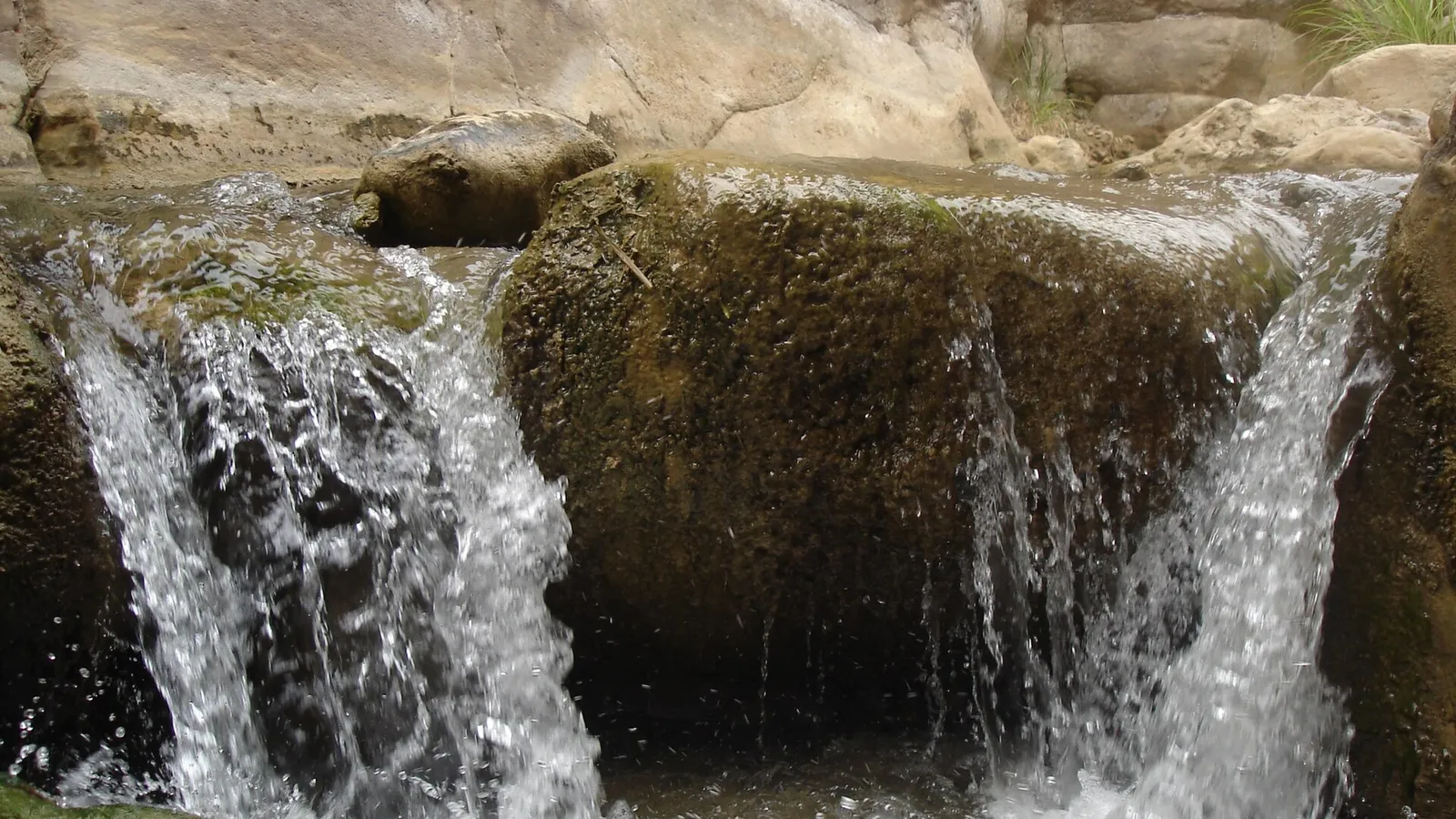
Wadi Bin Hammad is a green, palm-filled valley northwest of Karak with hot springs next to the visitor centre, cold streams and small waterfalls. The water stays shallow, so it’s one of the easiest wet walks in Jordan – Original Travel suggests about two hours and calls it suitable even for non-hikers. The rocks are slippery, though.
Getting there: Jordan News puts it 143 km from Amman: Desert Highway to Karak, then steep, winding side roads down to the visitor centre. Combine it with Karak Castle. Fee: in 2021 it was JD5 for non-Jordanians plus JD20 for an optional guide – check before you go.
8. Wadi Hasa and Afra Hot Springs (Tafilah)
Wadi Hasa is one of Jordan’s great canyon treks, running from the Tafilah–Karak highlands down to the Dead Sea near Al-Safi. Royal Jordanian describes a 24 km hiking route; a writer for Adventure.com did it over two days with guides from Treks Jordan, starting near Tafilah (about two hours from Amman) with feet in the water about 80% of the time and camping on a ledge overnight. Expect springs, pools and slippery boulders rather than one big waterfall – and do it with a guide.
Nearby, Afra Hot Springs are about 26 km north of Tafilah, with 15 springs at 45–48 °C. When the site reopened under local management in December 2021, the Ministry of Tourism required the entry fee not to exceed JD1 (check the current price). There are no hotels nearby – visitors sleep in chalets.
9. Al-Mashlasha Waterfalls – the wild one
For something truly off the beaten path, the Al-Mashlasha waterfalls northwest of Tafilah, near the village of Eima (about 25 km from the governorate centre), pour off rocks and cliffs among palms, wild figs and juniper. Jordan News warns they’re difficult to reach by vehicle – you walk a long way through valleys and mountain paths. I’d only go with a local guide, after the winter rains and never when more rain is forecast.
10. Wadi Rajeb – green waterfalls in the north
Northern Jordan around Ajloun and Jerash is green, and Wadi Rajeb shows it off: a spring-fed stream with several small waterfalls, freshwater pools, lemon and olive groves and an old church ruin. Jordan News describes the route: north to Jerash on Route 35, east on Route 20 to the town of Sakib, then down into the wadi. Park at Muntaza Rajeb park and start the loop from its back gate.
The loop took the writer about 3.5 hours with many breaks (the sights alone take about two). Expect brook crossings and slippery rocks. Avoid Fridays, when the village is busy with prayers. It’s best in the rainy season and spring, when the falls are fullest. Pair it with a day in Jerash.
How to plan a waterfall road trip in Jordan
Most of Jordan’s waterfalls line up along two roads – the Dead Sea highway and the King’s Highway. My Jordan travel guide has the full itineraries; here’s how to add waterfalls to them:
- Day 1 – Dead Sea coast: Wadi Mujib Siq Trail at 8 am, lunch, then a float in the Dead Sea. Add Wadi Himara the next morning.
- Day 2 – Madaba and Ma’in: Mount Nebo and Madaba, then an afternoon soak at Ma’in Hot Springs.
- Day 3 – King’s Highway south: Wadi Hidan or Wadi Bin Hammad, Karak Castle, then on to Dana or Wadi Musa.
- Days 4–5: Petra and Wadi Rum – no waterfalls, but you can’t skip them.
- Northern add-on: Jerash and Wadi Rajeb as a day trip from Amman.
Renting a car gives you the most freedom – just expect police checkpoints and keep your passport and rental papers handy. A private driver is the stress-free alternative. Most wet trails are near the Dead Sea, so a base there or in Madaba works well.
If Jordan is part of a bigger Middle East trip, my Abu Dhabi guide and the best ziplines in the UAE are good next stops for adventure.
Best time to see waterfalls in Jordan
Jordan’s waterfall season works differently from Europe’s. The rain comes in winter, which is when streams like Wadi Rajeb in the green north run strongest. But winter is also flash-flood season, so the big wet canyons – Mujib and its neighbours – close. RSCN opens the Siq Trail from 1 April to 31 October, and that’s the realistic window for most canyon hikes.
- April–May: my pick for wet canyons – the water is cool and refreshing, the days warm, the wildflowers out.
- June–August: canyons are fun because they’re shady, but the Dead Sea area is often well above 35 °C. Start at dawn.
- September–October: warm water and stable weather – autumn is also my favourite season for Jordan in general.
- November–March: hot springs (Ma’in, Afra) and northern wadis; avoid canyons when rain is forecast.
What to pack for Jordan’s waterfalls
- Water shoes or sandals with straps and grip (Mujib rents water shoes for about 5 JOD)
- Swimwear and a quick-dry towel; modest cover-ups for hot springs and villages
- A dry bag for your phone (rentable at Mujib for about 10 JOD) or a waterproof phone case
- Plenty of drinking water and snacks – most wadis have no shops
- Cash in dinars for small entry fees, parking and guides
Safety: flash floods, slippery rocks and the heat
Jordan’s wadis are beautiful because water carves them – and it can come back fast. Rain far away in the highlands can send a flood down a canyon under blue skies. That’s why RSCN closes its wet trails in winter, when there’s more rain.
- Check the forecast for the whole catchment, not just where you are. If rain is forecast, or fell in the last two days, skip the canyon.
- Never go into a closed trail or ignore rangers’ instructions.
- Hold the fixed ropes, test footholds and go slowly on wet rock – twisted knees are the most common injury.
- For longer canyons (Hasa, Zarqa Ma’in, Hidan, Ghuweir near Feynan) go with a licensed guide.
- In summer, start early and drink more than you think you need.
Insider tips from other travellers
- Arrive at Wadi Mujib right at 8 am – travellers who did found the canyon almost empty once people spread out.
- Skip the free roadside pools near Ma’in – reviewers describe them as unmaintained and crowded.
- For Wadi Rajeb, let the park staff know you’re hiking; one writer was shown the start of the trail by an employee.
- Download offline maps – mobile signal disappears in the deep wadis.
Waterfalls in Jordan: FAQ
Are there waterfalls in Jordan?
Yes. Most are hidden in river canyons (wadis) that run down to the Dead Sea, like Wadi Mujib, Wadi Himara and Wadi Zarqa Ma'in. There are also hot waterfalls at Ma'in Hot Springs and green, spring-fed falls in the north around Ajloun.
What is the most famous waterfall in Jordan?
The waterfall at the end of the Wadi Mujib Siq Trail. You reach it by wading and climbing about 2 km up a narrow sandstone canyon.
How much does Wadi Mujib cost?
RSCN's 2026 price list shows 23 JOD for non-Jordanians for the Siq Trail (checked November 2026). It is not included in the Jordan Pass.
When is the Wadi Mujib Siq Trail open?
RSCN says it is typically open from 1 April to 31 October, depending on the weather. It closes in winter because of flash-flood risk.
Is there a minimum age for Wadi Mujib?
RSCN states that wet trails require participants to be 18 or older. Check before you go if you're travelling with teenagers.
Can you swim at Ma'in Hot Springs?
You mostly sit in warm pools under the waterfall rather than swim. Some pools are too hot to enter. Dress modestly in the public area.
What is the best time to see waterfalls in Jordan?
April to May and September to October for canyon hikes, when the wet trails are open and temperatures are comfortable. Winter is best for hot springs, but canyons close because of flash floods.
Are Jordan's waterfall hikes safe?
They are safe when the trails are open and you follow rangers' instructions. The main danger is flash floods, so never enter a canyon when rain is forecast, and use a guide for long or technical canyons.
More waterfall guides
Planning more nature days? See my guides to the best waterfalls in Morocco, waterfalls in Cyprus, waterfalls in Turkey and waterfalls in Kenya. And for everything else – visas, the Jordan Pass, budgets and routes – start with my Jordan travel guide.

Written by
Miki Kokica
Travel blogger behind One Day Itinerary. I test every route myself and share honest, practical guides so you can plan better trips in less time.
Work with me Instagram