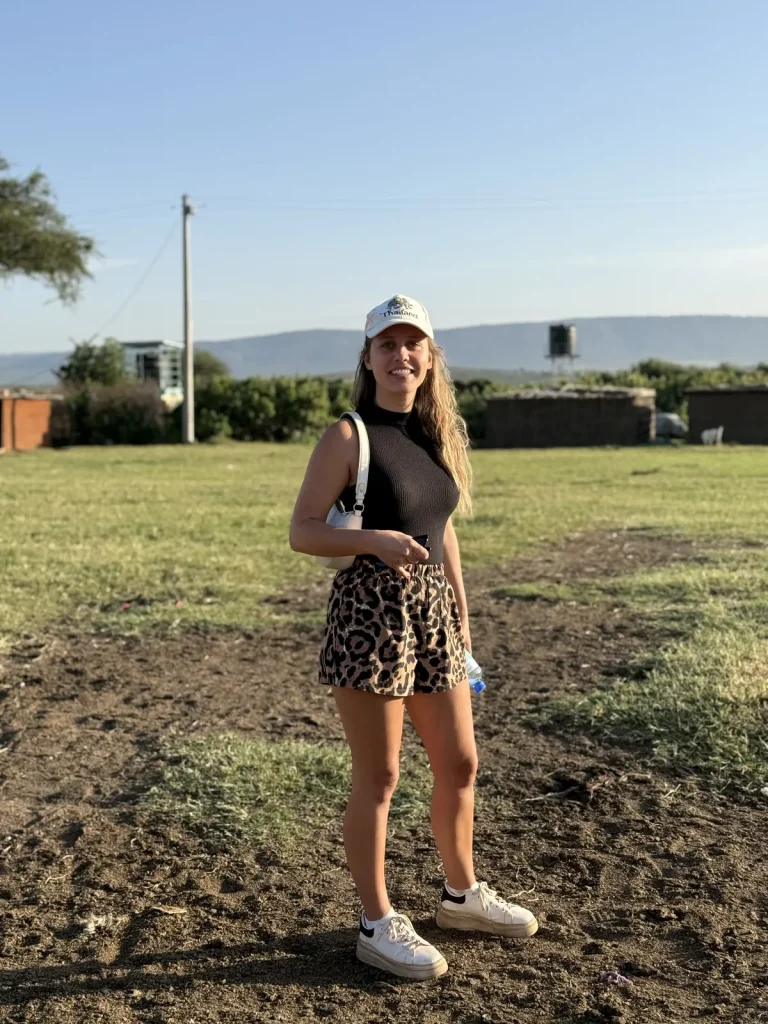
Hi, I’m Miki! Nairobi is where our Kenya trip started and ended in February 2025, and it surprised me more than I expected. In one city you can feed giraffes with skyscrapers on the horizon, bargain for souvenirs in loud, colourful markets, watch the craziest painted buses in the world drive past – and then dance until the early morning.
Three days is a great amount of time for Nairobi on its own: enough for the wildlife sights on the edge of the city, the markets, an honest look at how people live, and at least one big night out. This is the plan I would follow again, built from what we did ourselves and from the sights I would add next time. If you only have one day, read my one day in Nairobi guide; if you want to add a safari or the coast, there are 4-day, 7-day and 10-day versions too.
Day 1 – City and people: curio market and haggling · lunch in town · matatus and street life · Kibera with a local guide.
Day 2 – Wildlife day in Lang’ata and Karen: Nairobi National Park at sunrise · Sheldrick elephant orphanage at 11:00 · lunch in Karen · Giraffe Centre · Karen Blixen Museum.
Day 3 – Museums, souvenirs and a night out: Nairobi National Museum · Maasai Market · dinner and Westlands nightlife.

Is 3 days in Nairobi enough?
Yes, for the city itself. Nairobi’s big sights are grouped in a few areas, and the trick is to plan one area per day, because traffic is heavy and crossing the city at rush hour can eat half your afternoon. Three days lets you do the wildlife cluster in Lang’ata and Karen without rushing, spend a full day on markets and city life, and still have an evening (or two) for Westlands.
What you won’t fit into three days is a real safari. The Masai Mara is a long drive away, so most people spend a night or two in Nairobi before or after it – exactly like we did. My 3-day Masai Mara safari guide covers that part, and my 7-day plan combines both.
Day 1: Markets, city life and Kibera
Area: city centre and the south-west. Tip: if you land in the afternoon like we did, count this as your first full day and keep the arrival evening easy.
Morning: a curio market and the art of haggling
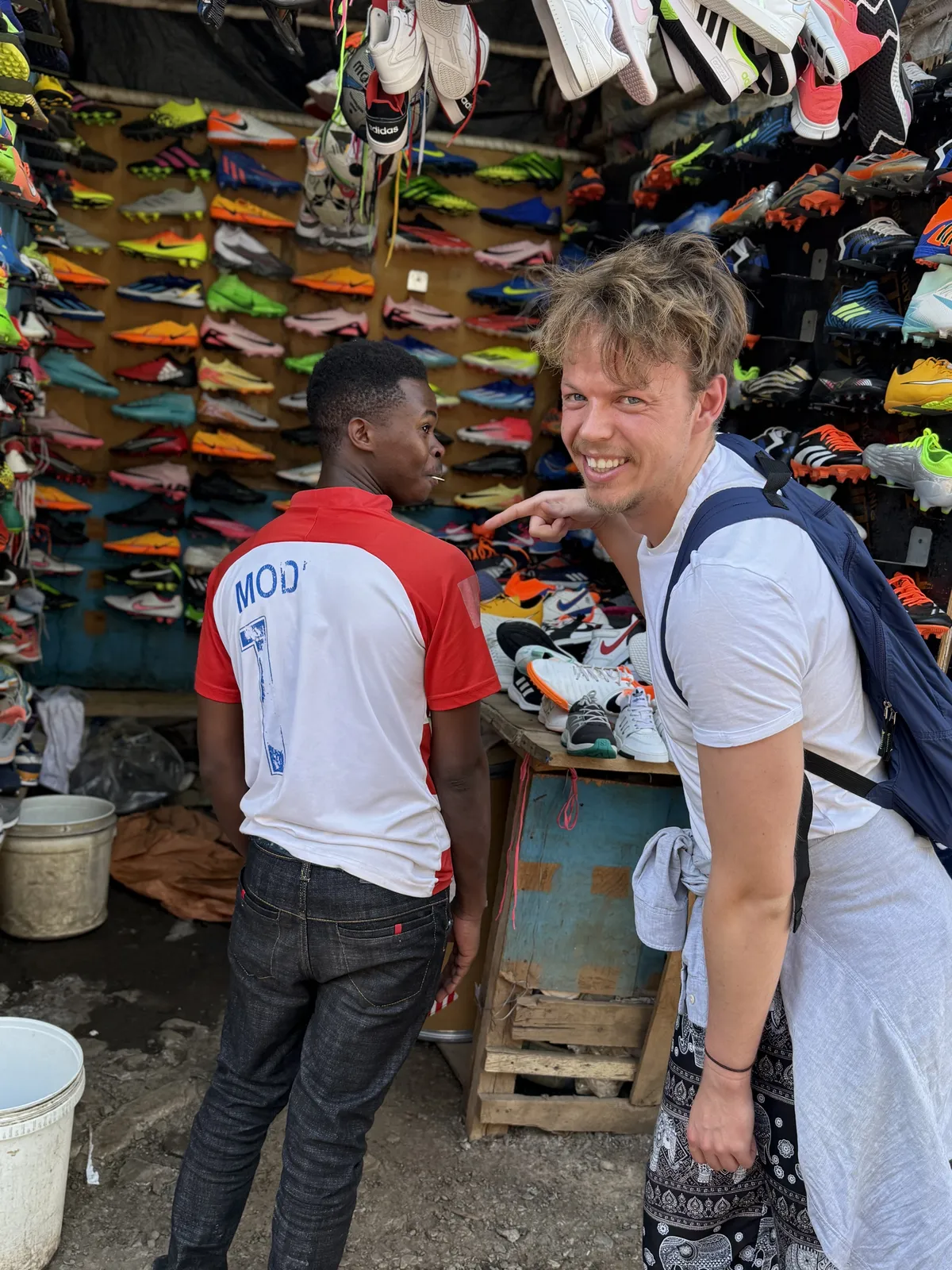
This is exactly how our first full day in Nairobi started. The markets are loud, colourful and full of life: wooden carvings, beaded jewellery, paintings, Maasai blankets, shoes, clothes and sacks of beans and grains in every colour. The most important thing to know is that you can – and should – bargain almost everywhere. The first price for a tourist is usually much higher than the real one.

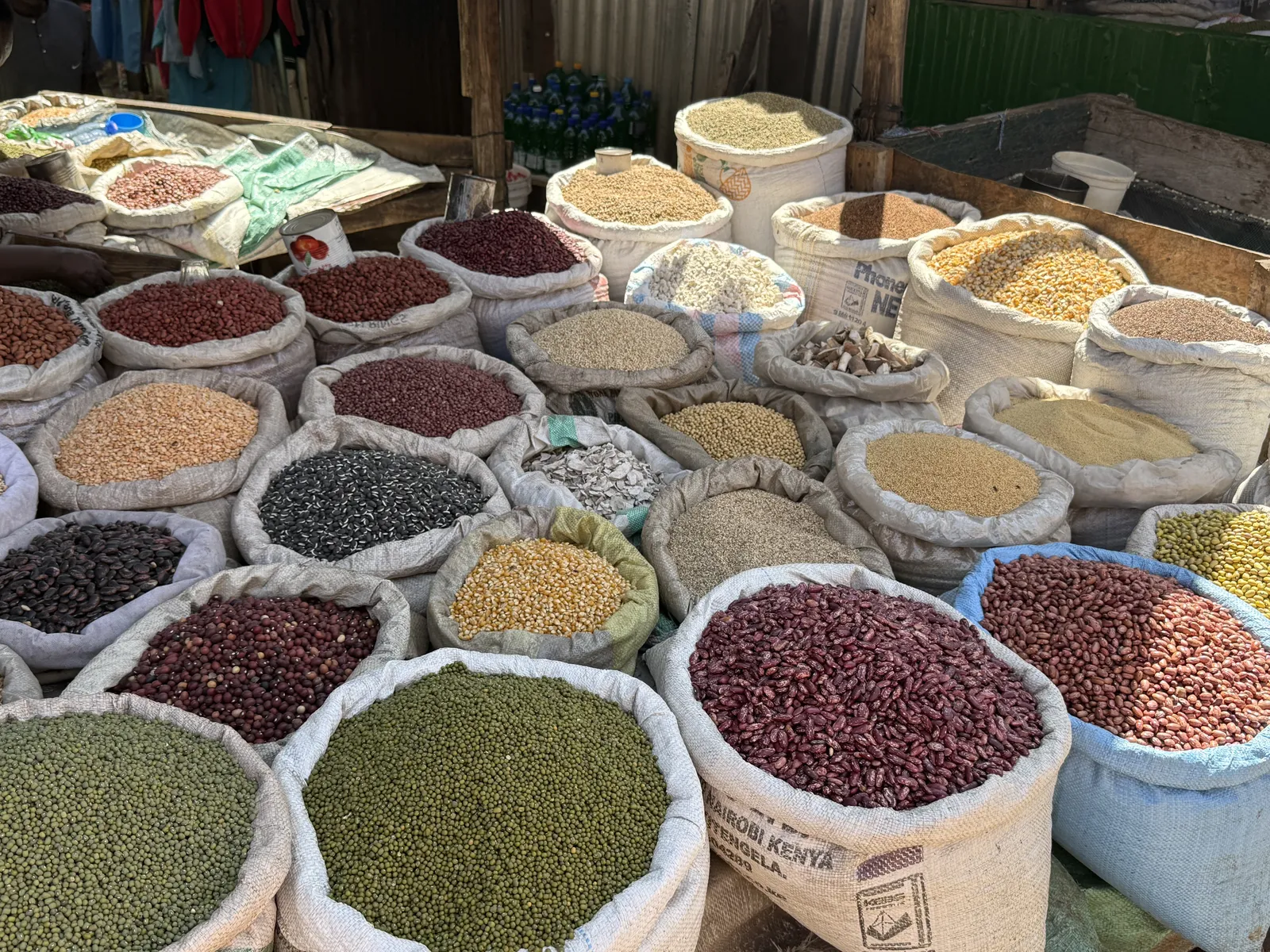

- Start low. A classic tip from travel forums is to start at around 10% of the first price and aim to settle somewhere near 30%.
- Smile and take your time. Haggling is part of the fun, and walking away politely often brings the price down by itself.
- Carry small notes. Many stalls can’t break big notes, and showing a fat wallet won’t help your bargaining.
- Know where not to haggle. Prices are fixed in malls, supermarkets and restaurants.
Midday: lunch and street life
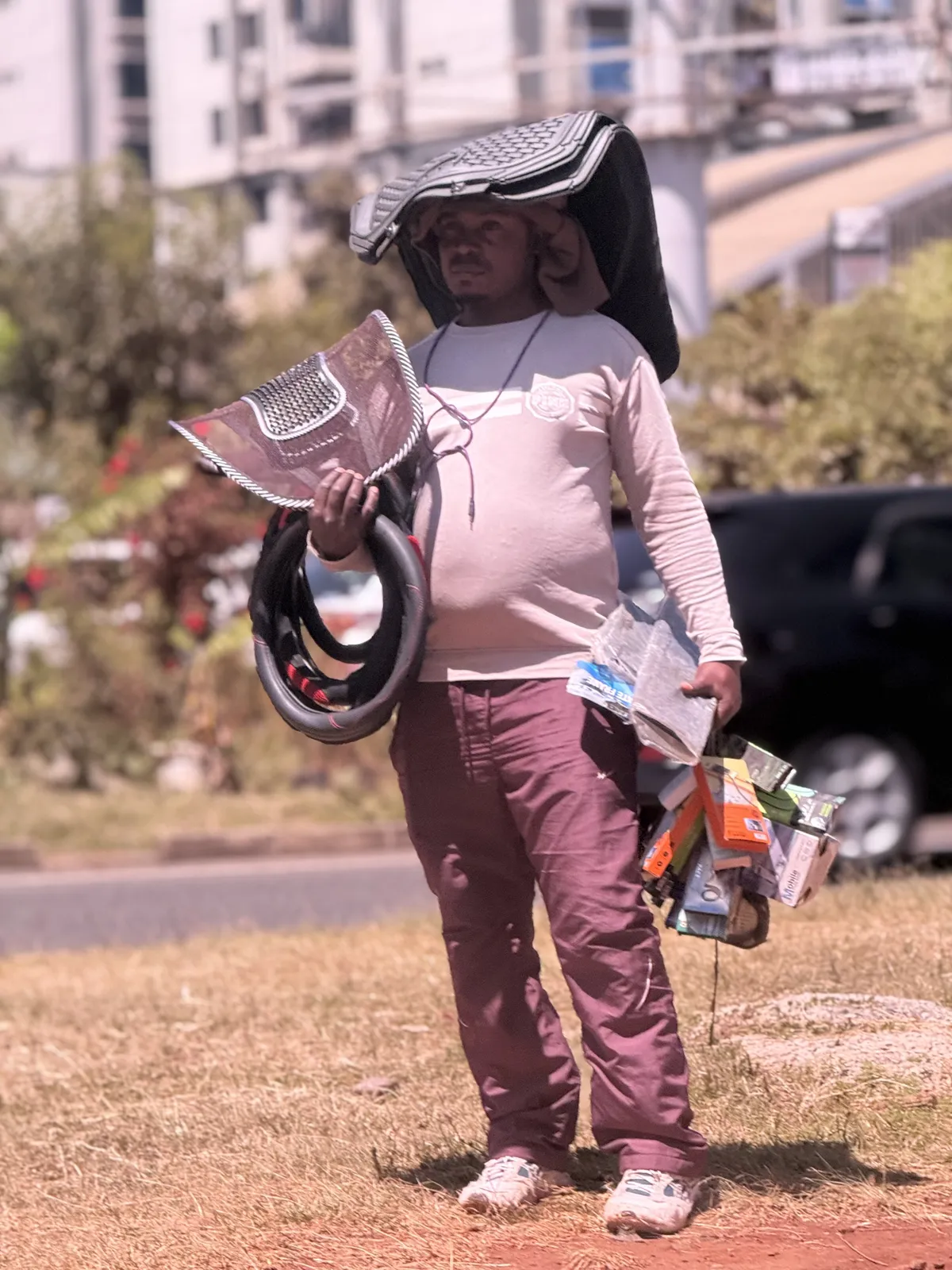
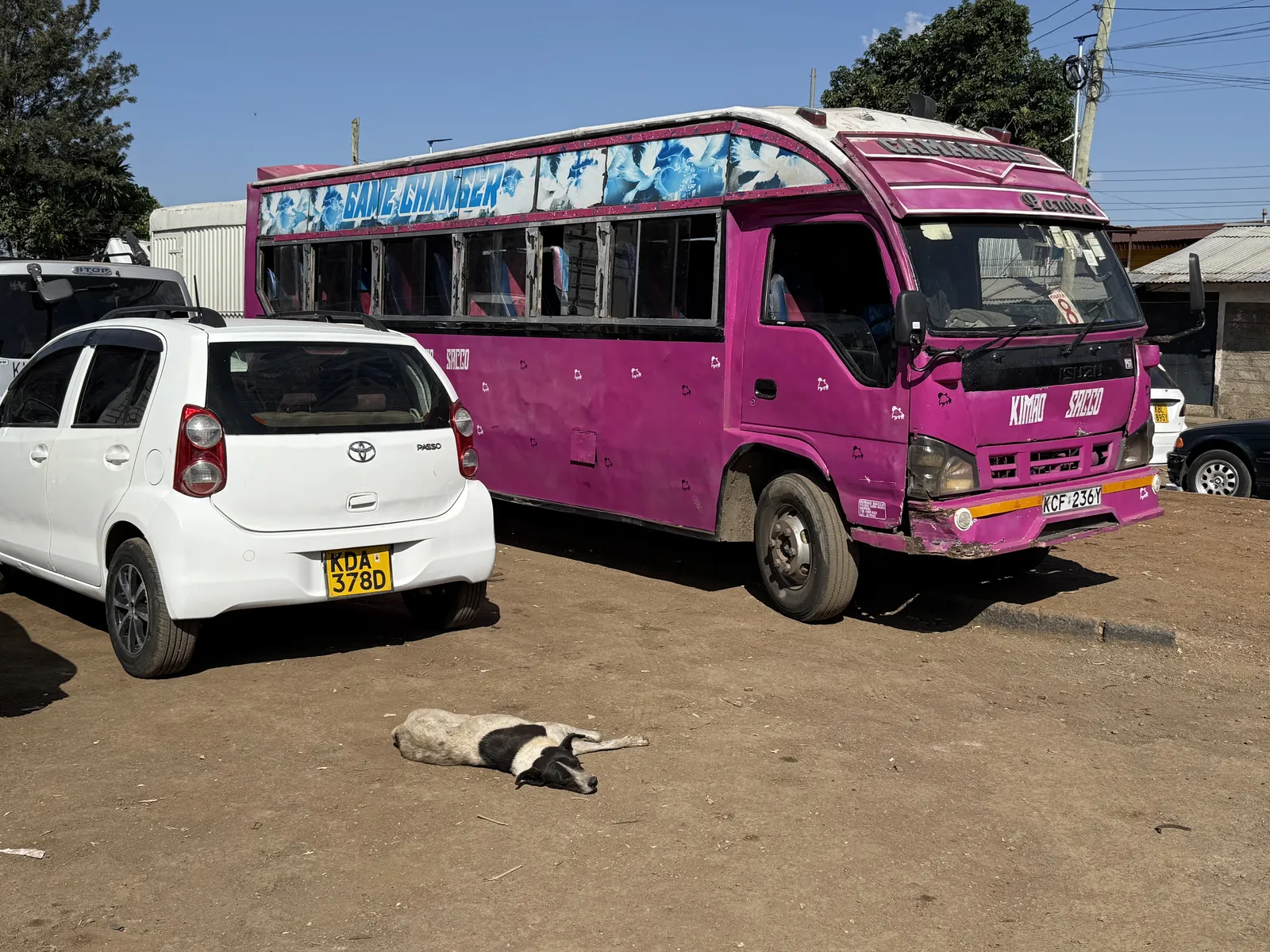
After the market we had a quick lunch in town. Even a short drive through Nairobi is an experience: street vendors carry whole shops on their heads, and the matatus – private minibuses – are painted with graffiti, football stars and rappers and play music so loud you hear them before you see them. One fun surprise for us Croatians: all over Kenya people know Luka Modrić, and we even saw people wearing his jersey.


Afternoon: Kibera – only with a local guide
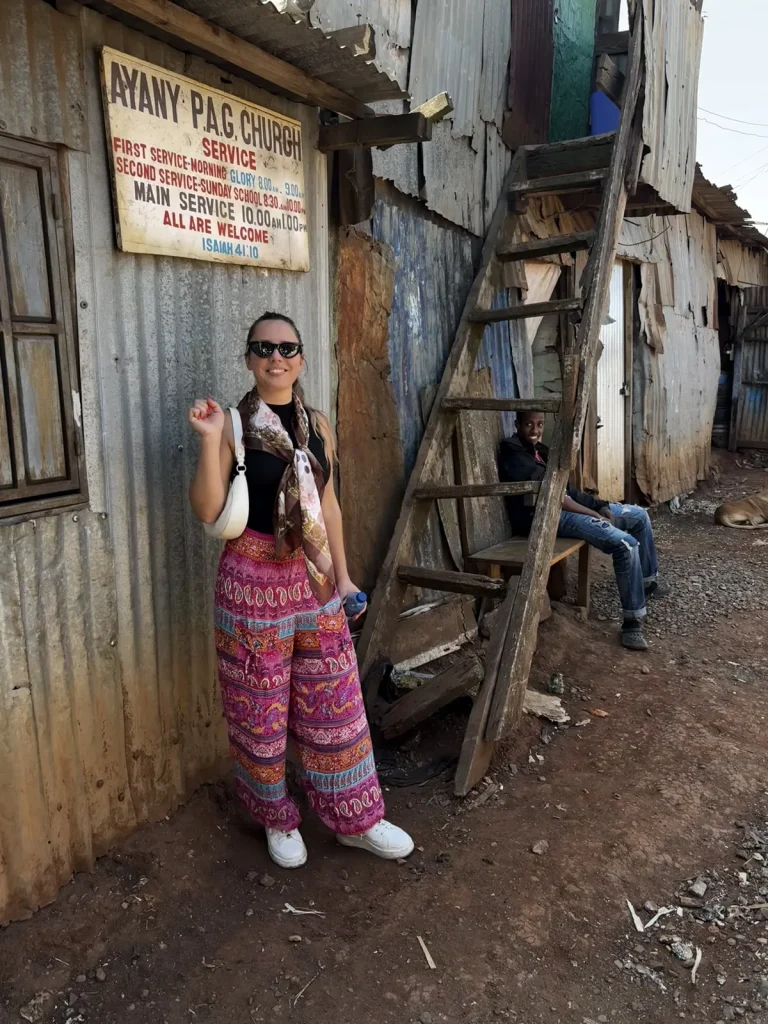
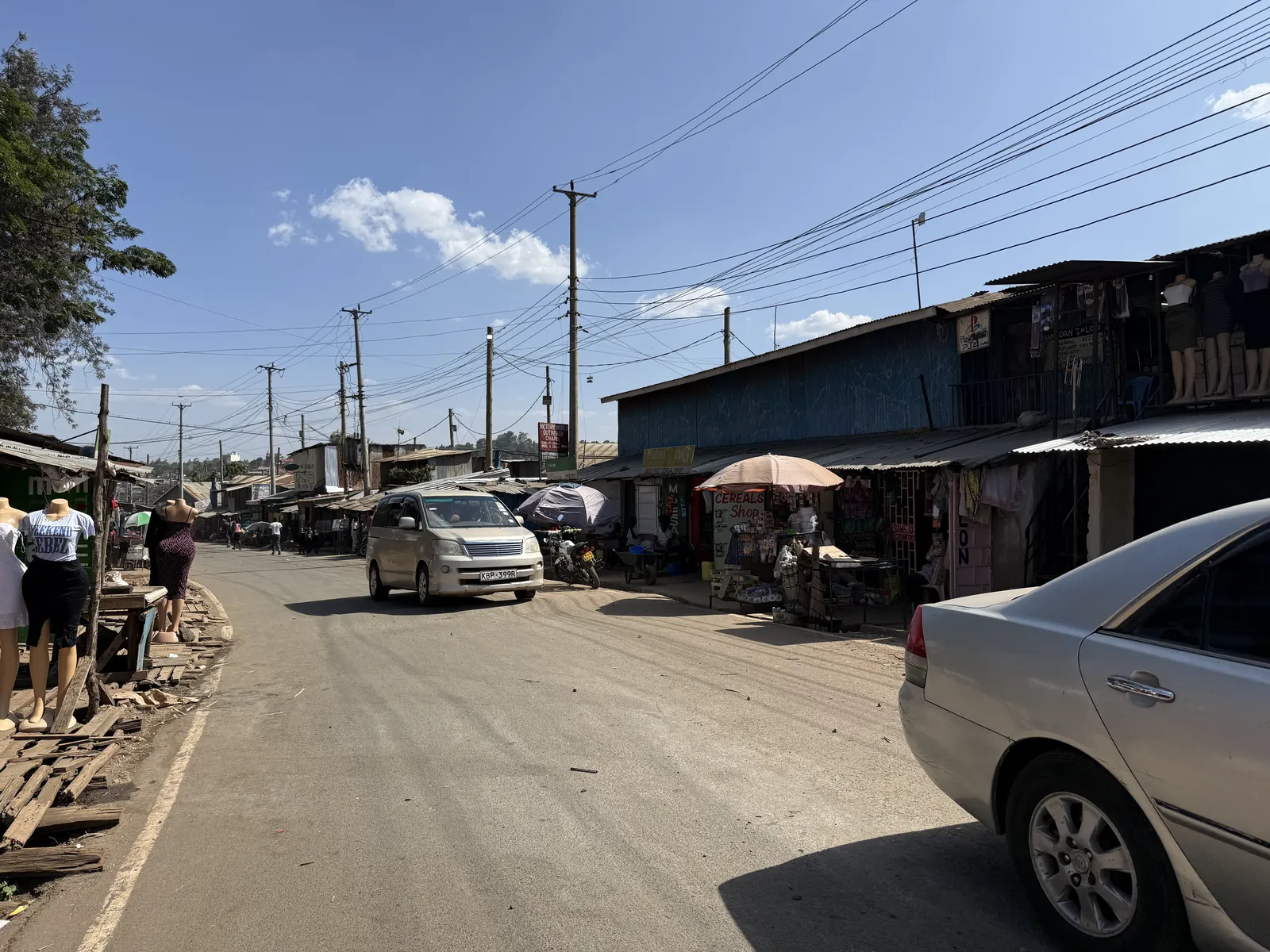
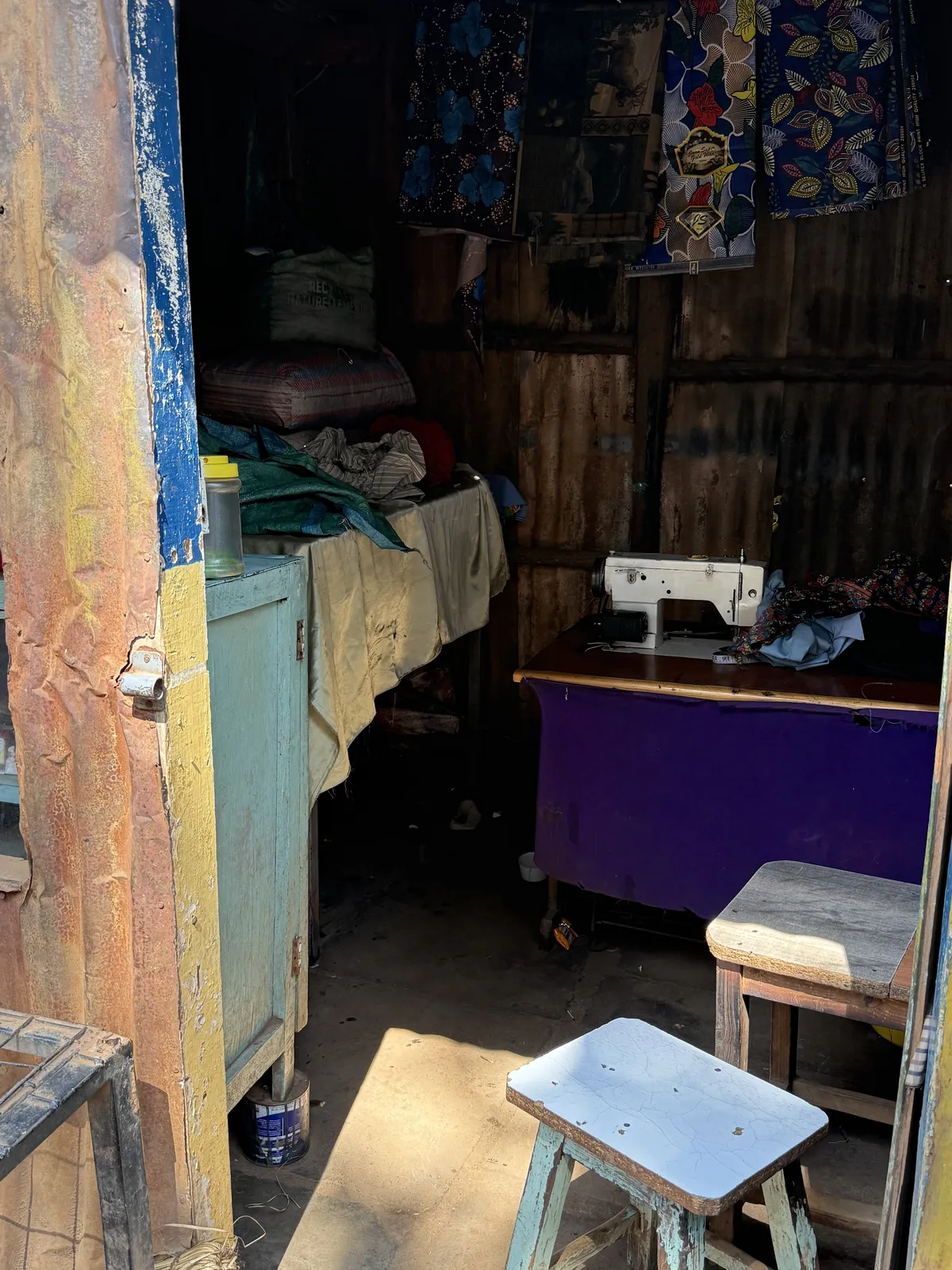
In the afternoon we met a local guide and spent about two hours in Kibera, Kenya’s biggest informal settlement. We walked through the markets and narrow alleys, past tailors, food stalls and salons, and then visited a small school. Sitting in that classroom with the children was the most beautiful moment of our whole trip – I cried. It is not an easy place to see, but it showed me the Nairobi most visitors never meet. My full Kibera guide explains how people live there and how to visit respectfully.


Day 2: Wildlife day in Lang’ata and Karen
Area: the south-west edge of the city. All of today’s stops are close to each other, so this is the easiest day to plan – book a driver for the whole day or use ride apps between stops.
We only did the Giraffe Centre (on our last day, after the safari), so the rest of this day is my recommendation based on the official visitor information – it is the classic Nairobi wildlife day and the one I would do next time.
| Time | Stop | Good to know |
|---|---|---|
| 06:30 | Nairobi National Park game drive | The only national park on the edge of a capital city – lions, rhinos, giraffes and buffalo with the skyline behind. Early morning is best for animals. |
| 10:30 | Arrive at the KWS Mbagathi Gate | Sheldrick asks visitors to be there by 10:30 – the 11:00 visit can’t be delayed or extended. |
| 11:00–12:00 | Sheldrick Wildlife Trust elephant orphanage | Watch the keepers bottle-feed baby elephants. Advance booking only – no same-day visits. |
| 12:30 | Lunch in Karen | Leafy suburb with garden cafés and restaurants. |
| 14:00 | Giraffe Centre | Feed endangered Rothschild’s giraffes from a raised platform. Open 9:00–17:00. |
| 15:30 | Karen Blixen Museum | The farmhouse of the Out of Africa author, with a garden and views of the Ngong Hills. |
Nairobi National Park at sunrise
Just a few kilometres from the city centre, this park is home to lions, buffalo, zebras, giraffes and an important rhino sanctuary. Go as early as you can, when the animals are most active and the light is soft. You need a vehicle – most people book a driver-guide for the morning. Park fees are paid online through eCitizen, so have a card ready.
Sheldrick elephant orphanage
The Sheldrick Wildlife Trust rescues orphaned elephants and rhinos and raises them until they can return to the wild. The public visit runs every day from 11:00 to 12:00 (except 25 December), and you watch the keepers feed the babies and play with them in the mud. Book by email directly with the Trust – bookings through third-party sites like Viator or GetYourGuide are not accepted, and same-day visits aren’t possible. The entry donation is paid in cash on the day.
Giraffe Centre
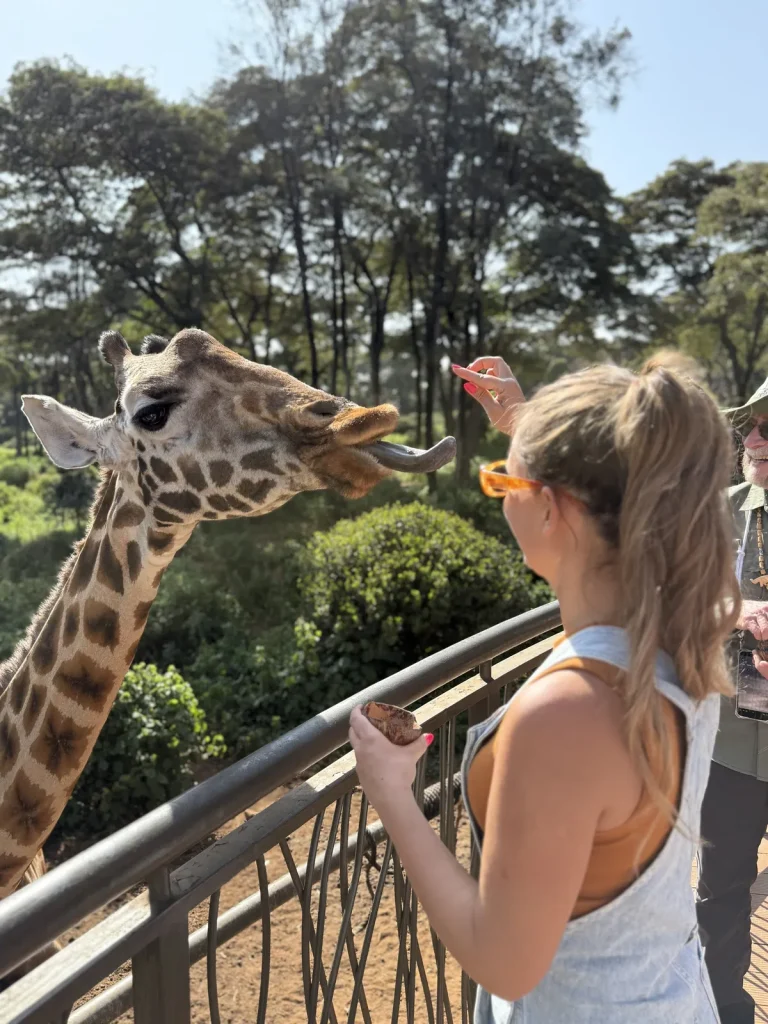
This is the one we did ourselves – and it was so much fun! At the Giraffe Centre in Lang’ata you feed endangered Rothschild’s giraffes at eye level from a raised platform, and they gently take the pellets from your hand with their long tongues. It is open daily from 9:00 to 17:00 and accepts M-Pesa, Visa and Mastercard.


Karen Blixen Museum
A short drive from the Giraffe Centre, the Karen Blixen Museum is the farmhouse where the Danish author of Out of Africa lived. It is a calm way to end a busy day: walk through the house, sit in the garden and look out towards the Ngong Hills.
Day 3: Museums, Maasai Market and a night out
Area: city centre, Museum Hill and Westlands. A slower day after the early start – and the best evening of the trip.
Morning: Nairobi National Museum and Snake Park
On Museum Hill, the Nairobi National Museum is a good introduction to Kenya’s history, cultures and nature, and the Snake Park is right next to it. (We didn’t visit it ourselves – it is on my list for next time.)
Afternoon: Maasai Market and souvenirs
The Maasai Market is the place for beaded jewellery, carvings, kikoi fabrics and paintings – but it moves. It pops up at different places on different days of the week, in malls and the city centre, so ask your hotel where it is on the day you are free. Use the haggling tips from day 1, and be aware that some people offer to “help” you shop and then take a commission from the sellers.
Evening: ćevapi and Nairobi nightlife
Here’s something I never expected: in the centre of Nairobi there is a restaurant run by a man from the Balkans! On our last evening we went there for ćevapi, chatted with him in our own language – a little piece of home in the middle of Africa – and then continued to a night out.
And the nightlife was amazing – maybe even more of a party than at home. The atmosphere is relaxed, people dance and have fun, and the clubs were good. Most of the action is in Westlands, where clubs, bars, rooftops and restaurants are close together. Weekends are busiest late in the evening, and Thursday is a big night out too. Dress smart-casual, go out in a group and always take Uber or Bolt at night, even for short distances.

Nairobi costs: entry fees for this itinerary
Prices for non-resident visitors, checked November 2026 on the official websites. Fees change often in Kenya, so check again before you go.
| Sight | Adult | Child | How to pay |
|---|---|---|---|
| Nairobi National Park (KWS) | US$80 per day (Oct 2025 schedule – check) | US$40 | Online via eCitizen |
| Sheldrick elephant orphanage | US$20 (12+) | US$5 (under 12) | Cash on the day; book in advance |
| Giraffe Centre | KSh 1,500 | KSh 750 (3–12) | M-Pesa, Visa, Mastercard |
| Karen Blixen Museum | US$17 | US$8 | At the museum |
| Nairobi National Museum | US$18 | US$9 | At the museum |
| Snake Park | US$18 | US$9 | At the museum |
Good to know: the new KWS fee schedule from October 2025 was suspended by the High Court on 1 October 2025 while a case by the Kenya Tourism Federation was heard, so check the current Nairobi National Park fee on the KWS website or eCitizen before your visit. The museum fees above apply from 7 May 2026. Walking tours of Kibera with a local guide usually cost around US$35–90 per person, depending on the group and the project.
Where to stay in Nairobi for 3 days
- Westlands – the best base for most visitors: restaurants, malls and the main nightlife area, and an easy ride to the city centre.
- Karen and Lang’ata – green and calm, right next to the Giraffe Centre, the Sheldrick orphanage and Nairobi National Park. Great for day 2, further from the nightlife.
- City centre (CBD) – handy for a short stay and museums, but quieter and less pleasant to walk around after dark.
Getting around Nairobi
- Uber and Bolt are the easiest way to move around. Compare both apps – prices can differ.
- Hire a driver for day 2: Nairobi National Park needs a vehicle, and having one driver for the whole wildlife day saves time.
- Traffic is heavy. Plan one area per half-day and avoid crossing the city at rush hour.
- Buy a Safaricom SIM at the airport – it has the best coverage, and M-Pesa makes paying easy.
Safety tips for Nairobi
- Keep your phone out of sight in the street and in traffic jams, and close car windows.
- Don’t walk around at night – take a car even for short distances.
- Leave your passport and big cash in the hotel safe and carry small notes for markets and tips.
- Ignore “sad stories” and unsolicited offers near tourist sites – a polite “no, asante” and walking on works best.
- Never pay strangers in the street for a “cheap safari” – book with a checked agency.
- Visit Kibera only with a local guide – read my Kibera guide first.
Staying longer? Add a safari
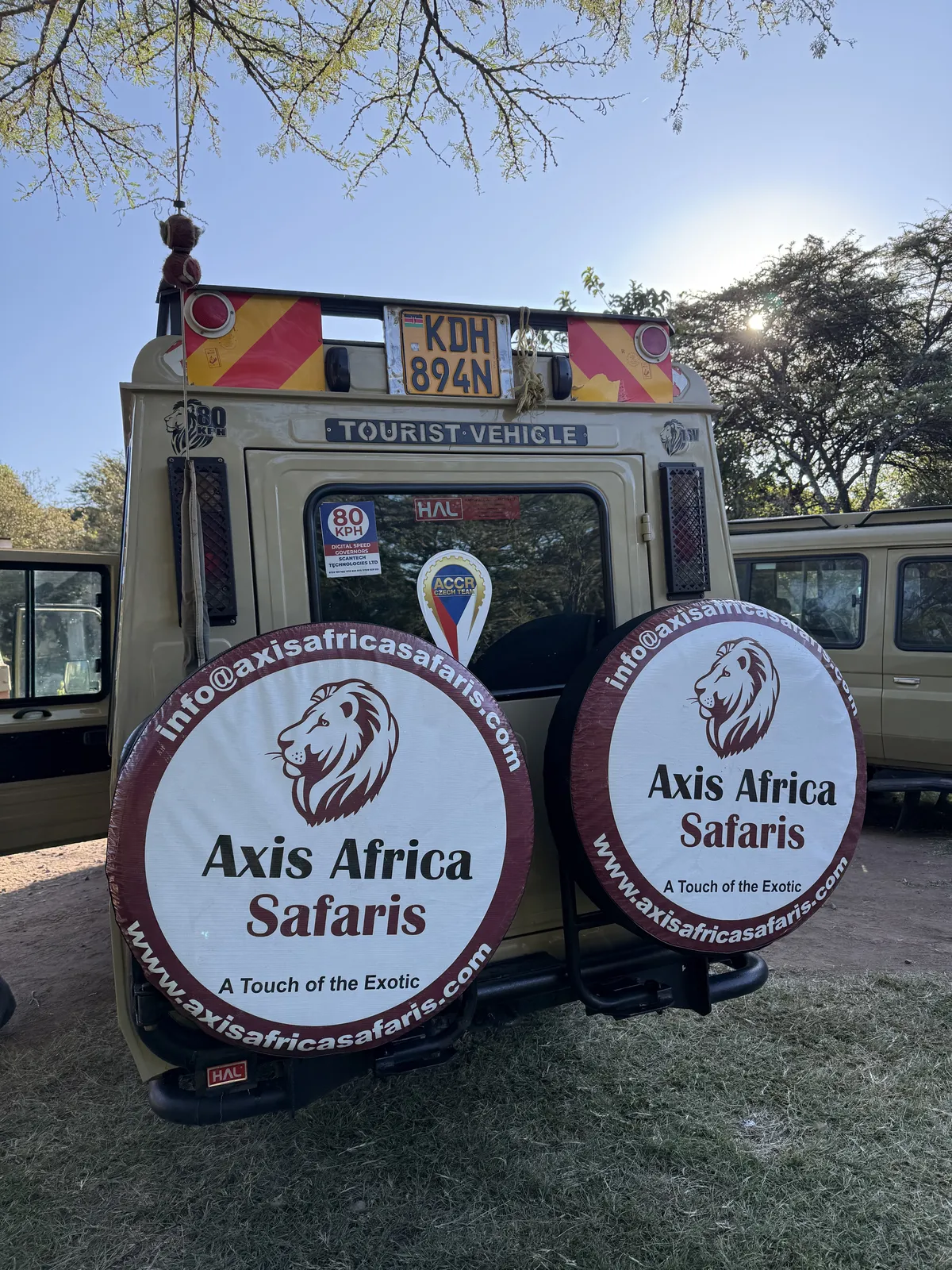
From Nairobi we continued to our safari, which we booked with a local agency in Kenya – Axis Africa Safaris. It was cheaper and more flexible than booking from home, and yes, you can haggle there too. If you have more time, my 4-day Nairobi itinerary adds a day trip, my 7-day plan adds the Masai Mara, and the 10-day plan adds the coast. For visas, budgets and the best time to go, see my Kenya travel guide.
3 days in Nairobi FAQ
Is 3 days in Nairobi enough?
Yes, for the city itself. Three days covers markets and city life, the wildlife sights in Lang’ata and Karen (Nairobi National Park, the Sheldrick elephant orphanage and the Giraffe Centre) and a night out in Westlands. For a safari in the Masai Mara you need extra days.
What is the best area to stay in Nairobi?
Westlands is the best base for most visitors because of its restaurants and nightlife. Karen and Lang’ata are greener and closer to the wildlife sights. Choose a hotel near what you plan to do, because traffic is heavy.
Do I need to book the Sheldrick elephant orphanage?
Yes. Visits are by advance booking only, directly with the Sheldrick Wildlife Trust, and same-day visits are not possible. The public visit runs from 11:00 to 12:00. In November 2026 the entry donation was US$20 for adults and US$5 for children under 12, paid in cash on the day.
How much is the Giraffe Centre in Nairobi?
In November 2026 the Giraffe Centre listed KSh 1,500 for non-resident adults and KSh 750 for children aged 3 to 12. It is open daily from 9:00 to 17:00 and accepts M-Pesa, Visa and Mastercard.
Can I visit Kibera on my own?
No. Kibera is really dangerous to explore alone – the alleys are a maze and visitors stand out. Always go with a local guide who lives there or works with a community project, and ask before taking photos.
Is Nairobi safe for tourists?
Nairobi is safe for most visitors who take precautions: use Uber or Bolt instead of walking at night, keep your phone out of sight and stay alert in crowded areas and markets.
How do I get around Nairobi?
Use Uber or Bolt for most trips and hire a driver for the national park. Traffic is heavy, so plan one area per half-day and avoid rush hour.

Miki Kokica
Travel blogger behind One Day Itinerary. I test every route myself and write honest, practical guides so you can make the most of a single day anywhere.
Work with me Instagram