Every time I tell friends that some of my favourite days in Greece were spent at a lake, they look at me like I’ve lost it. Greece means islands and sea, right? But once you leave the coast, the country changes completely: pelicans on the water in the far north, a mountain lake with a dragon legend, a lake-island with a pasha’s last hideout, and a warm thermal lake right on the Athens Riviera. The best lakes in Greece are also where you escape the summer crowds and the heat.
Below are the ten I think are worth planning a day around, from easy swims near Athens and Crete to the wetlands of Macedonia and the mountains of Epirus. For each one I’ve added how to get there, what it costs, if you can swim and when I’d go. Prices come from official or operator pages and were checked in November 2026. Several of these lakes need a car, so I’ve flagged that too.
Lakes in Greece at a glance
| Lake | Region | Size / altitude | How to get there | Entry fee* | Swimming? | Best time |
|---|---|---|---|---|---|---|
| Vouliagmeni | Athens Riviera, Attica | Small, cave-fed | Metro line 2 to Elliniko, then bus 122 | €17–19 | Yes, all year | May to October |
| Kournas | Chania, Crete | Max depth 22.5 m | Car via Georgioupoli | None listed | Yes | June to September |
| Plastiras | Karditsa, Thessaly | 24 km², 792 m | Car, 35 km from Karditsa | None listed | Yes, at Pezoula and Lamperou | Summer, autumn |
| Kerkini | Serres, Macedonia | 54–72 km² | Car, about 1.5 h from Thessaloniki | Boat trip €10–20 | Not a swimming lake | All year, best in winter for birds |
| Prespa | Florina, Macedonia | Small Prespa 47 km², Great Prespa 272 km² | Car only | None listed | Check locally | Spring to autumn |
| Orestiada | Kastoria, Macedonia | 28 km², 630 m | Car or bus to Kastoria | Dragon’s Cave: check | No | All year |
| Pamvotida | Ioannina, Epirus | 19.4 km², 470 m | Walk from Ioannina centre | Island boat: check | No | Spring, autumn |
| Drakolimni Tymfi | Zagori, Epirus | 2,050 m | Hike from Mikro Papigo | None | Check before you go | June to October |
| Doxa | Corinthia, Peloponnese | 0.5 km², 900 m | Car via Feneos | None listed | Check locally | Spring, autumn |
| Tsivlou | Achaia, Peloponnese | About 750 m | Car, 1 h 30 min from Patras | None listed | Check locally | Spring, autumn |
*Adult prices from official or operator pages (checked November 2026). Vouliagmeni prices are the 2026 weekday and weekend rates. “None listed” means I found no entry fee for the lakeshore itself.
1. Lake Vouliagmeni, a warm swim on the Athens Riviera
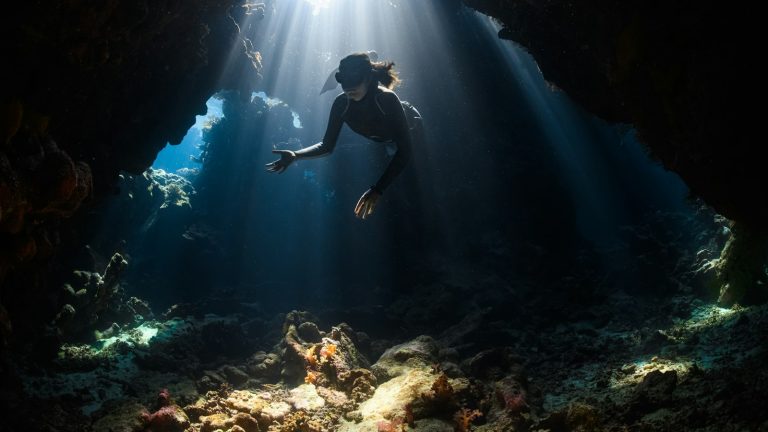
If you only add one lake to a trip to Athens, make it this one. Vouliagmeni is a brackish lake under a limestone cliff, fed by warm water through an underwater cave that has never been fully explored. Visit Greece says the water stays between 21°C and 29°C all year, which is why you’ll see locals swimming here in winter. It feels like a natural spa, with sunbeds on a deck, parasols and a lakeside restaurant.
It’s run as a private concession (the same company since 1992), so it’s not wild, and in summer it’s busy. I still think it’s worth it, especially on a day when the sea feels too cold or too rough.
- How to get there: from Syntagma take Metro line 2 towards Elliniko, then bus 122 to the stop called “Limni”. The Athens tourism site estimates about 55 minutes in total. By car or taxi it’s an easy drive down the coast road.
- Fee: adults €17 on weekdays and €19 at weekends and on public holidays; children 6–12 pay €14 (€17 at weekends); under-5s go free (2026 prices, checked November 2026). Cabana beds and private areas cost extra.
- Swimming: yes, from the main deck, no reservation needed.
- Opening hours: they change with the season, so check the official site before you go.
- Good to know: the lake is a protected natural monument and part of Natura 2000, so treat it like a nature site, not a pool.
Pair it with a day in Athens. Tickets and upgrades are on the official Lake Vouliagmeni website.
2. Lake Kournas, Crete’s only freshwater lake
Kournas is the only natural freshwater lake in Crete, and it’s a lovely change from salt water. It sits in a green bowl of hills about 2.5 km from the sea and 4 km from Georgioupoli, between Chania and Rethymno. In summer the water drops and small sandy beaches appear in front of the cafés, so you can just wade in. Locals used to say it was bottomless; it’s actually about 22.5 m at its deepest.
- How to get there: it’s about 43 km east of Chania and 20 km west of Rethymno, off the national road via Georgioupoli. A car is easiest.
- Fee: no entry fee is listed. You pay for pedal boats, kayaks and drinks.
- Swimming: yes, from the sandy shore in summer.
- Best time: June to September, when the beaches appear and you can walk the 3.5 km loop around the lake. In winter and spring the water is high and the loop isn’t possible.
- Good to know: the lake is a Natura 2000 site with Balkan terrapins. Look for them near the reeds and don’t feed them. Afternoons are usually the calmest time to paddle.
Kournas is an easy half day from Chania or Rethymno, and you can finish at the sea in Georgioupoli. More swims on the island are in my guide to the best beaches in Crete.
3. Lake Plastiras, the mountain lake of Thessaly
Plastiras is a reservoir, but it doesn’t feel like one. The dam was built between 1955 and 1960, and the lake now covers about 24 km² at 792 m, surrounded by fir forest and the Agrafa mountains. It’s up to 12 km long, and a road loops around it through small villages, so it’s perfect for a slow drive with lots of stops. It reminded me more of the Alps than of Greece.
- How to get there: by car, 35 km from Karditsa, 235 km from Thessaloniki and 335 km from Athens.
- Fee: none listed for the lakeshore.
- Swimming: yes; Visit Greece names the Pezoula and Lamperou beaches. Every August there’s a swimming crossing of the lake.
- Things to do: canoe and hydro bike rental, horse riding, cycling on the shore road, paragliding from the hills, and a botanical garden near Neochori.
- Best time: summer for swimming, autumn for the colours. The Zigogianneika viewpoint near the dam, at 1,350 m, is the spot for the classic photo.
It’s a good detour on the way to or from Meteora and Trikala.
4. Lake Kerkini, pelicans and water buffalo
Kerkini is the lake I recommend to anyone who likes wildlife. It was created in 1932 with a dam on the Strymon river, rebuilt in the early 1980s, and its size changes through the year, between about 54 and 72 km². It’s a Ramsar wetland, and more than 200 bird species have been recorded here, including pelicans, cormorants and flamingos. There’s also a herd of water buffalo that wander along the shore, which is a surreal sight in Greece.
- How to get there: by car, about 98 km and 1.5 hours from Thessaloniki. Day tours from Thessaloniki also run.
- Boat trip: motorboat trips leave from the port at Kerkini village all year. One local operator lists 75 to 90 minutes from €20 per person, and a Thessaloniki tour lists a one-hour boat ride at €10 per person (checked November 2026).
- What you’ll see: from March to August the boats go into the flooded Prydatio forest in the Strymon delta to see nesting birds; in autumn and winter you get big groups of pelicans, flamingos and cormorants.
- Swimming: it’s a wetland reservoir, not a swimming lake. Come for the birds.
- Good to know: sightings aren’t guaranteed, and reviewers say some boats keep further from the birds than others. Ask before you book how close they go.
The nearest city is Serres, and it’s an easy day trip from Thessaloniki.
5. The Prespa Lakes, where three countries meet
Prespa is the most remote place on this list and the one that stayed with me longest. There are two lakes: Small Prespa (about 47 km²) and Great Prespa (about 272 km²), shared by Greece, Albania and North Macedonia. Small Prespa has what the regional tourism board calls the world’s largest colony of Dalmatian pelicans, and the area was protected as a Ramsar wetland back in 1973.
The highlight for most people is the 630 m pedestrian bridge across Small Prespa to the islet of Agios Achillios, with the ruins of a 10th-century basilica and a tiny village. On Great Prespa, small wooden boats leave from Psarades to the hermitages and rock paintings along the shore, which date from the 14th to 16th centuries.
- How to get there: by car only, in the far northwest of Greece in the Florina region. Plan to stay at least one night.
- Fee: no entry fee for the lakes or the bridge is listed. Boat trips from Psarades are paid; agree the price at the harbour.
- Swimming: check locally. This is a protected wetland, and I’d rather walk and take the boat.
- Best time: spring to autumn. Pelicans are easy to see over the water and circling on thermals in the warmer months.
- Good to know: Agios Germanos has a Byzantine church and an old watermill, and the area is famous for its beans, grown by the lake at about 900 m.
Combine it with Kastoria (below) for a western Macedonia loop. For more lakes across the continent, see my most beautiful lakes in Europe guide.
6. Lake Orestiada, Kastoria
Kastoria is a town built on a peninsula that pushes into Lake Orestiada, so the lake is always around you. The lake covers about 28 km² at 630 m, with a 34 km shoreline, and it’s shallow, about 9 m at the deepest. The road around the peninsula is lovely for a walk or a bike ride, past old mansions, Byzantine churches and fishermen’s boats. More than 200 bird species have been recorded, and it’s the biggest breeding site for mute swans in Greece, so expect swans right by the promenade.
- How to get there: by car or long-distance bus to Kastoria; the lake starts at the edge of town.
- Dragon’s Cave: a show cave on the lakeshore with seven small underground lakes and a guided route of about 300 m. The most recent prices I found are from 2021, so check before you go. Listings say it’s closed on Mondays.
- Swimming: no; it’s a town lake, best for walking and boat rides.
- Best time: all year. Autumn and winter mornings with mist over the water are the most atmospheric.
7. Lake Pamvotida and Ioannina island
Lake Pamvotida is right on the edge of Ioannina, the capital of Epirus, so you get a lake day without a car. It covers about 19.4 km² at 470 m. The best part is the small inhabited island in the middle, with no road traffic, old monasteries with frescoes and a little museum in the Panteleimon Monastery, where Ali Pasha was killed in 1822. You can still see the bullet holes in the floor.
- How to get there: boats leave from the lakeside below the castle. A 2022 article says they run every 30 minutes and take about 15 minutes.
- Fee: the boat and the museum are paid separately; I couldn’t find current prices, so check before you go.
- The walk: a full loop of the island, past the monasteries, is about 2.5 km.
- Swimming: no; this is a lake for walking, boat rides and fish tavernas.
- Best time: spring and autumn, when Epirus is green and not too hot.
My one day in Ioannina guide covers the castle and old town. Ioannina is also the base for the Zagori villages and the dragon lake below.
8. Drakolimni Tymfi, the dragon lake
This is the lake you work for. Drakolimni sits at 2,050 m on Mount Tymfi in the Pindus range, in Vikos-Aoos National Park. Legend says two dragons, one here and one on Mount Smolikas, threw boulders at each other, which explains the white stones on dark ground around the shore. The real residents are alpine newts, small amphibians that look like tiny dragons.
- How to get there: the classic trail starts in Mikro Papigo. It’s about 8.4 km each way and climbs more than 1,000 m, from 970 m to 2,050 m.
- Time: allow 4 to 5 hours up and about 10 hours for the round trip. It’s rated difficult, not for beginners.
- Refuge: the Astraka refuge, at about 1,950 m, is roughly halfway and about an hour from the lake. It’s listed as open daily from May to the end of October, but check before you go. Many people sleep there and see the lake at sunrise.
- Fee: none for the trail.
- Swimming: the newts live in the lake, so check the park rules and leave the water alone.
- Best time: June to October. There can be snow up high into late spring.
Base yourself in Papigo or Ioannina. Guided hikes are a good idea if you’ve never done a big mountain day.
9. Lake Doxa, the little Switzerland of Corinthia
Lake Doxa is small, about 0.5 km² and 1.5 km long, but it’s one of the prettiest places in the Peloponnese mountains. It’s a reservoir finished in the late 1990s at about 900 m, with pine forest down to the water and the little chapel of Agios Fanourios on a strip of land in the lake. Above it, the monastery of Agios Georgios Feneou sits on a wooded hill, and the monks sell a rose-petal preserve.
- How to get there: by car through the Feneos plateau and the villages of Goura and Feneos.
- Fee: none listed.
- Things to do: walk, jog or cycle the lane that circles the lake, rent a pedal boat, and buy Feneos beans and lentils from the stalls by the shore.
- Swimming: the tourism board doesn’t mention it, so check locally.
- Best time: spring and autumn. Weekends get busy with day-trippers from the cities.
10. Lake Tsivlou, Greece’s youngest natural lake
Tsivlou was born from a disaster. In March 1913, after a very harsh winter, a landslide blocked the Krathis river and a lake formed at about 750 m on the slopes of Mount Helmos. At first it was 77 m deep. Today it’s a calm green lake in the forest, with a walk around the shore and canoes on the water.
- How to get there: by car, about 94 km and 1 h 30 min from Patras, and 10 km from the village of Zarouchla.
- Fee: none listed.
- Things to do: walking around the lake, cycling and canoeing.
- Swimming: check locally.
- Good to know: combine it with Kalavryta and the Vouraikos Gorge for a full day in the mountains.
Use Patras as a base. Waterfalls near here and around Greece are in my best waterfalls in Greece guide.
How to combine the lakes of Greece
Greek lakes are spread out, and most of them need a car. I’d group them like this:
- Athens (half a day): Lake Vouliagmeni on its own, or with an afternoon on the Riviera beaches. No car needed.
- Crete (half a day): Kournas from Chania or Rethymno, then a swim in the sea at Georgioupoli.
- Northern Greece (3 to 4 days): Thessaloniki → Lake Kerkini (boat trip in the morning) → drive west to Kastoria → Prespa for a night → back via Kozani.
- Epirus (2 to 3 days): Ioannina and the island → Zagori villages → the Drakolimni hike with a night at the refuge.
- Central Greece and the Peloponnese: Lake Plastiras fits a Meteora trip; Doxa and Tsivlou work as a mountain day from Patras or on a Peloponnese road trip.
All my one-day city guides are on the Greece travel guide page, including the smaller towns near these lakes.
Best time to visit lakes in Greece
For swimming, June to September is the season at Vouliagmeni, Kournas and Plastiras, and Vouliagmeni works all year thanks to its warm water. For the mountain lakes, plan for June to October: Drakolimni is above 2,000 m and the refuge on the way runs from May to October. For birds, Kerkini and Prespa are good in every season, but Kerkini’s autumn and winter route has the big flocks of pelicans and flamingos.
My favourite time overall is late September and October: still warm enough for a swim in the south, quiet in the north, and the forests around Plastiras, Doxa and Tsivlou turn gold. If you’re planning for 2027, July and August are the busiest months at the lakes near Athens and Crete.
What to pack
- Swimwear and water shoes for Kournas and Vouliagmeni
- Proper hiking boots, layers and a rain jacket for Drakolimni, even in summer
- Binoculars for Kerkini and Prespa
- Cash for boat trips and village tavernas, which don’t always take cards
- Mosquito repellent for the wetlands on summer evenings
Safety at Greek lakes
- Start the Drakolimni hike early, carry enough water (the taps on the trail don’t run in every season) and turn back if the weather changes
- Keep your distance from nesting birds at Kerkini and Prespa, and follow the boatman’s instructions
- Don’t swim where locals don’t, especially in protected wetlands and town lakes
- Mountain roads to Plastiras, Doxa and Tsivlou are narrow and winding; avoid driving them after dark
Insider tips from travellers
- At Vouliagmeni, go on a weekday: it’s €2 cheaper than at weekends, and travellers say it’s noticeably calmer. Parasols are closed on very windy days, so bring a hat.
- At Kerkini, people who loved it say the same thing: ask the boat operator how close they go to the birds before paying.
- For Drakolimni, hikers recommend sleeping at the Astraka refuge and walking to the lake for sunrise, when the water is still.
- At Kournas, go late afternoon for calmer water and fewer tour buses.
Heading further? See my guides to the best lakes in Serbia and the best beaches in Greece for the sea side of the country.
Greece lakes FAQ
What is the most beautiful lake in Greece?
It depends on what you like. Drakolimni Tymfi is the most dramatic, at 2,050 m in the Pindus mountains, while the Prespa Lakes are the most special for wildlife. For an easy visit, Lake Vouliagmeni near Athens and Lake Kournas on Crete are the favourites.
Can you swim in lakes in Greece?
Yes, at several. Lake Vouliagmeni has warm water all year, Lake Kournas on Crete has sandy shores in summer, and Lake Plastiras has beaches at Pezoula and Lamperou. Wetlands like Kerkini and town lakes like Kastoria and Ioannina are not for swimming.
How much does Lake Vouliagmeni cost?
In 2026, adults paid €17 on weekdays and €19 at weekends and on public holidays. Children aged 6 to 12 paid €14 or €17, and under-5s entered free. Prices were checked in November 2026.
How do you get to Lake Vouliagmeni from Athens?
Take Metro line 2 to Elliniko, then bus 122 to the Limni stop. It takes about 55 minutes from Syntagma Square.
Is there a lake on Crete?
Yes. Lake Kournas is the only natural freshwater lake on Crete. It is about 43 km east of Chania and 20 km west of Rethymno, near Georgioupoli, and you can swim and rent pedal boats there.
Where can you see pelicans in Greece?
At Lake Kerkini near Serres and at the Prespa Lakes near Florina. Small Prespa has a very large Dalmatian pelican colony, and Kerkini has boat trips all year.
How hard is the hike to Drakolimni Tymfi?
It is a difficult hike: about 8.4 km each way from Mikro Papigo with more than 1,000 m of climbing. Allow 4 to 5 hours up, or split it with a night at the Astraka refuge.
Cover photo: C messier / Wikimedia Commons (CC0) (source)

Written by
Miki Kokica
Travel blogger behind One Day Itinerary. I test every route myself and share honest, practical guides so you can plan better trips in less time.
Work with me Instagram