Hi, I’m Miki! Croatia is home, and two weeks is exactly the amount of time I tell friends to give it on a first trip. With 14 days you can drive the whole country from the capital to the very south: Zagreb’s cafés, the waterfalls of Plitvice, the Venetian towns of Istria, Zadar’s sunsets, the moon-like island of Pag, Krka, Split and an island day, the Makarska Riviera, the oysters and vineyards of Pelješac and, at the end, Dubrovnik. No backtracking, no ‘where do we sleep tonight’ panic, and enough slow evenings to actually enjoy it.
This is the long version of the route on my Croatia travel guide. I’ve travelled every stop on it myself, from Zagreb and Plitvice to Istria, the islands and Dubrovnik, and my one-day guides to Dubrovnik, Zadar, Pag, Pelješac, Rovinj and Vukovar go into even more detail. Every ticket, ferry fare and opening time below comes from an official page I checked in November 2026, so you can plan your 2027 trip without guessing.
The 14-day Croatia itinerary in one table
This is a one-way road trip from north to south, about 1,100 km in total. It works just as well in reverse (fly into Dubrovnik, out of Zagreb). Driving times are realistic times without long stops – add an hour on summer weekends.
| Day | Route | Highlights | Drive | Sleep |
|---|---|---|---|---|
| 1 | Arrive in Zagreb | Upper Town, Dolac market, café culture, sunset at Strossmayer promenade | – | Zagreb |
| 2 | Zagreb + Samobor or Varaždin | Museums in the morning, kremšnita cake in Samobor or baroque Varaždin | 30 min / 1 h 15 each way | Zagreb |
| 3 | Zagreb → Karlovac / Rastoke → Plitvice | Rivers and mills, then the upper lakes in the soft late-afternoon light | 2–2.5 h | Plitvice |
| 4 | Plitvice → Istria | Lower lakes and the Great Waterfall at opening time, drive to the coast | 3 h | Rovinj |
| 5 | Rovinj | St Euphemia bell tower, old-town lanes, swim, sunset dinner | – | Rovinj |
| 6 | Pula & Vodnjan (or Poreč) | Roman amphitheatre, olive oil, Euphrasian Basilica option | 40 min each way | Rovinj |
| 7 | Motovun & Pazin → Zadar | Hill towns and truffles, then south to the Sea Organ at sunset | 3–3.5 h | Zadar |
| 8 | Zadar + Nin + Pag | Roman forum, Queen’s Beach in Nin, Pag town, Fortica viewpoint | 1 h to Pag | Zadar |
| 9 | Krka + Šibenik → Split | Skradinski buk waterfalls, St James Cathedral, St Michael’s Fortress | 2 h in total | Split |
| 10 | Split + Trogir | Diocletian’s Palace, Marjan hill, UNESCO Trogir | 30 min each way | Split |
| 11 | Island day | Hvar town by catamaran, or Bol on Brač, or a Blue Cave & Vis boat tour | boat | Split |
| 12 | Omiš → Makarska → Pelješac | Cetina canyon (zipline or rafting), Makarska beaches, Pelješac Bridge | 3 h in total | Orebić or Ston |
| 13 | Pelješac → Dubrovnik | Korčula hop or Orebić morning, Plavac Mali wine, Ston walls & oysters | 1.5–2 h | Dubrovnik |
| 14 | Dubrovnik | City walls at 8 am, Lokrum or Cavtat, cable car at sunset – fly home | – | Dubrovnik / home |
Shorter trip? I also have a 3-day, 4-day, 5-day, 7-day and 10-day Croatia itinerary – the 10-day one is a faster version of this same route, from Istria down to Dubrovnik.
How this two-week route works
- Fly into Zagreb, out of Dubrovnik. Zagreb, Split and Dubrovnik have the most international flights. Flying open-jaw saves you a full day of driving back north.
- Hire a car for days 3–13. You don’t need one in Zagreb or Dubrovnik, but Plitvice, Istria, Pag, Krka and Pelješac are far easier with your own wheels. Pick it up on the morning of day 3 and drop it in Dubrovnik on day 13. One-way rentals within Croatia are common, but most companies add a one-way fee – compare it when you book.
- Seven bases, not fourteen. Zagreb (2 nights), Plitvice (1), Rovinj (3), Zadar (2), Split (3), Pelješac (1) and Dubrovnik (1–2). That means only six check-outs in two weeks.
- Islands as day trips. Taking a rental car on island ferries in summer means queues and pre-booking. On this route the car stays parked in Split and you hop on a fast catamaran.
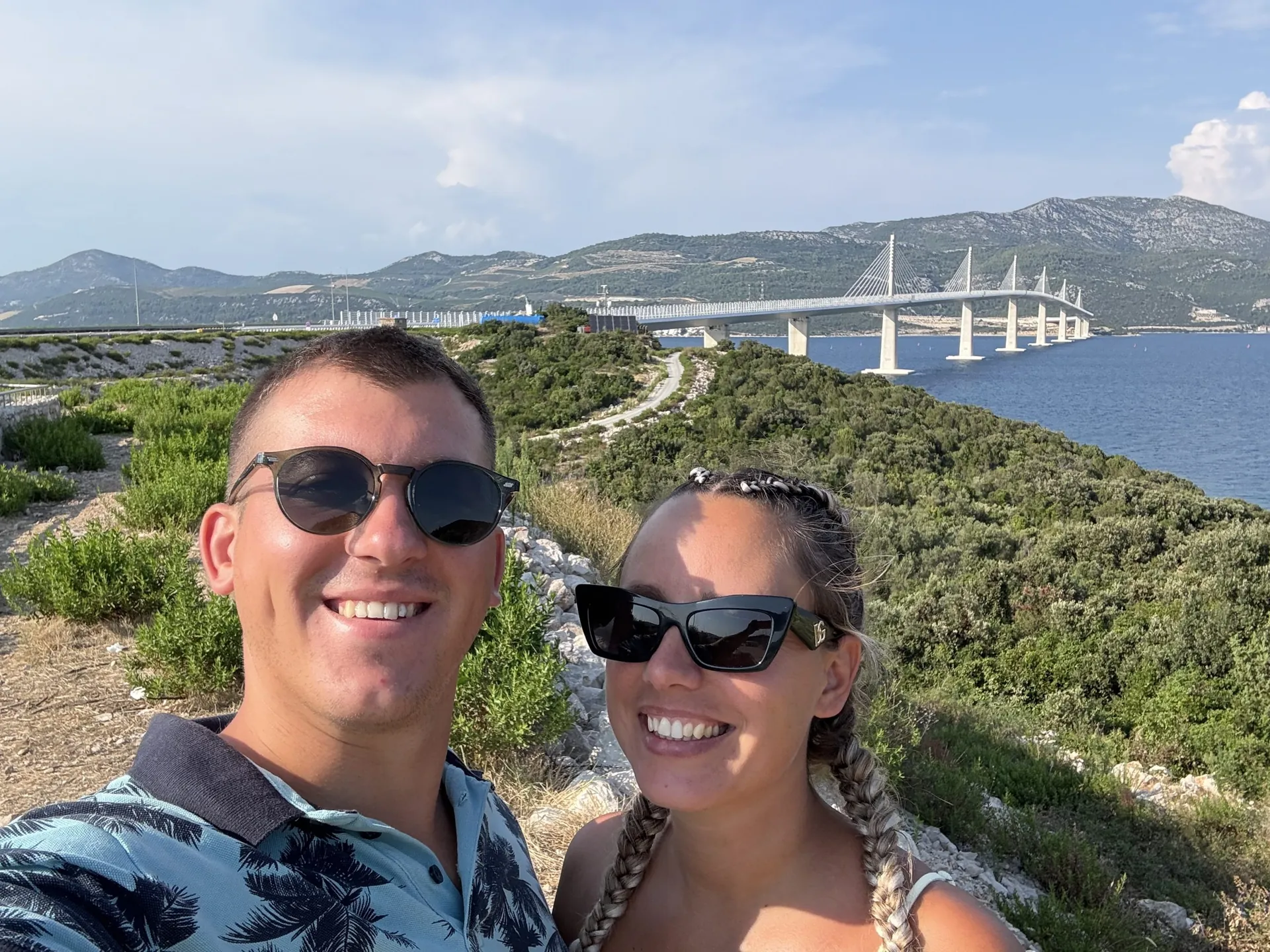
- Pelješac Bridge, not Neum. Since 2022 you can drive Split–Dubrovnik without crossing into Bosnia and Herzegovina – and the bridge viewpoint is one of my favourite stops in the whole country.
Days 1–2: Zagreb, the capital (and a day trip)
Most two-week itineraries skip Zagreb or give it a rushed afternoon. Don’t. It’s the place to land, sleep off the flight and get a feel for everyday Croatia before the coast – coffee culture here is a sport, and prices are lower than in Split or Dubrovnik.
Day 1: arrive and wander the Upper Town
- Afternoon: drop your bags and walk up from Ban Jelačić Square to the Upper Town (Gornji grad) – St Mark’s Church with its tiled roof, the Stone Gate and the little lanes around them.
- Late afternoon: the Museum of Broken Relationships is small, funny and moving at the same time – the one museum in Zagreb I always recommend.
- Sunset: stroll the Strossmayer promenade for views over the red rooftops, then go down to Tkalčićeva street for dinner and drinks.
Day 2: Zagreb morning + Samobor or Varaždin
Spend the morning at Dolac market (it’s busiest before noon) and the cathedral, then pick one easy half-day escape:
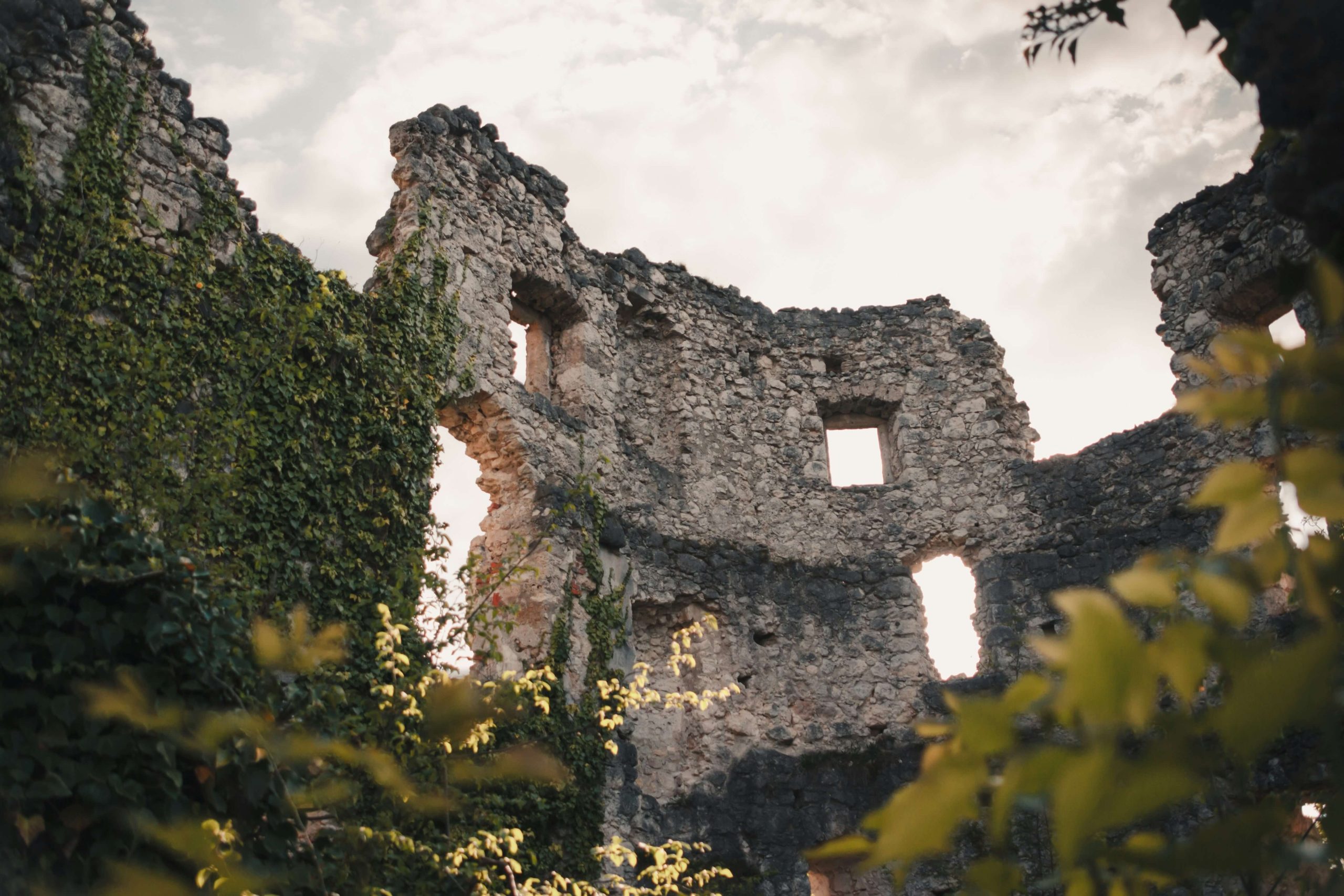
- Samobor (about 30 minutes west): a pretty little town famous for kremšnita custard cake, with an easy walk up to the ruined old castle. Perfect if you want something relaxed.
- Varaždin (about 1 h 15 north by car, or by train): Croatia’s baroque former capital with a fairytale white castle. In summer the Špancirfest street festival takes over the town (check the dates).
- Flying in or out from Zagreb airport? Velika Gorica sits right next to it.

Day 3: Rastoke and Plitvice Lakes (upper lakes)
Pick up the rental car and drive south. Break the trip in Karlovac, the star-shaped town of four rivers, or take the slightly slower road via Slunj to see Rastoke, a village of old water mills built on top of little waterfalls. Arrive at Plitvice Lakes National Park by early afternoon and check in nearby.
Here’s the trick that makes Plitvice wonderful instead of stressful: split your visit in two. Do the upper lakes from Entrance 2 in the late afternoon of day 3, when the day-trip coaches have left, and the lower lakes and the Great Waterfall from Entrance 1 at opening time on day 4. In summer the park’s own price list even makes the late slot cheaper – see the table below.
| Plitvice ticket (adult) | Jan–Mar, Nov–Dec | Apr–May, Oct | Jun–Sep |
|---|---|---|---|
| One day | €10 | €23 | €40 before 4 pm (Sep: 3 pm), €25 after |
| Two days | €15 | €39 | €60 |
| Students / children 7–18 (one day) | €6 / €4 | €14 / €6 | €25 / €15 (after 4 pm €15 / €9) |
Official 2026 prices from the Plitvice price list (checked November 2026); under-7s are free. The ticket includes the electric boat and panoramic train. Buy online at ticketing.np-plitvicka-jezera.hr – online tickets are tied to the entrance you choose, so pick Entrance 2 for the afternoon and Entrance 1 for the morning (or buy one two-day ticket). Parking is paid on exit: €2 per hour in June–September, €1.50 in spring and autumn. Prices for 2027 may change, so check before you go.
Day 4: Plitvice’s Great Waterfall, then Istria
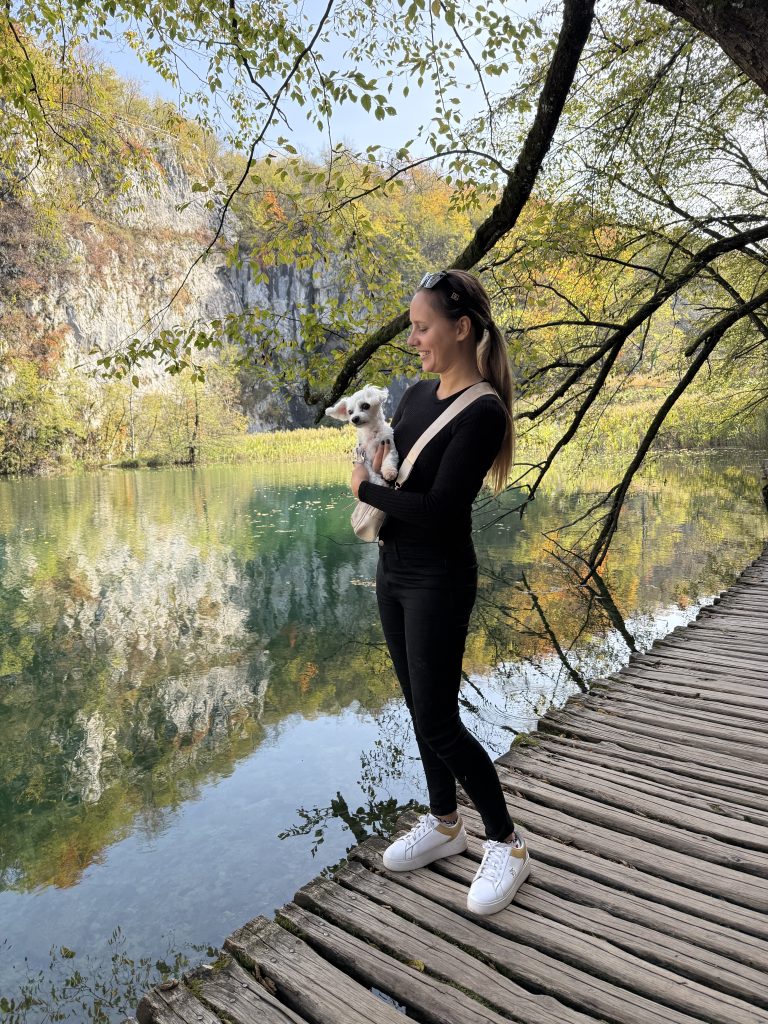
- 7:00–10:30: when I visit Plitvice I’m at Entrance 1 when it opens. The boardwalks of the lower lakes and Veliki slap (the Great Waterfall) are magical before the crowds arrive – by late morning the narrow wooden paths turn into queues.
- Midday: drive about 3 hours west via Rijeka to Istria. Opatija and its 12 km Lungomare seaside path make a lovely coffee stop on the way.
- Evening: check in to Rovinj and walk to the harbour for your first Adriatic sunset.
Days 5–7: Istria – Rovinj, Pula and the hill towns
Day 5: Rovinj
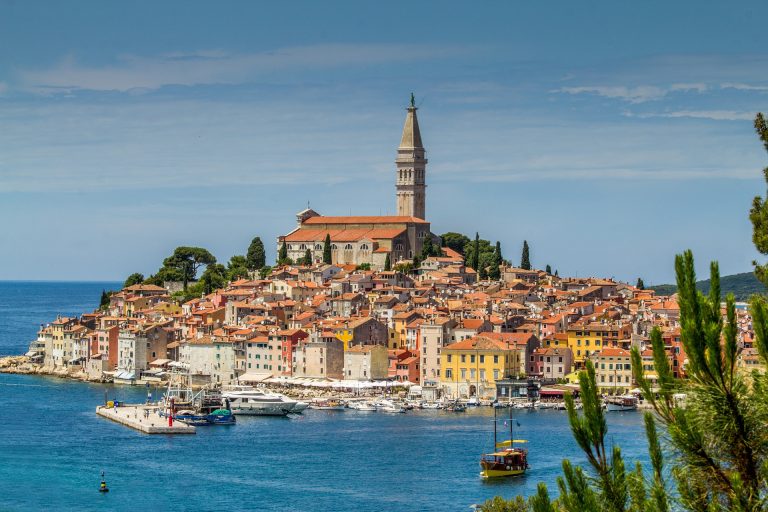
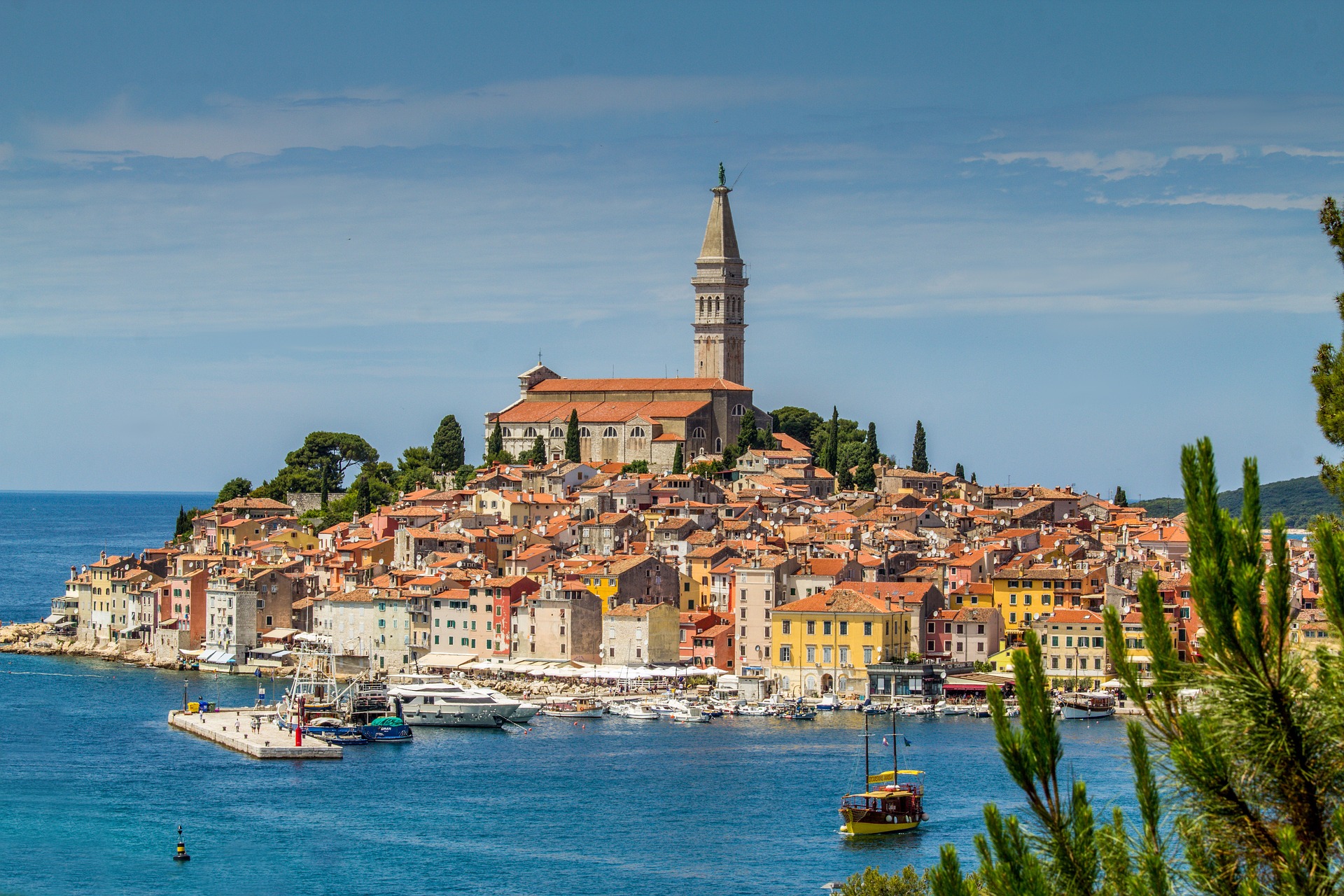
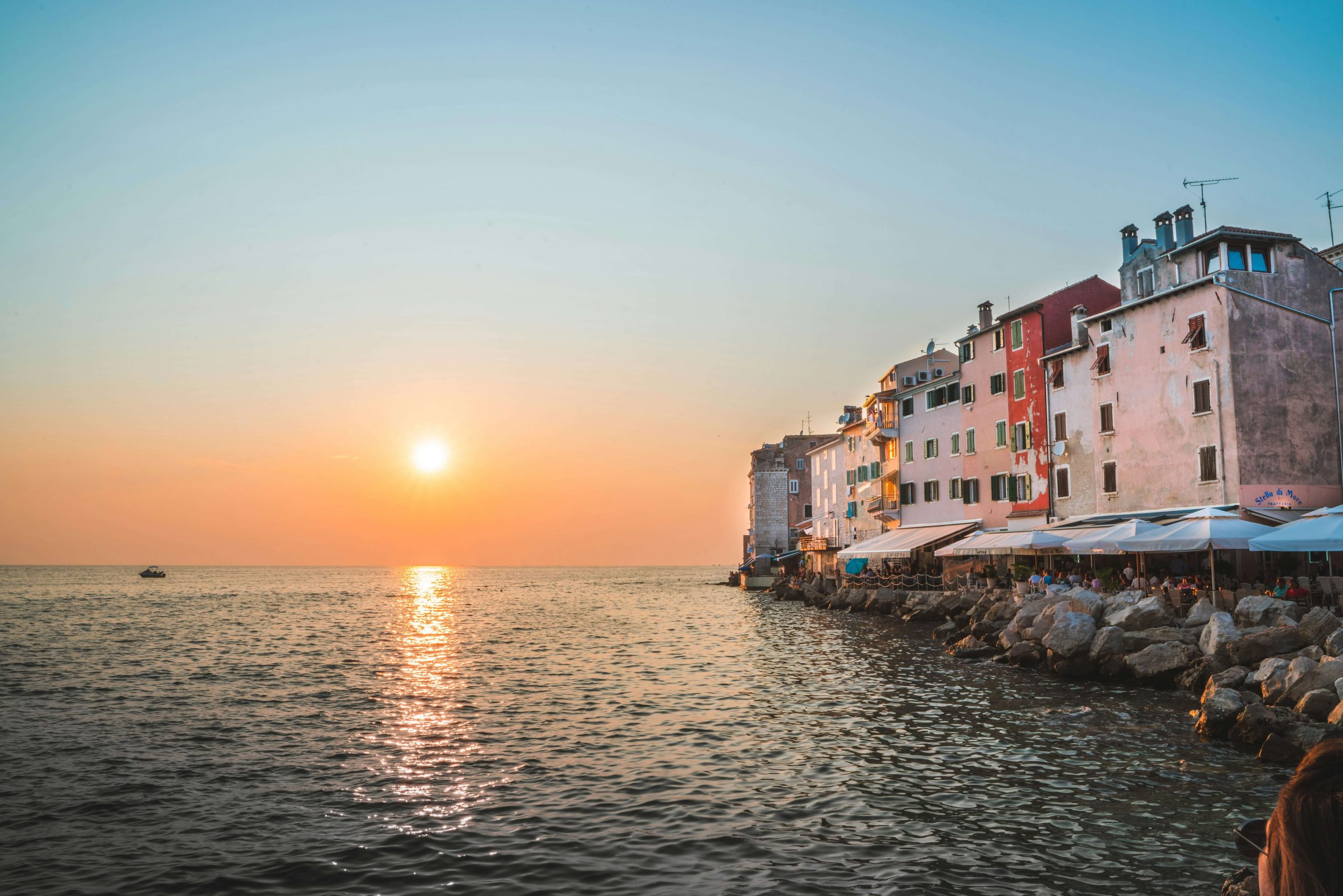
Rovinj is the place I keep coming back to – pastel houses tumbling into the sea, a Venetian bell tower and the best sunsets in Istria. My full Rovinj one-day guide has every detail, but this is how I’d spend the day:
- Morning: climb the bell tower of St Euphemia first thing, when the light is soft and the town is just waking up. It cost me about €4.
- Late morning: get lost in the old-town lanes – Grisia street is lined with small galleries.
- Afternoon: swim. My favourite spot is a small sandy beach just left of the old town near Hotel Lone; Lone Bay and Cuvi beach are nearby, and Golden Cape (Zlatni rt) forest park is perfect by bike.
- Evening: a glass of Malvazija on the waterfront, then dinner. For something special, Tipico Green Garden sits in a vineyard outside town; for a cheap local favourite, get pizza at Dan i Noć bakery.


Day 6: Pula and Vodnjan (or Poreč)
Pula is 40 minutes south of Rovinj and home to one of the best-preserved Roman amphitheatres in the world. The Arena costs €10 for adults and €5 for students and is open 8 am–10 pm in July and August (last entry 9 pm), 8 am–9 pm in September and 9 am–7 pm in October, according to the Archaeological Museum of Istria (checked November 2026). In summer it hosts concerts, so check the event calendar – a show in the Arena is unforgettable.
On the way back, stop in Vodnjan, olive-oil country with Istria’s tallest bell tower and quiet lanes. Prefer mosaics to Roman ruins? Swap Pula for Poreč (about 40 minutes north of Rovinj) and its UNESCO-listed Euphrasian Basilica.


Day 7: Motovun and Pazin, then drive to Zadar
- Morning: drive up to Motovun, the hilltop town above the truffle forests of the Mirna valley. I always walk the walls for the views over the vineyards.
- Truffle hunt option: Karlić Tartufi in Paladini near Buzet is a third-generation truffle-hunting family; they take guests into the forest with their dogs year-round and finish with a tasting. Book ahead on their website.
- Midday: Pazin sits on the edge of a dramatic gorge with a castle on top – a quick but memorable stop on the way east.
- Afternoon: drive about 3–3.5 hours south to Zadar via the Učka tunnel and the A1 motorway. Aim to arrive for sunset.
Days 7–8: Zadar, Nin and the island of Pag

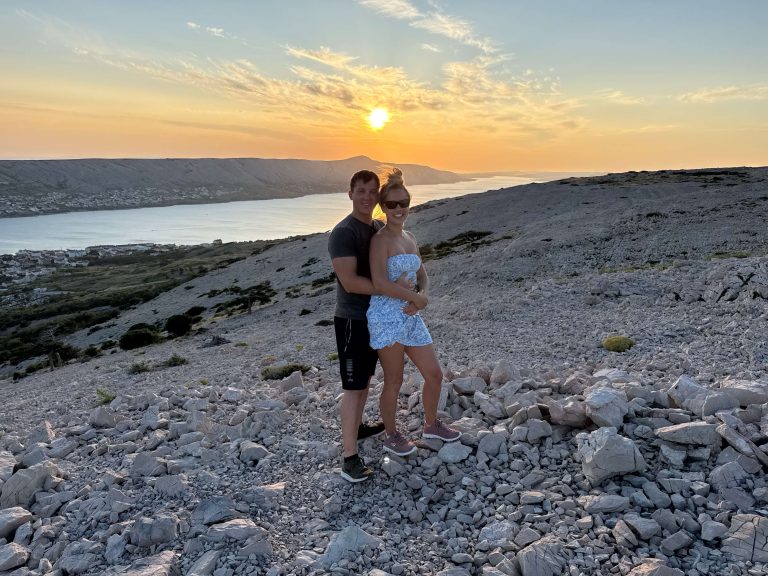
Zadar surprised me. People call it a quieter version of Split, but it has a magic of its own – Roman ruins in the morning, a sea that plays music in the evening. Read my Zadar one-day guide for the full day.
Evening of day 7: the Sea Organ and the Greeting to the Sun
Walk straight to the tip of the peninsula. I sat on the marble steps of the Sea Organ, closed my eyes and just listened to the waves playing it – one of the most peaceful moments I’ve had anywhere. After sunset the Greeting to the Sun lights up next to it. For dinner with a view, I chose Restaurant Foša by the Land Gate.

Day 8 morning: Zadar old town
- Roman Forum and St Donatus – the round 9th-century church costs about €5 to enter.
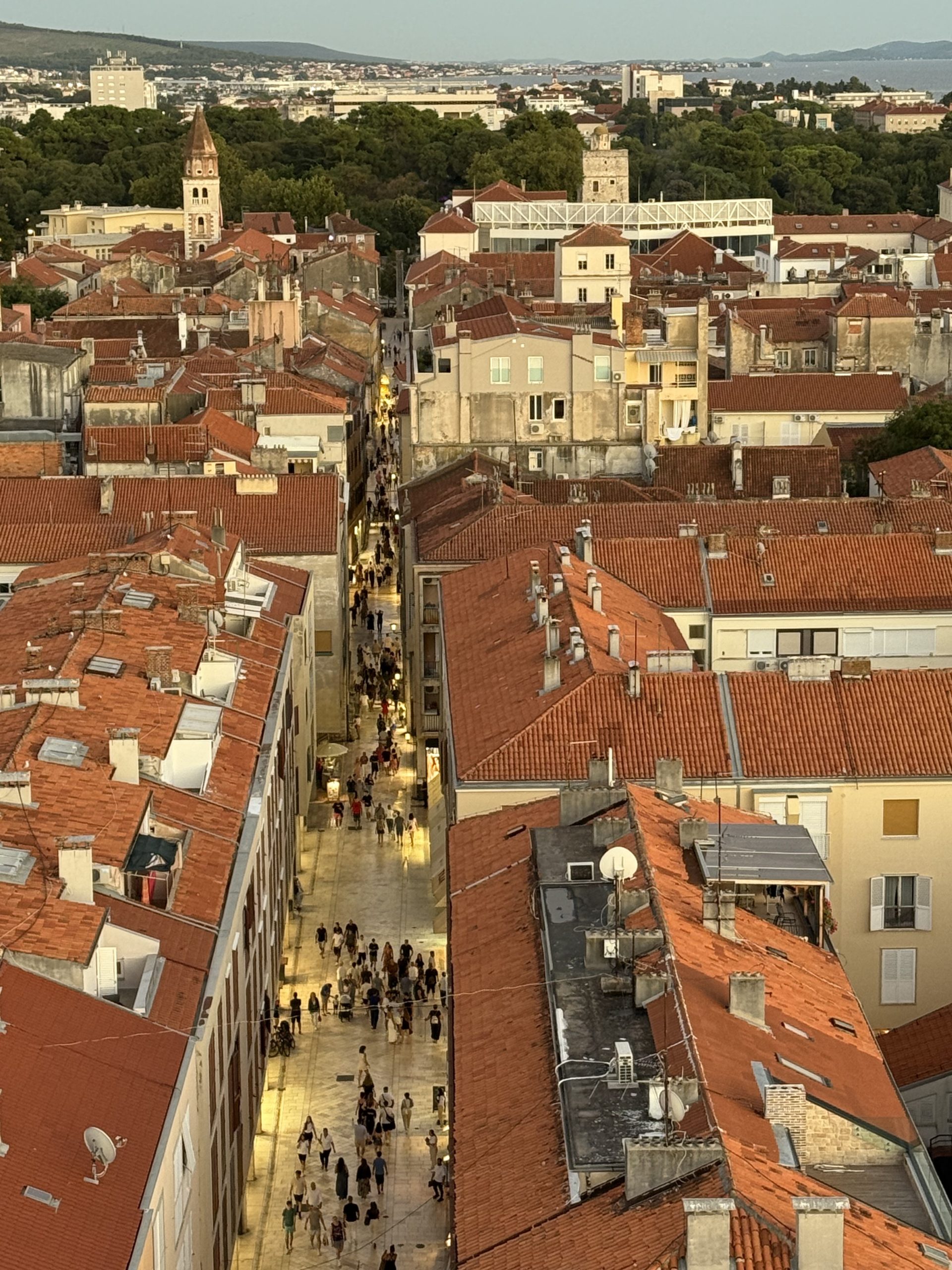
- The bell tower of St Anastasia’s Cathedral – about 180 steps for a 360° view of the old town and islands (around €4 when I went).
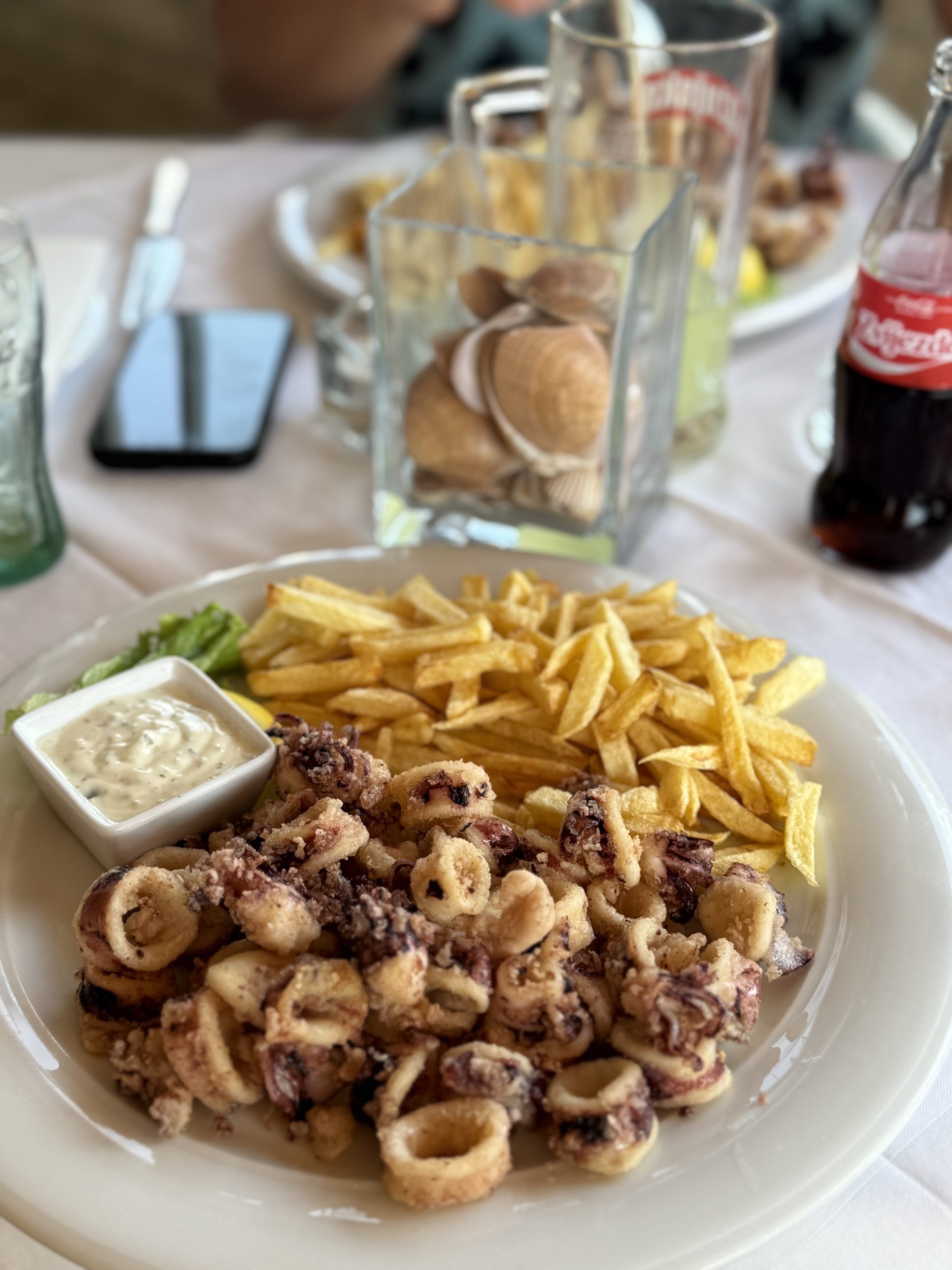
- The market by the harbour for Pag cheese and prosciutto, then Kalelarga, the main street, for coffee. Konoba Skoblar is my pick for black risotto.

Day 8 afternoon: Nin and Pag
Drive 20 minutes north to Nin, a tiny old town on a lagoon with sandy Queen’s Beach – a rarity in Croatia. Then continue over the Pag Bridge onto Pag, my favourite island for wild landscapes.
- Fortica: right after the bridge, pull over on the left and climb to the little fortress. The view of the bridge and the bare, moon-like island is spectacular.
- Pag town: stone lanes, women making UNESCO-listed Pag lace in their doorways, and baškotini rusks from the Benedictine nuns.
- Food: Pag lamb and Paški sir cheese – I love Konoba Bodulo in Pag town.
- Sunset: anywhere on the rocky west coast, then drive back to Zadar (about 1 hour).


Day 9: Krka National Park and Šibenik
My tip for Krka: leave Zadar early – the main entrances are about an hour away. Krka is the national park where the river tumbles over travertine terraces into green pools. Unlike Plitvice it’s compact: Skradinski buk, the big cascade, takes 2–3 hours on the boardwalk loop. Park rules allow swimming only in specially marked places, so don’t plan on a dip under the falls.
| Krka ticket (adult, all land sites) | Price |
|---|---|
| January–March, November–December | €7 |
| April, May, October | €20 |
| June–September | €40 (€30 after 3 pm) |
| Children 7–18 / students | €4 / €12 / €15 by season |
| Park boat trip Skradinski buk → Visovac island (2 h) | +€15 |
| Park boat trip Visovac + Roški slap (4 h) | +€20 |
After lunch, drive 20 minutes to Šibenik: the all-stone St James Cathedral (UNESCO), the steep old-town lanes and St Michael’s Fortress for the view at golden hour. Then it’s about an hour down the motorway to Split.

Days 10–11: Split, Trogir and an island day
Day 10: Split and Trogir
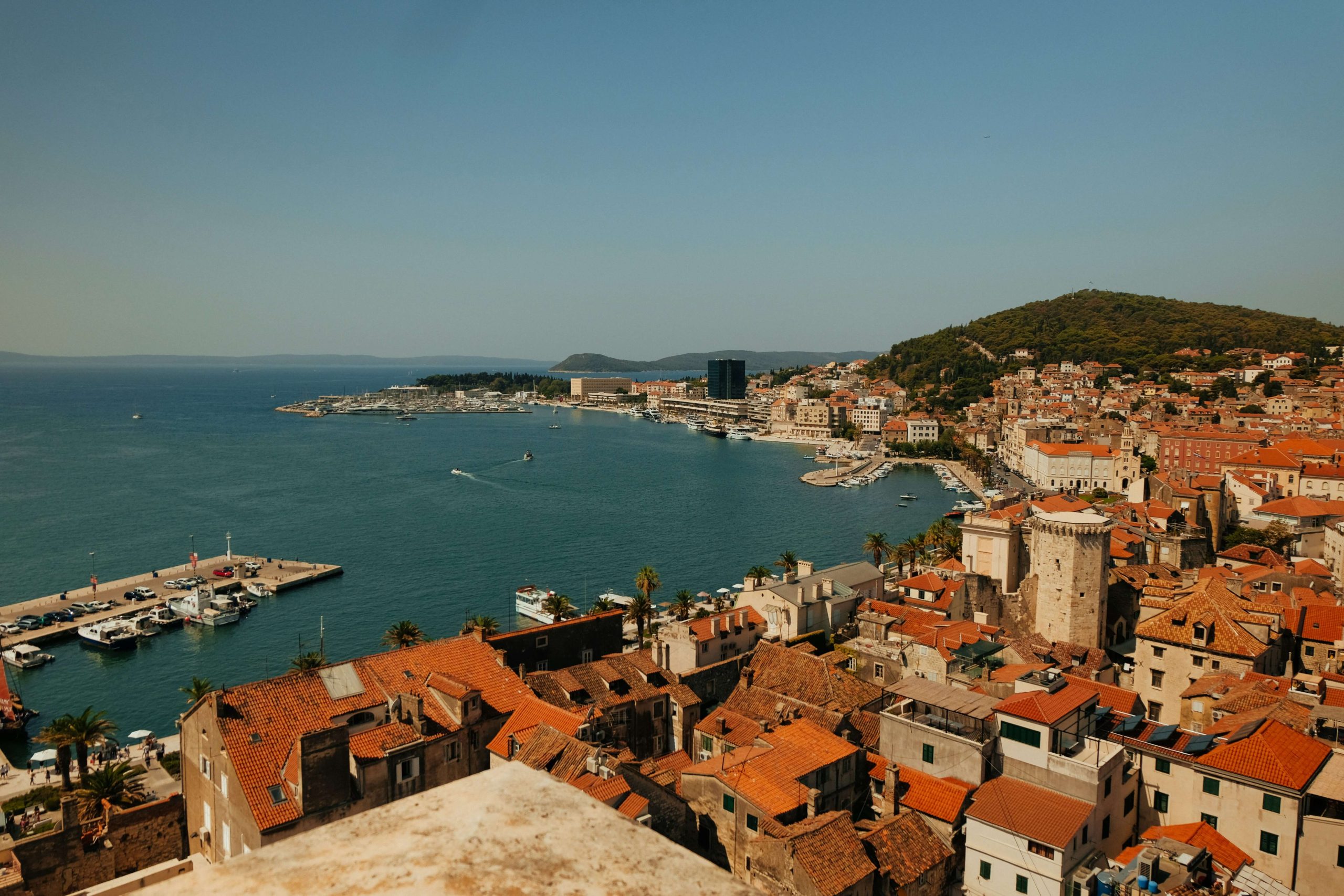
- Morning: every time I’m in Split I see Diocletian’s Palace before the cruise and tour groups arrive – the Peristyle, the cellars and the cathedral bell tower. Respect the dress code: no swimwear or bare chests in the old town.
- Lunch: the green market (Pazar) and a simple konoba away from the Riva.
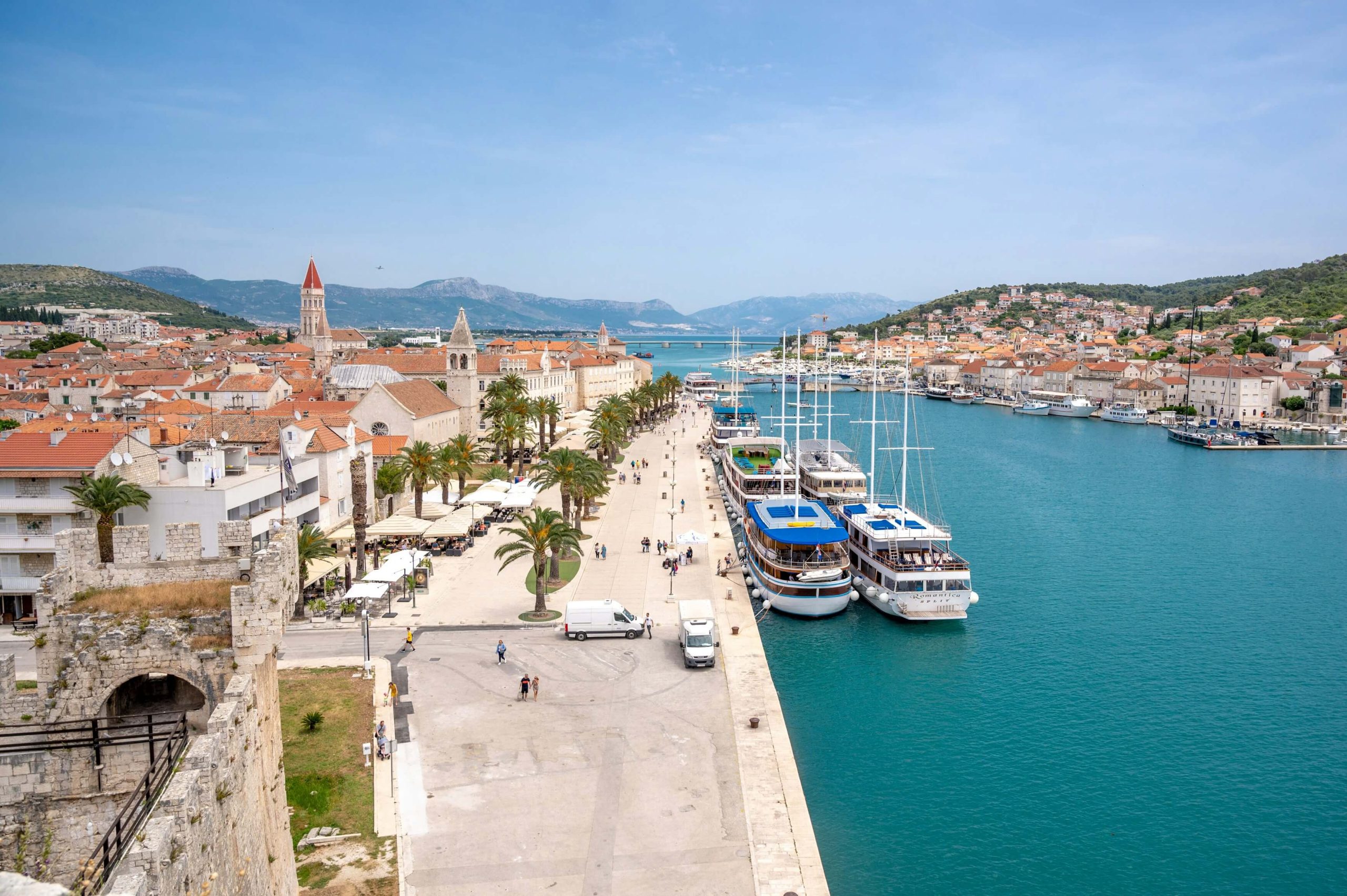
- Afternoon: 30 minutes west to Trogir, a tiny UNESCO island-town with the Cathedral of St Lawrence and Kamerlengo Fortress. It’s also just minutes from Split airport.
- Sunset: back in Split, walk or cycle up Marjan hill for the sunset, then join the evening promenade on the Riva.
Day 11: pick your island
| Option | How | Good for |
|---|---|---|
| Hvar town | Jadrolinija catamaran 641 Split–Hvar: 1 h 05, €25 one way (2026) | Fortress views, Pakleni islands by water taxi, glamour |
| Bol on Brač | Jadrolinija catamaran Split–Bol: 1 h 05, €10 in summer, €6.40 off-season (2026) | Zlatni rat beach, the famous shape-shifting pebble spit |
| Brač by ferry | Split–Supetar car ferry: 50 min, €6.50 per adult (2026) | Quiet villages, stone-quarry town Pučišća |
| Blue Cave & Vis | Full-day speedboat tour from Split (many operators) | Blue Cave on Biševo, Stiniva cove on Vis, swimming stops |
Ferry fares and times are from the official Jadrolinija 2026 timetables (checked November 2026). Catamaran tickets are tied to a specific departure, so buy them online a few days ahead in summer. If you’d rather sleep on an island, move your third Split night to Hvar – on the Sunčani Hvar group’s Hotel Adriana you’re right on the harbour.
Day 12: Omiš, the Makarska Riviera and the drive to Pelješac
Today is a road-trip day along one of the most beautiful stretches of coast in Europe.
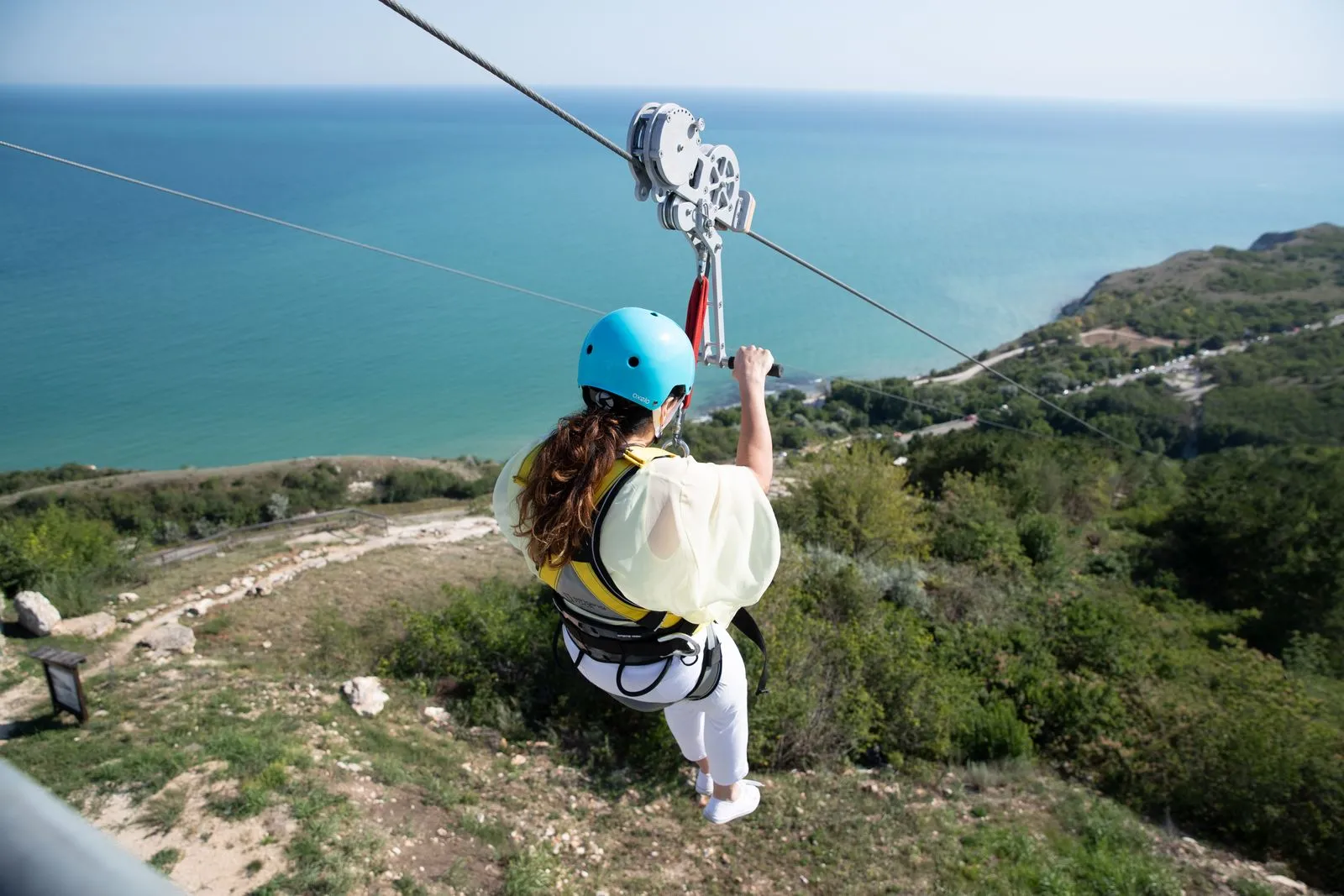
- Morning – Omiš (30–40 minutes from Split): the Cetina river cuts a canyon right through the town. Choose your adventure: the Zipline Croatia tour in Omiš has 8 lines and 2.1 km of cable up to 150 m above the canyon and takes up to about 3 hours (€50–65 depending on where you book), or go rafting with Adventure Dalmatia – 3–3.5 hours on the river for €35, plus €15 for the transfer (checked November 2026).
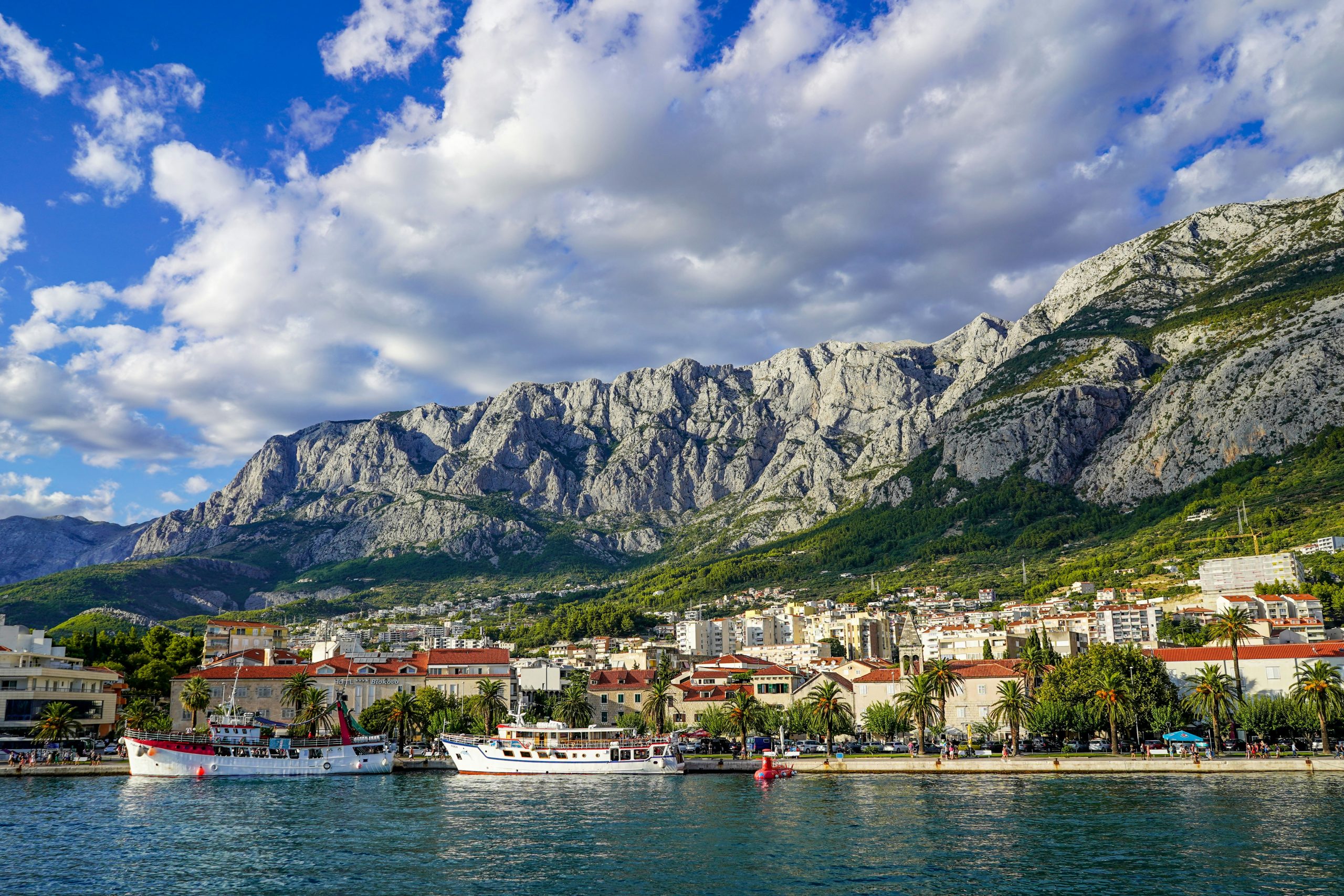
- Lunch – Makarska: pebble beaches under the wall of Biokovo mountain. Swim at Nugal beach or in Brela’s Punta Rata. The Biokovo Skywalk glass viewpoint is spectacular, but the nature park’s website showed a ‘closed for visiting’ notice in November 2026 – check before you drive up.
- Afternoon: continue south past the Neretva delta and turn onto the Pelješac Bridge. Stop at the viewpoint on either side – I just had to pull over.
- Evening: sleep in Orebić on the Korčula channel, or in Ston if you want to be closer to Dubrovnik.
Day 13: Pelješac, Korčula and Ston – then Dubrovnik
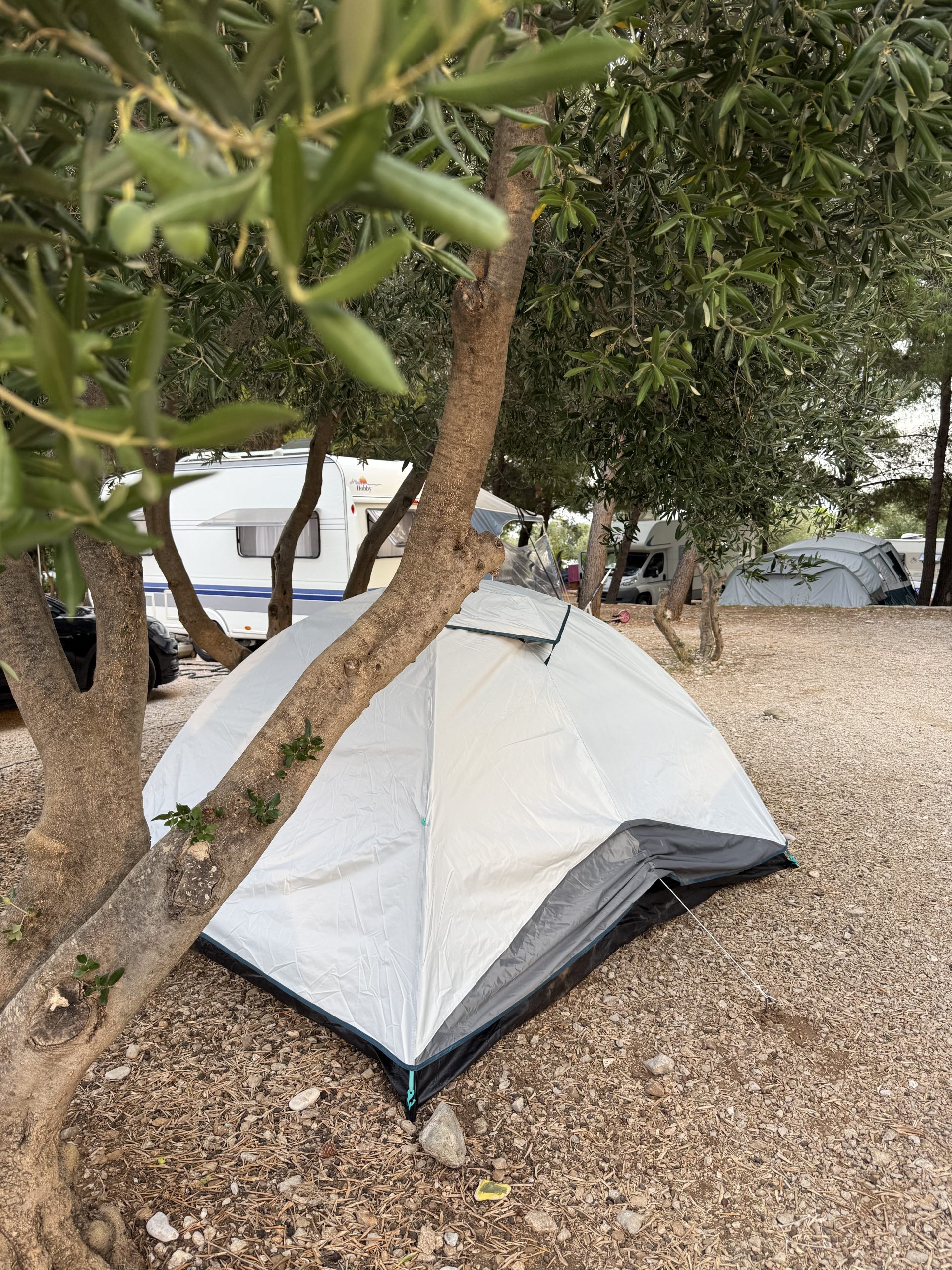
Pelješac is where I pitched my tent by the sea, and it’s my favourite part of the drive to Dubrovnik. My Pelješac one-day guide has the full story; for this itinerary, choose one of two mornings:
- Option A – Korčula: leave the car in Orebić and take the Orebić–Dominče ferry (20 minutes, €4.40 per adult from 29 May to 27 September, €2.50 the rest of the year, 2026). Walk into Korčula old town, the herringbone-street town that claims Marco Polo, and taste Grk, a white wine made only on Korčula.
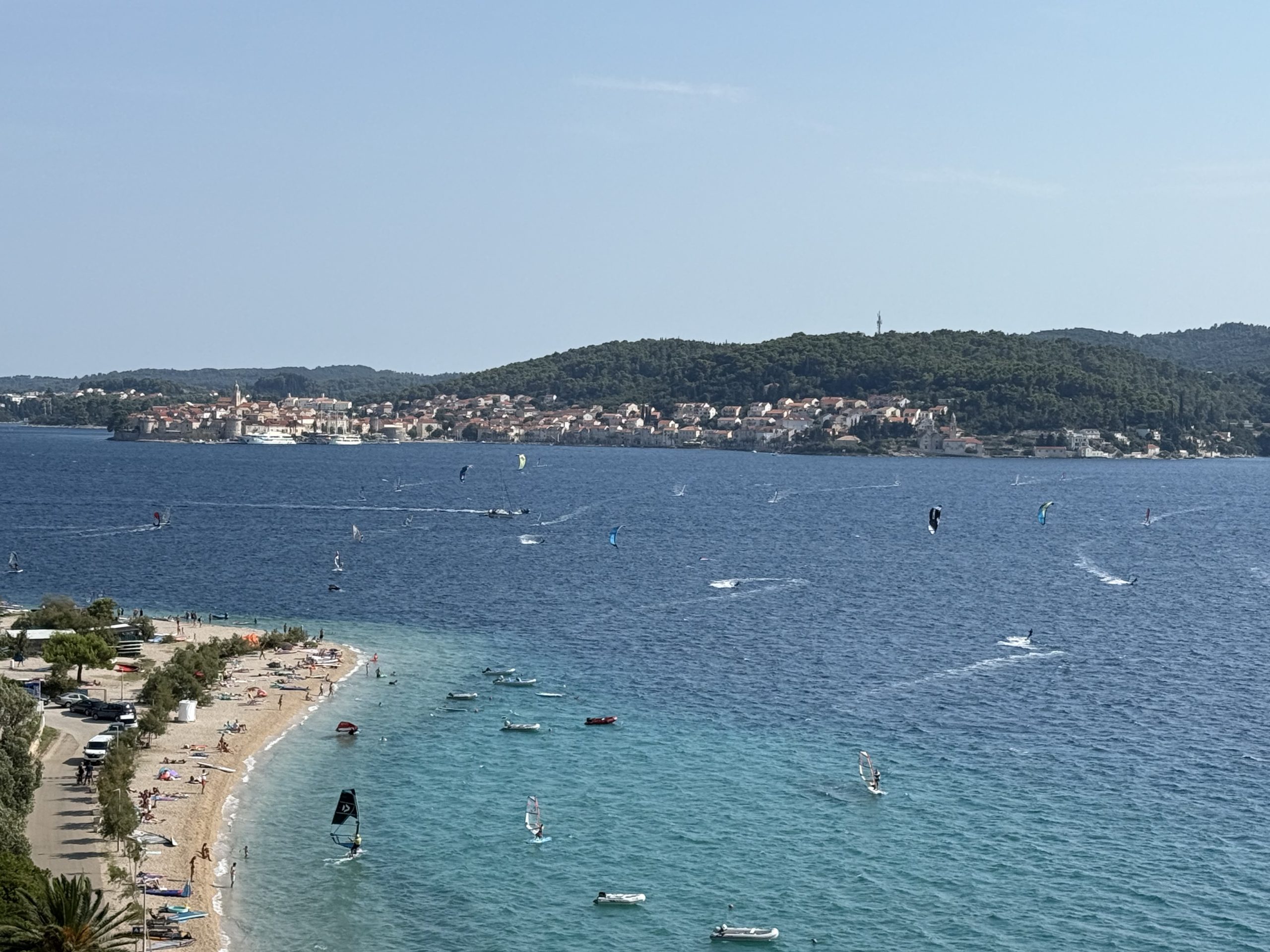
- Option B – Pelješac itself: coffee on Orebić’s promenade lined with sea captains’ houses, the abandoned village of Donja Nakovana with views to Korčula and Hvar, or Viganj, where the wind tunnel of the channel makes it a world-famous windsurfing spot.

Midday: drive east through the Plavac Mali vineyards – Dingač and Postup are the famous slopes above the sea – and stop at a cellar for a tasting.
Afternoon: Ston and Mali Ston. Walk the Walls of Ston, often called the longest fortification system in Europe, then do what I always do in Mali Ston: eat oysters and mussels at the source. The walls are run by the same society as Dubrovnik’s walls – check the current ticket on their site.
Evening: about an hour’s drive to Dubrovnik. Drop the rental car (or keep it until tomorrow if you’re staying outside the old town) and walk the Stradun after dark, when the day-trippers are gone.
Day 14: Dubrovnik

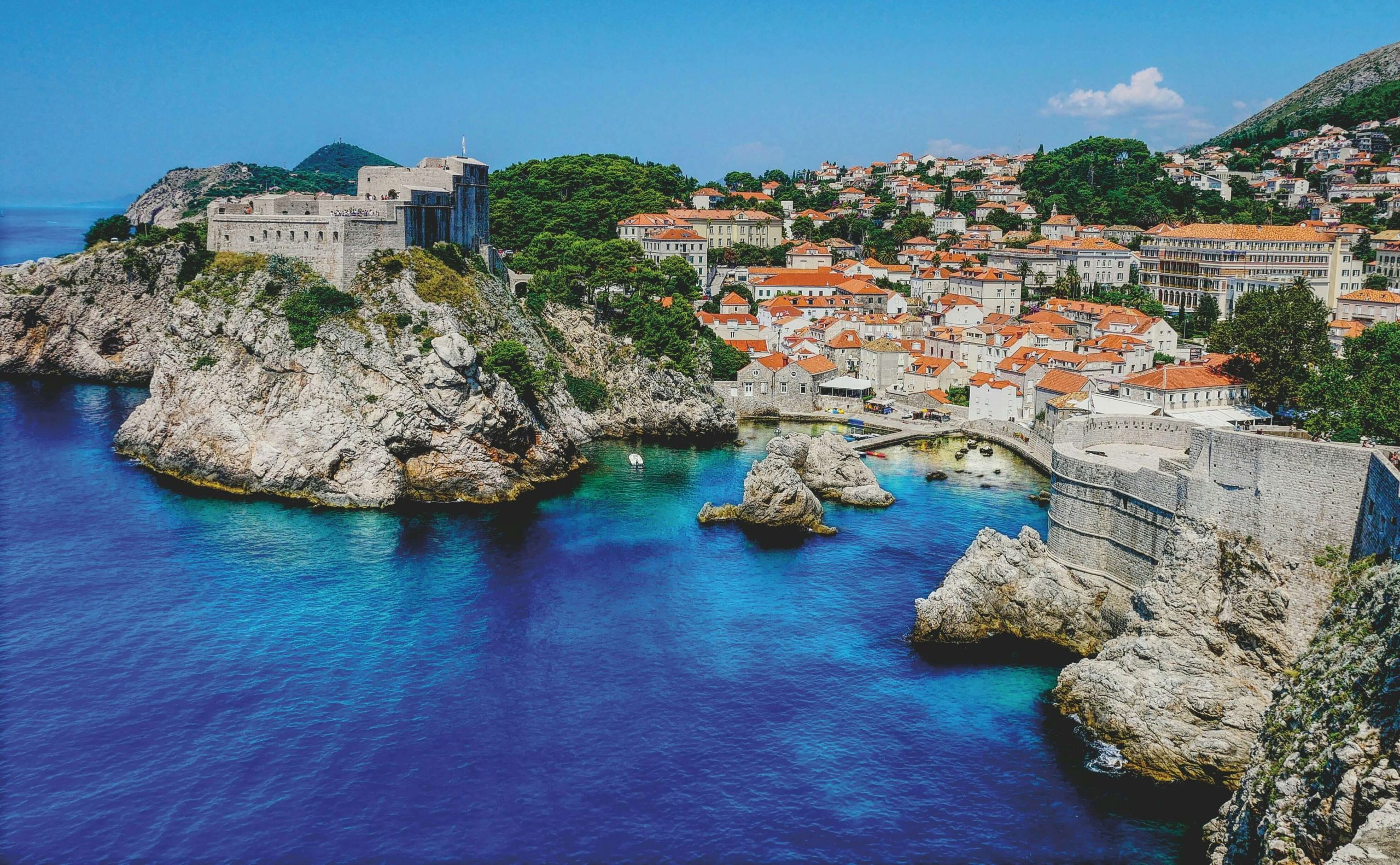
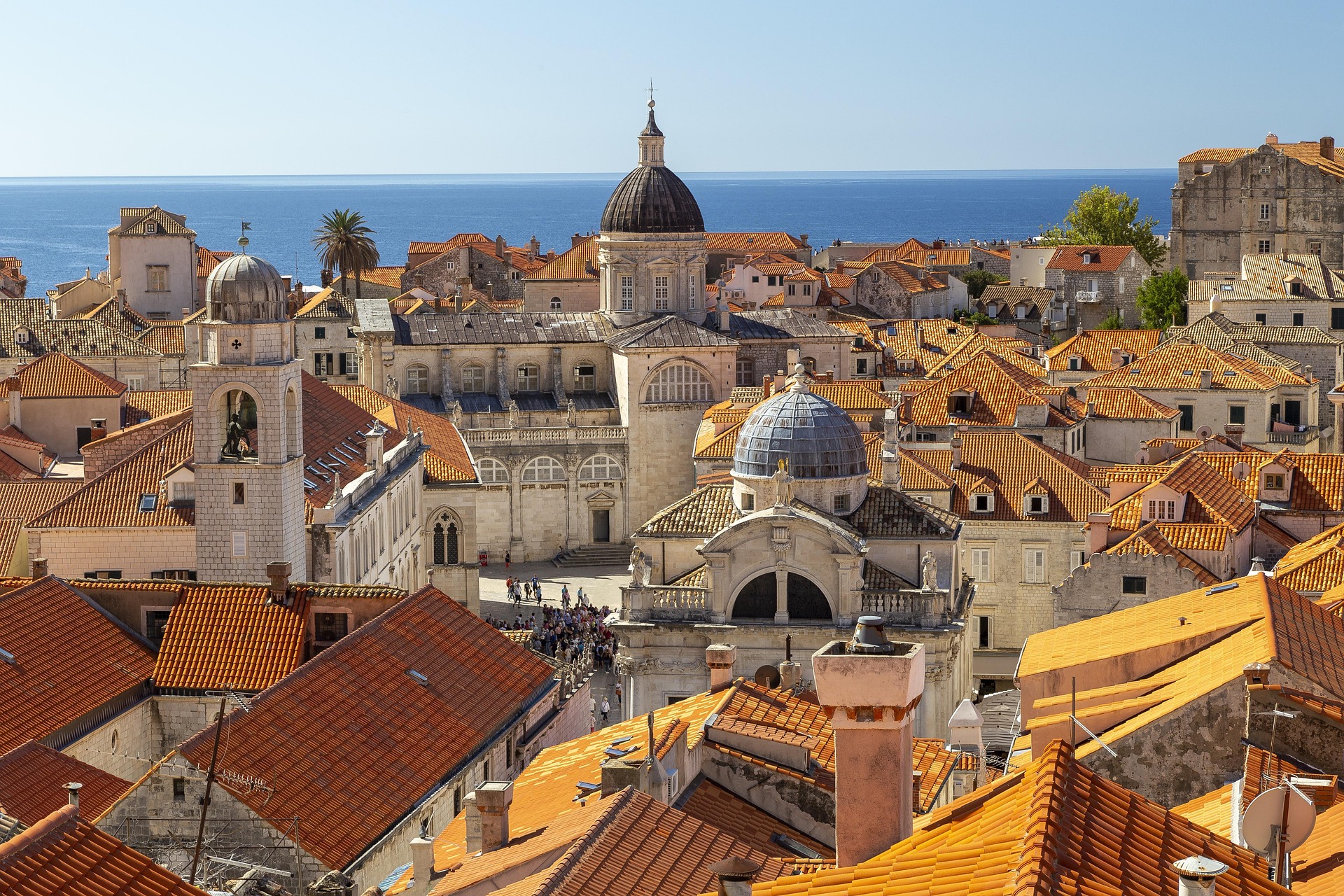
Dubrovnik took my breath away – and also my wallet. Here’s how I’d spend your last day; my Dubrovnik one-day guide has more restaurants and a few honest disasters.
- 8:00 – the city walls. I started at 8 am sharp and it was the best decision of the day: about two hours, lots of stairs, endless views. I paid €35, and the ticket also covers Fort Lovrijenac – check today’s price on the official City Walls webshop.
- Late morning – Lokrum or kayak. The official boat from the Old Port to Lokrum island plus the reserve entrance costs €30 (lokrum.hr, checked November 2026). Or paddle there: the Adventure Dalmatia sea kayak tour lasts 2 hours, costs €40 and includes kayak, snorkel gear and a guide, starting from Pile Bay at 9:30 or 12:30.
- Afternoon: lunch away from the main street (my favourite was black risotto at Konoba Dalmatino), then the Rector’s Palace or a swim at Banje beach. Cavtat, 30 minutes south, is a calmer alternative.
- Sunset – cable car or Buža. The Dubrovnik cable car to Mount Srđ costs €30 return or €17 one way for adults (official site, checked November 2026); I spent nearly two hours up there. Or squeeze through the hole in the wall to a Buža bar on the rocks and watch the sun drop into the sea.

Got an extra night? Take a boat to the Elaphiti islands – I spent hours on Lopud’s sandy beach – or a day trip to Montenegro’s Bay of Kotor or Mostar in Bosnia and Herzegovina (bring your passport).
Alternative: swap a week for Slavonia
Want to see the Croatia most tourists never do? Replace the first week with the east: rivers, wine, kulen sausage and huge hospitality at a fraction of coast prices. Then do the classic coast in week two (my 7-day Croatia itinerary is exactly that).
| Day | Where | Why go |
|---|---|---|
| 1 | Zagreb | Arrive, Upper Town |
| 2 | Zagreb → Požega | The Golden Valley vineyards and baroque squares |
| 3 | Slavonski Brod → Đakovo | A huge star fortress on the Sava; the twin-spired cathedral and Lipizzaner horses |
| 4 | Osijek | Tvrđa, the baroque fortress-town on the Drava; optional Kopački rit wetlands |
| 5 | Vukovar | The water tower, the Danube and Croatia’s most moving memorials |
| 6 | Vinkovci → Zagreb | One of Europe’s oldest continuously inhabited towns |
| 7 | Zagreb → Plitvice → Zadar | Join the coastal route |
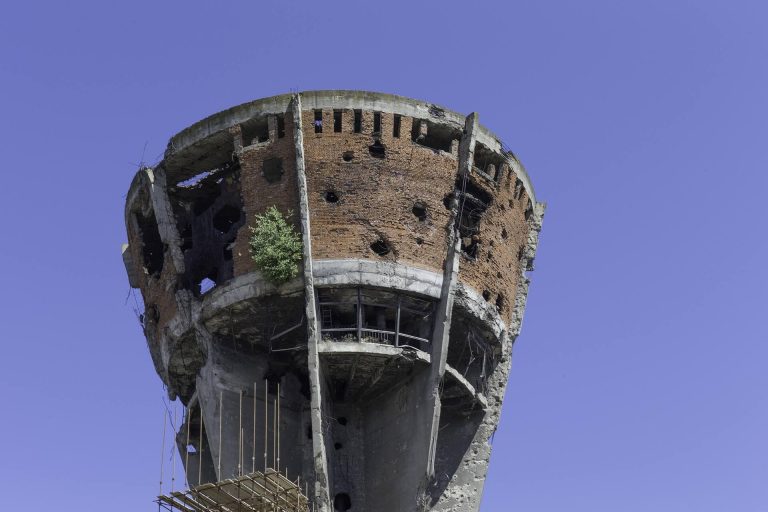
Vukovar stayed with me more than almost anywhere in Croatia. I stood on top of the water tower – hit by more than 600 shells in 1991 and kept as a memorial – for maybe an hour, then had fiš paprikaš at Domestic House Lola and visited the striking Vučedol Culture Museum. Trains link Zagreb with Osijek and Vinkovci, but a car makes this week far easier.


Alternative: two weeks in Croatia without a car
You can do most of this route by bus and boat – you just lose the hill towns, Pag and the Pelješac vineyards. A realistic no-car version:
- Days 1–2 Zagreb → day 3 bus to Plitvice (sleep there) → day 4 bus to Zadar.
- Days 4–6 Zadar, with an organised day trip to Krka or Pag.
- Day 7 bus to Šibenik, day 8 bus to Split.
- Days 8–11 Split, with catamaran day trips to Hvar and Brač and a bus to Trogir.
- Days 12–14 catamaran or bus to Korčula and on to Dubrovnik, or bus straight to Dubrovnik and a Lokrum/Elaphiti boat day.
FlixBus and Arriva cover the main coastal routes – buy tickets online in summer. Trains don’t run along the coast, so I only use them inland (Zagreb–Varaždin, Zagreb–Osijek). Istria is the one region where public transport really limits you; if you want Rovinj without a car, base yourself there and use the bus to Pula.
Where to stay: hotels for every base
All of these are real properties I checked on their official websites in November 2026 – the places I’d book or send friends to, picked by location and type. Prices change by the week in summer, so I give a budget level instead of numbers.
| Base | Luxury | Mid-range | Budget |
|---|---|---|---|
| Zagreb (2 nights) | Esplanade Zagreb – the grand old hotel by the main station | Hotel Jägerhorn (boutique, Ilica) or Hotel Dubrovnik on the main square | Swanky Mint hostel and bar |
| Plitvice (1) | – | Hotel Jezero (park-run, inside the park) or Plitvice Hotel | Camp Korana (park-run campsite and bungalows) |
| Rovinj (3) | Grand Park Hotel Rovinj facing the old town, or design-led Hotel Lone | Angelo d’Oro heritage hotel in the old town or Villa Tuttorotto | Villa Dobravac rooms and apartments just outside the centre |
| Zadar (2) | Falkensteiner Hotel & Spa Iadera (Punta Skala, 15 min by car) | Hotel Bastion on the old walls or Art Hotel Kalelarga | Boutique Hostel Forum or HI Hostel Zadar |
| Split (3) | Hotel Vestibul Palace inside Diocletian’s Palace | Hotel Park near Bačvice beach or Cornaro Hotel | Villa Varos or Hostel Dvor |
| Pelješac (1) | Hotel Ostrea in Mali Ston, the oyster village | Aminess Bellevue Hotel in Orebić | Camp Nevio near Orebić – where I camped, with mobile homes too |
| Korčula (option) | Lešić Dimitri Palace in the old town | Aminess Korčula Heritage Hotel | Private rooms (sobe) in town |
| Dubrovnik (1–2) | Hotel Excelsior with Old Town views | Hotel Stari Grad (boutique, inside the walls) or Hotel Lapad | HI Hostel Dubrovnik |
Booking tip: in July and August, book Rovinj, Split, Hvar and Dubrovnik first – they sell out months ahead. Plitvice is the base where a cheap room makes the least sense: sleeping close to the entrances is what lets you beat the crowds.
Best tours and experiences on this route
| Experience | Operator / where to book | Duration | Includes / price |
|---|---|---|---|
| Plitvice guided walk | NP Plitvička jezera | up to 4 h / 5–6 h | Park guide, €120 / €170 per group (plus tickets) |
| Truffle hunt in Istria | Karlić Tartufi, Paladini (Buzet) | half day | Hunt with dogs + truffle tasting, year-round; price on request |
| Krka boat to Visovac & Roški slap | NP Krka | 2 h / 4 h | €15 / €20 on top of the park ticket |
| Omiš zipline | Zipline Croatia | up to 3 h | 8 lines, 2.1 km; €50–65 |
| Cetina rafting | Adventure Dalmatia | 3–3.5 h | Equipment, insurance, guide; €35 + €15 transfer |
| Hvar day trip | Jadrolinija catamaran | 1 h 05 each way | €25 each way (2026) |
| Dubrovnik sea kayak | Adventure Dalmatia | 2 h | Kayak, snorkel, guide, water; €40 |
| Lokrum island | Lokrum reserve | half day | Return boat + entry €30 |
| Dubrovnik cable car | Dubrovnik Cable Car | 10 min ride | €30 return / €17 one way |
All prices are per adult from the operators’ official pages (checked November 2026). For a speedboat tour to the Blue Cave and Vis, or a boat day to the Elaphiti islands from Dubrovnik, compare a few local operators on the harbour – boat days are where you have the most choice.
Getting around Croatia in two weeks
Car hire, tolls and parking
- Motorways (A1 Zagreb–Split–Ploče, A6 to Rijeka, A8/A9 in Istria) are tolled, fast and in excellent condition. Croatia has announced a new barrier-free electronic toll system (Crolibertas) planned for 1 March 2027 – ask your rental company how tolls will be charged on your car.
- Parking is the real cost on the coast. In Dubrovnik I paid around €10 an hour, and a day ticket in the zone next to the Old Town was €200 (on my July 2023 visit) – park further out and take the Libertas city bus. In Rovinj free parking exists if you’re happy to walk 10–15 minutes.
- Drive times in this guide assume motorways; the coastal road (Jadranska magistrala) is slower but stunning between Omiš and Makarska.
- Neum: thanks to the Pelješac Bridge you no longer need to cross into Bosnia and Herzegovina to reach Dubrovnik. If you do drive through Neum (for example to Mostar), carry your passport.
Ferries and catamarans
| Line (Jadrolinija, 2026) | Time | Adult fare |
|---|---|---|
| Split – Hvar (catamaran 641) | 1 h 05 | €25 |
| Split – Bol, Brač (catamaran) | 1 h 05 | €10 summer / €6.40 off-season |
| Split – Supetar, Brač (car ferry 631) | 50 min | €6.50 |
| Orebić – Dominče, Korčula (ferry 634) | 20 min | €4.40 (29 May–27 Sep) / €2.50 |
| Prizna – Žigljen, Pag (car ferry) | – | About €20 per car + €4.50 per person in high season (my own trip) |
Fares from Jadrolinija’s official 2026 timetables (checked November 2026); car fares on ferries vary by vehicle length. TP Line and Krilo run other fast lines along the coast.
Buses, taxis and apps
Buses connect almost every town and are the cheapest way between cities. Uber and Bolt work year-round in Zagreb and Split and mostly in season (April–October) in Dubrovnik, Zadar and Rovinj; outside Zagreb, taxis are expensive, so agree the fare or use an app.
How much do two weeks in Croatia cost?
Here’s what the paid sights on this exact route add up to for one adult, using the official prices quoted above:
| Sight | Jun–Sep | Apr–May / Oct |
|---|---|---|
| Plitvice Lakes (1 day) | €40 | €23 |
| Krka National Park | €40 | €20 |
| Pula Arena | €10 | €10 |
| Dubrovnik city walls (my price, check current) | €35 | €35 |
| Dubrovnik cable car (return) | €30 | €30 |
| Lokrum boat + entry | €30 | €30 |
| Split–Hvar catamaran return | €50 | €50 |
| Total | about €235 | about €198 |
On top of that, budget for accommodation, food, the rental car, fuel, tolls and parking. As a rough daily guide per person in summer (from my Croatia guide):
| Travel style | Per person per day | What you get |
|---|---|---|
| Budget | €50–70 | Hostels or campsites, bakery breakfasts, buses, free beaches |
| Mid-range | €100–150 | Private apartments, konoba dinners, a few tours and ferries |
| Comfort | €200+ | Boutique hotels, rental car, boat trips, wine tastings |
So two weeks mid-range comes to roughly €1,400–2,100 per person before flights. Travelling in May, June or September can easily save you 30% or more, and the continental part of the trip (Zagreb, Slavonia) is much cheaper than Dubrovnik or Hvar.
Best time for a two-week trip to Croatia
My short answer: late May to June, or September to early October. The sea is warm, ferries run full timetables, Plitvice’s waterfalls are full in spring, and you skip July–August crowds and peak prices.
| Month | Sea & weather | Verdict for this route |
|---|---|---|
| April | Spring flowers, sea still cold | Great for Plitvice, Krka and cities; few island boats |
| May–June | Warm days, sea warms from late May | My favourite – everything open, fewer crowds |
| July–August | Hot (often above 30 °C), busiest | Best for beach life; book everything early, start days early |
| September | Sea still warm, softer light | My other favourite – Rovinj in early September is magic |
| October | Mild, grape harvest | Good for food and wine; shorter ferry timetables |
| November–March | Quiet coast, bura wind, many island hotels closed | Cheap park tickets, Zagreb Advent – but not a beach trip |
What to pack for 14 days in Croatia
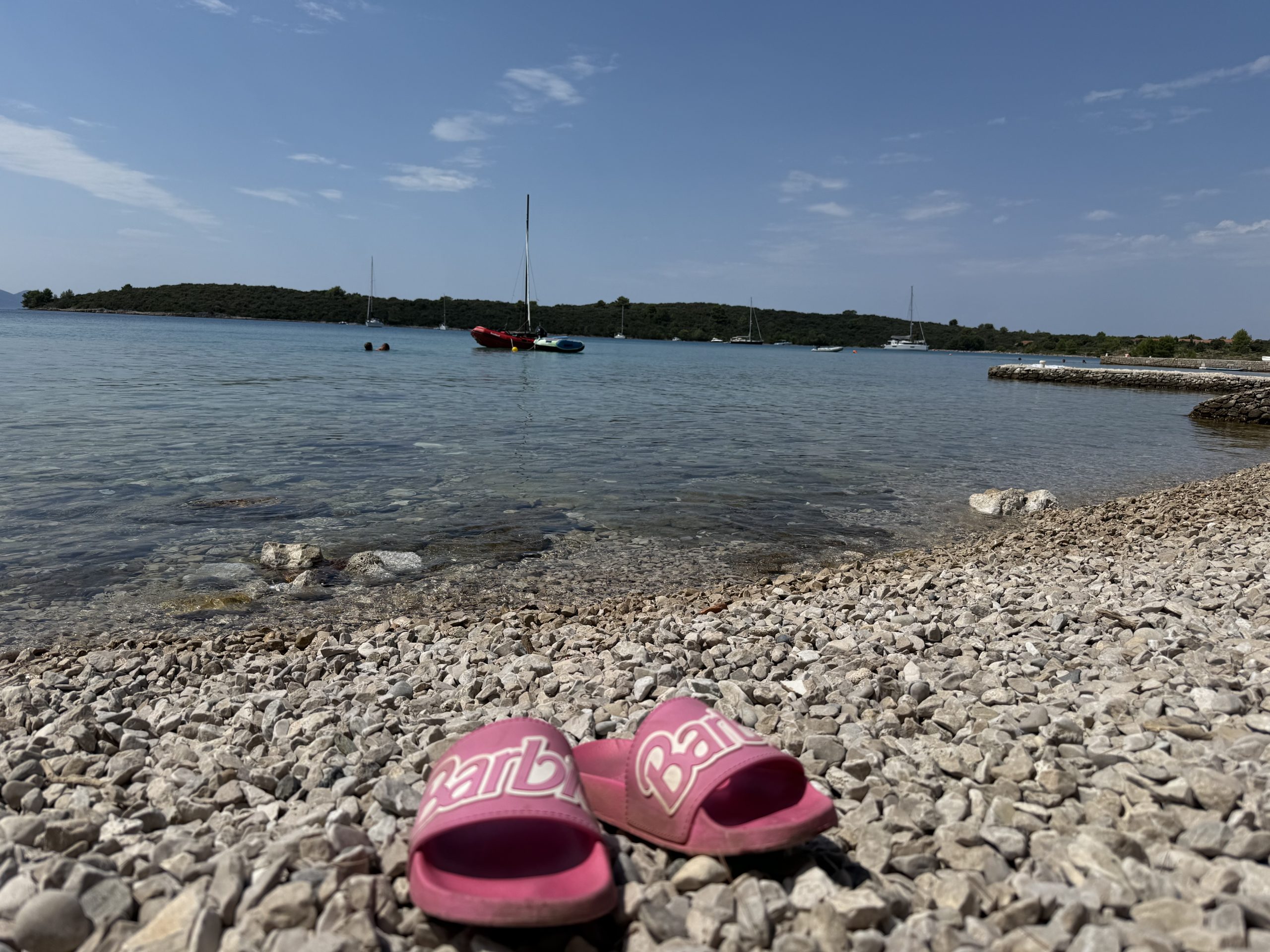
- Water shoes – most beaches are pebbles or rocks, and sea urchins are common.
- Comfortable walking shoes – polished limestone streets are slippery, Plitvice and Krka are boardwalks, and Dubrovnik’s walls are mostly stairs.
- A light layer and a windproof jacket for ferries and bura days, even in summer.
- Sun protection – hat, high-SPF sunscreen and a refillable bottle (tap water is safe to drink across Croatia).
- A cover-up for churches and old towns – swimwear and bare chests aren’t allowed in historic centres like Split and Dubrovnik.
- Passport if you plan a day trip to Mostar or Kotor, and your driving licence plus a credit card in the driver’s name for car hire.
Money, entry rules and safety
- Currency: the euro. Cards work almost everywhere, but carry some cash for small konobas, markets, parking machines and island bakeries.
- ATMs: use bank ATMs, and when a machine or card terminal offers to charge you in your home currency, always choose euros – the conversion offered is rarely in your favour.
- Tipping: not mandatory; rounding up or about 10% for good service is appreciated. Accommodation adds a small nightly tourist tax.
- Entry: Croatia is in the EU and Schengen. The EU Entry/Exit System (EES) is in full operation, so non-EU travellers have a photo and fingerprints taken on first entry. ETIAS isn’t required yet (as of November 2026) – only ever apply through the official EU site, travel-europe.europa.eu.
- Safety: Croatia is one of the safest countries in Europe. Watch for pickpockets on crowded Stradun, Riva and ferries.
- Scams and traps to avoid: restaurants with picture menus and touts on the main square (Dubrovnik’s Restaurant Panorama gave me reheated pasta with a great view), fish ‘priced by the kilo’ without asking the weight first, unofficial parking ‘attendants’, and copycat ETIAS websites.
Insider tips & tricks for two weeks in Croatia
- Check the cruise-ship schedule before Dubrovnik day. The Port of Dubrovnik publishes ship arrivals on portdubrovnik.hr. On big days, do the walls at 8 am and the Old Town in the evening.
- Split Plitvice in two halves. Upper lakes late afternoon, lower lakes at opening – you skip the midday queues on the boardwalks and pay the cheaper late price in summer.
- Weekends matter. Plitvice and Krka are busiest on Saturdays and Sundays, and Split’s old town gets rowdy on Friday and Saturday nights. Plan the parks for weekdays.
- Order peka in advance. Lamb, veal or octopus slow-cooked under an iron bell takes hours – call the konoba a few hours (or a day) ahead.
- Eat where locals eat: a konoba one street back from the waterfront is usually cheaper and better. Ask for the catch of the day and its weight before you order.
- Don’t over-island. One night per island means packing every morning. On a two-week trip, one island day from Split (or two nights on one island) beats three rushed hops.
- Siesta is real. In July and August, sightsee from 8 to 11, swim from 12 to 4, and go out again for sunset. Old towns are at their best after 7 pm.
- Watch the bura and jugo. Strong winds cancel catamarans and close the Pag Bridge to bigger vehicles. Keep a flexible day and check forecasts, not just the sun icon.
- Sunday shopping: many supermarkets close or open shorter hours on Sundays – stock up for picnics on Saturday.
- Be early at Fortica and the Pelješac Bridge viewpoints for the best light and an empty lay-by.
- Water taxis are your friend on Korčula and Hvar – small boats hop to Badija, Lumbarda and the Pakleni islands like buses.
More of my Croatia guides for this route
Each stop above has its own one-day itinerary with restaurants, parking and timings:
- Zagreb region: Samobor, Varaždin, Karlovac, Velika Gorica
- Istria & Kvarner: Rovinj, Poreč, Vodnjan, Pazin, Opatija
- North Dalmatia: Zadar, Pag Island, Šibenik, Knin
- Central & South Dalmatia: Trogir, Makarska, Pelješac, Dubrovnik
- Slavonia: Vukovar, Đakovo, Vinkovci, Slavonski Brod, Požega
- Other trip lengths: 3 days, 4 days, 5 days, 7 days, 10 days in Croatia
- Adventure: the best ziplines in Croatia

Hotel, tourist board or travel brand in Croatia?
I create honest, practical one-day itineraries read by travellers planning their next trip – plus photos, drone shots and Instagram stories from the road. I’m open to collaborations with hotels, apartments, restaurants, wineries, tour operators and destinations across Croatia: sponsored itineraries, destination features, press trips and social media campaigns.
Work with me Get in touch2 weeks in Croatia: FAQ
Is 2 weeks in Croatia enough?
Yes. Two weeks is enough to drive the whole coast from Zagreb to Dubrovnik with Plitvice, Istria, Zadar and Pag, Krka, Split with an island day, Pelješac and Dubrovnik, staying in seven bases. You won’t see every island, but you won’t feel rushed either.
What is the best 2-week Croatia itinerary for first-timers?
Fly into Zagreb (2 nights), drive to Plitvice (1), Rovinj in Istria (3), Zadar (2), Split (3), Pelješac (1) and Dubrovnik (1–2), with day trips to Pula, Pag, Krka, Šibenik, Trogir, Hvar or Brač, Omiš and Ston on the way, then fly home from Dubrovnik.
Do I need a car for 14 days in Croatia?
Not for the big coastal cities, which are linked by buses and catamarans, but a car is the best way to see Plitvice, Istria, Pag, Krka and Pelješac. Rent one for the middle part of the trip and skip it in Zagreb and Dubrovnik, where parking is expensive.
How much does a 2-week trip to Croatia cost?
Mid-range travel costs about €100–150 per person per day in summer, so roughly €1,400–2,100 for two weeks before flights. The paid sights on this route (Plitvice, Krka, Pula Arena, Dubrovnik walls, cable car, Lokrum and a Hvar catamaran) add up to about €235 per adult in summer, based on official prices checked in November 2026.
What is the best month for two weeks in Croatia?
June and September. The sea is warm, ferries run full timetables and it is far less crowded and cheaper than July and August. May and early October are great too if you care more about national parks and towns than swimming.
Should I start my Croatia trip in Zagreb or Dubrovnik?
Either works as long as you fly open-jaw. Starting in Zagreb lets you ease in with cities and lakes and end with the beaches and Dubrovnik; starting in Dubrovnik is better if your cheapest flights land there. Avoid returning to your arrival city, which wastes a full day of driving.
How much are Plitvice Lakes tickets in 2026?
An adult one-day ticket costs €40 from June to September (€25 after 4 pm in June–August and after 3 pm in September), €23 in April, May and October and €10 in winter. A two-day ticket costs €60 in summer. Under-7s are free. These are the park’s official 2026 prices, checked November 2026.
Is it worth visiting both Plitvice and Krka?
On a two-week trip, yes – they are different. Plitvice is a big chain of 16 lakes you walk around on boardwalks, Krka is a river with a compact cascade, boat trips to Visovac island and an easy combination with Šibenik. If you have to choose one, choose Plitvice.
Which island should I visit from Split?
Hvar for the fortress views, nightlife and Pakleni islands, Brač for Zlatni rat beach in Bol, or a boat tour to the Blue Cave and Vis for swimming stops. With only one island day, Hvar by catamaran (about 1 hour, €25 each way in 2026) is the classic choice.
Can I drive from Split to Dubrovnik without going through Bosnia?
Yes. Since the Pelješac Bridge opened in 2022 you can drive from Split to Dubrovnik entirely in Croatia, without the border crossing at Neum. The bridge also makes it easy to stop on Pelješac for Ston’s walls, oysters and wine.

Miki Kokica
Travel blogger behind One Day Itinerary. I test every route myself and write honest, practical guides so you can make the most of a single day anywhere.
Work with me Instagram