Hi, I’m Miki! Croatia is home for me, and one question I hear a lot is: “I only have three days – what should I do?” My honest answer is always the same: pick one region and enjoy it properly. Croatia looks small on the map, but the coast is long, the roads wind around every bay and island ferries run on their own schedule. People who try to squeeze Split, Dubrovnik and Plitvice into one long weekend spend most of it on a bus.
So in this guide I give you the plan I love most – Dubrovnik, Ston and the Pelješac peninsula – plus two full alternatives: Split with Trogir and Krka or Omiš, and Zadar with the island of Pag. For each you get a day-by-day plan, hotels, tours, official prices and my tricks. Everything links to my one-day guides on my Croatia travel guide, and if you have more time there are 4-day, 5-day, 7-day, 10-day and 14-day versions too.
Day 1 – Dubrovnik: city walls at 8 am · Stradun and the Rector’s Palace · cable car or beach · sunset at a Buža bar.
Day 2 – Ston and Pelješac: Walls of Ston · oysters in Mali Ston · Plavac Mali wine · Orebić and the Korčula channel.
Day 3 – Islands: Lokrum or the Elaphiti islands (Lopud’s sandy beach) – or quiet Cavtat.
Base: Dubrovnik for all three nights (or one night on Pelješac). Fly into: Dubrovnik (DBV).
Is 3 days in Croatia enough? Choose your region first
Three days is enough for one region of Croatia – not for the whole coast. Driving from Zadar to Dubrovnik alone takes most of a day. The good news: each coastal region has an old town, a nature highlight and a sea day within an hour or so of each other.
On my Croatia page I recommend Dubrovnik and Pelješac or Zadar and Pag for a 3-day trip, and Split is the other obvious choice – so here are all three, with who each one suits:
| Dubrovnik + Ston/Pelješac | Split + Trogir + Krka/Omiš | Zadar + Pag | |
|---|---|---|---|
| Best for | First-timers, couples, food & wine lovers | Active travellers, families, budget-conscious | Sunset lovers, road-trippers, party crowd (Zrće) |
| Airport | Dubrovnik (DBV) | Split (SPU) | Zadar (ZAD, mostly seasonal flights) |
| Car needed? | Not for day 1 and 3; helpful for day 2 | Not really – buses and tours work well | Yes for Pag |
| Wow-moment | Walking the city walls | Krka waterfalls or ziplining over the Cetina canyon | Sea Organ at sunset, the “moon” landscapes of Pag |
| Crowds & prices | Highest in Croatia in summer | Busy but cheaper than Dubrovnik | Most relaxed of the three |
| Skip it if… | You hate crowds in July–August | You want a quiet, slow trip | You don’t drive and travel off-season |
My pick for a first visit is Dubrovnik and Pelješac: the most iconic old town in the country, plus a day of oysters, vineyards and empty viewpoints that most visitors never see. If you find cheaper flights to Split, the Split plan below is just as good – and if you want sunsets and wild landscapes over famous sights, go north to Zadar.
3-day Croatia itinerary overview
| Day | Area | Highlights | Overnight |
|---|---|---|---|
| 1 | Dubrovnik | City walls · Stradun · Rector’s Palace · Mount Srđ or Banje beach · Buža bar sunset | Dubrovnik |
| 2 | Ston & Pelješac | Walls of Ston · Mali Ston oysters · Plavac Mali winery · Orebić viewpoint · Viganj windsurfers | Dubrovnik (or Ston / Orebić) |
| 3 | Lokrum or Elaphiti islands | Botanical garden and peacocks on Lokrum, or Lopud’s sandy beach – or Cavtat | Dubrovnik / fly home |
Driving times: Dubrovnik to Ston is about an hour, Ston to Orebić around 45 minutes, and the boat to Lokrum takes about 15 minutes from the Old Port. Everything else on day 1 and day 3 is on foot or by boat.
Day 1: Dubrovnik – walls, Stradun and a Buža sunset
Base: Dubrovnik. Full details in my one day in Dubrovnik guide.
Morning: walk the city walls at 8 am
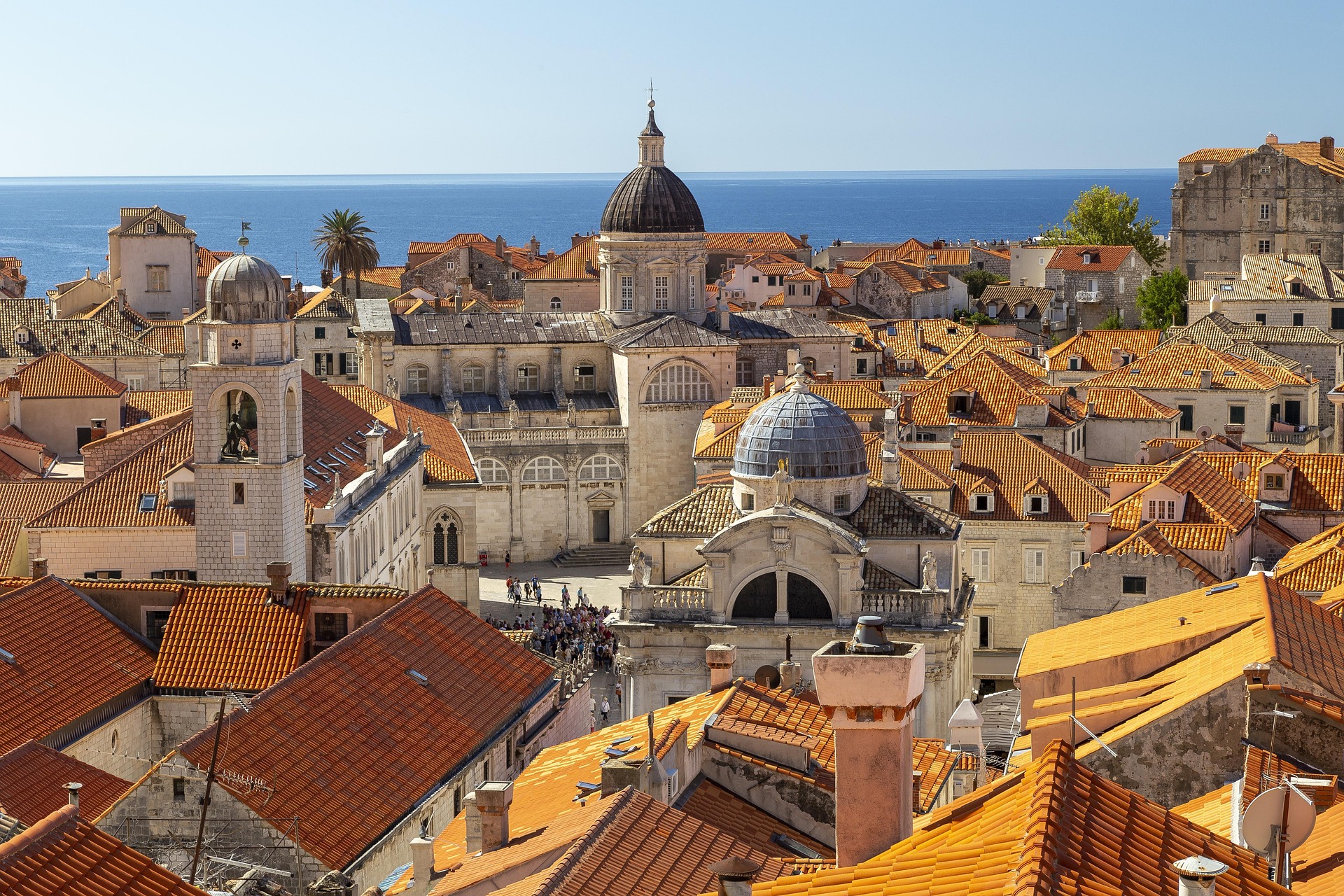
When I visited in July 2023 I started the wall walk at 8 am sharp, and the man at the ticket booth looked at me as if I was crazy. I wasn’t – by 10 am the walls and Stradun were packed. The full loop is about two kilometres and took me roughly two hours with photo stops, and it is basically a workout disguised as sightseeing: lots of stairs and almost no shade, so bring water and a hat.
I paid €35 back then, and the same ticket got me into Fort Lovrijenac – so don’t lose it. Prices have gone up since, so check the current price on the official City Walls website and buy there. The ticket is valid for one walk only and re-entry is not allowed.
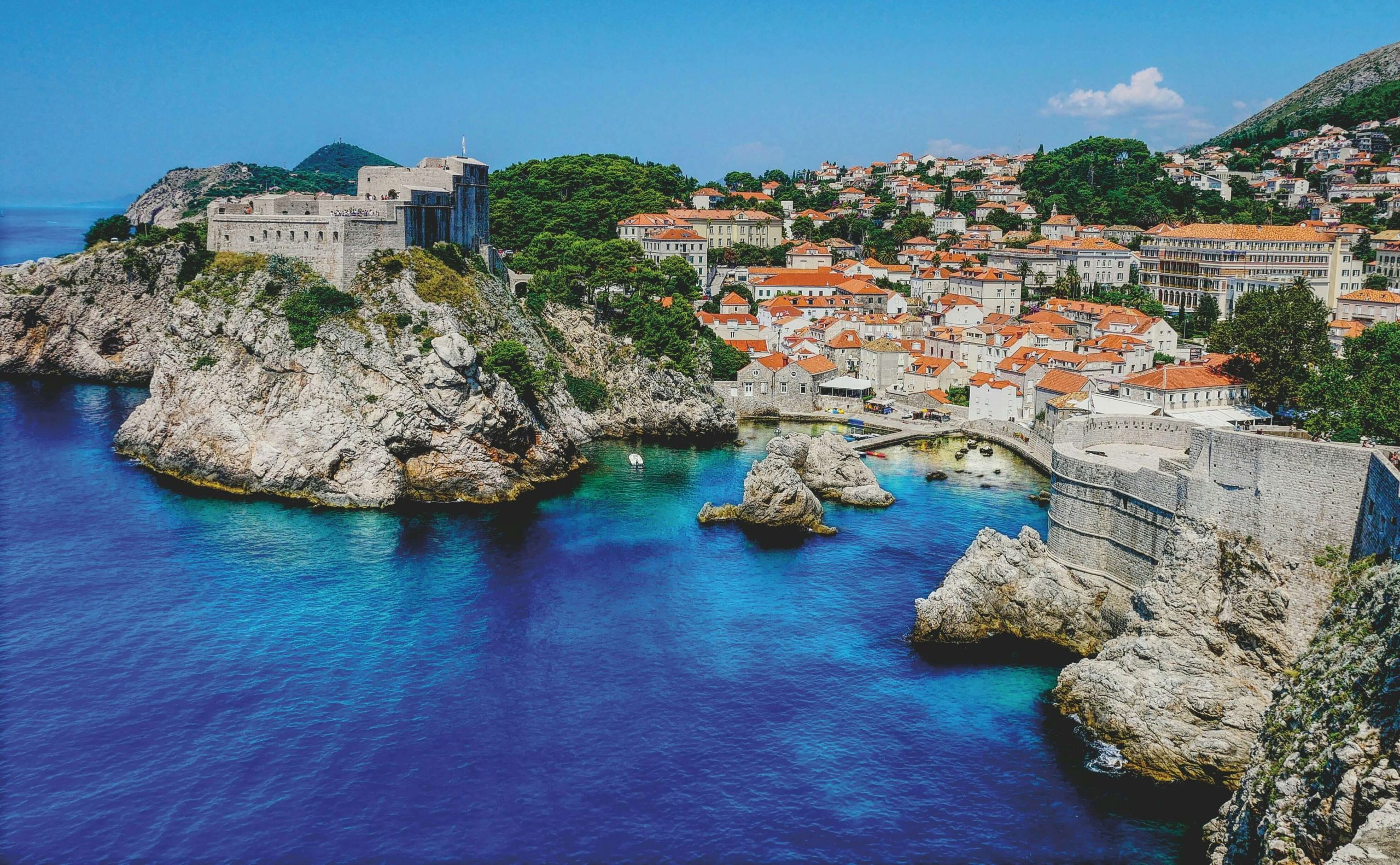

Late morning: Stradun, a macchiato and the Rector’s Palace
After the walls, wander down Stradun, the main street paved with limestone polished almost like a mirror. I had my coffee break at a tiny café in a side street, then visited the Rector’s Palace – the Gothic-Renaissance courtyard is beautiful. Entry is €15 for adults, or get the €20 combined ticket for ten Dubrovnik museums if you also want the Maritime Museum or Revelin; it is valid for 7 days. Museum ticket offices accept cards only (checked November 2026), according to Dubrovnik Museums.
Lunch: eat away from the main square
Food in the Old Town is a bit of a minefield, so choose by reviews, not by the view. My favourites from my own day: Konoba Dalmatino near the cathedral for black risotto, Konoba Kopun for traditional Dubrovnik dishes like green menestra, and the sandwich bar near Pile Gate for a quick, cheap lunch. My one mistake: a restaurant chosen purely for its panorama – reheated seafood pasta and indifferent service. Lesson learned.
Afternoon: Mount Srđ by cable car (or a swim)
The cable car shoots almost straight up to Mount Srđ, and the view of the walls forming a ring around the Old Town, with the Elaphiti islands scattered in the distance, is unreal. I’m slightly afraid of heights, so the ride up was… interesting, but I ended up sitting on a bench at the top for nearly two hours.
Prices (checked November 2026): €30 return or €17 one-way for adults, €8 return for children aged 4–12, free under 4 (it was €27 when I went). It runs from April to November – until midnight in June, July and August, but only 9:00–17:00 in November – and it is closed from December to March, so winter visitors should plan the hiking trail up instead. Payment is in euros or by card; see the official timetable.

Prefer the sea? Banje beach is a short walk from Ploče Gate, with Old Town views from your towel.
Evening: sunset at a Buža bar
The Buža bars are hard to find – I searched for twenty minutes until a local kid pointed at what looked like a crack in the stone. You squeeze through the hole in the wall and suddenly you’re on rocks hanging over the sea. My beer cost €8 (ouch), but watching the sky turn orange-pink with thirty other people in comfortable silence is one of my favourite travel moments ever. For dinner, Restaurant Dubrovnik did a great lamb peka for me, and Restaurant 360 on the walls is the splurge – book weeks ahead.
Day 2: Ston, oysters and the Pelješac peninsula
Area: Ston, Mali Ston and Pelješac, north-west of Dubrovnik. Full details in my one day on Pelješac guide.
This day turns a city break into a real Croatia trip: Pelješac is a rugged peninsula of vineyards, oyster beds and fishing villages that most Dubrovnik visitors never see. A car is the easiest way to do it – that’s how I explored it.
Morning: the Walls of Ston (about 1 hour from Dubrovnik)
Leave Dubrovnik by 8:30 to beat the heat. The Dubrovnik Republic started building Ston’s walls in 1333 to defend its newly acquired peninsula and the valuable salt works; originally they were about 7 km long, with the “Big Wall” climbing the hill between Ston and Mali Ston. Walking a section gives you views over the salt flats and the bay. Tickets are sold by the same society that runs the Dubrovnik walls – check the current price on the Walls of Ston page before you go.
Midday: oysters in Mali Ston
Mali Ston Bay is famous for its oysters, and eating them a few metres from where they are farmed is the whole point. Two places on the waterfront: Bota Šare, which offers oyster tastings, and Restaurant Kapetanova kuća at Hotel Ostrea, run by the Kralj family. If you’re not an oyster person, order the fish of the day – just ask the weight first, because fish on the Croatian coast is priced by the kilo.
Afternoon: Plavac Mali, viewpoints and Orebić
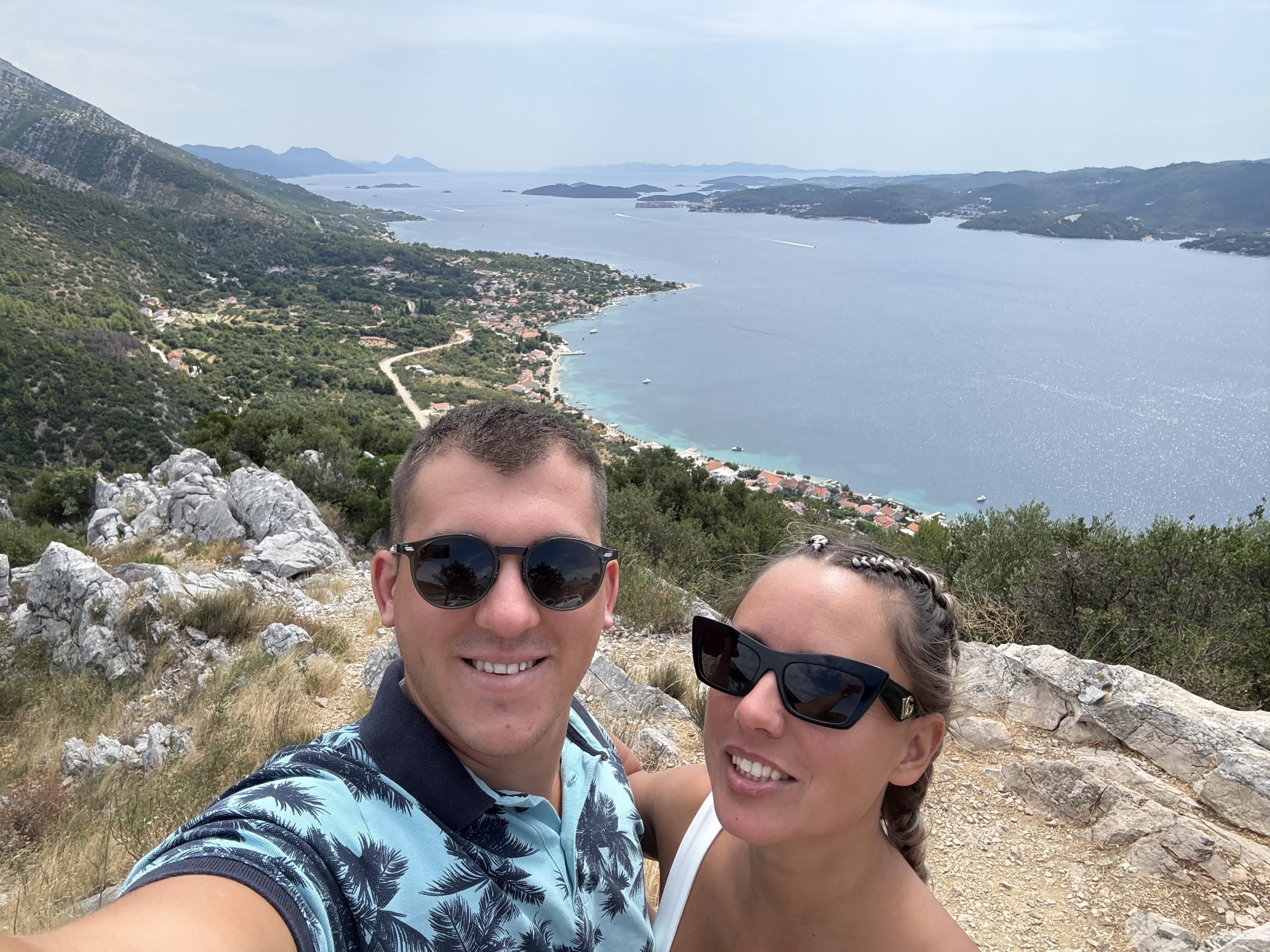
Drive on along the peninsula’s wine road. Near Ston, the family-run Miloš winery in Ponikve offers a guided cellar visit with wine and olive-oil tasting – book a slot in advance. Then continue towards Orebić (about 45 minutes from Ston). On the winding roads towards Donja Nakovana I stopped at a viewpoint where I could see Korčula, Hvar and the small islands around them – locals say you can spot Italy on a clear day.
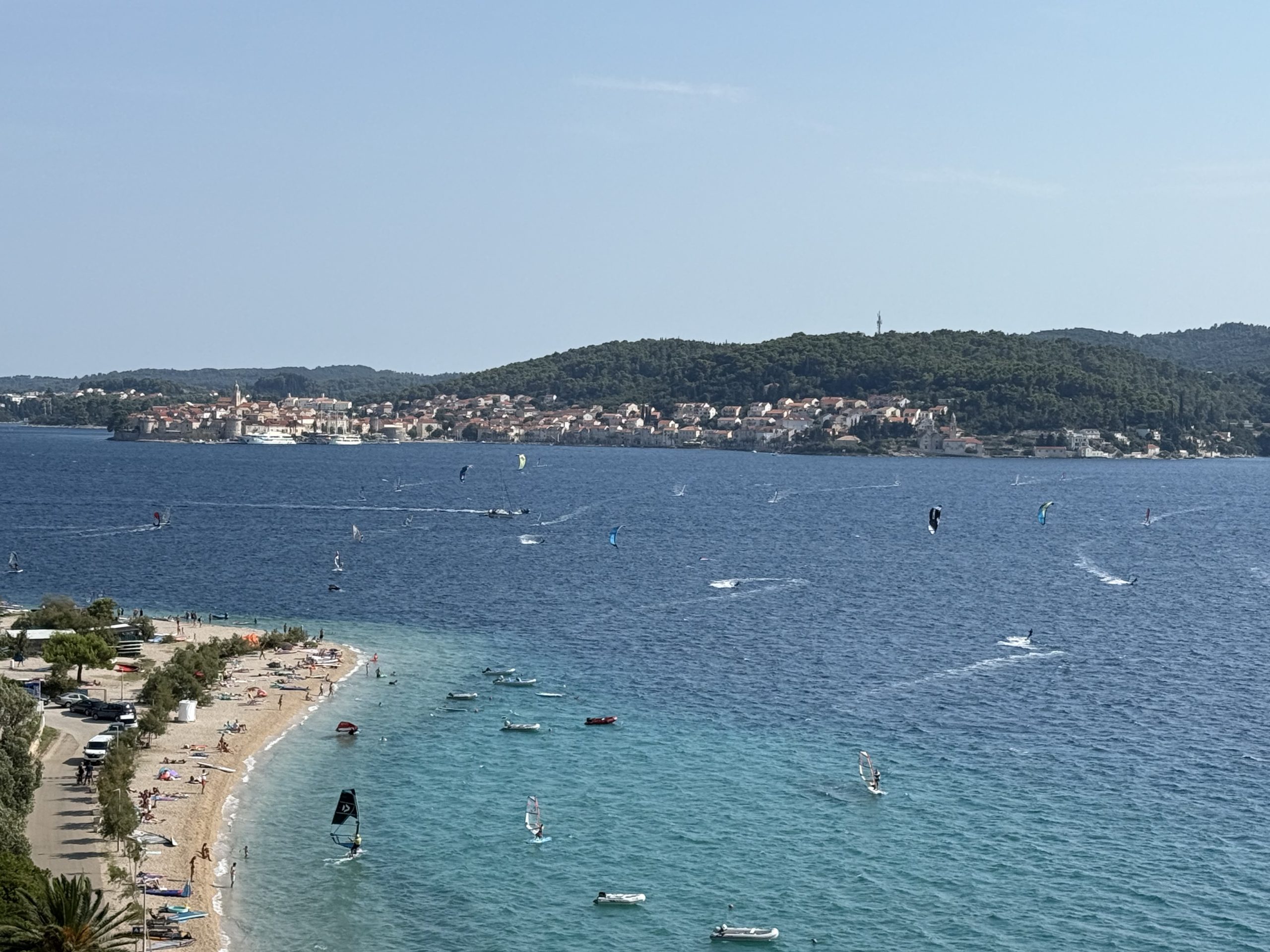
In Orebić, stroll the seaside promenade past the old captains’ houses and grab a coffee looking across to Korčula town. If you have energy left, Viganj, just west of Orebić, is the windsurfing capital of Croatia – even if you don’t surf, watching the colourful sails is mesmerising.
Evening: back to Dubrovnik – or stay the night
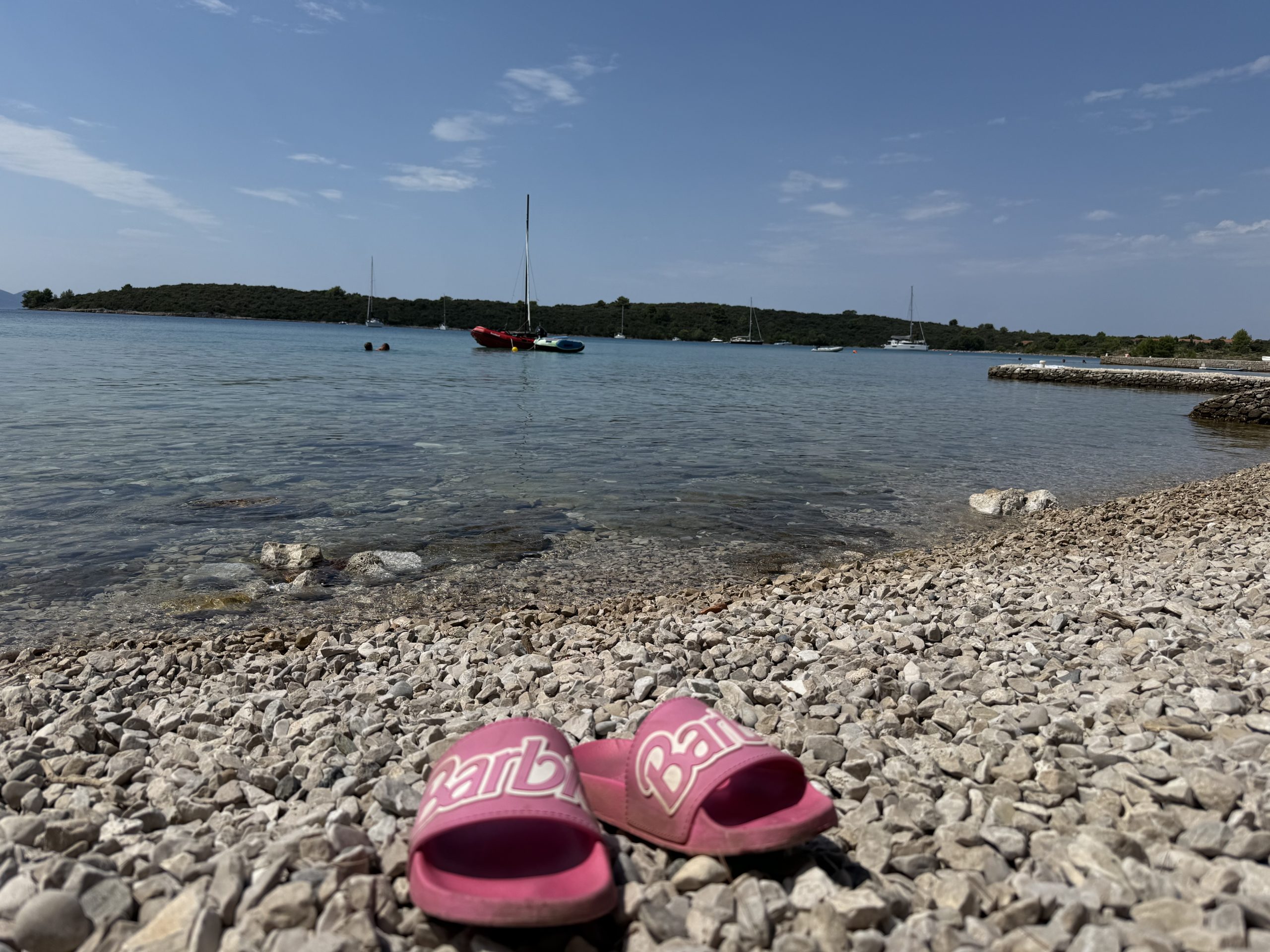
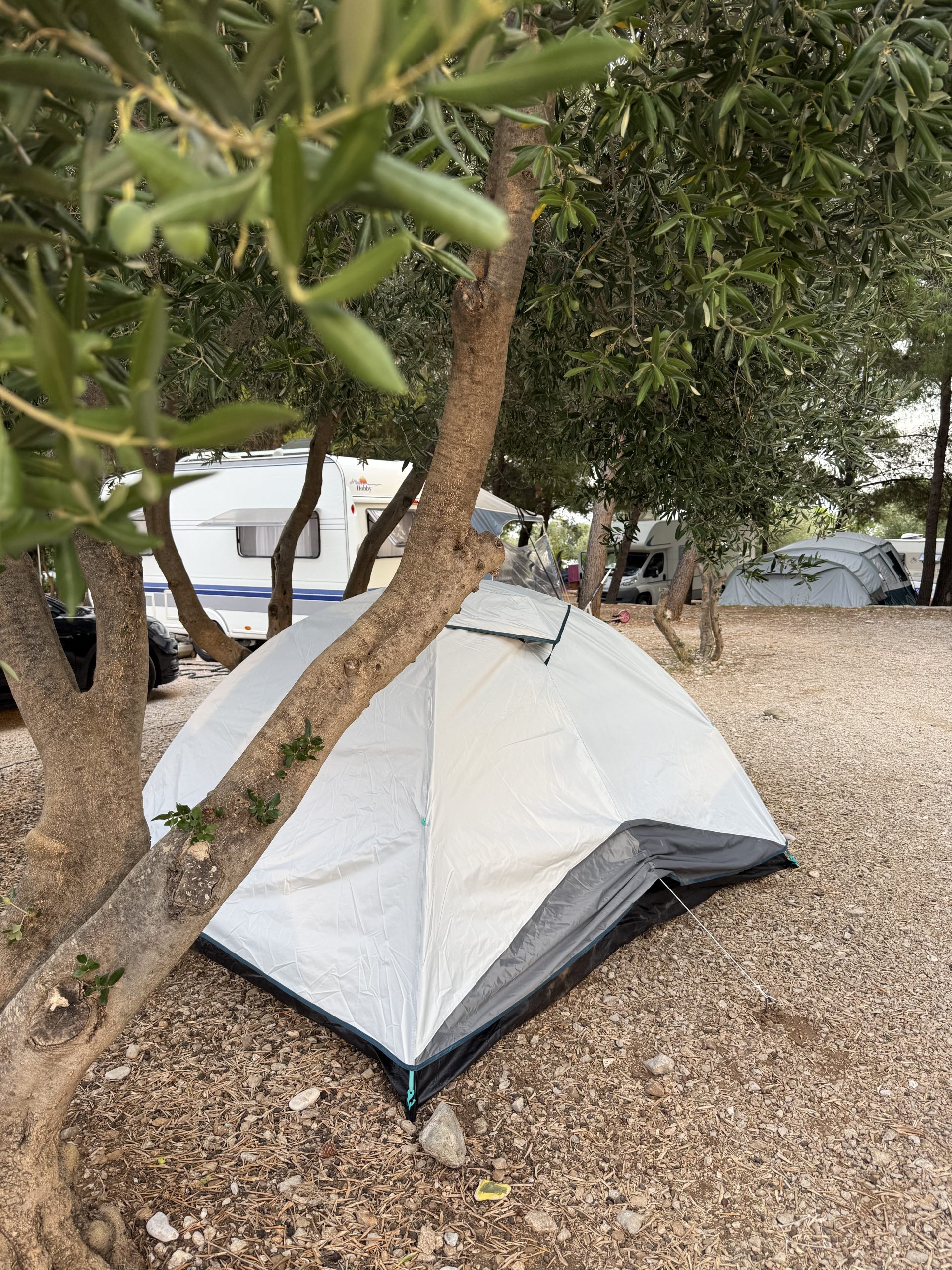
From Orebić, Dubrovnik is roughly a 1¾–2-hour drive, so leave after sunset only if you are comfortable on dark coastal roads. My tip: sleep on Pelješac instead. I camped in a tent at Camp Nevio near Orebić, and further out at the tip of the peninsula I swam at Lovište at sunset and ate the most tender squid by the harbour. If you do plan wine tastings, have a non-drinking driver or book a tour – Croatian police are very visible on these roads.
No car? Libertas buses run from Dubrovnik to Ston (one-way €6.40 (checked November 2026)), which is enough for the walls and oysters. To see the rest of the peninsula without driving, book a Ston/Pelješac day tour from Dubrovnik that includes the oyster and wine stops.
Day 3: Lokrum, the Elaphiti islands or Cavtat
Your last day is a sea day. Pick one of these three – all are easy without a car.
Option A: Lokrum island (half day)
Lokrum is a forested nature reserve 15 minutes by boat from the Old Port, with a mysterious abandoned Benedictine monastery that’s perfect for exploring, historic gardens and rocky swimming spots. The official ticket is €30 per person and includes entry to the reserve and the return boat from the Old City Port (ticket office at Luža) (checked November 2026). Important: if you arrive on a private boat or water taxi, you still pay the €30 entry on the island, so a “cheap Lokrum boat” from a tout doesn’t save you anything. Boats run more often in summer; in the November 2026 timetable they left hourly from 10:00 to 15:00, with the last boat back at 16:00, and nothing sails in bad weather – see lokrum.hr.
Option B: Lopud and the Elaphiti islands (full day)
When I had more time in Dubrovnik, I took a day trip to Lopud and spent hours on its sandy beach – a real rarity in Croatia. You can do it cheaply on the public Jadrolinija passenger line 807 (Dubrovnik – Koločep – Lopud – Šipan). In the 2026 timetable it left Dubrovnik at 10:00 from Monday to Saturday, reaching Lopud in about 45–55 minutes, with returns from Lopud in the early afternoon and around 18:00 – check the current Jadrolinija timetable before you go. Prefer to paddle? Adriatic Kayak Tours runs half- and full-day trips from its kayak centre on Lopud, including an Elaphiti Green Cave kayak tour.
Option C: Cavtat (half day)
Cavtat is a charming little coastal town about 30 minutes south of Dubrovnik – much quieter, but just as pretty, and a nice place for a last long lunch. The Libertas bus costs €4 one-way (checked November 2026). Cavtat is also close to the airport, so it works well on a departure day.
Variation: fly into Split, out of Dubrovnik
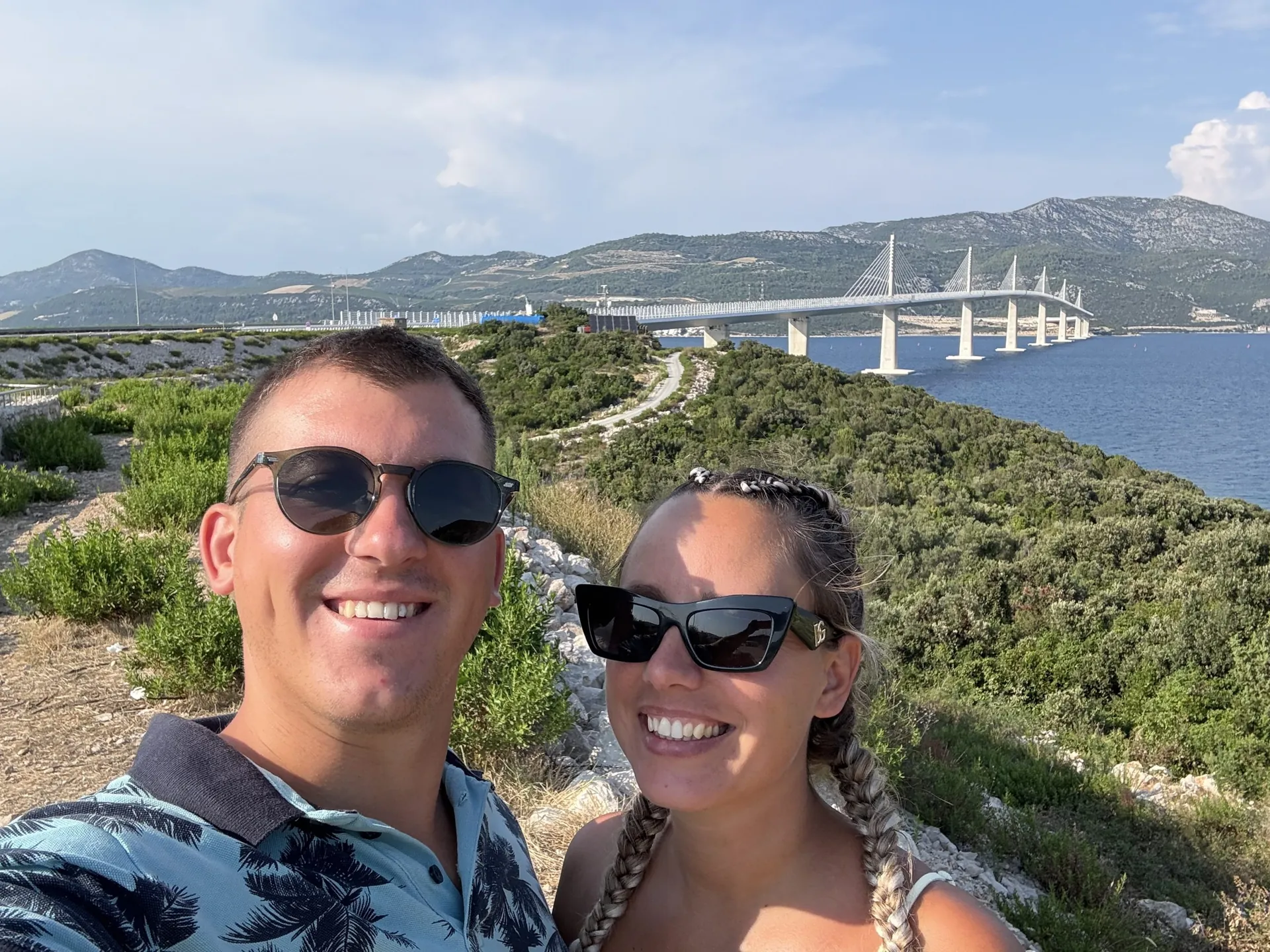
Flights into Split are often cheaper. In that case, do the same trip as a one-way road trip: spend day 1 in Split, then on day 2 drive south over the Pelješac Bridge (since 2022 you no longer need to cross Bosnia and Herzegovina at Neum). Right after the bridge, pull over at the viewpoint – it is my favourite first stop on the drive to Dubrovnik. Continue to Ston for oysters and reach Dubrovnik in the evening; spend day 3 there. The drive from Split to Ston is roughly 2–2½ hours without stops. Check one-way drop-off fees before you book a rental car.
Alternative 1: Split, Trogir and Krka or Omiš
Split is a city I keep coming back to. Choose this route if you fly into Split, travel with kids or teens, or want something active. Split is your base for all three nights.
| Day | Area | Highlights | Overnight |
|---|---|---|---|
| 1 | Split | Diocletian’s Palace · cathedral bell tower · Riva · Marjan hill or Bačvice beach | Split |
| 2 | Krka National Park or Omiš | Skradinski buk waterfalls and Visovac boat trip – or ziplining and rafting in the Cetina canyon | Split |
| 3 | Trogir | UNESCO island-town · Kamerlengo Fortress · Cathedral of St Lawrence · beach on Čiovo | Split / fly home (Split airport is next to Trogir) |
Day 1: Split and Diocletian’s Palace
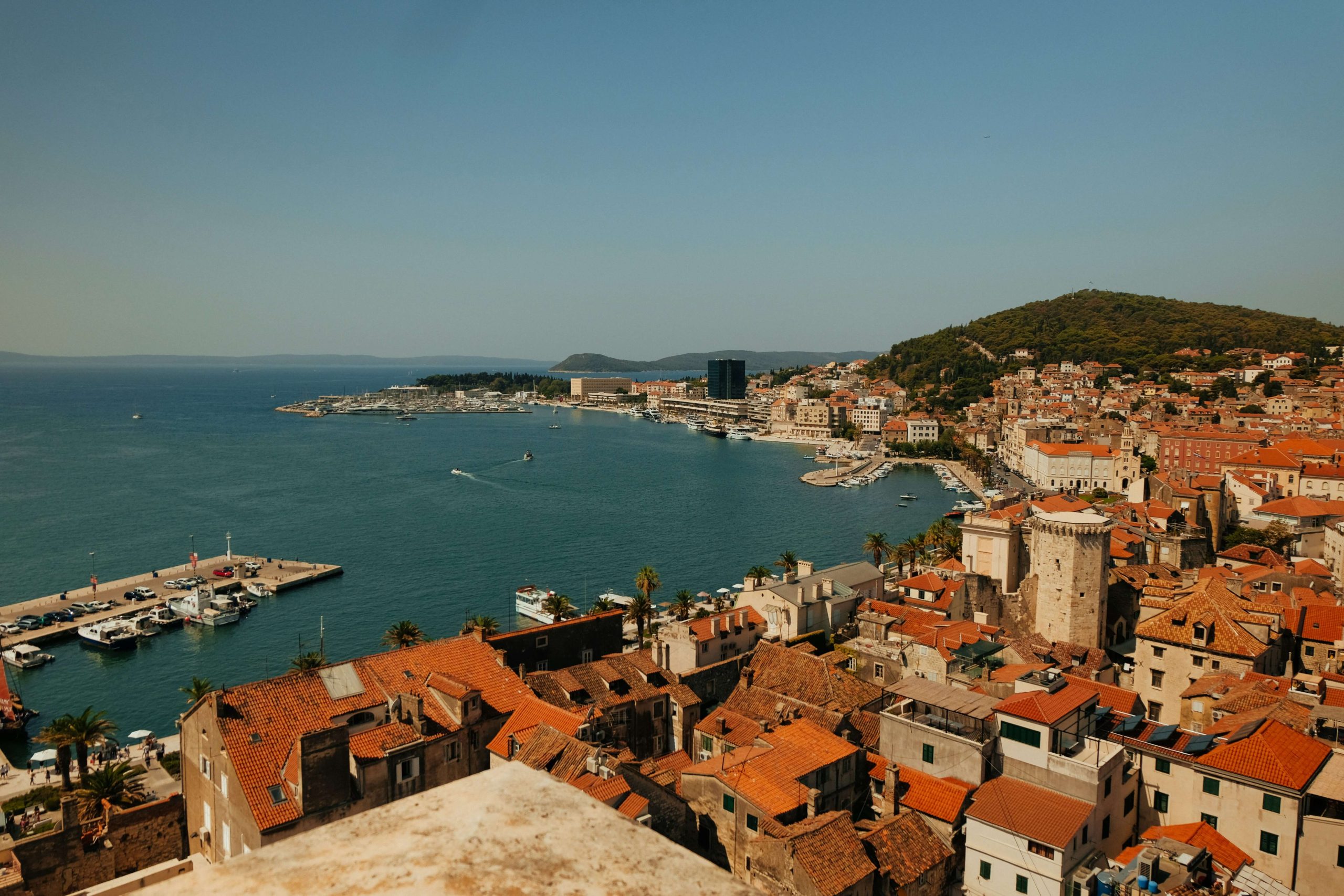
Split’s old town lives inside the walls of a Roman emperor’s retirement palace – people still live, eat and drink between ancient columns. My tip: start early at the Peristyle, explore the palace basements, climb the cathedral bell tower for the view, and have lunch on a side street rather than on the Riva. In the afternoon walk up Marjan hill from the Varoš quarter or swim at Bačvice, Split’s sandy city beach.
Day 2, option 1: Krka National Park and Šibenik
Krka is about an hour’s drive from Split, and it’s my favourite nature day from the city. Enter at Lozovac (shuttle bus down to Skradinski buk) or at Skradin (boat up the river) – the park bus and boats run from 1 April to 31 October. Walk the boardwalks around Skradinski buk, then take the park boat to the island monastery of Visovac (2 hours, €15 for adults). On the way back stop in Šibenik for St James Cathedral and the fortress views.
Official 2027 park prices for adults (checked November 2026): €40 in June–September (€30 if you enter after 15:00), €20 in April, May and October, and €7 from November to March; children aged 7–18 pay €15 / €12 / €4. Swimming is only allowed at marked spots at Roški slap, Stinice and Pisak between 1 June and 30 September – not under the big Skradinski buk falls anymore. Source: NP Krka price list and FAQ.

Day 2, option 2: Omiš – zipline and the Cetina canyon
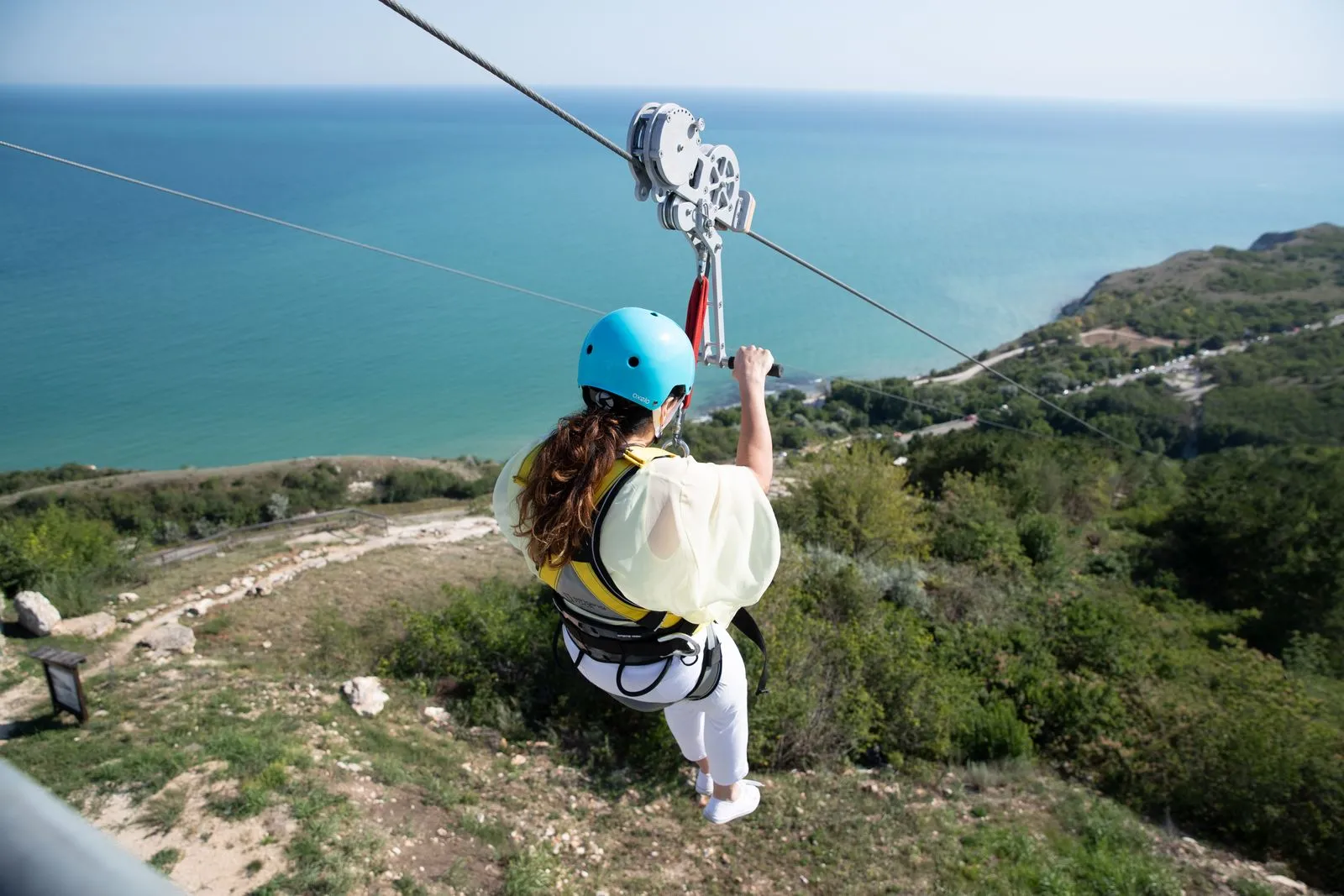
Omiš is 30–40 minutes south of Split, where the Cetina river cuts through a dramatic canyon to the sea. Zipline Croatia runs 8 lines with a total length of 2,100 m – the longest is 700 m and you fly up to 150 m above the canyon. The tour takes up to 2.5 hours, starts 3 km from Omiš and costs €80 per person including two guides, equipment and transfer to the start (checked November 2026). I like to add lunch in Omiš old town and an afternoon swim. More options in my guide to the best ziplines in Croatia.
Day 3: Trogir
Tiny Trogir sits on its own island, just minutes from Split airport, which is why I always save it for the last morning. Walk the Riva, climb the Venetian Kamerlengo Fortress, see Radovan’s portal on the Cathedral of St Lawrence and get lost in the stone alleys. From Split, local bus 37 runs regularly and takes around 40 minutes; in summer you can also take a boat. After lunch, cross the bridge to Čiovo for a swim before heading to the airport.
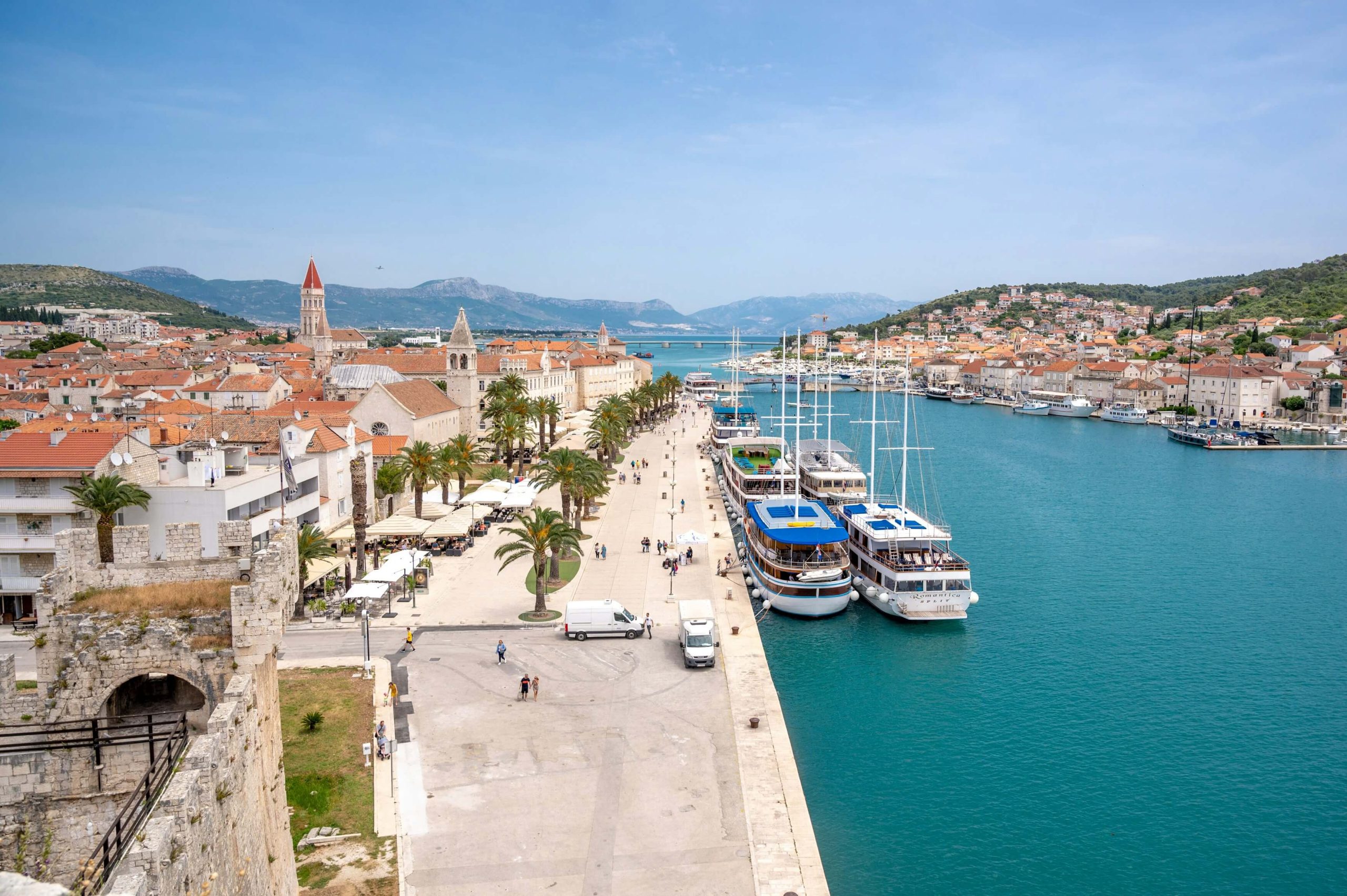
Got a beach day spare? Makarska and its pebble beaches under the Biokovo mountain are about an hour south of Split.
Alternative 2: Zadar and the island of Pag
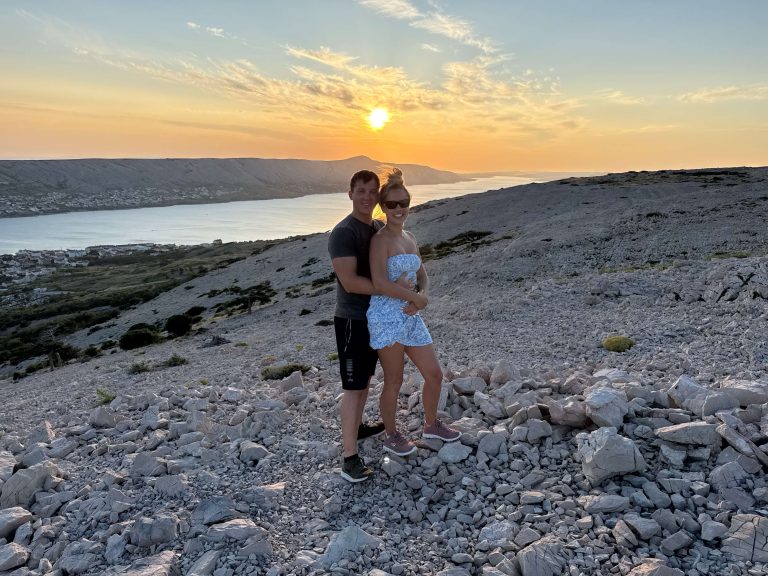
This is the most relaxed of the three plans, and the one with the best sunsets – the photo of me at the top of this guide was taken above Zadar’s rooftops at sunset. You need a car for Pag.
| Day | Area | Highlights | Overnight |
|---|---|---|---|
| 1 | Zadar | Roman Forum · St Donatus · bell tower · Sea Organ and Greeting to the Sun at sunset | Zadar |
| 2 | Pag island | Fortica above the Pag Bridge · Pag town and lace · Pag lamb lunch · Ručica beach · sunset | Zadar (or Novalja) |
| 3 | Krka or Nin | Krka waterfalls (about 1 hour) – or Nin and its lagoon beaches, then fly home | Fly home |
Day 1 – Zadar. Start with a coffee on Kalelarga, then wander the Roman Forum, the largest on the eastern Adriatic – I spent a good hour just walking among the columns. Next door, the round 9th-century church of St Donatus cost me €5 to enter, and climbing the bell tower of St Anastasia’s Cathedral gave me the best views of the day. In the evening, sit on the marble steps of the Sea Organ and listen to the waves play music, then watch the Greeting to the Sun light up after sunset. I finished my day with a seafood platter at Restaurant Foša by the Land Gate.


Day 2 – Pag. Drive about an hour north and cross the Pag Bridge, then pull over right after it and climb to Fortica, a small fortress with a view over the bridge and the moon-like island. Explore Pag town (famous for its lace), have Pag lamb for lunch – my favourite is Konoba Bodulo – and swim at Ručica near Metajna. For sunset, drive up to the viewpoint at the antennas or hike Sveti Vid. In summer, Zrće beach near Novalja is the Adriatic’s party capital. In winter, the bura wind can close the bridge and ferries, so check the forecast. Everything else is in my Pag island guide.

Where to stay
I only list properties I confirmed on their official websites, with a budget category instead of guessed prices.
Dubrovnik
- Luxury – Rixos Premium Dubrovnik: a modern seafront resort with a private beach area, about 1.5 km from the Old Town. Good if you want pools and comfort after the walls.
- Upper mid-range – Valamar Lacroma Dubrovnik: on the green Babin Kuk peninsula overlooking the Elaphiti islands, close to beaches, with city buses to the Old Town.
- Mid-range – Hotel Lapad: a city hotel on the Gruž–Lapad waterfront, handy for the Jadrolinija boats to the Elaphiti islands and for buses into the Old Town.
- Budget – Hostel Angelina Old Town: right inside the city walls, perfect for solo travellers who want to be on the walls at 8 am.
Tip: staying outside the walls (Lapad, Gruž, Ploče) is cheaper and easier with luggage – parking near the Old Town is the most expensive in Croatia. When I drove in July 2023, I saw €10 per hour in some spots and €200 for a day ticket in the zone next to the Old Town.
Ston and Pelješac (if you stay a night)
- Mid-range – Hotel Ostrea, Mali Ston: a small family hotel in a renovated old house, with the Kapetanova kuća restaurant downstairs. Official rates from 1 November to 31 December 2026 were €130–155 for a double with breakfast, and the listed base price (10 September 2026) €160–185, tourist tax included (checked November 2026).
- Budget / camping – Camp Nevio, Orebić: where I stayed with our tent. I know the family who runs it from years ago, when we used to ski together in Kupres. They also have mobile homes, plus a beach and a café.
Split
- Luxury – Hotel Vestibul Palace: a boutique hotel inside Diocletian’s Palace, member of Small Luxury Hotels of the World.
- Upper mid-range – Hotel Park Split: a classic hotel next to Bačvice beach, a short walk from the old town.
- Mid-range – Cornaro Hotel: a modern hotel right on the edge of the old town.
- Budget – Hostel Dvor: a hostel in a residential street east of the centre (Radmilovića 71), about a 20-minute walk from the Riva.
Zadar
- Luxury – Falkensteiner Hotel & Spa Iadera: a five-star resort on the Punta Skala peninsula outside Zadar – best if you have a car.
- Mid-range – Hotel Bastion: a small hotel on the old town peninsula, a few minutes’ walk from the Sea Organ.
- Budget – Boutique Hostel Forum: next to the Roman Forum in the heart of the old town.
Tours and experiences worth booking
| Experience | What’s included | Duration | Price (checked November 2026) |
|---|---|---|---|
| Lokrum official ferry + entry | Return boat from Dubrovnik Old Port + reserve entry | Half day | €30 |
| Trsteno & Lokrum boat trip | Boat Dubrovnik – Trsteno – Lokrum – Dubrovnik + Lokrum entry (Trsteno Arboretum extra) | Most of a day | €42 (+ €8 Trsteno) |
| Dubrovnik Cable Car | Return ride to Mount Srđ | 1–2 h | €30 adult |
| Adriatic Kayak Tours | Guided sea kayaking from their Lopud kayak centre, e.g. Elaphiti Green Cave tour | Half or full day | See operator |
| Bota Šare oyster tasting | Mali Ston oysters at the source | 1 h | See restaurant |
| Miloš winery tasting | Cellar tour + wine and olive oil tasting, by appointment | 1–1.5 h | See winery |
| Zipline Croatia, Omiš | 8 lines over the Cetina canyon, 2 guides, gear, transfer to start | Up to 2.5 h | €80 |
| Krka park boat to Visovac | Boat from Skradinski buk to the Visovac island monastery and back | 2 h | €15 adult (+ park ticket) |
Getting around in 3 days
From the airport
The official Platanus airport shuttle connects both Dubrovnik and Split airports with the city: €10 one-way, €15 return (checked November 2026). From Dubrovnik airport it takes about 35 minutes to Ploče Gate by the Old Town, then continues to the main bus station; from Split airport about 30 minutes to the main bus station. A one-way ticket is valid for any departure that day, so a delayed flight is no problem; a return is valid for 15 days.
Dubrovnik city buses
Libertas runs all city and regional buses. Official fares (checked November 2026): €2.50 for a ticket bought from the driver, €1.73 for a 1-hour ticket, €5.31 for 24 hours and €11.95 for 72 hours. Regional one-way tickets: Cavtat €4.00, Slano €3.70, Ston €6.40. Buy pre-paid tickets at kiosks – the driver price is higher. Timetables are on the Libertas website and in their app.
Car hire, parking, taxis and boats
- Car: only worth it for day 2 (Pelješac) or for the Zadar–Pag plan. In Dubrovnik and Split, park outside the old towns and walk or take the bus.
- Taxis and ride-hailing: Uber and Bolt both work in Dubrovnik and Split and are handy late at night or with luggage.
- Boats: the official Lokrum boat leaves from the Old Port; Jadrolinija line 807 to Koločep, Lopud and Šipan runs all year from Dubrovnik.
- Between cities: buses connect Split and Dubrovnik several times a day; in summer, catamarans also run along the coast. Book ahead in July and August.
How much do 3 days in Croatia cost?
Rough daily budgets per person in summer, from my Croatia guide: budget €50–70 (hostel or campsite, bakery breakfasts, buses), mid-range €100–150 (private apartment, konoba dinners, a few tours or ferries) and comfort €200+ (boutique hotel, rental car, boat trips, wine tastings). Dubrovnik sits at the top end; May, June and September can easily save you 30% or more. Here are the official prices for this itinerary’s big-ticket items:
| Item | Official price (checked November 2026) | Source |
|---|---|---|
| Airport shuttle Dubrovnik or Split | €10 one-way / €15 return | Platanus |
| Dubrovnik city walls (incl. Fort Lovrijenac) | €35 when I went in 2023 – check current price | City Walls Dubrovnik |
| Rector’s Palace / 10-museum ticket | €15 / €20 (7 days) | Dubrovnik Museums |
| Cable car to Mount Srđ | €30 return, €17 one-way | Dubrovnik Cable Car |
| Lokrum boat + entry | €30 | Lokrum Reserve |
| Bus Dubrovnik – Ston / Cavtat | €6.40 / €4.00 one-way | Libertas |
| 24-hour Dubrovnik bus ticket | €5.31 | Libertas |
| Krka National Park (adult, 2027) | €40 Jun–Sep · €20 Apr/May/Oct · €7 Nov–Mar | NP Krka |
| Zipline in Omiš | €80 | Zipline Croatia |
| Hotel Ostrea, Mali Ston (double, B&B) | €130–155 (Nov–Dec 2026), base €160–185 | Hotel Ostrea |
Most accommodation adds a small nightly tourist tax (some, like Hotel Ostrea, include it in the price), and budget for €8-ish beers at the most scenic bars.
Best time for a 3-day trip to Croatia
My favourite months are late May to June and September to early October: warm sea, long days, full ferry timetables and far fewer people than in July and August. In July and August it regularly goes above 30 °C – sightsee early and swim at midday.
- Winter (November–March): wonderfully quiet and cheap – Krka costs just €7 – but the Dubrovnik cable car is closed from December to March, Lokrum boats run only a few times a day, many island hotels close and the bura wind can stop ferries and the Pag Bridge.
- Cruise ships: Dubrovnik limits cruise calls to two ships and 4,000 passengers at a time under its “Respect the City” programme, but cruise days are still the busiest. Check the port schedule and plan the walls for early morning or late afternoon.
What to pack, money, safety and scams
What to pack
- Water shoes – most beaches are pebbly or rocky and sea urchins are common.
- Comfortable shoes with grip: the walls of Dubrovnik and Ston are steep and the limestone is slippery.
- A hat, sunscreen and a refillable bottle – there is little shade on the walls, and tap water is safe to drink everywhere in Croatia.
- A cover-up: walking around old towns like Split and Dubrovnik in swimwear or shirtless is not allowed.
Money and cards
Croatia uses the euro. Cards are accepted almost everywhere – Dubrovnik Museums even take cards only – but keep some cash for small konobas, markets, parking machines and bakeries. Tipping isn’t mandatory; rounding up or leaving around 10% for good service is appreciated.
Safety and scams to avoid
- Croatia is one of the safest countries in Europe; just watch out for pickpockets on Stradun, on the Riva and on busy boats.
- Fish by the kilo: ask how much your fish weighs before it goes on the grill, so the bill isn’t a surprise.
- Lokrum touts: any boat to Lokrum still requires the €30 reserve ticket, so the official ferry is the best deal.
- View restaurants: a great terrace doesn’t mean good food – check recent reviews first.
- Fake ETIAS sites: ETIAS isn’t required yet (November 2026). When it launches, use only the official EU website.
Insider tips and tricks
- One base, no packing. The biggest mistake on a 3-day Croatia trip is changing hotels every night. Choose one base and do day trips.
- Walls first, everything else later. Be at the Dubrovnik walls when they open – by mid-morning the narrow sections turn into a queue.
- Old Town in 1–1.5 days is enough. Dubrovnik’s walled centre is compact; use the rest of your time for Ston, the islands or Cavtat.
- Park far, ride in. Drivers: leave the car at your hotel or in an outer zone and use a €5.31 24-hour bus ticket.
- Krka after 3 pm. In June–September, tickets for entry after 15:00 drop from €40 to €30 – and the morning crowds are gone.
- Oysters at the source. Eat them in Mali Ston, not in Dubrovnik – fresher and part of the experience.
- Trogir before your Split flight. It’s minutes from the airport, so a last morning there costs you no extra travel time.
- Eat where locals eat. Look for a konoba (family tavern) away from the main square, and order peka a few hours in advance.
More time? Longer Croatia itineraries and city guides
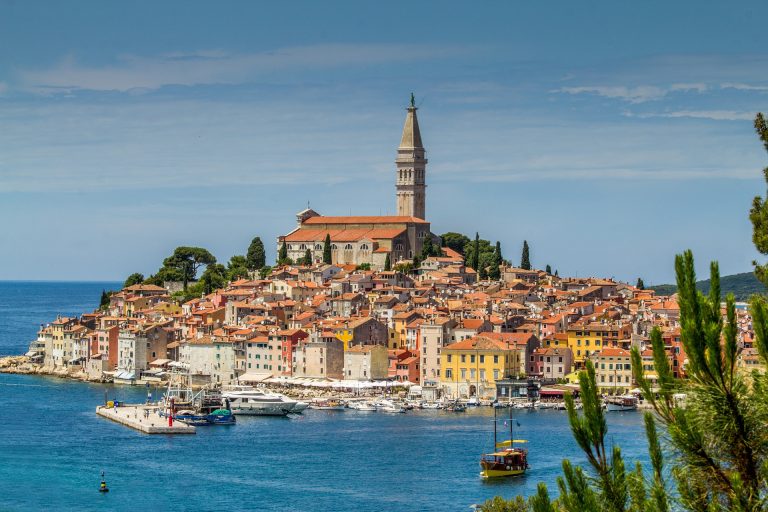
If you can stretch your trip, the coast opens up: 4 days in Croatia adds a second region, 5 days lets you combine Split and Dubrovnik, a week is my classic coastal road trip from Zadar to Dubrovnik, and 10 days or 14 days take you from Istria all the way south. For every stop there is a one-day guide: Dubrovnik, Pelješac, Trogir, Šibenik, Makarska, Zadar, Pag – and Rovinj if you’d rather spend your three days in Istria.

3 days in Croatia FAQ
Is 3 days enough for Croatia?
Three days is enough for one region, not the whole country. Focus on Dubrovnik and Pelješac, Split with Trogir and Krka or Omiš, or Zadar with the island of Pag, and use one base so you don’t lose time packing and driving.
Should I spend 3 days in Split or Dubrovnik?
Dubrovnik is more iconic and better for a first visit, especially combined with Ston and Pelješac. Split is cheaper, livelier and better for active day trips like Krka, Omiš and Trogir. Choose the one with the better flights.
Can I do Split and Dubrovnik in 3 days?
Yes, as a one-way trip: day 1 in Split, day 2 driving south over the Pelješac Bridge with stops at the viewpoint and in Ston, and day 3 in Dubrovnik. The drive itself takes several hours, so don’t add Plitvice or an island.
Do I need a car for 3 days in Croatia?
Not for Dubrovnik or Split themselves – buses, boats and tours work well. A car is very useful for a day on Pelješac and essential for the Zadar and Pag plan.
How much does the Dubrovnik cable car cost?
In November 2026 the official price was €30 return or €17 one-way for adults and €8 return for children aged 4 to 12. The cable car is closed from December to March and runs only 9:00 to 17:00 in November.
How much does Krka National Park cost in 2027?
According to the official 2027 price list, adults pay €40 from June to September (€30 after 15:00), €20 in April, May and October, and €7 from November to March. Children aged 7 to 18 pay €15, €12 or €4.
Can you swim at Krka waterfalls?
Only at marked spots at Roški slap, Stinice and Pisak, between 1 June and 30 September. Swimming and jumping elsewhere, including at Skradinski buk, is not allowed.
What is the best month for 3 days in Croatia?
June and September: warm sea, long days, full ferry timetables and far fewer crowds than July and August. Winter is cheap and quiet, but some attractions and island hotels close.
How do I get from Dubrovnik airport to the Old Town?
The official Platanus airport shuttle costs €10 one-way or €15 return and takes about 35 minutes to Ploče Gate next to the Old Town. Uber, Bolt and taxis are also available.

Miki Kokica
Travel blogger behind One Day Itinerary. I test every route myself and write honest, practical guides so you can make the most of a single day anywhere.
Work with me Instagram