Hi, I’m Miki! Five days is my favourite “first taste” of Croatia: long enough to see the two stars of the Dalmatian coast – Split and Dubrovnik – and everything beautiful in between, but short enough that you never feel you are only packing and unpacking. This route keeps it simple: two nights in Split, one spectacular road-trip day down the coast, and two nights in Dubrovnik. No zig-zagging to Plitvice and back, no six-hour bus rides you didn’t plan for.
Along the way you’ll walk through a Roman emperor’s palace, choose between the waterfalls of Krka and a day on Hvar, stop in pirate-town Omiš and on the Makarska Riviera, pull over at the Pelješac Bridge viewpoint (my favourite stop on the drive south), eat oysters in Ston and finish on Dubrovnik’s city walls. I’ve added realistic travel times, official 2026/2027 prices, named places to stay, tours worth booking and a no-car version. Want more detail on single stops? My one day in Dubrovnik and Pelješac in one day guides go deeper.
Day 1 – Split: Diocletian’s Palace, Riva and sunset on Marjan · Day 2 – day trip: Trogir + Krka waterfalls or Hvar · Day 3 – the coastal road: Omiš, Makarska, Pelješac Bridge and Ston oysters → Dubrovnik · Day 4 – Dubrovnik: city walls, Stradun, kayak or Lokrum, sunset · Day 5 – Lopud, Lokrum or Cavtat, then fly home from Dubrovnik.
Croatia 5-day itinerary: the route in one table
| Day | Area | Highlights | Overnight |
|---|---|---|---|
| 1 | Split | Diocletian’s Palace, cathedral bell tower, Riva, sunset on Marjan | Split |
| 2 | Trogir + Krka or Hvar | UNESCO Trogir and the Krka waterfalls by car – or a catamaran day on Hvar | Split |
| 3 | Split → Dubrovnik (coastal road) | Omiš, Makarska, Pelješac Bridge viewpoint, Ston walls and oysters | Dubrovnik |
| 4 | Dubrovnik | City walls at opening, Stradun, Lovrijenac, kayak or swim, sunset | Dubrovnik |
| 5 | Dubrovnik | Lokrum, Lopud or Cavtat in the morning, flight home | – |
That’s 4 nights. Fly into Split and out of Dubrovnik (or the other way round) – an open-jaw ticket saves you a whole day of backtracking, and both airports have an official shuttle bus into town. If your “5 days” means 5 nights, add a night on Pelješac or in Ston on day 3 – I explain how below.
Is 5 days in Croatia enough?
For one region, yes. Five days is perfect for central and southern Dalmatia – Split, the islands nearby and Dubrovnik. It is not enough to also add Zagreb, Plitvice, Zadar or Istria without spending half the trip on the road. If you have more time, my 7-day Croatia itinerary adds Zadar, Pag and Šibenik, and the 10-day and 14-day plans go from Istria all the way south. With less time, see my 3-day and 4-day plans.
Car or no car?
This route works best with a rental car picked up in Split and dropped off in Dubrovnik (expect a one-way fee – ask when you book). Day 3 is a road trip, and Krka is much easier by car. You don’t need a car inside Split or Dubrovnik, though – parking in Dubrovnik is painful (more below). No car? No problem: take the Krka or Hvar day trip by tour or catamaran, and on day 3 use the bus or a summer catamaran – the no-car version is below.
Day 1: Arrive in Split – Diocletian’s Palace and sunset on Marjan
Getting in: the official Platanus airport shuttle runs from Split Airport to the main bus station by the ferry port in about 30 minutes; a one-way ticket is €10 and a return €15 (checked November 2026). The bus station is a few minutes’ walk from the palace. Bolt and Uber both work in Split.
Afternoon: inside an emperor’s palace
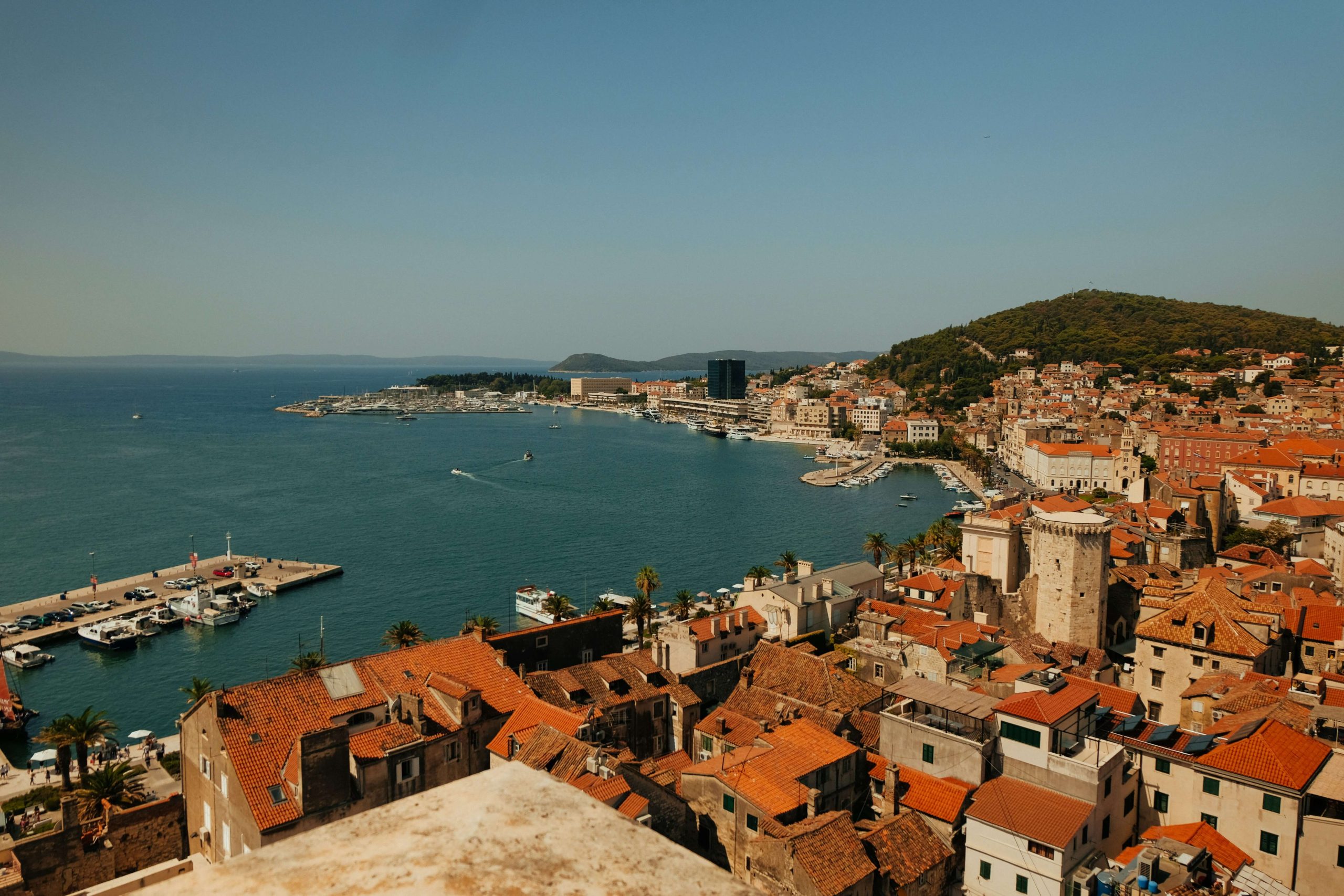
Drop your bags and walk into Diocletian’s Palace – not a museum behind a fence but a living neighbourhood inside a Roman palace from around 305 AD, with cafés, shops and apartments. I always start at the Peristyle, the colonnaded square in the middle, and step into the round Vestibule next to it.
- Cathedral of St Domnius – one of the oldest cathedral buildings in Europe, because it sits inside Diocletian’s own mausoleum. Look for the carved walnut doors.
- The bell tower (57 m) – climb the steps to the top for the best view over the palace, the harbour and the islands. It’s steep and narrow, so go before the cruise crowds or late in the day.
- The substructures (palace cellars) – the cool underground halls below the emperor’s apartments, with the souvenir passage leading to the Riva.
Tickets for the cathedral, bell tower and cellars are sold on site – prices change from season to season, so check at the counters before you go.
Evening: the Riva, Marjan and dinner in Varoš
My favourite Split evening: walk the palm-lined Riva, then climb the steps up Marjan, the forest-park hill above the city – 20 minutes up gets you a view over the old town and islands, and the Sedlo watchtower (148 m) is free. For dinner, wander into Varoš, the old fishermen’s quarter behind the Riva, and look for a konoba (family tavern) a street or two away from the main square – the prices drop the moment you leave the waterfront.
Day 2: Day trip from Split – Trogir + Krka or Hvar
Today you choose – both are easy day trips back to the same bed in Split.
| Option A: Trogir + Krka | Option B: Hvar | |
|---|---|---|
| Best for | Waterfalls, nature, a UNESCO old town | Island vibes, swimming, boat trips |
| How | Car or organised tour | Catamaran from Split (no car needed) |
| Travel time | Split–Trogir about 30 min, Trogir–Krka about 1 h, Krka–Split about 1 h 15 min | Catamaran about 1 h 05 min each way |
| Main cost | Krka ticket €40 in June–Sept (€30 after 15:00), €20 in Apr/May/Oct (checked November 2026) | Catamaran €25 each way on Jadrolinija line 641 (2026 fare, checked November 2026) |
Option A: Trogir in the morning, Krka waterfalls in the afternoon
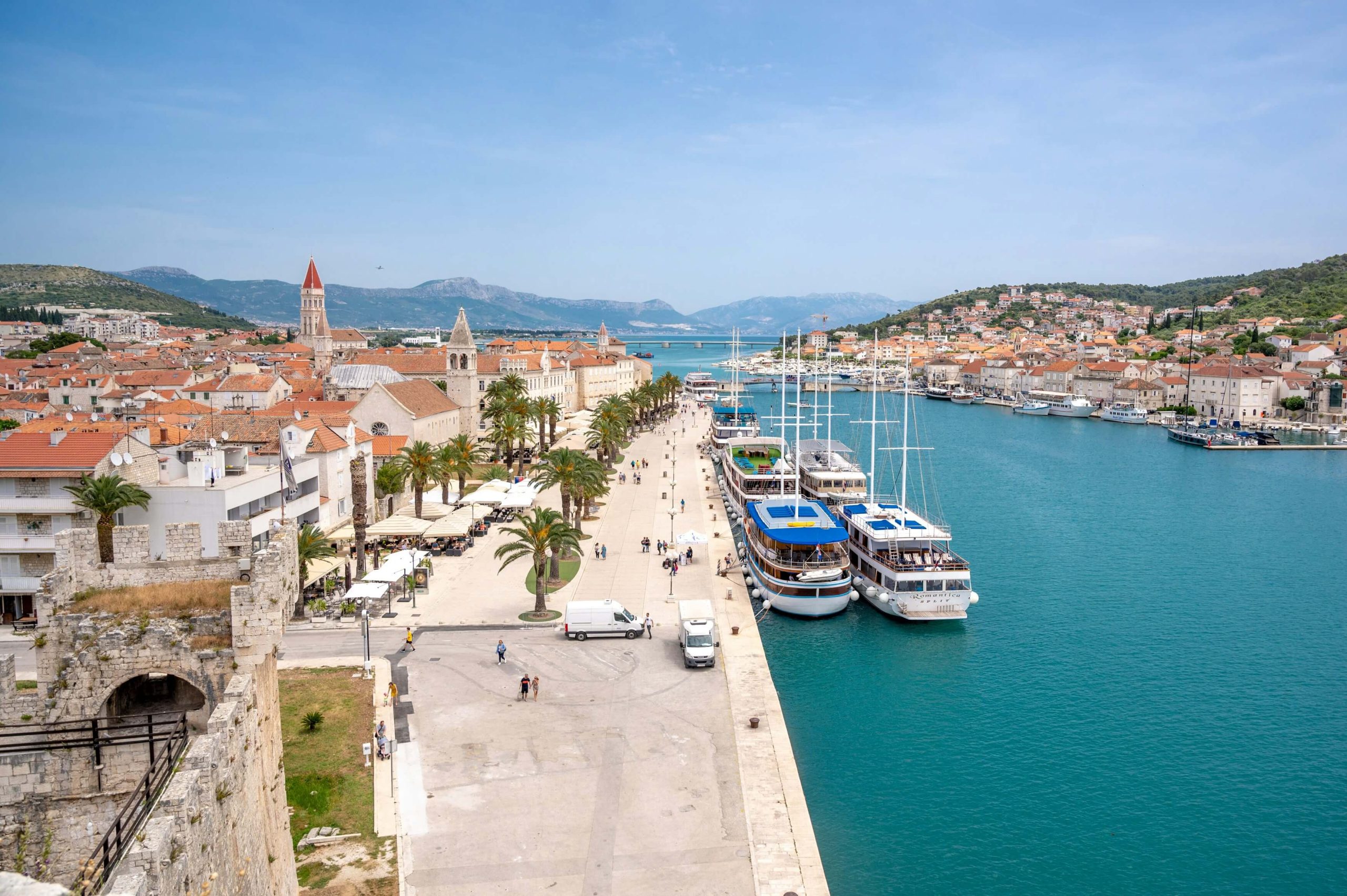
Morning – Trogir. Trogir is a tiny UNESCO-listed island town only minutes from Split airport. Walk the Riva, climb Kamerlengo Fortress for the view over the bay and stop at the Cathedral of St Lawrence for Radovan’s Portal, the 13th-century carved entrance. Two hours is enough for a first look; my Trogir in one day guide has the full walk plus lunch tips.
Afternoon – Krka National Park. Drive about an hour north to the Lozovac or Skradin entrance. From Skradin, the park boat takes you up the river to Skradinski buk, the big cascade; from Lozovac a park bus does the same. Both transfers are included in the ticket from 1 April to 31 October. Walk the boardwalk loop around the falls (allow about 2 hours), and if you have time add the park’s own boat excursion to the island monastery of Visovac (2 hours, €15).
| Krka entrance ticket (2027 price list) | Adult | Child 7–18 |
|---|---|---|
| June – September | €40 (€30 after 15:00) | €15 (€11.25 after 15:00) |
| April, May, October | €20 | €12 |
| November – March | €7 | €4 |
Children under 7 enter free. Prices from the official Krka price list (checked November 2026). My tip for Krka: in summer, buy online and arrive at opening or after 15:00 – the late ticket is cheaper and the crowds are thinner.

Got energy left? Šibenik is only 20 minutes from Lozovac – the St James Cathedral is UNESCO-listed and the old town is lovely at sunset. My Šibenik in one day guide has the details.
No car? Book a full-day Krka tour – see the tours section.
Option B: a day on Hvar
Take the morning catamaran from Split harbour to Hvar town. In 2026 Jadrolinija line 641 took about 1 hour 5 minutes and cost €25 per person each way (checked November 2026); Krilo and TP Line run extra summer catamarans. The 2027 timetable isn’t out yet, so check before you go and book the return boat in advance in July and August.
- Morning: St Stephen’s Square and cathedral, then the climb up to the Fortica (Spanish fortress) for the classic view over the harbour and the Pakleni islands.
- Midday: hop on a taxi boat to the Pakleni islands for a swim, or join a boat trip – Hvar Adventure runs a 6-hour Pakleni Islands sail, 4-hour sunset sailing and kayak tours.
- Late afternoon: a drink on the harbour – my favourite way to end a Hvar day – then the last boat back to Split.
Day 3: The coastal road – Omiš, Makarska, Pelješac Bridge and Ston
The day that makes the trip. Split to Dubrovnik is about 230 km – around 3 hours on the A1 motorway, but with coastal stops it fills the whole day, so leave by 8:30.
| Leg | Approx. drive time | Stop |
|---|---|---|
| Split → Omiš | 40 min | Mirabela fortress, Cetina canyon (1–2 h) |
| Omiš → Makarska | 45 min | Promenade, lunch, beach or Biokovo Skywalk (1.5–3 h) |
| Makarska → Pelješac Bridge | 1 h 15 min | Viewpoint photo stop (20 min) |
| Pelješac Bridge → Ston | 25 min | Walls and oysters (1.5–2 h) |
| Ston → Dubrovnik | 1 h | Arrive for dinner |
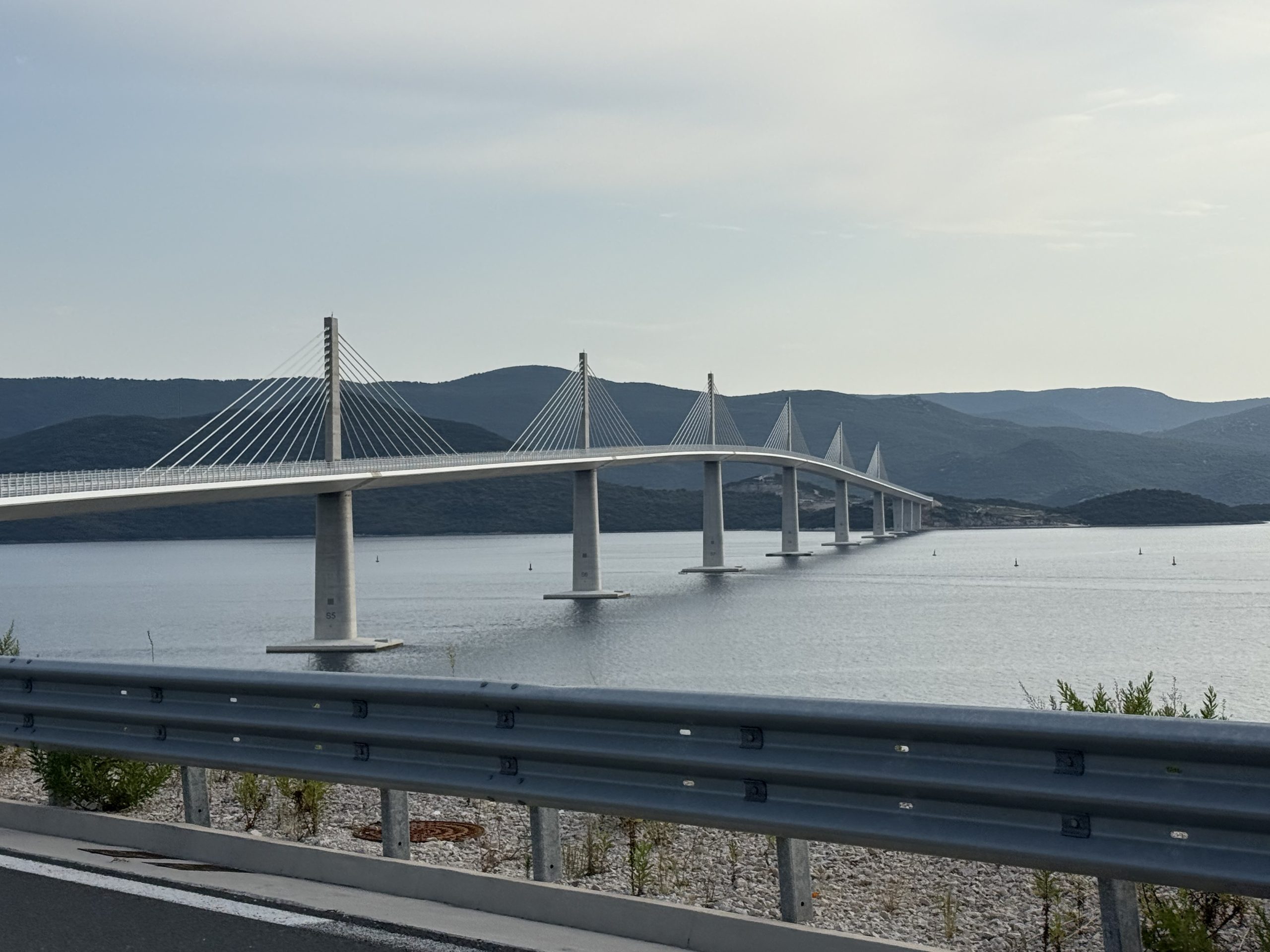
Times are approximate and grow in July and August. Thanks to the Pelješac Bridge (opened 2022) you stay in Croatia and skip the two border checks at Neum in Bosnia and Herzegovina.
Morning: Omiš, the pirate town
Omiš sits where the Cetina river cuts through the mountains into the sea. Park by the river, walk the tiny old town (half an hour is enough) and climb the steps next to the church of St Michael to the Mirabela fortress – about 5 minutes from the main square, with a view over the town and the island of Brač (bring small change for the entrance). Then take a short panoramic boat ride up the Cetina canyon – one of my favourite breaks on this drive, and it feels miles from the busy coast road.
Adrenaline lovers can swap the morning for the Zipline Croatia tour in the canyon: 8 lines up to 150 m above the ground, about 2.5 hours, starting 3 km from Omiš, €80 including transport and equipment (checked November 2026). Or go rafting: Active Holidays runs a family-friendly 10 km Cetina rafting trip of 3–4 hours, starting at 09:30 and 14:00. Either one eats half the day, so skip Makarska if you do it. I compared all the lines in my guide to the best ziplines in Croatia.
Midday: Makarska and the Biokovo Skywalk
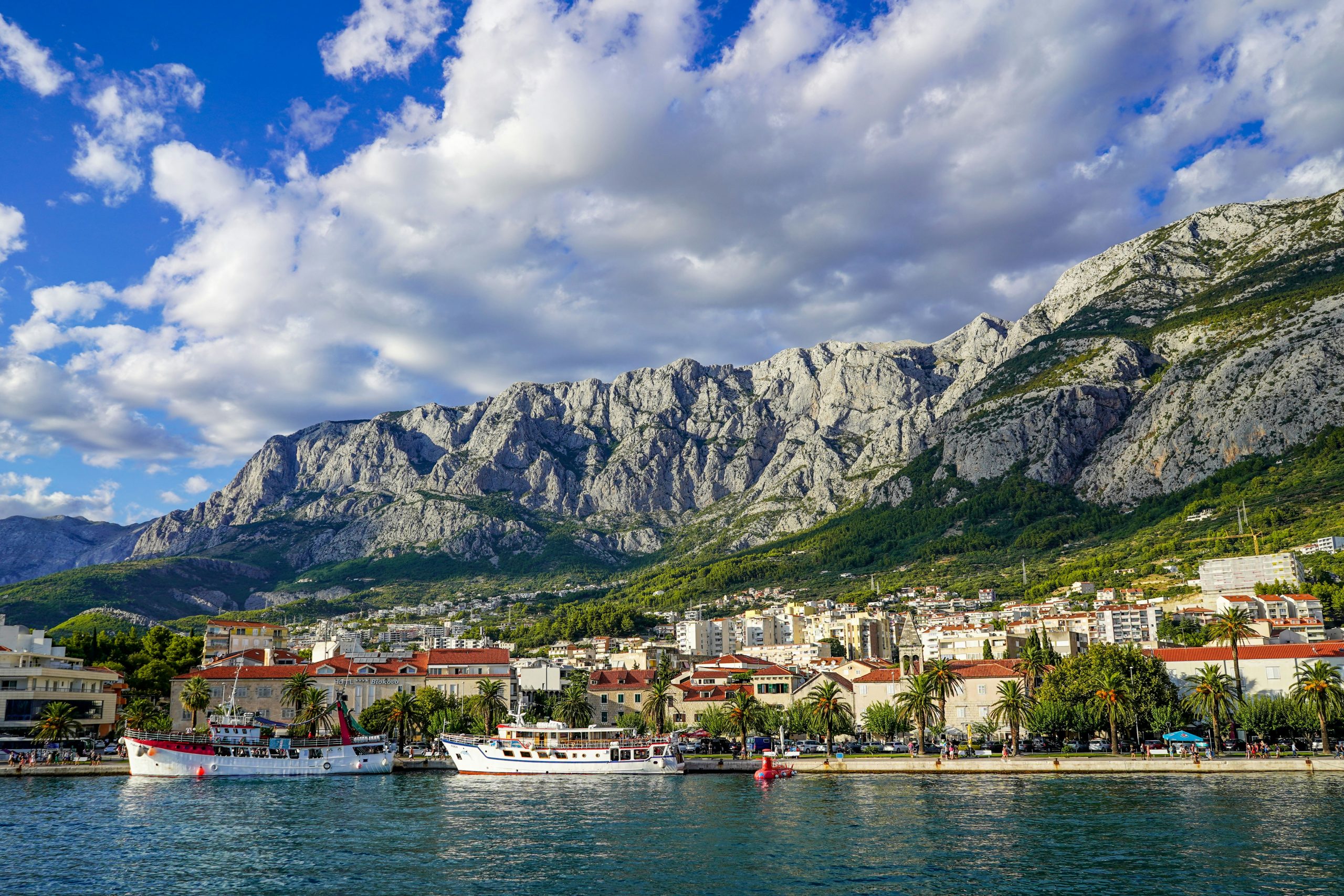
Makarska is the capital of the Makarska Riviera – a long pebble beach under the grey wall of Biokovo mountain. I like to stroll along the harbour promenade, look into St Mark’s Cathedral square and have lunch before a quick swim at Nugal beach or right in town. My Makarska in one day guide lists restaurants and beaches.
Biokovo Skywalk: the glass horseshoe hangs over a cliff at 1,228 m above sea level, 13 km (about 30 minutes) up a narrow single-lane mountain road from the park entrance. The Nature Park is open from 1 April to 31 October; adult tickets are €15 in June–September and €10 in April, May and October, and the Skywalk is included (checked November 2026, Biokovo Nature Park). Only 20 vehicles are let in every full hour, so go early. With the Skywalk, plan 2.5–3 hours and skip the swim; in winter the park is officially closed.
Afternoon: the Pelješac Bridge viewpoint
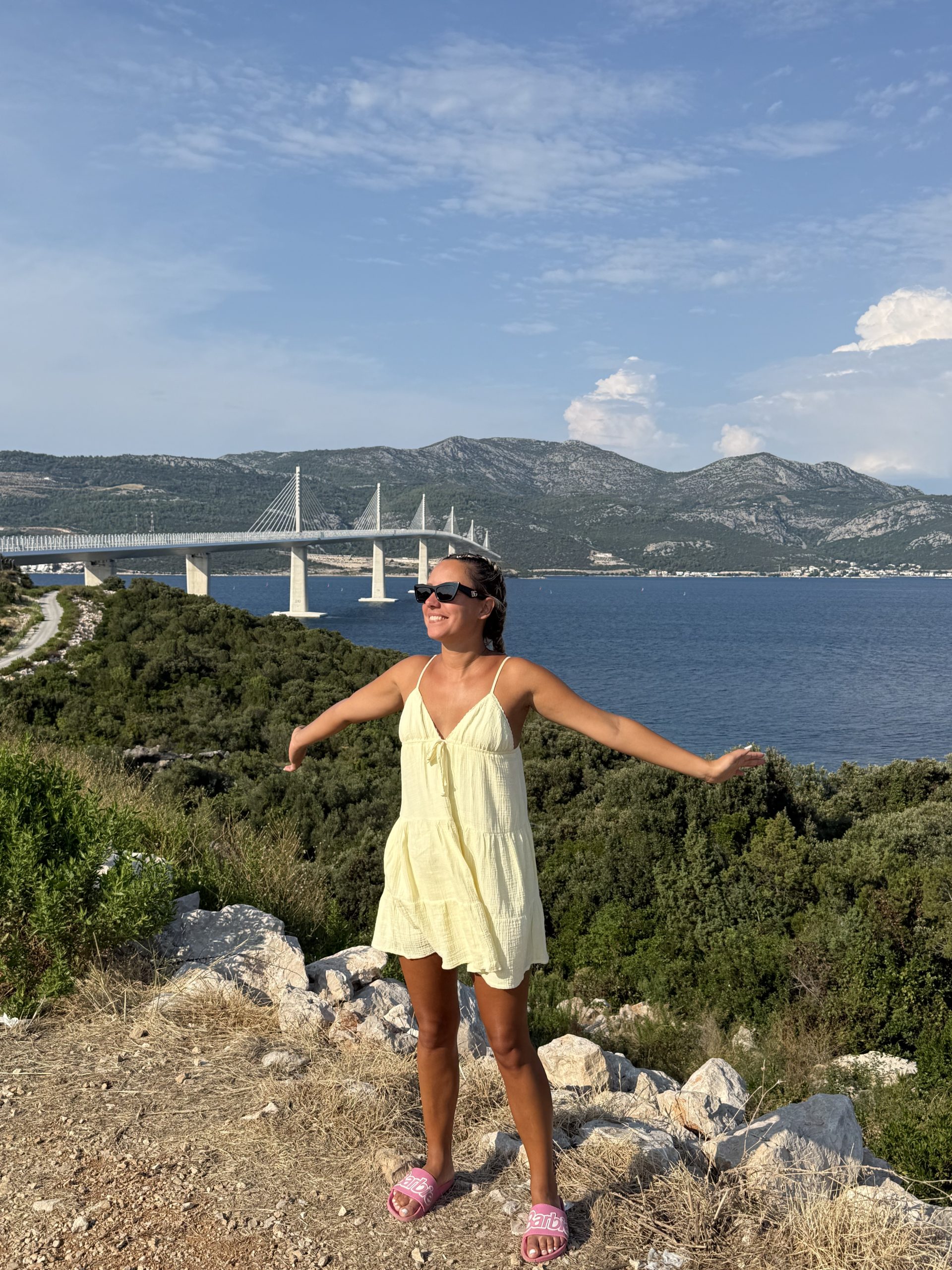
The Pelješac Bridge is 2.4 km of white cable-stayed bridge across the sea, and there are viewpoints on both sides. I had to pull over the first time I saw it – the bridge stretching across the blue water with the green hills of the peninsula behind is simply stunning. It’s my favourite first stop on the drive south.

Late afternoon: Ston walls and oysters
Ston and Mali Ston were the salt-and-oyster treasury of the Dubrovnik Republic, and they protected it with some of the longest stone walls in Europe – originally about 7 km, with forts, 41 towers and bastions. Walk a section of the walls up the hill for the view over the salt pans (the ticket also gets you into Kaštio fortress; it’s €5 for adults in November–February, more in season – check the official ticket shop). Go in the late afternoon in summer – there’s no shade.
Then drive two minutes to Mali Ston for oysters by the water. Two good addresses: Bota Šare and Kapetanova Kuća, the restaurant of Hotel Ostrea. Fresh fish is usually priced by the kilo – ask how much your fish weighs before it goes on the grill.
From Ston it’s about an hour to Dubrovnik. If you arrive after dark, don’t drive into the Old Town area – go straight to your accommodation’s parking.
Turn it into 5 nights: sleep on Pelješac
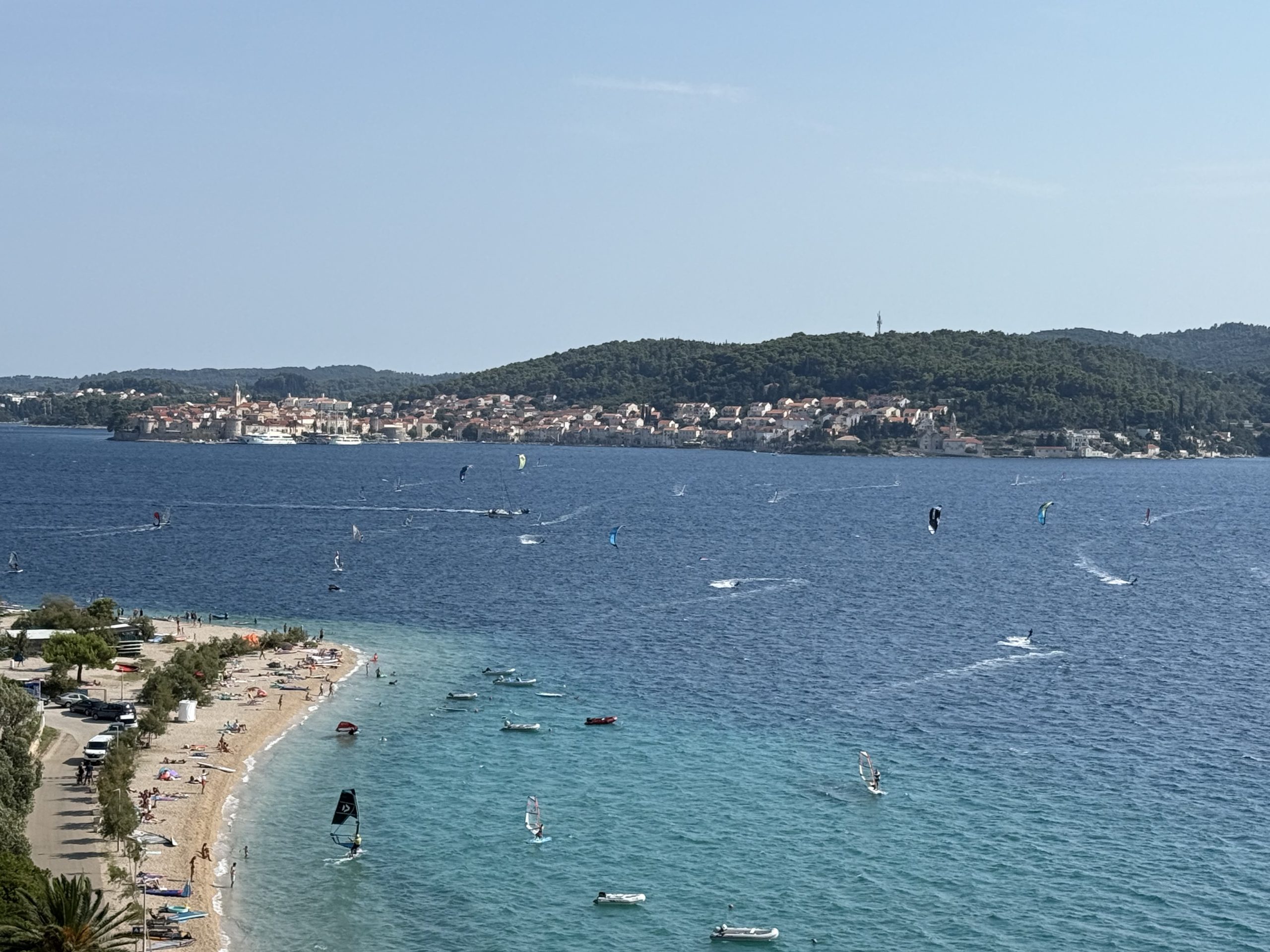
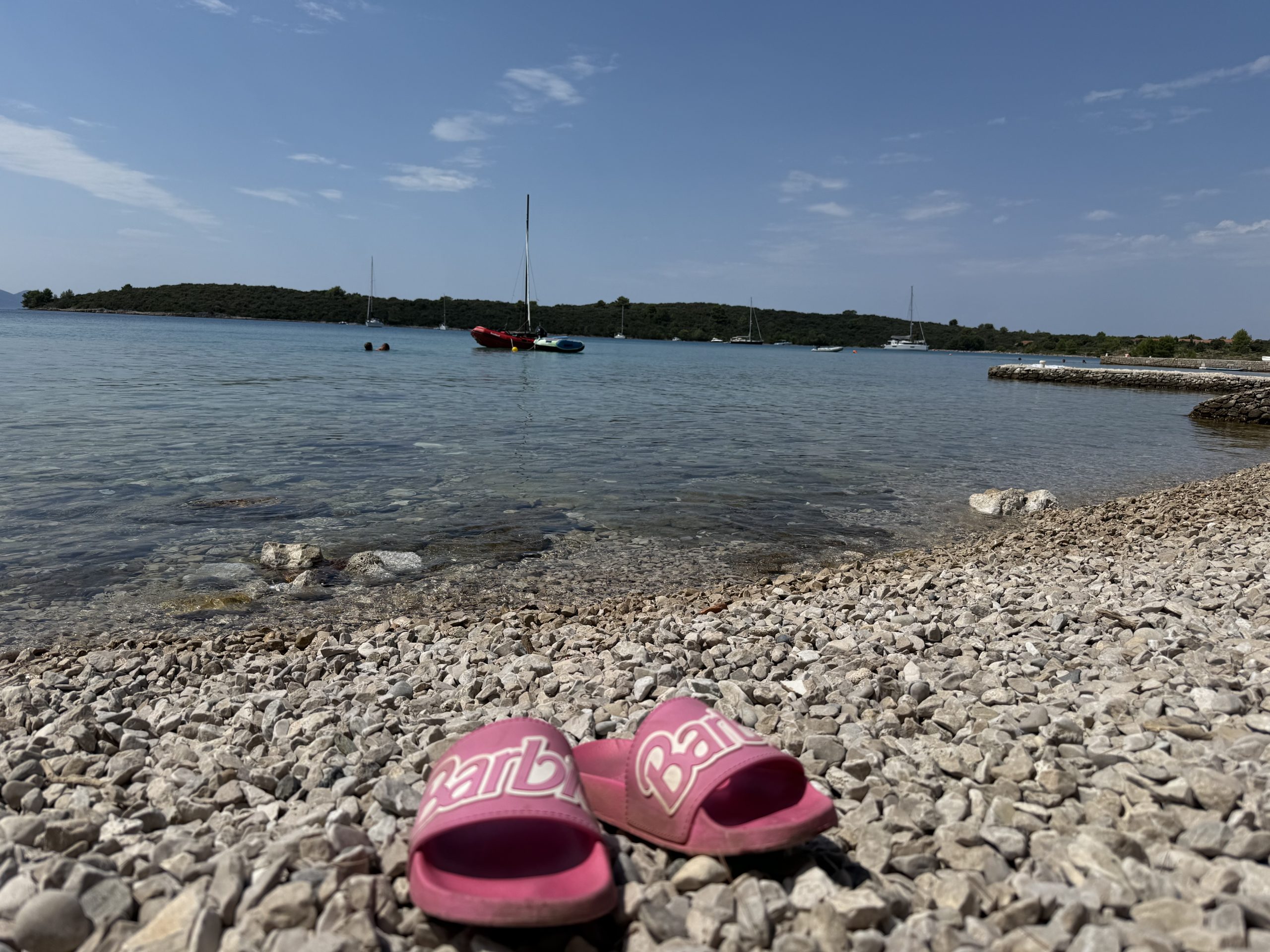
If you have one more night, don’t rush. Cross the bridge and continue west to Orebić – about an hour from Ston. This is what I did on my own Pelješac day: coffee on the Orebić seaside promenade looking across to Korčula, a drive to the abandoned village of Donja Nakovana with a viewpoint over Korčula and Hvar, watching the windsurfers in Viganj, and a sunset swim and squid dinner in Lovište at the very tip of the peninsula. The whole story is in my Pelješac in one day guide.

Next morning, drive back east via Ston (oysters for breakfast, anyone?) and reach Dubrovnik before lunch.
Day 4: Dubrovnik – walls, Stradun and sunset
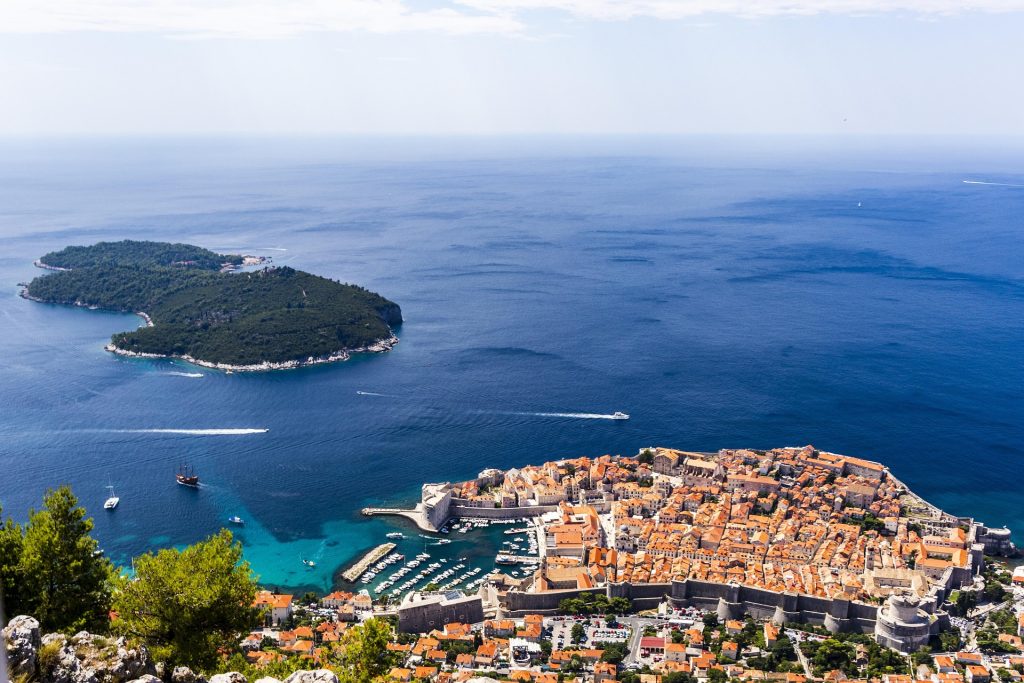
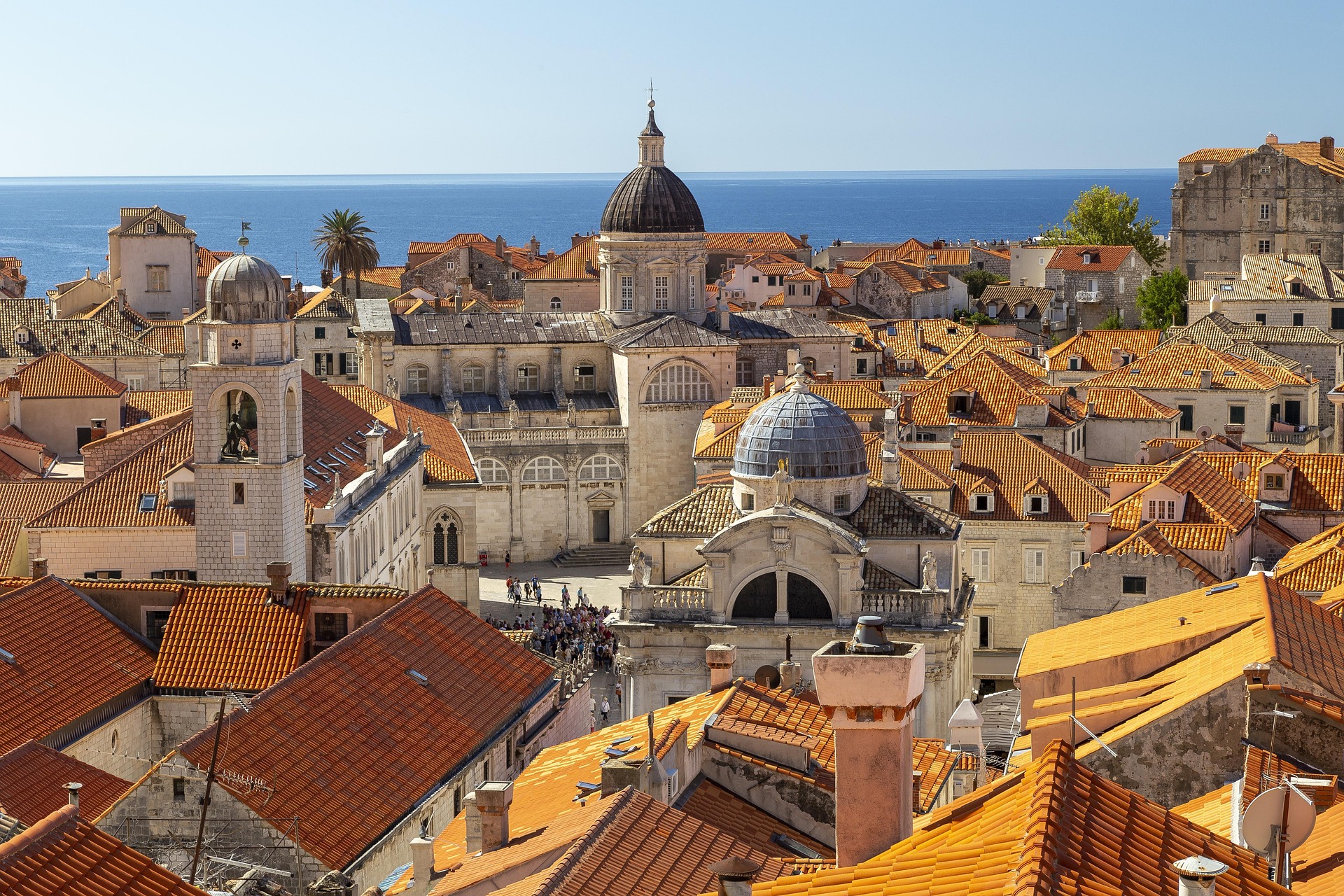
Dubrovnik is touristy, expensive and sometimes frustrating – and still genuinely magical. Today is about doing the big things at the right time of day. My one day in Dubrovnik guide has more restaurant ideas.
Morning: the city walls at opening time
I started my wall walk at 8 AM sharp and it was the best decision of the day. The full circuit takes around two hours – it’s basically a workout disguised as sightseeing, with a lot of stairs. Go at opening or in the late afternoon; at midday the stone throws the heat back at you and the cruise groups arrive.
| City walls ticket | Adult | Child 7–18 |
|---|---|---|
| 1 March – 30 November 2026 | €40 | €15 |
| December – February | €20 | €5 |
Children 6 and under are free. The ticket also includes Fort Lovrijenac, the Western Outer Wall (closed December–February) and the Collection of Coins of the Republic of Ragusa (checked November 2026, official City Walls shop). Keep your ticket – it’s valid for one round only, and staff can ask to see it.

Late morning: Stradun, Rector’s Palace and Lovrijenac
Come down and wander along Stradun, the polished limestone main street, then step into the Gothic-Renaissance Rector’s Palace. After lunch, use the second half of your wall ticket at Fort Lovrijenac, the fortress on its own rock just outside Pile Gate – the view back to the walls is one of the best in town.
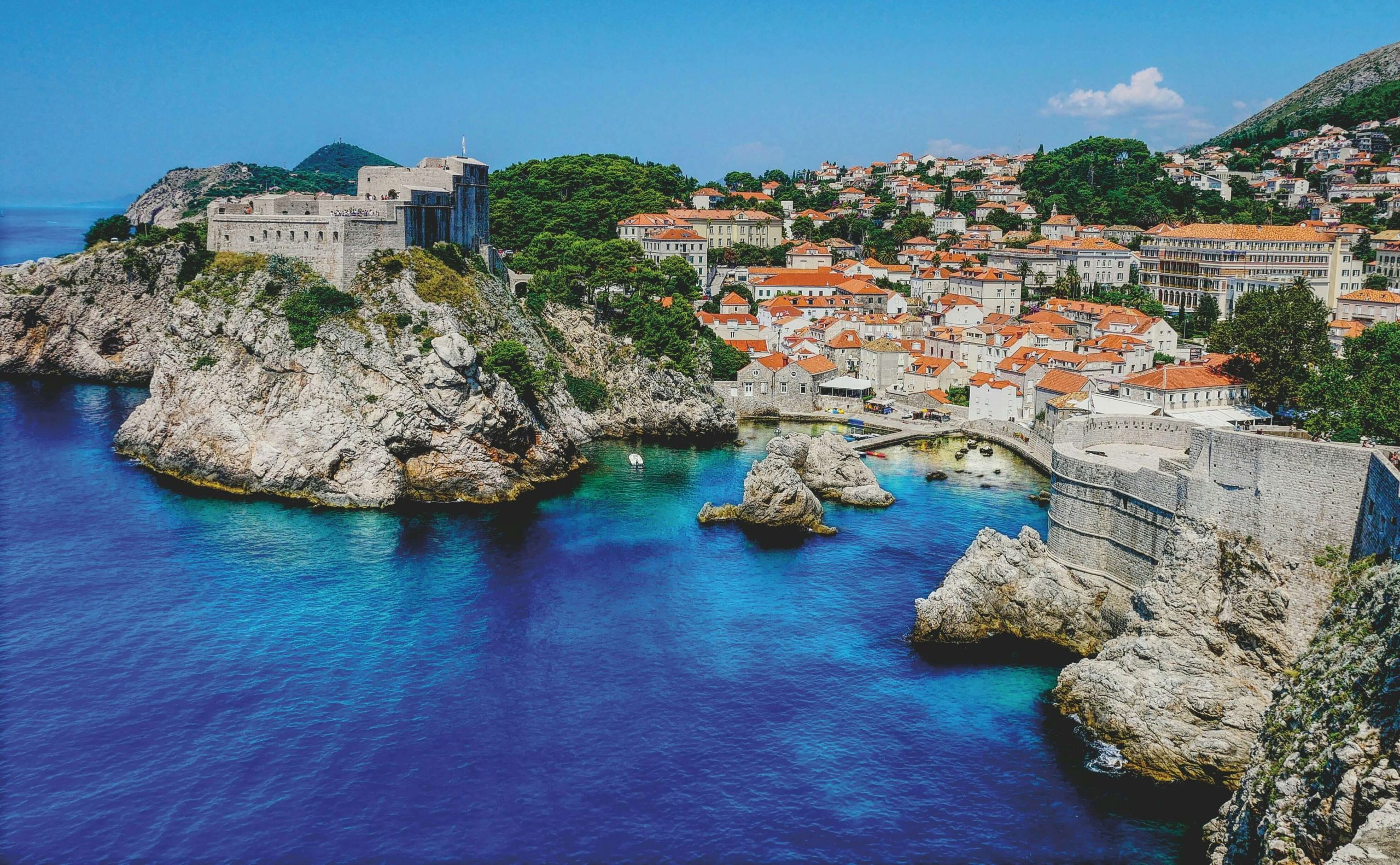
If you like context, the 1.5-hour Old Town intro walk by Dubrovnik Walks costs €20 per adult and €10 for children 7–11 (checked November 2026).
Afternoon: swim or kayak
Escape the midday crowds on the water. The 2-hour sea kayaking tour by Dubrovnik Walks starts in Pile bay, paddles under the walls towards Lokrum and stops at Betina cave for snorkelling – €35 per person, gear and water included, minimum age 8 (checked November 2026). Prefer to stay dry-ish? Banje beach right outside the Ploče gate has Old Town views.
Evening: Mount Srđ or a Buža bar
For sunset you have two classics. The Dubrovnik Cable Car goes up Mount Srđ for the famous view of the walls with Lokrum and the Elaphiti islands behind – €30 return or €17 one-way for adults, €8/€5 for children 4–12 (checked November 2026). It closes for annual maintenance in winter and reopens on 1 April; the last ride up is 30 minutes before closing. I spent nearly two hours on a bench up there.
Or squeeze through the hole in the southern wall to a Buža bar – a rocky terrace hanging over the sea. It took me twenty minutes to find it, my beer cost €8, and the sunset was worth every cent. There are two Buža bars, so check which one your map is taking you to.
Day 5: Lokrum, Lopud or Cavtat – then fly home
Departure days are half-lost anyway, so keep it light. Pick one:
- Lokrum island – a forested nature reserve a short boat ride from the Old Port, with peacocks, an old Benedictine monastery and rocky swimming spots. The official ticket is €30 per person and includes the return boat and the reserve fee; you pay the same €30 if you arrive by water taxi (checked November 2026). Buy it at the Luža ticket office in the Old Port.
- Lopud (Elaphiti islands) – I took a day trip here and spent hours on its sandy beach, a rarity in Croatia. The Jadrolinija passenger boat from Dubrovnik takes about an hour and cost €5.40 per adult between late May and late September 2026 (€3.40 the rest of the year, checked November 2026). Better if your flight is in the evening.
- Cavtat – a quieter, very pretty coastal town about 30 minutes south of Dubrovnik and close to the airport, so it works well on the way to your flight.
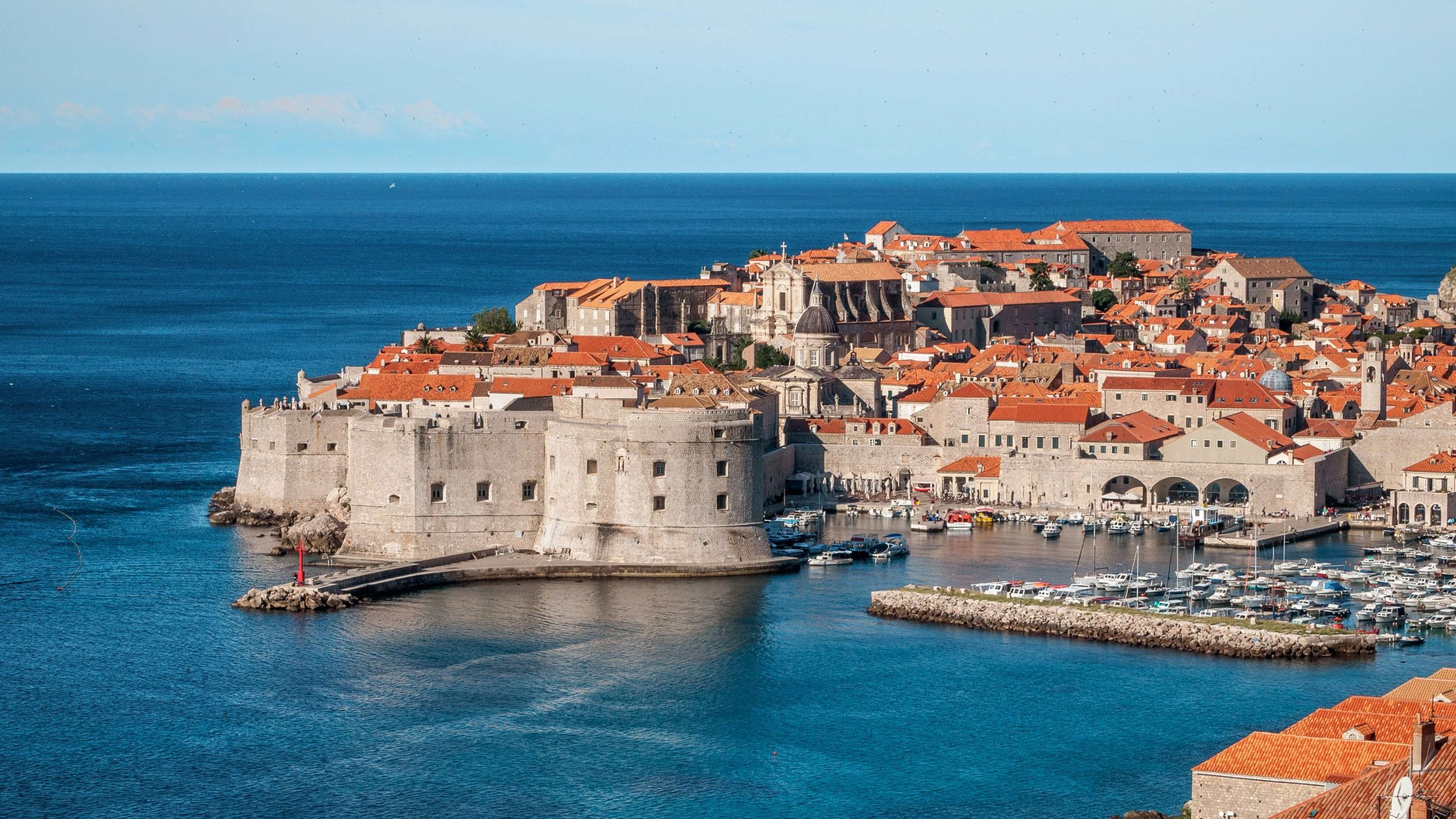
To the airport: the Platanus shuttle connects Dubrovnik Airport with the Old Town in about 30 minutes and with Gruž bus station in about 35 minutes – €10 one-way (checked November 2026). If you have a rental car, drop it at the airport.
5 days in Croatia without a car
Totally doable – you just swap the road-trip day for a transfer.
- Days 1–2: exactly as above. For Krka, book a tour; for Hvar, take the catamaran.
- Day 3 by bus: buses from Split to Dubrovnik take from about 3 h 45 min (FlixBus), usually longer. Take a morning bus and you’re in Dubrovnik by mid-afternoon. Buy tickets online in summer. You’ll miss Omiš and Ston, but you can see Ston on a Pelješac oyster-and-wine tour from Dubrovnik on day 5.
- Day 3 by sea (summer only): TP Line and Krilo run seasonal catamarans Split – Hvar – Korčula – Dubrovnik. It’s a beautiful way to arrive, but both lines have finished for 2026 and the 2027 timetables aren’t published yet – check before you plan around them.
- Private transfer: the easiest option for families or groups, and you can ask the driver to stop in Omiš, at the bridge viewpoint and in Ston.
- In Dubrovnik: Libertas city buses connect Lapad, Gruž and the Old Town – €2.50 if you pay the driver, €1.73 for a pre-bought 1-hour ticket, €5.31 for a day ticket (checked November 2026, Libertas price list). Bolt works in Dubrovnik too.
Where to stay
Real places I checked on their official websites – I only stayed at Nevio Camping myself, so read recent reviews and compare prices for your dates. Book early for June to September.
Split (nights 1–2)
Stay inside or right next to Diocletian’s Palace for the atmosphere, or near Bačvice beach for something calmer with a swim at the door.
| Budget | Where | Why |
|---|---|---|
| Luxury | Hotel Vestibul Palace | Small boutique hotel inside the palace walls, a member of Small Luxury Hotels of the World, with Roman walls in some rooms. |
| Upper mid-range | Cornaro Hotel | Modern hotel on the edge of the old town, a short walk from the palace gates. |
| Mid-range | Hotel Peristil | Small hotel right by the Peristyle – you can’t sleep closer to the emperor. |
| Mid-range / beach | Hotel Park Split | Classic hotel next to Bačvice beach, a walk from the centre. |
| Budget | Backpackers Fairytale Hostel | Hostel option for solo travellers; private apartments (sobe) are the other budget choice. |
Makarska, Ston or Pelješac (optional extra night)
| Budget | Where | Why |
|---|---|---|
| Upper mid-range | Hotel Park Makarska | Right on the pebble beach in Makarska – good if you want a beach evening on day 3. |
| Mid-range | Hotel Ostrea, Mali Ston | Small family hotel since 1998 on the Mali Ston waterfront, with the Kapetanova Kuća restaurant downstairs. |
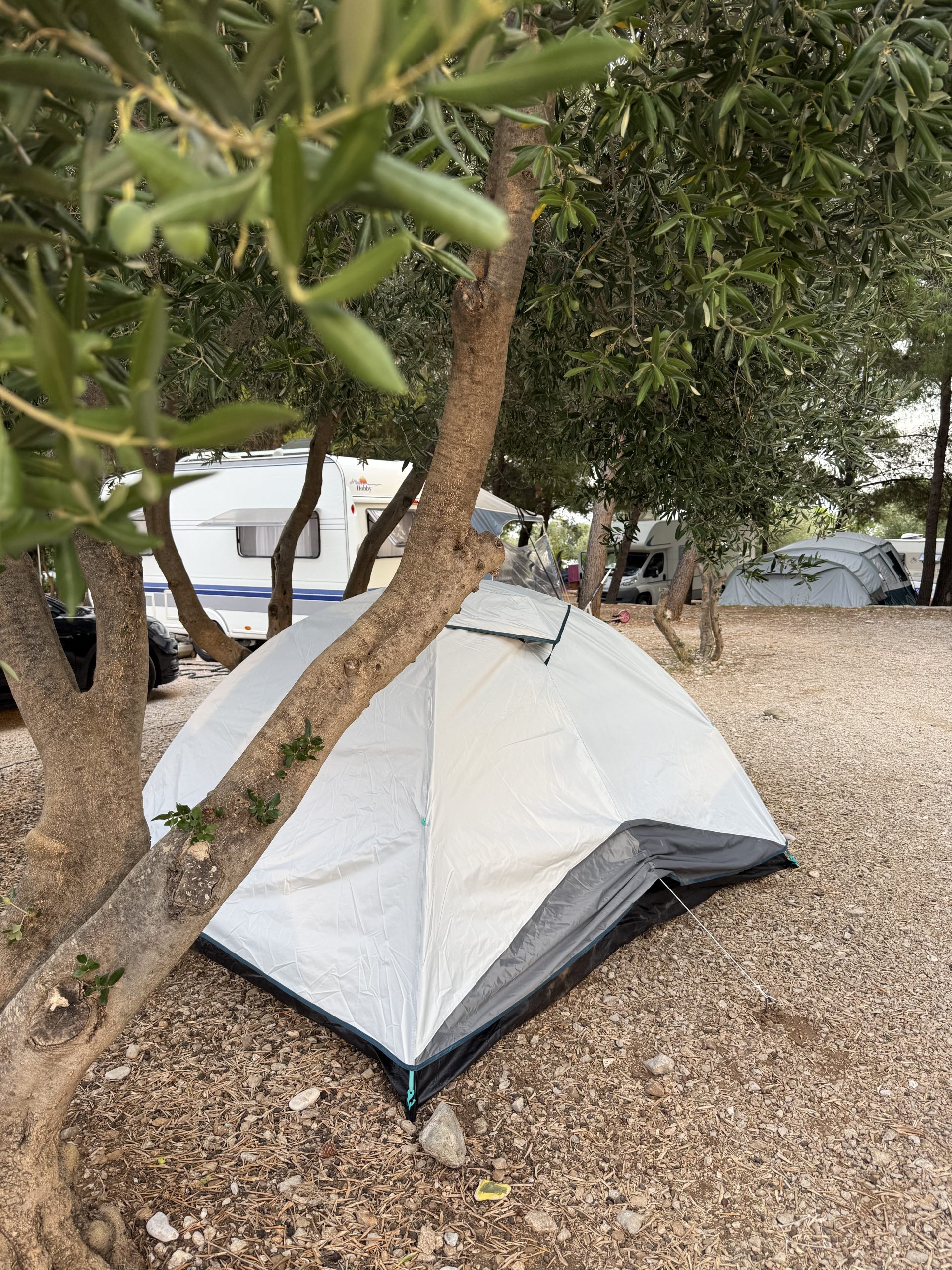
| Budget / camping | Nevio Camping, Orebić | Where we camped: pitches and mobile homes on terraces above the sea, with a beach and café. |
Dubrovnik (nights 3–4)
The Old Town is magical but pricey and car-free; Lapad and Gruž are cheaper, with parking and buses.
| Budget | Where | Why |
|---|---|---|
| Luxury | Villa Dubrovnik | Cliffside hotel with views of Lokrum and the Old Town; reopens for the season on 26 March 2027. |
| Mid-range (Old Town) | Hotel Stari Grad | Boutique hotel steps from Stradun with a rooftop view. |
| Mid-range (Lapad) | Hotel Lapad | Family-owned hotel with over a century of tradition, in the calmer Lapad area. |
| Budget | HI Hostel Dubrovnik | Non-profit youth hostel run by the Croatian Youth Hostel Association. |
Tours and experiences worth booking
| Experience | Operator | What you get | Length |
|---|---|---|---|
| Krka waterfalls tour (from Omiš/Split area) | Active Holidays | Guided waterfall walk in English, boat ride in the park | Full day, from 08:30 |
| Blue Cave & 4 islands | Active Holidays | Speedboat to the Blue Cave on Biševo, swim at Stiniva on Vis and more | Full day, from 06:30 in Omiš |
| Pakleni islands sailing | Hvar Adventure | Sailing and swimming around the islands off Hvar town | 6 h (sunset sail 4 h) |
| Old Town walking tour | Dubrovnik Walks | Intro walk with a licensed local guide, €20 | 1.5 h |
| Sea kayaking + snorkel | Dubrovnik Walks | Paddle under the walls, Betina cave stop, €35 | 2 h |
Prices checked November 2026 on the operators’ own websites; they can change for 2027, so confirm when you book.
Getting around: transport cheat sheet
| Route | How | Time | Price (checked November 2026) |
|---|---|---|---|
| Split Airport → Split | Platanus shuttle | ≈30 min | €10 one-way, €15 return |
| Split → Hvar town | Jadrolinija catamaran 641 | 1 h 05 min | €25 (2026 fare) |
| Split → Krka (Lozovac/Skradin) | Car | ≈1 h 15 min | Motorway toll extra |
| Split → Dubrovnik | Car via the coast + Pelješac Bridge | ≈4–6 h with stops (≈3 h on the A1) | Fuel + A1 tolls |
| Split → Dubrovnik | Bus | from 3 h 45 min | Check FlixBus/bus station |
| Dubrovnik Airport → Old Town | Platanus shuttle | ≈30 min | €10 one-way, €15 return |
- Driving: motorways are tolled but fast and in great condition. The Pelješac Bridge has no border crossing; the Neum corridor does (passport needed).
- Parking in Dubrovnik: on my first visit in July 2023 I drove in circles for nearly an hour and saw €10 per hour – and a daily ticket of €200 in the zone right next to the Old Town. Book accommodation with parking, leave the car there and use the bus or Bolt.
- Taxis and apps: Bolt operates in Split and Dubrovnik; Uber runs year-round in Split and in season in Dubrovnik. Compare with the price a taxi quotes before you get in.
How much do 5 days in Croatia cost?
Croatia isn’t a budget destination on the coast in summer, and Dubrovnik is the most expensive place in the country. My rough daily budgets per person in summer:
| Travel style | Per day (per person) | What you get |
|---|---|---|
| Budget | €50–70 | Hostel or campsite, bakery breakfasts, buses, free beaches |
| Mid-range | €100–150 | Private apartment, konoba dinners, a few tours or ferries |
| Comfort | €200+ | Boutique hotels, rental car, boat trips, wine tastings |
On top of that, here are the main sightseeing costs on this exact route for one adult, using the official prices above:
| Item | Price (checked November 2026) |
|---|---|
| Airport shuttles (Split + Dubrovnik) | €20 |
| Krka ticket (June–Sept) – or Hvar catamaran return | €40 – or €50 |
| Dubrovnik city walls + Lovrijenac (Mar–Nov) | €40 |
| Dubrovnik cable car return | €30 |
| Lokrum boat + reserve | €30 |
| Libertas day ticket | €5.31 |
| Total | ≈€165–175 |
Add a kayak tour (€35) or the zipline (€80) if you want them. Car hire, fuel and tolls depend on your dates – compare one-way rentals early.
Best time for a 5-day trip to Croatia
My short answer: late May to June, or September to early October. The sea is warm, ferries run full timetables, Krka and Biokovo are open and you avoid the July–August crowds and peak prices.
| Season | What to expect on this route |
|---|---|
| April – May | Green, Krka at full power, sea still fresh. |
| June | My favourite: warm sea, long days, summer timetables, fewer crowds than July. |
| July – August | Hot (often above 30 °C), busiest and most expensive; book everything early and sightsee early. |
| September – early October | Warm sea, softer light, grape harvest, prices drop. |
| November – March | Quiet and cheap (Krka €7, walls €20); cable car and Biokovo closed, fewer boats. |
What to pack, money, safety and scams
What to pack
- Water shoes – most beaches are pebbly or rocky, and sea urchins are common.
- Comfortable shoes with grip – Dubrovnik’s polished stone gets very slippery when wet.
- Sun hat, sunscreen, a refillable bottle (tap water is safe) and a cover-up for the old towns.
- A light jacket in spring and autumn – the bura can be cold.
Money and cards
Croatia uses the euro. Cards are accepted almost everywhere, but carry some cash for small konobas, markets, parking machines and island bakeries. Tipping isn’t mandatory – rounding up or leaving around 10% for good service is appreciated. Most accommodation adds a small nightly tourist tax.
Entry rules
Croatia is in the EU and Schengen. The EU Entry/Exit System (EES) is in full operation, so non-EU visitors have their photo and fingerprints taken at the first entry – allow extra time. ETIAS isn’t required yet and has no start date (checked November 2026); only ever use the official EU website. Full details are on my Croatia travel guide.
Safety and scams to avoid
- Croatia is one of the safest countries in Europe – just watch your bag in crowded old towns and on busy boats.
- Fish “by the kilo”: ask the weight and price before your fish is cooked, so the bill isn’t a surprise.
- Ticket resellers: buy walls, Lokrum and Krka tickets from the official sites or counters – resellers add fees.
- Unmetered taxis – agree the price first or use an app.
Insider tips & tricks
- Check the cruise ship schedule for Dubrovnik before you fix your Dubrovnik day. On big-ship days, do the walls at opening and save the Old Town for after 16:00, when day-trippers head back.
- The cheaper Krka ticket: from June to September the ticket drops from €40 to €30 after 15:00 – and the light on the falls is softer.
- Lokrum costs the same either way: a water taxi doesn’t save you the €30 reserve fee, so just take the official ferry.
- Ride apps in Split’s centre: the pedestrian old town confuses drivers – message your exact pick-up point, or walk to the Riva or the bus station.
- Split city buses: buy tickets in the Promet Split app and validate them on board – inspectors do check.
- Biokovo Skywalk: only 20 cars get in per hour, so arrive early in the day or be ready to wait.
- Two Buža bars: there are two cliff bars with the same name – the map pin isn’t always the one you want.
- Don’t book a tight bus or boat on your last day – keep day 5 close to Dubrovnik and the airport.
- Eat a street back: a konoba one street away from Stradun or the Riva is usually better and cheaper than anything on the main drag.
- Watch the wind, not just the sun: bura and jugo can cancel catamarans – have Krka as plan B.
- Cross-border rental rules: with the Pelješac Bridge you don’t need to enter Bosnia and Herzegovina – but if you plan a side trip to Mostar, tell the rental company.
Other ways to spend 5 days in Croatia
- Flying into Dubrovnik? Just reverse the route: Dubrovnik (days 1–2), the coast road north on day 3, Split (days 4–5).
- Dubrovnik base only: stay 4 nights in Dubrovnik and do day trips to Pelješac and Ston, Lopud and Cavtat – my 3-day Croatia itinerary is built around this.

Hotel, tourist board or travel brand in Croatia?
I create honest, practical one-day itineraries read by travellers planning their next trip – plus photos, drone shots and Instagram stories from the road. I’m open to collaborations with hotels, apartments, restaurants, wineries, tour operators and destinations across Croatia: sponsored itineraries, destination features, press trips and social media campaigns.
Work with me Get in touchCroatia 5-day itinerary FAQ
Is 5 days enough for Croatia?
Five days is enough for one region. The best plan is Split and Dubrovnik with the coast in between: two nights in Split, a road-trip day via Omiš, Makarska, the Pelješac Bridge and Ston, and two nights in Dubrovnik. Adding Zagreb, Plitvice or Istria in 5 days means too much time on the road.
What is the best 5-day Croatia itinerary for first-timers?
Day 1 Split, day 2 a day trip to Trogir and Krka or to Hvar, day 3 the coastal drive to Dubrovnik with stops in Omiš, Makarska, the Pelješac Bridge viewpoint and Ston, day 4 Dubrovnik’s walls and Old Town, and day 5 Lokrum, Lopud or Cavtat before flying home.
Should I spend more time in Split or Dubrovnik?
Split it evenly: two nights in each. Split is the better base for day trips to Krka, Trogir and Hvar, while Dubrovnik needs one full day for the walls and Old Town plus a morning for Lokrum or an island.
Do I need a car for 5 days in Croatia?
Not in Split or Dubrovnik, but a one-way rental from Split to Dubrovnik makes the coastal day much better and Krka easier. Without a car, take a Krka tour or the catamaran to Hvar and the bus to Dubrovnik, which takes from about 3 hours 45 minutes.
How long is the drive from Split to Dubrovnik?
About 230 km. On the A1 motorway it takes around 3 hours; on the coastal road with stops in Omiš, Makarska, the Pelješac Bridge and Ston it is a full day. The Pelješac Bridge means you no longer cross the border at Neum.
Krka or Hvar – which day trip from Split is better?
Choose Krka for waterfalls and nature and if you have a car; choose Hvar for swimming, boat trips and island atmosphere. In windy weather Krka is the safer choice because catamarans to Hvar can be cancelled.
How much does a 5-day trip to Croatia cost?
Roughly €50–70 per person per day on a budget, €100–150 mid-range and €200 or more for comfort in summer, plus about €165–175 in main sightseeing costs on this route (Krka or the Hvar boat, the Dubrovnik walls, cable car, Lokrum and airport shuttles), checked November 2026.
How much are the Dubrovnik city walls in 2026?
Adults pay €40 from 1 March to 30 November 2026 and €20 from December to February; children aged 7 to 18 pay €15 or €5. The ticket includes Fort Lovrijenac. Checked November 2026 on the official City Walls shop.
What is the best month for 5 days in Croatia?
June and September: warm sea, long days, full ferry timetables and fewer crowds than July and August. In winter many things are cheaper, but the Dubrovnik cable car and the Biokovo Skywalk are closed.

Miki Kokica
Travel blogger behind One Day Itinerary. I test every route myself and write honest, practical guides so you can make the most of a single day anywhere.
Work with me Instagram